Understanding UV Growing Lights: A Primer for Lighting Contractors
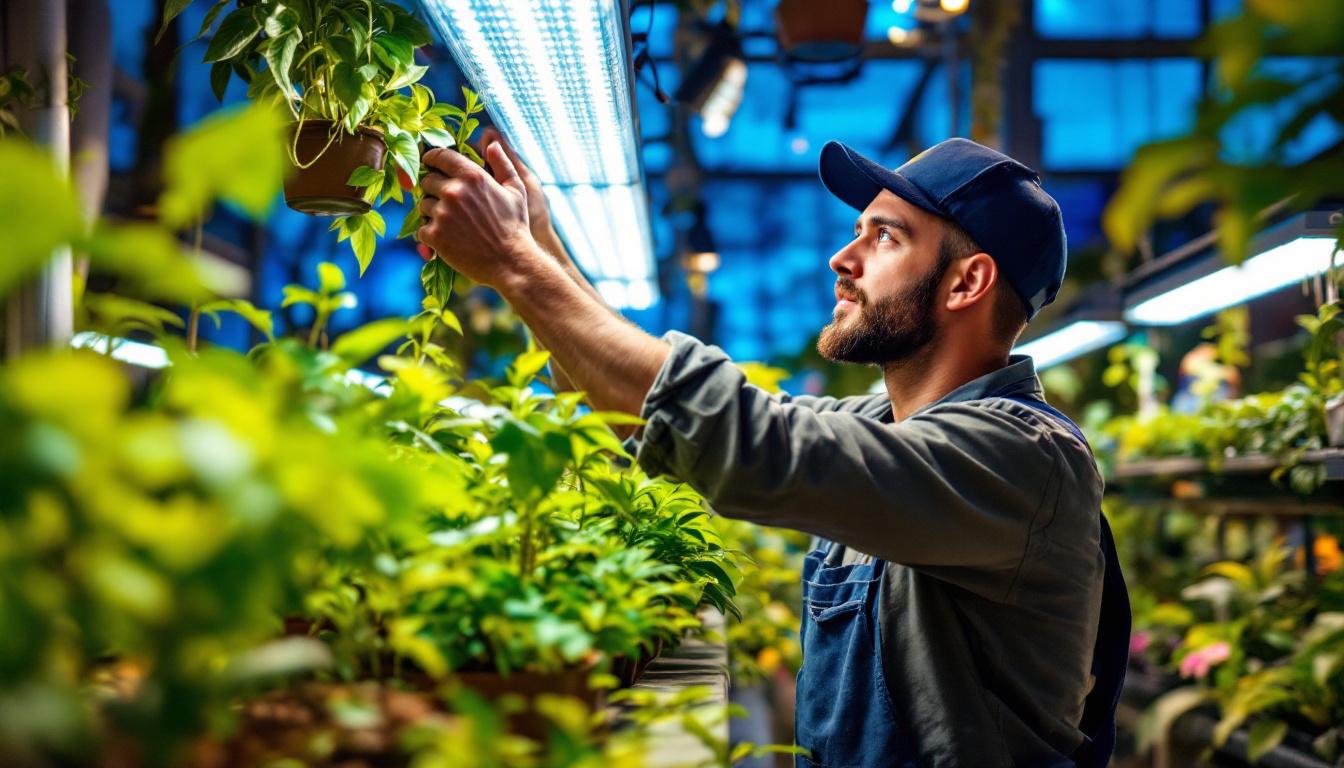
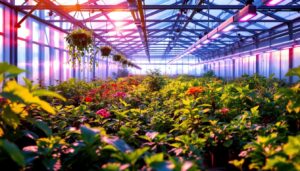
Ultraviolet (UV) growing lights have become an essential tool in modern horticulture, especially within controlled environment agriculture such as greenhouses and indoor farms. These lights emit UV radiation that can influence plant growth, development, and pest resistance. For lighting contractors, understanding the nuances of UV growing lights is critical to delivering effective and safe installations.
UV light is subdivided into three categories: UVA (315-400 nm), UVB (280-315 nm), and UVC (100-280 nm). While UVA and UVB have biological effects on plants, UVC is primarily germicidal and is generally not used directly in plant growth applications due to its harmful effects. The strategic use of UVA and UVB can enhance plant pigmentation, improve flavor profiles, and even reduce pathogen loads.
Lighting contractors must be well-versed in these distinctions to recommend the right type of UV lighting for their clients’ specific horticultural needs. Moreover, the integration of UV lights into existing lighting systems requires careful planning to optimize plant health and energy efficiency.
In addition to understanding the types of UV light, lighting contractors should also consider the timing and duration of UV exposure. Research indicates that specific wavelengths can have varying effects depending on the growth stage of the plant. For instance, young seedlings may benefit from lower UV exposure to promote healthy development without causing stress, while mature plants may thrive under increased UV levels to enhance their resilience and yield. This knowledge allows contractors to tailor their lighting solutions to meet the unique requirements of different crops, ensuring optimal growth conditions throughout the plant lifecycle.
Furthermore, the choice of UV growing lights can also impact energy consumption and operational costs. LED technology has advanced significantly, offering energy-efficient options that provide targeted UV wavelengths without excessive heat output. This not only reduces electricity bills but also minimizes the need for additional cooling systems in indoor farms. By staying informed about the latest advancements in UV lighting technology, contractors can provide their clients with sustainable solutions that align with both environmental goals and economic viability.
Do’s: Best Practices for Installing and Maintaining UV Growing Lights
Do Conduct a Thorough Site Assessment
Before installation, it is essential to assess the growing environment comprehensively. Factors such as the type of crops, growth stages, ambient light conditions, and existing lighting infrastructure all influence the choice and placement of UV lights. For example, leafy greens may respond differently to UV exposure compared to flowering plants or fruiting crops.
Understanding these variables allows contractors to tailor the UV lighting setup to maximize plant benefits while minimizing energy waste. Additionally, site assessments help identify potential safety hazards related to UV exposure for workers and ensure compliance with occupational health standards. It is also beneficial to consider the layout of the growing area; for instance, areas with high humidity may require different UV light configurations compared to drier environments. This nuanced understanding can lead to more effective light placement, ensuring that every plant receives adequate exposure without compromising the overall health of the growing environment.
Do Choose the Right UV Spectrum and Intensity
Selecting the appropriate UV spectrum is crucial. UVA is generally safer and can stimulate secondary metabolite production, enhancing flavors and colors. UVB, while more energetic, can promote thicker leaves and increased resistance to pests but must be used cautiously to avoid plant stress or damage.
Intensity and duration of UV exposure also matter. Overexposure can lead to reduced photosynthesis and plant injury. Lighting contractors should work closely with horticulturists to calibrate UV light levels based on empirical data and manufacturer guidelines. Utilizing dimmable fixtures or programmable timers can provide precise control over UV delivery. Furthermore, understanding the specific needs of each crop type can help in determining the optimal timing for UV exposure. For instance, some crops may benefit from short bursts of UV light during critical growth phases, while others might require longer, more consistent exposure to achieve desired results.
Do Ensure Proper Installation and Shielding
UV radiation can be harmful to human skin and eyes. Lighting contractors must install UV growing lights with appropriate shielding, such as UV-blocking covers or enclosures, to protect workers during operation. Clear signage and safety protocols should accompany installations to mitigate accidental exposure.
Moreover, correct mounting height and angle are essential to achieve uniform light distribution across the plant canopy. Uneven UV exposure can cause inconsistent plant development and reduce overall yield quality. In addition to physical shielding, it is advisable to conduct training sessions for staff on the importance of UV safety and the correct procedures to follow while working in proximity to UV lights. This proactive approach not only enhances safety but also fosters a culture of awareness regarding the potential risks associated with UV exposure.
Do Perform Regular Maintenance and Monitoring
UV lamps degrade over time, leading to diminished output and altered spectral quality. Regular maintenance schedules should include cleaning lamp surfaces, checking electrical connections, and replacing bulbs according to manufacturer recommendations. Monitoring light intensity with UV-specific sensors ensures that plants receive consistent treatment throughout their growth cycle.
Contractors can also recommend integrating smart control systems that adjust UV output based on real-time environmental data, optimizing energy use and plant health simultaneously. Additionally, implementing a logging system to track maintenance activities and light performance can provide valuable insights over time, allowing for adjustments that enhance efficiency and productivity. By analyzing historical data, growers can identify trends that may indicate the need for changes in their UV lighting strategy, ultimately leading to healthier plants and improved yields.
Don’ts: Common Pitfalls and Safety Concerns
Don’t Overlook Safety Regulations and Worker Protection
One of the most critical responsibilities for lighting contractors is ensuring compliance with occupational safety standards. Prolonged exposure to UV radiation can cause skin burns, eye injuries, and increased risk of skin cancer. Ignoring these risks can lead to legal liabilities and health hazards.
Contractors should not install UV lights without providing adequate personal protective equipment (PPE) such as UV-blocking goggles and gloves for workers who might be exposed. Additionally, automated shutoff systems or motion sensors can prevent accidental exposure when personnel enter the growing area.
Don’t Neglect Compatibility with Existing Lighting Systems
Integrating UV growing lights into an existing lighting setup without proper planning can lead to inefficiencies and plant stress. For instance, UV lights should complement, not replace, photosynthetically active radiation (PAR) lighting, which is vital for photosynthesis.
Contractors should avoid installing UV fixtures that interfere with the spectral balance or cause excessive heat buildup. It is advisable to coordinate with horticultural experts to design a lighting system that harmonizes UV and visible light spectra for optimal plant growth.
Don’t Ignore Manufacturer Specifications and Quality Standards
Using substandard or incompatible UV lighting products can compromise both plant health and safety. Contractors should avoid sourcing UV lamps from unverified suppliers or using fixtures not designed for horticultural applications. Poor-quality lamps may emit harmful wavelengths or fail prematurely.
Adhering to manufacturer specifications regarding voltage, wattage, and installation methods ensures longevity and performance. Additionally, selecting energy-efficient LED-based UV lights can reduce operational costs and environmental impact compared to traditional mercury vapor or fluorescent UV lamps.
Don’t Underestimate the Importance of Training and Education
Lighting contractors must not overlook the need to educate clients and their staff about the proper use and risks of UV growing lights. Providing detailed operational manuals, safety guidelines, and training sessions helps prevent misuse and accidents.
Furthermore, staying updated on the latest research and technological advancements enables contractors to offer informed recommendations and innovative solutions tailored to evolving horticultural practices.
Case Studies: Successful UV Growing Light Installations
Several commercial growers have reported significant benefits following the integration of UV growing lights into their operations. For example, a vertical farm specializing in microgreens implemented UVA-enhanced LED systems, resulting in a 20% increase in antioxidant content and improved leaf coloration, which boosted market appeal.
In another case, a greenhouse producing tomatoes utilized controlled UVB exposure during flowering stages, which enhanced fruit firmness and reduced fungal infections without chemical treatments. These outcomes underscore the importance of precise UV light management and expert installation.
Lighting contractors involved in these projects emphasized the value of close collaboration with agronomists and continuous monitoring to fine-tune light schedules and intensities, demonstrating the multifaceted role contractors play beyond mere installation.
Future Trends and Innovations in UV Growing Lights
The UV growing light industry is rapidly evolving, with advances in LED technology enabling more efficient and customizable spectral outputs. Emerging research suggests that dynamic UV lighting—adjusting wavelengths and intensities in response to plant developmental stages—can further optimize growth and quality.
For lighting contractors, staying abreast of these innovations is crucial. Integrating IoT-enabled lighting systems that provide data analytics and remote control capabilities will likely become standard practice, enhancing precision agriculture and sustainability.
Moreover, developments in UV-resistant materials and improved safety mechanisms will facilitate safer and more widespread adoption of UV technologies in horticulture, expanding opportunities for contractors in this niche market.
Conclusion: Delivering Value Through Expertise and Safety
UV growing lights offer compelling advantages for modern agriculture, but their successful application hinges on knowledgeable and conscientious lighting contractors. By adhering to best practices—conducting thorough assessments, selecting appropriate spectra, ensuring safety, and maintaining equipment—contractors can significantly enhance plant health and client satisfaction.
Conversely, neglecting safety protocols, compatibility, and quality standards can lead to detrimental outcomes for both plants and people. As the industry advances, contractors who invest in continuous learning and embrace innovative technologies will position themselves as indispensable partners in the future of sustainable horticulture.
Illuminate Your Projects with LumenWholesale
Ready to elevate your horticultural lighting solutions? LumenWholesale is here to support your endeavors with a premier selection of UV growing lights. Our commitment to quality and affordability ensures that you can provide your clients with the best value in lighting technology. Say goodbye to middleman markups and hello to spec-grade products that meet the highest industry standards. With hassle-free bulk purchasing and free shipping, we make it easy to stock up on the lighting essentials that will make your installations shine. Don’t compromise on quality or cost—choose LumenWholesale for Wholesale Lighting at the Best Value and become the go-to contractor for sustainable horticulture lighting.