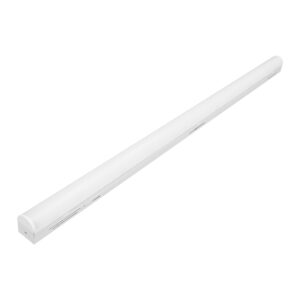
Introduction to LED Striplight Technology
LED striplights have revolutionized the lighting industry, offering unparalleled flexibility, efficiency, and design possibilities. For lighting contractors, understanding the nuances of LED striplight technology is essential to stay competitive and meet evolving client demands. Unlike traditional lighting solutions, LED striplights provide a dynamic approach to illumination, blending functionality with aesthetics seamlessly.
These versatile fixtures consist of small, surface-mounted light-emitting diodes arranged in a linear strip, often backed with adhesive for easy installation. Their low profile and adaptability make them ideal for a variety of applications, from accent lighting in residential spaces to complex commercial and architectural projects.
One of the standout features of LED striplights is their energy efficiency. Consuming significantly less power than incandescent or fluorescent lights, they not only reduce electricity bills but also contribute to a lower carbon footprint. This eco-friendly aspect is increasingly important to clients who are looking to make sustainable choices in their projects. Additionally, many LED striplights offer adjustable color temperatures, allowing users to customize the ambiance of a space—from warm, inviting tones to cool, energizing hues—enhancing the overall mood and functionality of the environment.
Moreover, the advancements in LED technology have led to the development of smart LED striplights that can be controlled via mobile apps or voice-activated systems. This integration of technology allows for greater control over lighting schemes, enabling users to create dynamic lighting scenes that can change throughout the day or be adjusted for specific activities. Whether it’s setting a relaxing atmosphere for a movie night or brightening up a workspace for productivity, smart LED striplights provide an unprecedented level of convenience and personalization that appeals to modern consumers.
Advantages of LED Striplights in Modern Lighting Design
Energy Efficiency and Sustainability
Energy consumption is a critical consideration for lighting contractors and their clients. LED striplights consume significantly less power than incandescent or fluorescent alternatives, often reducing energy use by up to 80%. This efficiency not only lowers operational costs but also aligns with increasingly stringent environmental regulations and sustainability goals.
Moreover, the long lifespan of LED striplights—often exceeding 50,000 hours—means fewer replacements and less waste, contributing to a reduced carbon footprint. This durability makes them a smart investment for both commercial and residential projects. As the world shifts towards greener technologies, the adoption of LED striplights can also enhance a building’s LEED certification potential, making them an attractive option for eco-conscious developers and homeowners alike.
Design Flexibility and Customization
One of the most compelling reasons to choose LED striplights is their exceptional design flexibility. Contractors can easily cut strips to length, bend them around corners, or integrate them into tight spaces where traditional fixtures would be impractical. This adaptability enables creative lighting solutions that enhance architectural features or create mood-setting ambiance.
Additionally, many LED striplights offer a broad spectrum of color temperatures and RGB color-changing options, controlled via remote or smart systems. This capability allows for dynamic lighting scenes that can be tailored to different times of day, events, or user preferences, adding significant value to any installation. For instance, in a retail environment, the ability to shift colors and intensities can draw attention to specific products or create an inviting atmosphere that encourages customer engagement, showcasing the versatility of LED striplights in various settings.
Ease of Installation and Maintenance
LED striplights are designed with installation efficiency in mind. Their adhesive backing simplifies mounting on various surfaces, reducing labor time and costs. Furthermore, low heat emission means they can be installed in proximity to sensitive materials without risk of damage, expanding potential applications.
Maintenance is minimal compared to traditional lighting. The solid-state nature of LEDs means fewer failures due to mechanical shock or vibration, and their extended lifespan reduces the frequency of replacements. For contractors, this translates into fewer service calls and higher client satisfaction. In addition, many LED striplights are now equipped with smart technology that allows for remote diagnostics and performance monitoring, enabling proactive maintenance and further enhancing the reliability of the lighting system. This integration of technology not only streamlines operations but also provides clients with peace of mind, knowing their lighting solutions are both efficient and dependable.
Applications of LED Striplights in Commercial and Residential Projects
Architectural and Accent Lighting
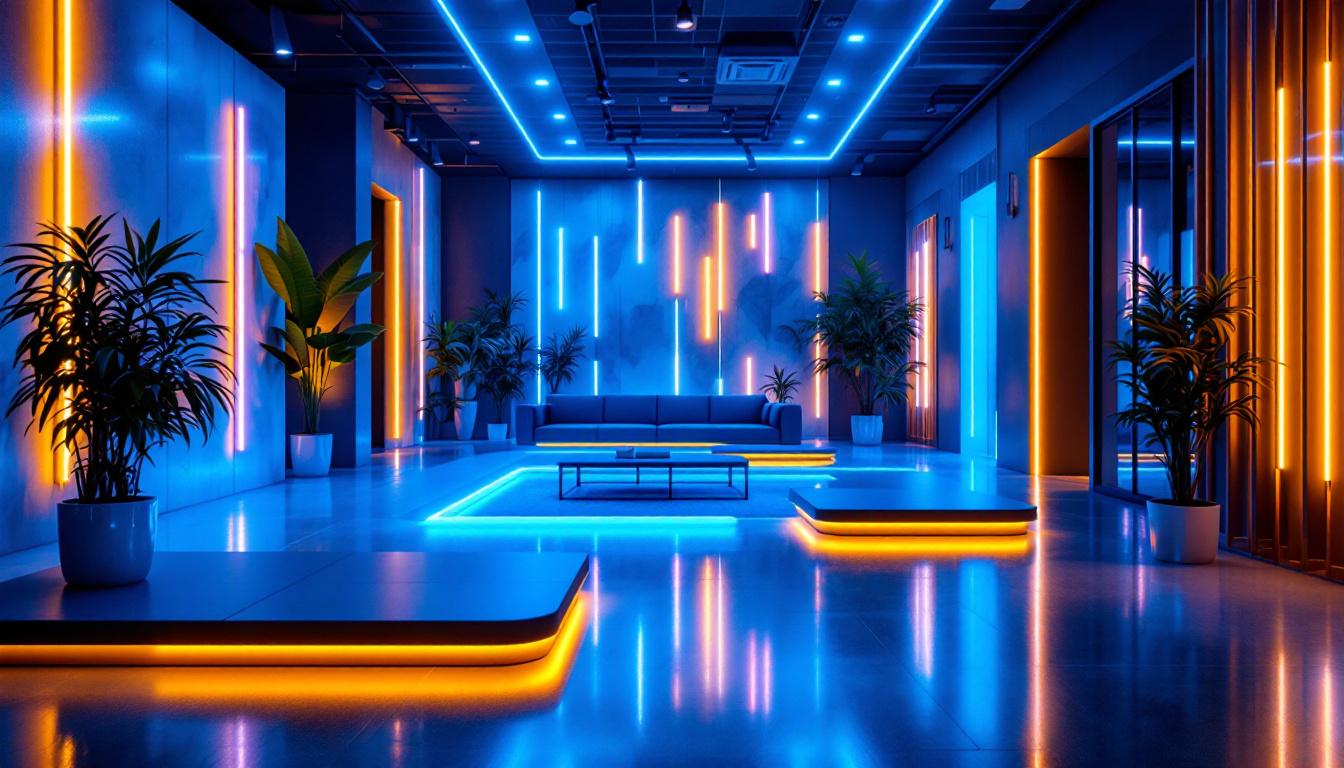
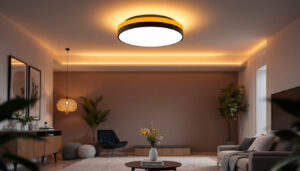
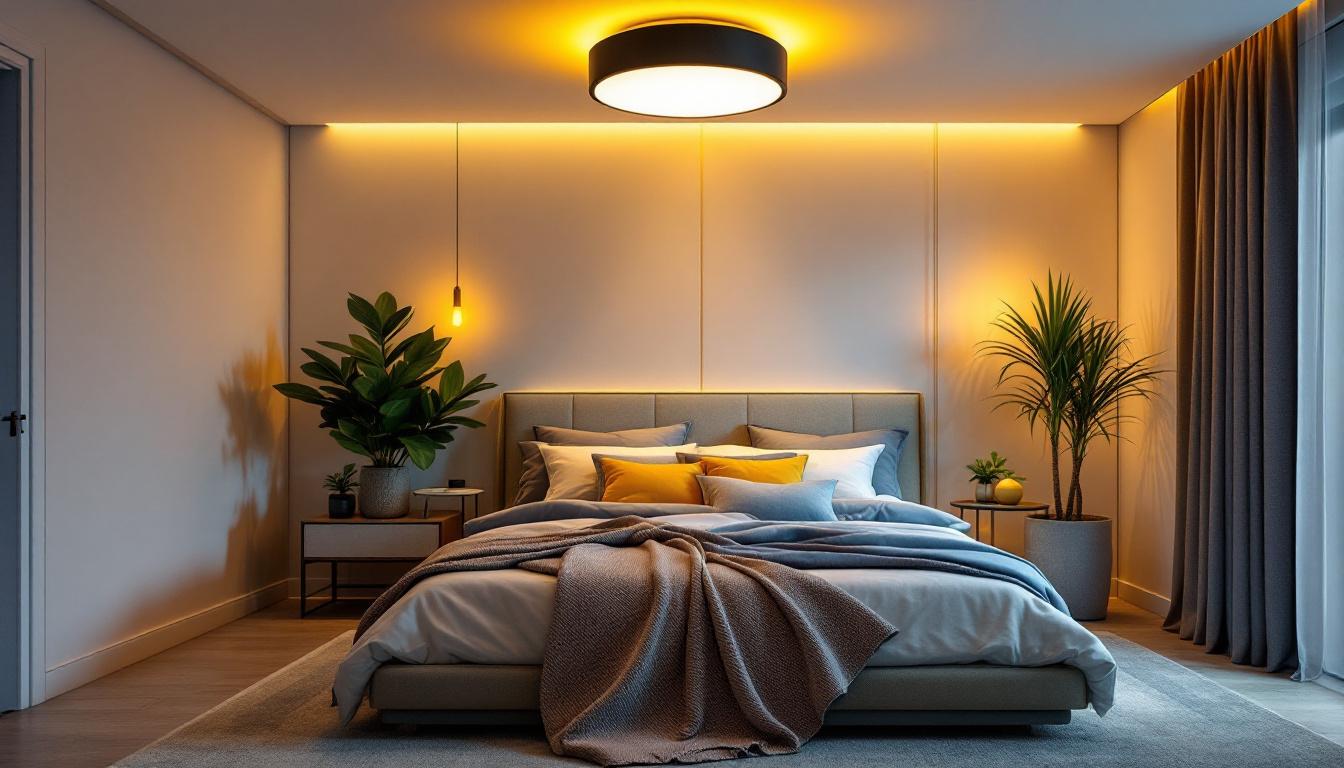
In commercial settings, LED striplights are frequently used to highlight architectural elements such as coves, recesses, and staircases. Their slim profile allows for discreet installation, creating a floating or backlit effect that enhances spatial perception and adds sophistication. This subtle illumination can transform ordinary spaces into visually stunning environments, making them more appealing to clients and visitors alike. Additionally, the flexibility in design allows architects and interior designers to experiment with various lighting angles and intensities, ensuring that each architectural feature is showcased in the best possible light.
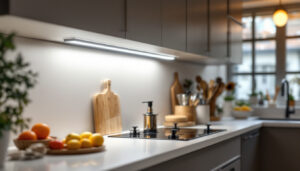
Residential projects benefit similarly, with striplights enhancing kitchen under-cabinet lighting, illuminating wardrobes, or providing indirect lighting in living areas. The ability to adjust brightness and color temperature ensures that lighting complements both functionality and mood. Moreover, homeowners can use LED striplights to create personalized lighting scenes for different occasions, from cozy family dinners to vibrant gatherings. The integration of smart technology further elevates this experience, allowing users to control their lighting through mobile apps or voice commands, adding convenience and modernity to home lighting solutions.
Retail and Hospitality Environments
Retail spaces leverage LED striplights to draw attention to merchandise, create inviting atmospheres, and influence customer behavior. The ability to program color changes and lighting sequences offers dynamic visual merchandising opportunities that can adapt to seasons or promotions. For instance, a clothing store might use warm lighting to create a cozy fall atmosphere, while transitioning to cooler tones for a fresh summer collection. This adaptability not only enhances the shopping experience but also encourages longer visits and increased sales, as customers are more likely to engage with products that are well-lit and appealing.
In hospitality, striplights contribute to ambiance in bars, restaurants, and hotels. Their low profile and customizable nature allow designers to craft unique experiences, from subtle pathway lighting to vibrant feature walls, enhancing guest satisfaction and brand identity. The strategic placement of striplights can guide patrons through a space, highlighting key areas such as seating arrangements or artwork. Furthermore, the ability to synchronize lighting with music or events can create immersive experiences that resonate with guests, making their visit memorable and encouraging repeat business.
Industrial and Task Lighting
While aesthetics are important, LED striplights also serve functional roles in industrial environments. Their uniform illumination and ability to fit into confined spaces make them ideal for workstations, machinery lighting, and safety applications. The durability and low maintenance requirements align well with demanding industrial conditions. In warehouses, for example, LED striplights can illuminate aisles and storage areas, improving visibility and enhancing safety for workers navigating through large spaces. Additionally, their energy efficiency contributes to lower operational costs, making them a smart choice for businesses focused on sustainability.
Moreover, the versatility of LED striplights allows for innovative applications in specialized industries such as manufacturing and logistics. In these settings, the use of motion-sensor technology can further enhance efficiency by ensuring that lights are only activated when needed, thus conserving energy. This capability not only reduces electricity bills but also extends the lifespan of the lighting system, making it a cost-effective solution for long-term industrial use. As industries continue to evolve, the role of LED striplights in creating functional and safe work environments will undoubtedly expand, paving the way for smarter, more efficient workplaces.
Technical Considerations for Lighting Contractors
Power Supply and Voltage Requirements
Understanding the electrical requirements of LED striplights is crucial for safe and effective installations. Most striplights operate on low voltage DC power, typically 12V or 24V, necessitating the use of compatible drivers or transformers. Selecting the correct power supply ensures consistent performance and prevents premature failure.
Contractors must also account for voltage drop, especially in longer runs of striplight. Voltage drop can cause uneven brightness and color shifts, so planning for power injection points or segmenting strips is essential for maintaining quality.
Heat Management and Environmental Factors
Although LED striplights generate less heat than traditional bulbs, heat dissipation remains a critical factor affecting longevity and performance. Installing striplights on aluminum channels or heat sinks can significantly improve thermal management, preventing overheating.
Environmental conditions such as humidity, dust, and exposure to water also influence product selection. IP-rated striplights designed for wet or outdoor locations ensure durability and safety in challenging environments.
Control Systems and Integration
Modern lighting design increasingly incorporates smart controls. LED striplights can be integrated with dimmers, sensors, and building automation systems, enabling energy savings and enhanced user experience. Familiarity with protocols such as DMX, DALI, or Zigbee allows contractors to offer comprehensive solutions that meet client expectations for convenience and innovation.
Future Trends in LED Striplight Technology and Installation
Advancements in Smart Lighting
The integration of LED striplights with IoT (Internet of Things) technology is transforming lighting into an interactive and adaptive element within spaces. Future developments are expected to include more intuitive control interfaces, voice activation, and AI-driven lighting adjustments based on occupancy and natural light levels.
For contractors, staying abreast of these trends means acquiring skills in programming and system integration, positioning themselves as valuable partners in smart building projects.
Enhanced Energy Harvesting and Sustainability
Emerging technologies aim to further reduce the environmental impact of lighting. Innovations such as energy-harvesting circuits and recyclable materials are on the horizon, promising to make LED striplights even more sustainable. Contractors who prioritize green building standards will find these advancements beneficial for meeting certification requirements and client demands.
Customization Through Advanced Manufacturing
Advances in manufacturing techniques, including flexible PCBs and micro-LEDs, will enable even more intricate and tailored lighting designs. This will allow contractors to offer bespoke solutions that integrate seamlessly with architectural elements, pushing the boundaries of creativity and functionality.
Conclusion
LED striplights represent a significant leap forward in lighting design and installation, combining energy efficiency, versatility, and aesthetic potential. For lighting contractors, mastering this technology is not only a pathway to enhanced project outcomes but also a strategic advantage in a competitive market.
By understanding the technical requirements, exploring diverse applications, and embracing future trends, contractors can deliver innovative lighting solutions that meet the demands of modern clients while contributing to sustainable and intelligent building practices.
Illuminate Your Projects with LumenWholesale
Ready to harness the power of LED striplights and elevate your lighting installations? Look no further than LumenWholesale, where we provide lighting contractors with the highest quality, spec-grade lighting products at unbeatable wholesale prices. Say goodbye to local distributor markups and hello to superior lighting solutions that fit your budget. Our extensive selection is designed to meet the highest industry standards, ensuring reliability and high performance for every project. Plus, with free shipping on bulk orders, you can enjoy premium lighting at the best value — without hidden fees or compromises. Don’t miss out on the perfect blend of quality, affordability, and convenience. Visit LumenWholesale today and make the smart choice for your lighting needs.