Outdoor motion detector lights are essential for enhancing security and providing convenience in residential and commercial spaces. As a lighting contractor, understanding the intricacies of these devices can help avoid common pitfalls and ensure a successful installation. This article explores the various aspects of outdoor motion detector lights, including their benefits, installation challenges, and best practices for contractors.
Understanding Outdoor Motion Detector Lights
Outdoor motion detector lights serve a dual purpose: they illuminate areas when movement is detected and deter potential intruders. These lights utilize various technologies, including passive infrared (PIR), microwave, and dual technology sensors, to detect motion. Understanding these technologies is crucial for contractors to select the right product for each job.
Types of Motion Detection Technologies
Each type of motion detection technology has its unique advantages and limitations. Passive infrared sensors are the most common, relying on heat emitted by moving objects. They are energy-efficient and cost-effective but may struggle in extreme weather conditions.
Microwave sensors, on the other hand, emit microwave pulses to detect movement. They are more sensitive and can cover larger areas, but they may also be more prone to false alarms due to environmental factors such as wind or passing vehicles.
Dual technology sensors combine both PIR and microwave technologies, providing a balanced solution that minimizes false alarms while ensuring reliable detection. Understanding these technologies allows contractors to make informed decisions when recommending products to clients.
Benefits of Installing Motion Detector Lights
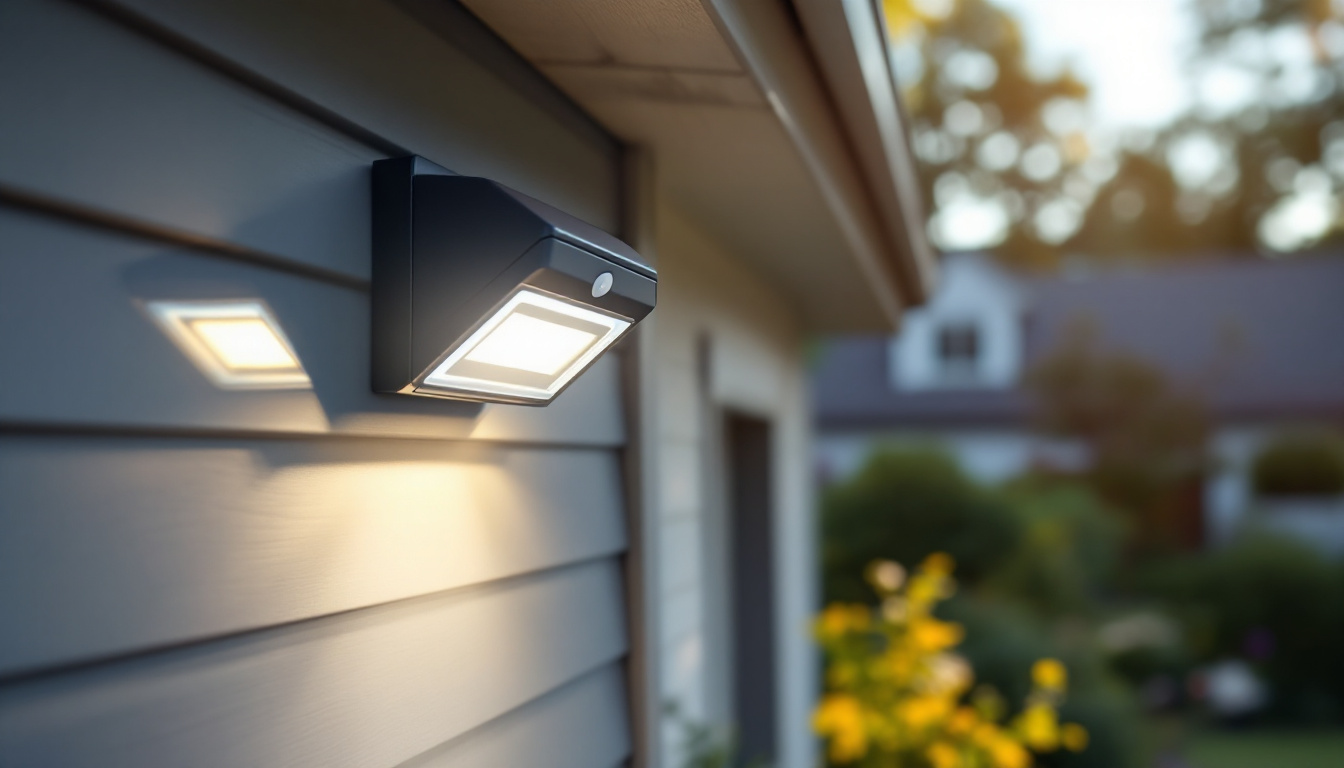
Installing outdoor motion detector lights offers numerous benefits. First and foremost, they enhance security by illuminating dark areas when movement is detected, which can deter potential intruders. Additionally, they provide convenience for homeowners, allowing them to navigate their properties safely at night.
Moreover, these lights can contribute to energy savings. Since they only activate when needed, they reduce unnecessary energy consumption compared to traditional outdoor lighting that remains on all night. This feature is particularly appealing to environmentally conscious clients.
In addition to security and energy efficiency, motion detector lights can also enhance the aesthetic appeal of a property. By strategically placing these lights along pathways, driveways, or gardens, homeowners can create a welcoming atmosphere that highlights landscaping features while ensuring safety. Furthermore, many modern motion detector lights come with adjustable brightness settings and color temperatures, allowing for customization that suits the homeowner’s preferences and complements the architectural style of the home.
Another significant advantage of motion detector lights is their ability to integrate with smart home systems. Many of today’s models can connect to Wi-Fi, enabling homeowners to receive alerts on their smartphones when motion is detected. This integration not only provides an added layer of security but also allows for remote control of lighting settings, making it easier to manage outdoor illumination from anywhere. As smart home technology continues to evolve, the synergy between motion detector lights and home automation systems is becoming increasingly popular, offering convenience and peace of mind for homeowners.
Common Installation Challenges
Despite the advantages, installing outdoor motion detector lights is not without its challenges. Lighting contractors often encounter various issues that can hinder the effectiveness of these devices. Identifying and addressing these challenges is essential for successful installations.
Placement and Coverage Issues
One of the most significant challenges in installing motion detector lights is determining the optimal placement. Improper positioning can lead to inadequate coverage, leaving certain areas unlit and vulnerable. Contractors must consider factors such as the layout of the property, the height of the installation, and potential obstructions that could block the sensor’s line of sight.
Additionally, understanding the detection range of the chosen device is crucial. Each motion detector has a specified range, and exceeding this can result in missed detections. By conducting a thorough site assessment, contractors can identify the best locations for installation, ensuring maximum coverage and effectiveness. They may also need to take into account the angle of the sensor, as a slight adjustment can significantly enhance the detection capabilities, allowing for a broader area to be monitored without blind spots.
Environmental Factors
Environmental factors can significantly impact the performance of outdoor motion detector lights. Weather conditions, such as rain, snow, or extreme temperatures, can affect the sensors’ ability to detect motion accurately. For instance, heavy rain can cause false alarms, while snow accumulation may obstruct the sensor’s field of view.
Contractors should recommend products that are rated for outdoor use and designed to withstand various weather conditions. Additionally, educating clients about the potential impact of environmental factors can help set realistic expectations regarding the performance of their motion detector lights. It’s also worth noting that seasonal changes can affect how these devices function; for example, during the fall, leaves may fall and accumulate, potentially obstructing sensors. Therefore, regular maintenance and seasonal checks are advisable to ensure that the motion detectors remain unobstructed and fully operational throughout the year.
Best Practices for Installation
To avoid common issues associated with outdoor motion detector lights, contractors should adhere to best practices during installation. These practices encompass everything from selecting the right products to ensuring proper installation techniques.
Choosing the Right Product
Selecting the appropriate motion detector light for a specific application is crucial. Contractors should consider factors such as the size of the area to be illuminated, the typical movement patterns in that area, and the specific needs of the client. For example, a residential property may require different specifications than a commercial facility.
In addition, contractors should pay attention to the light output and color temperature of the fixtures. Warmer light temperatures are often preferred for residential settings, while cooler temperatures may be more suitable for commercial applications. By aligning product choices with client preferences and requirements, contractors can enhance customer satisfaction. Furthermore, it’s essential to consider energy efficiency when selecting products. Many modern motion detector lights come with LED options that not only provide significant energy savings but also have longer lifespans compared to traditional incandescent bulbs. This can be a compelling selling point for environmentally conscious clients looking to reduce their carbon footprint.
Proper Installation Techniques
Proper installation techniques are vital for ensuring the functionality of motion detector lights. Contractors should follow the manufacturer’s guidelines for mounting height and angle to optimize sensor performance. Typically, mounting the lights at a height of 8 to 10 feet provides the best detection range.
Additionally, securing all wiring connections and ensuring weatherproofing are essential steps in the installation process. Loose connections can lead to intermittent functionality, while inadequate weatherproofing may result in moisture damage over time. Taking these precautions can significantly extend the lifespan of the installed fixtures. Moreover, it’s advisable to conduct a thorough test of the motion sensors after installation to ensure they are calibrated correctly. This includes checking the detection range and sensitivity settings to match the specific environment, as well as adjusting the lights to minimize false triggers from passing cars or animals. A well-calibrated system not only enhances security but also improves user satisfaction by reducing unnecessary light activation, which can be disruptive in residential areas.
Testing and Adjustments
After installation, testing the motion detector lights is a critical step that should not be overlooked. This process allows contractors to verify that the lights function as intended and that the sensors detect movement accurately.
Conducting Thorough Tests
Contractors should conduct thorough tests by simulating movement in the detection zone. This can be done by walking or driving through the area to ensure the lights activate as expected. If the lights fail to respond, adjustments may be necessary, such as repositioning the sensor or changing the sensitivity settings.
Additionally, it is advisable to test the lights at different times of day and under varying weather conditions. This comprehensive testing approach helps identify any potential issues that may arise in real-world scenarios, allowing contractors to address them proactively. For example, testing during dusk can reveal how well the lights respond to low-light conditions, while testing during rain or snow can help assess the durability and reliability of the sensors in adverse weather. Such thorough evaluations ensure that the motion detector lights will perform optimally, regardless of the environmental challenges they may face.
Client Education and Follow-Up
Educating clients about the operation and maintenance of their motion detector lights is essential for long-term satisfaction. Contractors should explain how the sensors work, how to adjust settings, and what to do in case of false alarms. Providing this information empowers clients to make the most of their lighting systems. It may also be beneficial to offer a demonstration of the various settings and features, such as how to adjust the timer or sensitivity, ensuring that clients feel confident in managing their new system.
Furthermore, scheduling a follow-up visit after a few weeks can help address any concerns clients may have. This proactive approach demonstrates a commitment to customer service and can lead to positive word-of-mouth referrals. During this follow-up, contractors can also gather feedback on the system’s performance and any adjustments the client may have made. This feedback loop not only enhances the client’s experience but can also provide valuable insights for future installations, allowing contractors to refine their techniques and improve overall service quality.
Conclusion
Outdoor motion detector lights are a valuable addition to any property, providing security, convenience, and energy efficiency. However, lighting contractors must navigate various challenges to ensure successful installations. By understanding the technologies involved, addressing common installation issues, and adhering to best practices, contractors can enhance their service offerings and avoid potential pitfalls.
Ultimately, a well-executed installation not only meets client expectations but also establishes a reputation for quality work in the competitive lighting industry. By prioritizing education, testing, and follow-up, contractors can foster lasting relationships with clients, ensuring their outdoor motion detector lights function effectively for years to come.
Illuminate Your Projects with LumenWholesale
Ready to elevate your lighting installations with the best in the business? Look no further than LumenWholesale for all your outdoor motion detector light needs. Our extensive selection of spec-grade lighting products is designed to meet the highest industry standards, ensuring you deliver reliable and high-performance lighting solutions to your clients. With unbeatable wholesale prices and the convenience of free shipping on bulk orders, you can trust LumenWholesale to provide premium lighting without the premium price tag. Don’t compromise on quality or value—Wholesale Lighting at the Best Value is just a click away. Make the smart choice and partner with us for your next project.