Choosing the Right LED Strip for the Job
LED strips come in a variety of types, densities, and brightness levels. Selecting the appropriate strip is the foundation of any successful lighting installation. For lighting contractors, understanding the specifications and intended use is crucial before mounting.
Consider the environment where the LED strip will be installed. Indoor applications generally allow for standard LED strips with lower IP ratings, while outdoor or damp locations require waterproof or weather-resistant options. For example, IP65-rated strips are suitable for kitchens or bathrooms, whereas IP67 or IP68 strips are necessary for exterior installations exposed to rain or submersion.
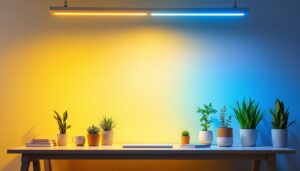
Brightness and color temperature also play a significant role. High-density strips with 120 LEDs per meter or more are ideal for applications needing uniform illumination, such as under-cabinet lighting or retail displays. Meanwhile, lower density strips can suffice for accent lighting or decorative purposes. Color temperature affects ambiance; warmer tones (2700K-3000K) create cozy environments, while cooler tones (4000K-6000K) are better for task lighting.
Additionally, the flexibility of LED strips allows for creative installations that can enhance any space. Many strips can be cut to length, enabling precise fitting around corners or along edges, which is particularly useful in custom cabinetry or intricate architectural designs. Some strips even come with adhesive backing, making installation straightforward and hassle-free. Moreover, the ability to connect multiple strips together can provide expansive lighting solutions, allowing for a seamless glow across larger areas without the need for excessive wiring.
Another important aspect to consider is the control options available for LED strips. Many modern strips are compatible with smart home systems, allowing users to adjust brightness, color, and even set schedules through mobile apps or voice commands. This level of control not only enhances convenience but also promotes energy efficiency, as users can easily turn off lights that are not in use or adjust settings based on the time of day. For those looking to create dynamic lighting effects, RGB LED strips can cycle through a spectrum of colors, making them perfect for events or themed decor.
Surface Preparation: The Unsung Hero of Secure Mounting
Many contractors underestimate how much surface preparation impacts the longevity and effectiveness of LED strip installations. The adhesive backing on most LED strips is strong but relies heavily on the cleanliness and texture of the mounting surface.
Before applying the strip, thoroughly clean the surface to remove dust, oils, and debris. Use isopropyl alcohol or a similar cleaner to ensure a residue-free base. Avoid household cleaners that leave behind films or residues that weaken adhesion. For rough or porous surfaces, consider using a primer or mounting channel to create a smooth, stable base.
Temperature also affects adhesion. Applying LED strips in environments below 50°F (10°C) can reduce the stickiness of the adhesive. If the project site is cold, warming the strip slightly or using additional mechanical fasteners can prevent premature failure.
Another critical factor in surface preparation is the choice of mounting surface itself. While many surfaces may seem suitable at first glance, not all materials provide the same level of adhesion. For instance, painted surfaces may have varying degrees of gloss or texture that can hinder the adhesive’s grip. It’s advisable to test a small section first or consult the manufacturer’s guidelines to ensure compatibility. Additionally, surfaces that are exposed to moisture or extreme humidity should be treated with moisture-resistant primers or sealants to enhance adhesion and prolong the lifespan of the installation.
Furthermore, the alignment and positioning of the LED strips during installation can significantly influence their performance. Ensuring that the strips are straight and evenly spaced not only enhances the aesthetic appeal but also prevents issues like uneven lighting or hotspots. Using a level or measuring tape can help achieve precise placement. Some contractors even recommend marking the intended path with a pencil or tape before peeling off the adhesive backing, which can save time and reduce the likelihood of misalignment during installation.
Mounting Techniques and Accessories
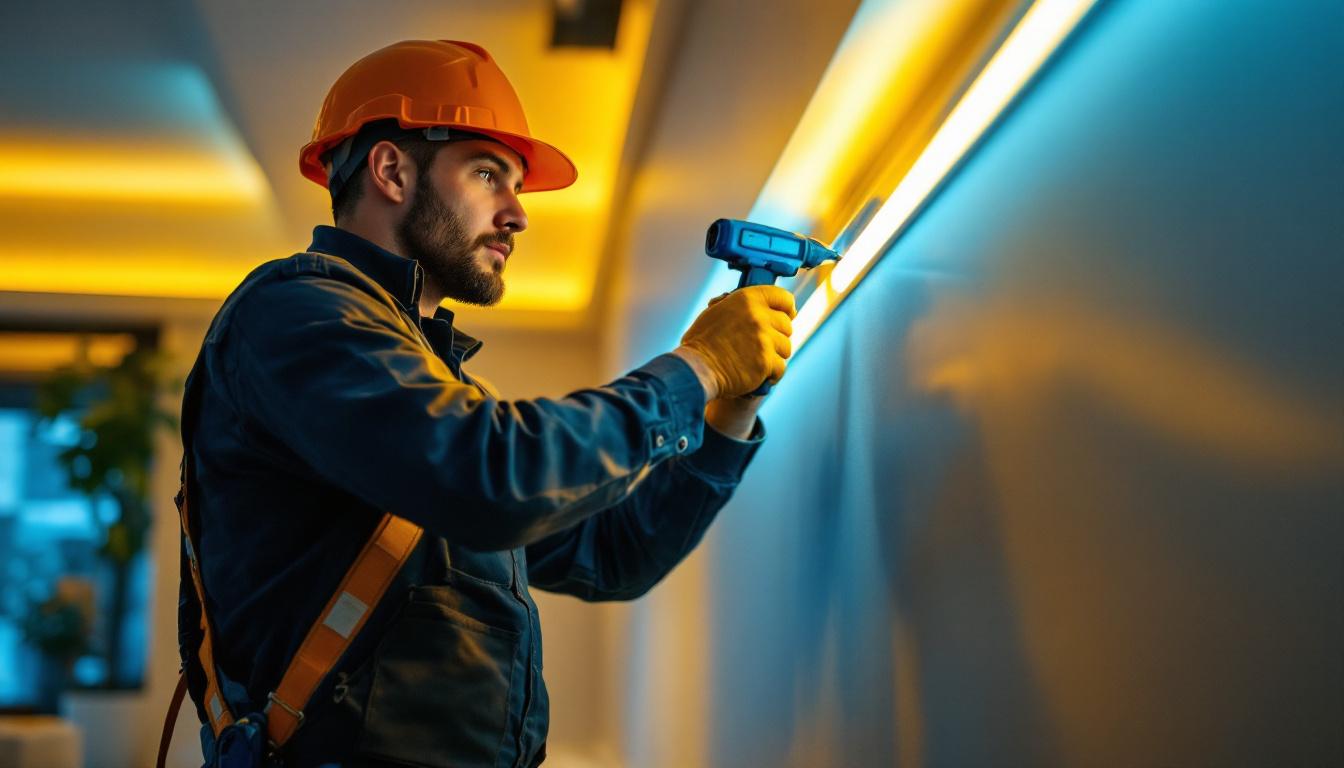
While the adhesive backing is convenient, relying solely on it can lead to issues, especially on vertical or overhead installations. Lighting contractors should incorporate mechanical supports such as mounting clips, channels, or brackets for added security. These supports not only enhance the longevity of the installation but also ensure that the lighting remains precisely positioned, providing optimal illumination where it is needed most. In environments with fluctuating temperatures or humidity levels, the integrity of the adhesive may be compromised, making mechanical supports even more critical.
Aluminum mounting channels serve multiple purposes. They provide a clean, professional look, improve heat dissipation, and protect the LED strip from damage. Channels with diffusers soften the light output, eliminating hotspots and creating a more uniform glow. These are particularly valuable in high-end residential or commercial projects where aesthetics matter. Moreover, the use of anodized aluminum can further enhance durability and resistance to corrosion, making it ideal for both indoor and outdoor applications. The choice of channel design, whether it’s a surface-mounted or recessed option, can also dramatically influence the overall ambiance of a space, allowing designers to play with light and shadow effectively.
For curved or irregular surfaces, flexible mounting options like silicone channels or custom brackets may be necessary. Additionally, double-sided industrial tape designed for outdoor use can supplement the strip’s adhesive. In areas prone to vibration or movement, securing strips with clips or screws prevents detachment over time. It’s also beneficial to consider the use of adjustable mounting brackets, which allow for fine-tuning of the light direction after installation. This adaptability can be particularly advantageous in settings such as galleries or retail spaces, where lighting angles may need to be altered to highlight specific features or products. Furthermore, the integration of smart mounting solutions, which can accommodate future upgrades or changes in lighting technology, can provide an added layer of flexibility for evolving design needs.
Power and Wiring Considerations
Proper power supply and wiring are essential for both performance and safety. LED strips are sensitive to voltage drop, which can cause uneven brightness or color shifts along the length of the strip. Lighting contractors should calculate the total wattage and length of the strip to select a power supply with adequate capacity.
Running power feeds at multiple points along long runs helps maintain consistent brightness. For example, feeding power at both ends or every 5 meters can reduce voltage drop issues. Use appropriately gauged wire to handle the current load, and avoid daisy-chaining multiple strips beyond the manufacturer’s recommendations.
When mounting LED strips in commercial or industrial settings, adherence to electrical codes is non-negotiable. Ensure all wiring is properly insulated, connections are secure, and any exposed wiring is protected with conduit or raceways. Grounding and surge protection should also be considered, especially in outdoor or high-risk environments.
Heat Management for Longevity
LEDs generate heat during operation, and excessive heat can shorten their lifespan or cause color degradation. One of the biggest mistakes contractors make is neglecting heat dissipation, particularly when mounting strips inside enclosed spaces or on heat-sensitive materials.
Aluminum mounting channels not only provide a neat appearance but act as heat sinks, drawing heat away from the LEDs. This simple addition can significantly extend the life of the installation. Avoid mounting strips directly onto wood or plastic surfaces without a thermal barrier, as these materials trap heat.
In high-output installations, consider active cooling solutions or spacing strips to allow airflow. Monitoring the operating temperature during commissioning can identify potential heat issues before they become costly problems.
Ensuring Water and Dust Resistance
Outdoor and wet location installations demand special attention to sealing and protection. Even IP-rated strips can fail prematurely if connectors, power supplies, or wiring are not adequately protected.
Use silicone end caps and waterproof connectors to seal cut ends and connection points. Applying a bead of silicone sealant around these areas adds an extra layer of protection. Ensure that power supplies and controllers are housed in weatherproof enclosures rated for the environment.
Regular maintenance checks are advisable for outdoor installations. Inspect seals and connections for signs of wear, moisture ingress, or corrosion. Early detection of issues can prevent larger failures and downtime.
Cutting and Joining LED Strips Safely
LED strips are designed to be cut at specific intervals, usually marked on the strip itself. Lighting contractors must follow these guidelines carefully to avoid damaging the circuitry.
After cutting, proper termination is essential. Use manufacturer-approved connectors or solder wires securely to the copper pads. Insulate all connections with heat shrink tubing or electrical tape to prevent shorts. Avoid twisting or bending strips sharply near cut points, as this can break internal circuits.
For complex layouts, plan the strip lengths and connections in advance. This reduces waste and ensures a clean, professional finish. When possible, test each segment before final mounting to verify functionality.
Final Testing and Quality Assurance
Once the LED strips are mounted and wired, thorough testing is critical. Check for uniform brightness, correct color temperature, and proper operation of dimmers or controllers. Look for any flickering or dead sections that might indicate faulty connections or damaged strips.
Documenting the installation with photos and notes is good practice, especially for commercial projects. This record helps with future maintenance and client communication. Providing clients with basic care instructions, such as avoiding excessive moisture or physical damage, can extend the life of the installation.
Incorporating a warranty or service plan can also enhance client satisfaction and build trust. Lighting contractors who stand behind their work demonstrate professionalism and commitment to quality.
Conclusion: Mastering LED Strip Mounting
Successful LED strip installations combine careful product selection, meticulous surface preparation, secure mounting, and proper electrical practices. Attention to heat management and environmental protection further ensures durability and performance.
Lighting contractors who apply these key tips will deliver installations that not only look great but stand the test of time. The details matter-from cleaning the surface to sealing connectors-and mastering these will set professionals apart in a competitive market.
Get Your Premium Lighting Supplies at LumenWholesale
Ready to elevate your lighting installations with the highest quality products? LumenWholesale is your go-to source for spec-grade lighting essentials that will make every project shine. Benefit from our unbeatable wholesale prices and extensive selection that meets rigorous industry standards. Say goodbye to middleman markups and hello to reliable, high-performance lighting with the convenience of free shipping on bulk orders. Don’t compromise on quality or value—visit LumenWholesale today and discover the ideal fusion of quality, affordability, and convenience for all your lighting needs.