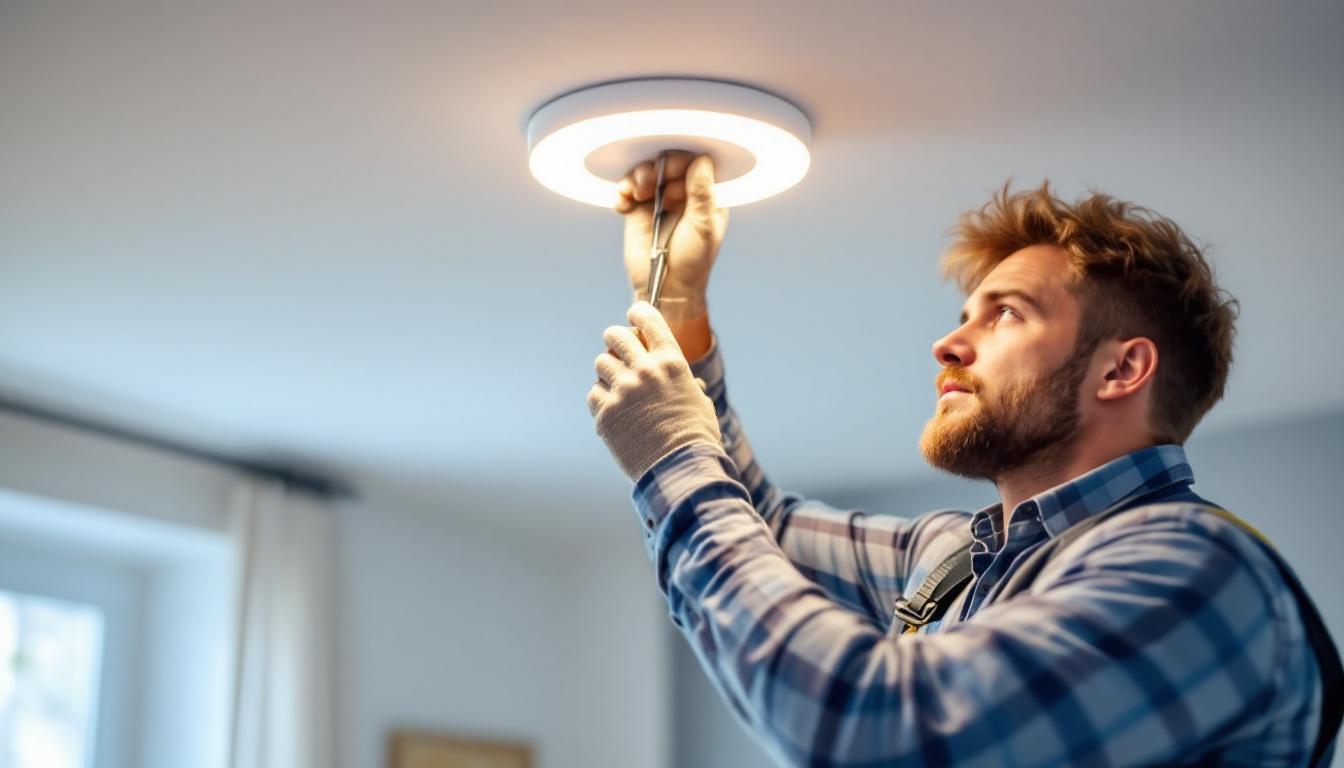
Understanding 2 Ft Shop Lights: An Overview for Lighting Contractors
In the world of commercial and industrial lighting, 2 ft shop lights have become a staple due to their compact size, versatility, and efficiency. These fixtures are commonly used in workshops, garages, warehouses, and retail spaces where bright, focused lighting is essential. For lighting contractors, understanding the technical specifications and compliance requirements of these fixtures is crucial to delivering safe, effective, and code-compliant installations.
2 ft shop lights typically refer to linear lighting fixtures that measure approximately two feet in length. They are often LED-based, replacing older fluorescent tube fixtures, and offer benefits such as lower energy consumption, longer lifespan, and reduced maintenance costs. However, the transition to LED technology has brought new compliance considerations that contractors must be familiar with.
When selecting 2 ft shop lights, contractors should also consider the color temperature of the LEDs, which can significantly impact the ambiance and functionality of the space. For instance, a cooler color temperature (around 5000K) is often preferred in work environments where precision and visibility are paramount, as it mimics daylight and enhances visibility. On the other hand, warmer temperatures (around 3000K) can create a more inviting atmosphere in retail settings, encouraging customers to linger and explore. Additionally, the lumen output is a critical factor; higher lumens provide brighter lighting, which is essential for tasks that require attention to detail, while lower lumens may suffice for general ambient lighting in less demanding areas.
Moreover, the installation of 2 ft shop lights can vary based on the specific needs of the space and the layout of the area being illuminated. For example, in a warehouse setting, spacing fixtures appropriately can prevent shadows and ensure an even distribution of light, which is vital for safety and productivity. Furthermore, many modern 2 ft shop lights come with advanced features such as dimming capabilities, motion sensors, and smart technology integration, allowing for greater control over energy usage and enhancing the overall efficiency of the lighting system. As lighting technology continues to evolve, staying informed about these advancements will empower contractors to offer tailored solutions that meet both regulatory standards and client expectations.
Key Compliance Standards for 2 Ft Shop Lights
National Electrical Code (NEC) Requirements
The National Electrical Code (NEC) sets the foundation for electrical safety in the United States, including lighting installations. For 2 ft shop lights, contractors must ensure that wiring methods, grounding, and fixture mounting comply with NEC guidelines. Proper installation prevents electrical hazards such as short circuits, shock risks, and fire.
One critical aspect is ensuring that fixtures are installed in accordance with the NEC’s rules on damp or wet locations if the shop light is used in environments like garages or outdoor covered areas. Additionally, the NEC mandates that lighting fixtures must be securely mounted and that wiring must be protected from physical damage. This includes using appropriate conduit and junction boxes to safeguard connections from moisture and mechanical impact, which is especially crucial in industrial settings where equipment may be moved frequently.
Furthermore, electricians should also be aware of the NEC’s requirements for circuit load calculations, ensuring that the total load does not exceed the capacity of the circuit. This is vital for preventing overloads that could lead to tripped breakers or even electrical fires. Regular inspections and maintenance of the lighting system can help identify potential issues early, ensuring ongoing compliance with NEC standards.
Energy Efficiency and Regulatory Compliance
Energy efficiency regulations, such as those enforced by the Department of Energy (DOE) and regional energy codes, have a significant impact on the selection and installation of 2 ft shop lights. Many jurisdictions require lighting products to meet minimum efficacy standards, often measured in lumens per watt.
Lighting contractors should verify that the shop lights they install are ENERGY STAR® certified or meet equivalent efficiency standards. This not only ensures compliance but also helps clients reduce operational costs through lower energy consumption. Moreover, some utility companies offer rebates for installing high-efficiency lighting, which can be an added selling point during project proposals. Understanding the local energy incentives can provide clients with significant savings, making the investment in energy-efficient lighting even more appealing.
Additionally, as technology continues to evolve, contractors should stay informed about advancements in smart lighting systems that offer features such as dimming, occupancy sensors, and remote control capabilities. These innovations not only enhance energy efficiency but also provide users with greater control over their lighting environments, further contributing to energy savings and user satisfaction.
Safety and Environmental Standards
Besides electrical and energy codes, 2 ft shop lights must comply with safety standards established by organizations such as Underwriters Laboratories (UL) and the International Electrotechnical Commission (IEC). UL listing indicates that the fixture has undergone rigorous testing for electrical safety and fire resistance.
Environmental considerations, including restrictions on hazardous substances like mercury (common in fluorescent lamps), are increasingly important. LED shop lights generally have an advantage here, as they do not contain mercury and are more environmentally friendly. Contractors should be aware of local regulations regarding disposal and recycling of old fixtures to maintain compliance and promote sustainability. This includes understanding the proper channels for recycling electronic waste and ensuring that clients are informed about the environmental impact of their lighting choices.
Moreover, the use of sustainable materials in the manufacturing of lighting fixtures is gaining traction. Many manufacturers are now focusing on creating products that not only meet safety and efficiency standards but also minimize their carbon footprint throughout the production process. By choosing products from manufacturers that prioritize sustainability, contractors can further align their projects with eco-friendly practices, appealing to environmentally conscious clients and contributing to a greener future.
Installation Best Practices for Compliance and Performance
Site Assessment and Fixture Selection
Before installation, a thorough site assessment is essential. Lighting contractors should evaluate the space’s dimensions, ceiling height, ambient lighting, and intended use to determine the optimal number and placement of 2 ft shop lights. Proper spacing ensures uniform illumination, reduces shadows, and enhances safety and productivity.
Choosing the right fixture involves considering factors such as lumen output, color temperature, beam angle, and dimming capabilities. For example, a cooler color temperature (4000K to 5000K) is often preferred in workshops for better visibility, while warmer tones may be suitable for retail environments.
Wiring and Mounting Techniques
Compliance with electrical codes begins with proper wiring. Contractors must use appropriate gauge wiring and conduit, secure connections with approved connectors, and ensure that circuits are correctly rated for the load. Ground fault circuit interrupters (GFCIs) may be required in certain locations to enhance safety.
Mounting the fixtures securely is equally important. Many 2 ft shop lights come with mounting brackets or chains for suspension. The mounting method should prevent vibration and movement, which can degrade the fixture over time. Additionally, fixtures installed in damp or dusty environments should have appropriate IP ratings to prevent ingress of moisture or particles.
Testing and Documentation
After installation, testing is critical to verify that the lighting system functions correctly and safely. Contractors should check for proper operation, absence of flicker, and correct voltage levels. Using a light meter to measure illumination levels can confirm that the installation meets design specifications and code requirements.
Documentation is a vital part of compliance. Keeping records of product specifications, installation procedures, and test results can protect contractors in case of inspections or warranty claims. It also provides valuable information for future maintenance or upgrades.
Common Compliance Challenges and How to Overcome Them
Dealing with Outdated Infrastructure
Many commercial and industrial spaces still have outdated electrical infrastructure that may not support modern LED shop lights without upgrades. Contractors often face challenges such as insufficient circuit capacity, lack of grounding, or incompatible wiring methods.
Addressing these issues may require coordination with electricians or facility managers to upgrade panels, install new circuits, or retrofit existing wiring. While this can increase project costs and timelines, it is essential for ensuring safety and compliance.
Balancing Energy Codes with Client Expectations
Energy codes are becoming increasingly stringent, sometimes leading to conflicts with client preferences for lighting aesthetics or brightness. Contractors must balance these demands by educating clients about the benefits of compliant fixtures, including long-term cost savings and improved lighting quality.
Offering options such as tunable white LEDs or dimmable fixtures can help meet aesthetic goals while maintaining compliance. Staying informed about the latest lighting technologies and code updates enables contractors to provide innovative solutions.
Navigating Regional Variations in Codes
Lighting codes and standards can vary significantly between states and municipalities. Contractors working across multiple regions must stay current with local amendments to the NEC, energy codes, and safety regulations. Failure to comply with local codes can result in costly rework or penalties.
Utilizing resources such as local building departments, code consultants, and industry associations can help contractors navigate these variations effectively. Incorporating code research into project planning reduces risks and ensures smooth inspections.
Future Trends Impacting 2 Ft Shop Light Compliance
Integration with Smart Lighting Systems
The rise of smart lighting technologies is transforming how 2 ft shop lights are specified and installed. Integration with sensors, wireless controls, and building management systems can enhance energy savings and operational flexibility.
Compliance considerations now extend to communication protocols, cybersecurity, and interoperability standards. Lighting contractors need to familiarize themselves with these emerging requirements to remain competitive and deliver future-proof solutions.
Stricter Environmental Regulations
Environmental regulations continue to evolve, emphasizing sustainability and reducing carbon footprints. This trend is driving demand for lighting products with lower embodied energy, recyclable materials, and minimal hazardous substances.
Contractors should prioritize fixtures with transparent environmental product declarations (EPDs) and certifications such as Cradle to Cradle. Staying ahead of these trends not only ensures compliance but also aligns with client sustainability goals.
Enhanced Focus on Human-Centric Lighting
Human-centric lighting, which considers the effects of light on health and well-being, is gaining traction in commercial settings. This approach influences fixture design, color rendering, and dynamic lighting controls.
While not yet universally mandated, human-centric lighting principles are likely to be incorporated into future codes and standards. Contractors who understand these concepts can advise clients on lighting designs that improve occupant comfort and productivity.
Conclusion: Ensuring Compliance and Excellence in 2 Ft Shop Light Installations
For lighting contractors, mastery of compliance requirements related to 2 ft shop lights is essential for successful project execution. From understanding electrical codes and energy efficiency standards to navigating installation challenges and anticipating future trends, contractors play a pivotal role in delivering safe, efficient, and high-quality lighting solutions.
By staying informed, adopting best practices, and engaging proactively with clients and regulatory bodies, lighting contractors can ensure that their 2 ft shop light installations not only meet current compliance standards but also contribute to sustainable and innovative lighting environments.
Get Your Spec-Grade 2 Ft Shop Lights at LumenWholesale
Ready to elevate your lighting projects with compliance-assured, high-quality 2 ft shop lights? Look no further than LumenWholesale, where we provide contractors with exceptional, spec-grade lighting products at unbeatable wholesale prices. Our extensive selection is designed to meet the highest industry standards, ensuring you deliver safe, efficient, and superior lighting solutions every time. Plus, with the convenience of bulk buying and free shipping, you can secure premium lighting at the best value — all without hidden fees or compromises. Don’t miss out on the perfect blend of quality, affordability, and convenience. Visit LumenWholesale today for Wholesale Lighting at the Best Value, and make your next installation a shining success.