Understanding the Shift to LED Strip Lighting
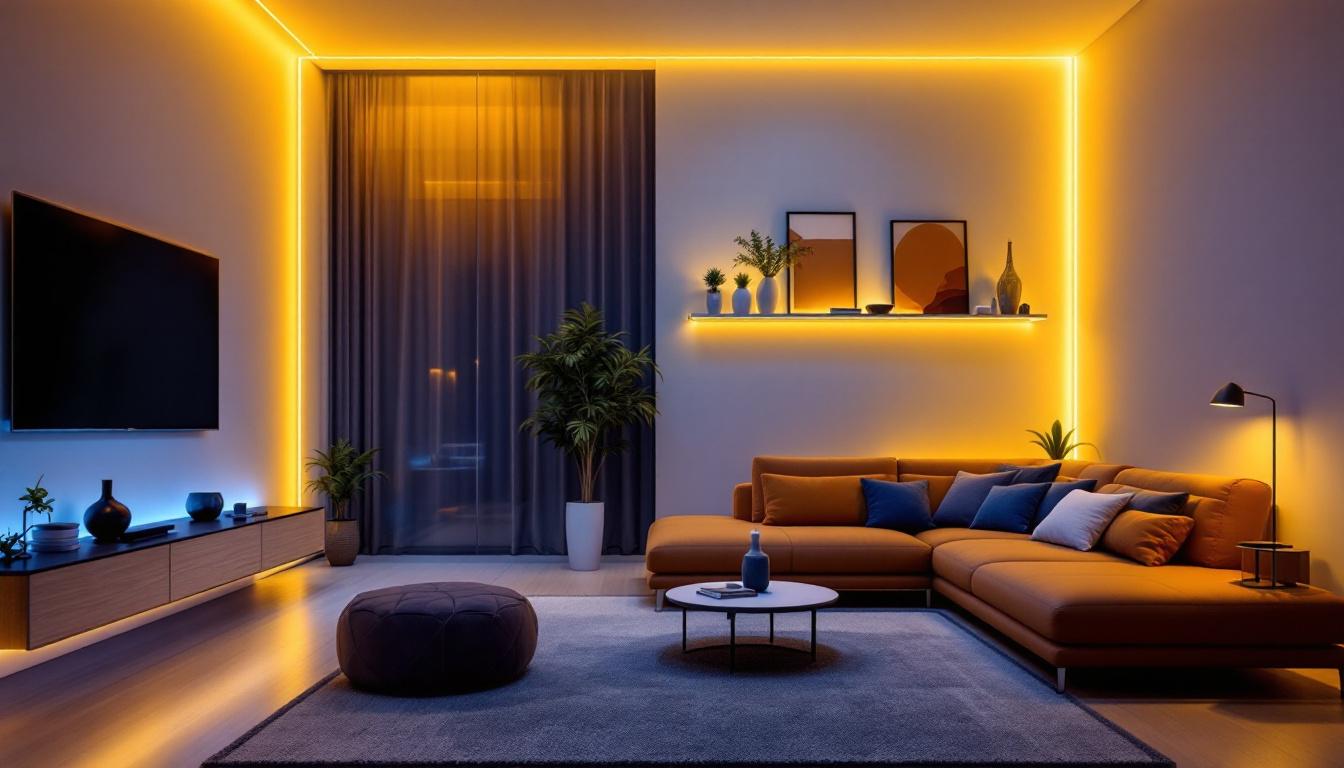
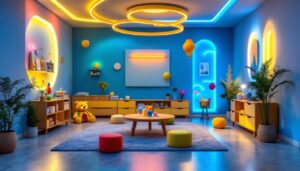
LED strip lighting has transformed the way lighting contractors approach both residential and commercial projects. Unlike traditional fixtures, these flexible strips offer unparalleled versatility, energy efficiency, and design freedom. The appeal lies not just in their slim form factor but also in their ability to adapt to various environments—from accentuating architectural features to providing functional illumination in tight spaces. The adaptability of LED strips allows for creative applications, such as under-cabinet lighting in kitchens, cove lighting in living rooms, or even dynamic color-changing options for entertainment areas, enhancing the overall ambiance and functionality of a space.
Adopting LED strip lighting is no longer a trend; it’s a strategic move towards future-proofing lighting installations. As building codes tighten and energy standards evolve, LED strips provide a reliable solution that meets and often exceeds these requirements. Contractors who understand the nuances of LED technology can offer clients solutions that remain relevant and efficient for years to come. Moreover, with advancements in smart technology, LED strip lights can now be integrated into home automation systems, allowing users to control brightness and color via smartphones or voice commands, further elevating the user experience and convenience.
Additionally, the longevity of LED strip lighting significantly reduces maintenance costs, as they typically last up to 50,000 hours compared to traditional incandescent bulbs, which may only last around 1,000 hours. This durability not only minimizes the frequency of replacements but also contributes to less environmental waste. Furthermore, many manufacturers are now producing LED strips that are dimmable and compatible with various control systems, giving designers and contractors even more tools to create tailored lighting solutions that suit specific client needs and preferences.
Key Features That Make LED Strips Future-Proof
Energy Efficiency and Longevity
One of the most compelling reasons to choose LED strips is their exceptional energy efficiency. Compared to incandescent or fluorescent lighting, LED strips consume significantly less power while delivering the same or better light output. This translates to lower operating costs and reduced environmental impact-both critical selling points for clients.
Longevity is equally important. High-quality LED strips can last upwards of 50,000 hours, drastically reducing maintenance and replacement expenses. For contractors, this means fewer callbacks and enhanced client satisfaction. When specifying LED strips, it’s essential to consider the quality of the diodes and the thermal management system, as these factors heavily influence lifespan.
Smart Control Integration
Future-proof lighting isn’t just about hardware; it’s about how lighting interacts with the environment and users. LED strips that support smart controls-such as dimming, color tuning, and remote management-offer a significant advantage. Integrating with building automation systems or standalone smart hubs allows for dynamic lighting scenes, energy savings through occupancy sensing, and even integration with voice assistants.
For contractors, recommending LED strips compatible with popular control protocols like Zigbee, Z-Wave, or Wi-Fi can position them as forward-thinking professionals. Clients increasingly expect lighting to be part of an interconnected ecosystem, and smart LED strips deliver on that expectation.
Color Quality and Tunability
Color rendering index (CRI) and color temperature flexibility are critical when selecting LED strips. High CRI LEDs ensure that colors appear natural and vibrant, which is especially important in retail, hospitality, and residential settings. Tunable white LED strips allow users to adjust color temperature from warm to cool white, adapting lighting to different times of day or specific tasks.
Offering LED strips with these features enables contractors to meet diverse client needs while future-proofing the installation. As preferences and standards evolve, tunable lighting ensures that spaces remain comfortable and visually appealing without costly rewiring or fixture replacement.
Design Considerations for Long-Term Success
Planning for Flexibility and Expansion
Lighting projects often evolve after installation. Clients may want to expand lighting zones, add new control features, or modify aesthetics. Designing with modular LED strips and accessible wiring pathways allows for these changes without major disruption.
Contractors should consider using LED strips with standardized connectors and compatible power supplies. This approach simplifies future upgrades and repairs. Additionally, leaving extra capacity in power supplies and control systems prevents bottlenecks as the system grows.
Thermal Management and Installation Best Practices
Heat is the enemy of LED longevity. Proper thermal management ensures that LED strips perform consistently over time. Using aluminum channels or heat sinks during installation helps dissipate heat effectively. Avoiding installation in enclosed spaces without ventilation is also crucial.
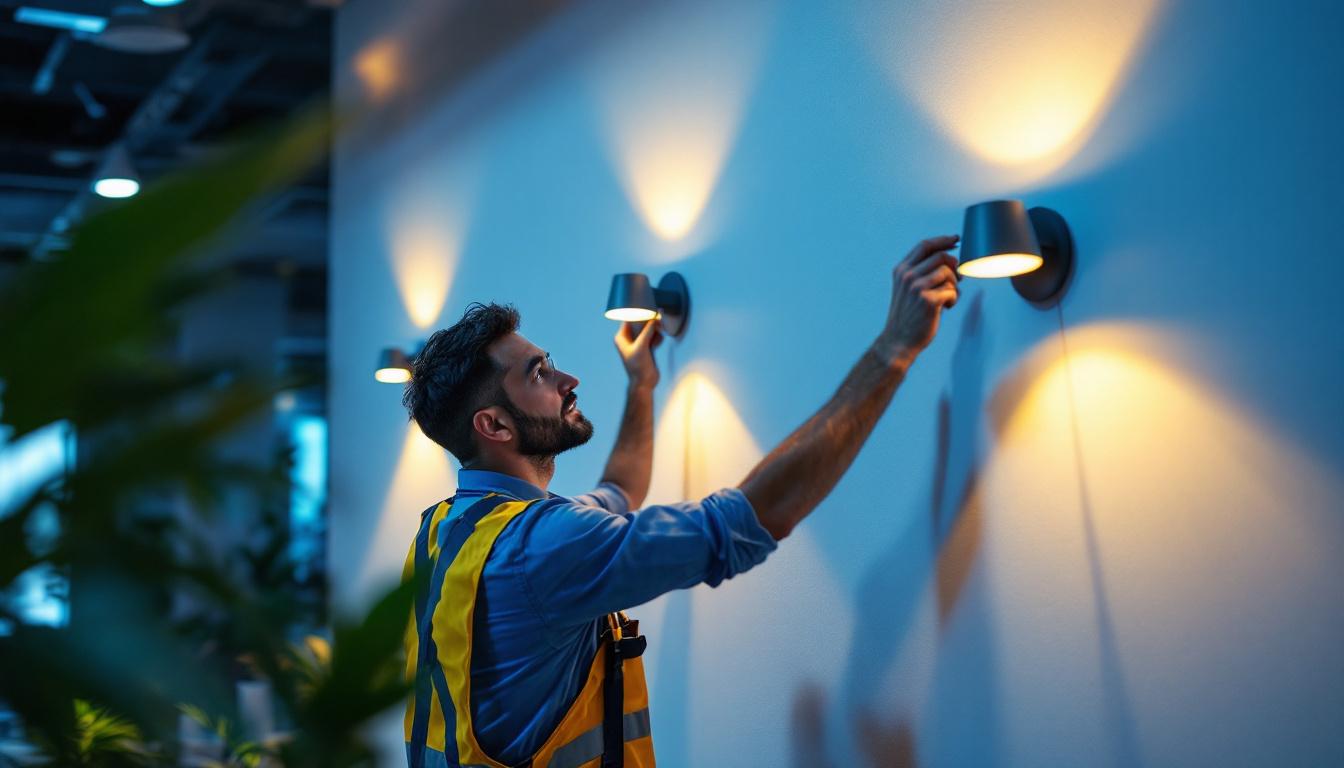
Attention to installation details-such as clean surfaces for adhesive backing, secure mounting, and protection from moisture-can dramatically affect the lifespan and appearance of LED strips. Contractors who master these practices deliver installations that stand the test of time.
Compliance with Codes and Standards
Building codes and lighting standards are continually updated to improve safety and efficiency. Staying current with these regulations is essential for contractors to avoid costly rework and liability issues. LED strips must meet certifications such as UL listing, RoHS compliance, and relevant energy codes.
Understanding local requirements for emergency lighting, dimming protocols, and power consumption helps contractors specify products that are not only compliant but also optimized for the project’s unique demands.
Choosing the Right LED Strip Products
Evaluating Quality and Manufacturer Support
Not all LED strips are created equal. Quality varies widely across manufacturers, affecting performance, durability, and warranty support. Contractors should prioritize products from reputable suppliers who provide detailed specifications, test data, and reliable customer service.
Warranty terms are a critical factor. A robust warranty reflects confidence in the product’s longevity and performance. Additionally, suppliers who offer technical support and training can be invaluable partners in complex projects.
Power Supply and Driver Selection
LED strips require compatible power supplies and drivers to function optimally. Selecting the right power supply involves matching voltage, current, and wattage requirements while considering efficiency and dimming compatibility. Overloading or underpowering LED strips can lead to premature failure or inconsistent light output.
Contractors should also consider power supply placement for ease of maintenance and heat dissipation. Choosing modular or scalable power supplies can simplify future expansions or modifications.
Environmental and Application-Specific Products
Different environments demand different LED strip specifications. For example, outdoor installations require waterproof and UV-resistant strips, while commercial kitchens may need strips rated for high humidity and grease resistance.
Understanding the application environment ensures that the selected LED strips maintain performance and safety over time. Contractors should verify IP ratings and material durability when specifying products for specialized settings.
Installation Techniques That Enhance Durability
Surface Preparation and Mounting Methods
Proper surface preparation is fundamental. Surfaces must be clean, dry, and smooth to ensure strong adhesion of LED strips. In some cases, mechanical fasteners or mounting channels provide additional security, especially in high-traffic or vibration-prone areas.
Using aluminum profiles not only improves heat dissipation but also creates a polished, professional look. These profiles can include diffusers that soften light output and reduce glare, enhancing the overall lighting quality.
Wiring and Connection Best Practices
Secure and organized wiring reduces the risk of shorts, voltage drops, and maintenance headaches. Using high-quality connectors and ensuring proper polarity is essential. Labeling wiring and documenting the installation layout simplifies future troubleshooting and upgrades.
Where possible, contractors should avoid excessive soldering and instead use manufacturer-approved connectors. This approach speeds installation and reduces the likelihood of connection failures.
Testing and Commissioning
Comprehensive testing before project handover ensures that all LED strips function correctly and integrate seamlessly with control systems. Testing includes verifying brightness levels, color accuracy, dimming performance, and control responsiveness.
Documenting test results and providing clients with operational guidance adds value and builds trust. It also helps identify potential issues early, preventing costly callbacks.
Emerging Trends and Technologies to Watch
Advancements in LED Chip Technology
Ongoing improvements in LED chip efficiency and color quality continue to push the boundaries of what LED strips can achieve. Emerging technologies promise even higher lumen output per watt and enhanced color rendering, allowing contractors to deliver brighter, more natural lighting with less energy.
Keeping abreast of these advancements enables contractors to recommend cutting-edge solutions that extend the life and relevance of their installations.
Integration with IoT and Building Management Systems
The rise of the Internet of Things (IoT) is reshaping lighting control. LED strips that communicate over standardized protocols can be integrated into comprehensive building management systems, enabling real-time monitoring, predictive maintenance, and adaptive lighting strategies.
Contractors who embrace IoT-compatible LED strips position themselves as leaders in smart building solutions, opening doors to new business opportunities.
Sustainability and Circular Economy Considerations
Clients increasingly demand environmentally responsible lighting solutions. LED strips designed for easy disassembly, recycling, and minimal environmental impact align with circular economy principles. Selecting products with transparent supply chains and eco-friendly materials can differentiate contractors in a competitive market.
Future-proofing lighting projects means not only focusing on performance but also on sustainability, ensuring installations contribute positively to broader environmental goals.
Conclusion: Building Lighting Projects That Stand the Test of Time
LED strip lighting offers an exceptional combination of flexibility, efficiency, and control that can future-proof any lighting project. For contractors, understanding the technical details, installation best practices, and emerging trends is crucial to delivering installations that meet client expectations today and adapt to tomorrow’s demands.
By prioritizing quality, compatibility, and sustainability, lighting professionals can create solutions that reduce operational costs, enhance user experience, and maintain compliance with evolving standards. The future of lighting is bright-and LED strips are at the forefront of that illumination revolution.
Illuminate Your Projects with LumenWholesale
Ready to elevate your lighting projects with the efficiency, control, and quality of LED strip lighting? LumenWholesale is here to support your vision. Our spec-grade lighting products set the standard for excellence, offering you the best value in wholesale lighting. Say goodbye to inflated markups and hello to a vast selection of premium lighting solutions that meet the highest industry standards. With free shipping on bulk orders, you can trust that you’re getting the most cost-effective and high-quality lighting options available. Don’t compromise on your lighting needs—Wholesale Lighting at the Best Value is just a click away.