Understanding Panel Lights and Their Applications
Panel lights have become a cornerstone in modern lighting solutions, especially in commercial and residential projects. For lighting contractors, mastering the installation and integration of panel lights on walls is essential to meet client expectations and industry standards. These fixtures are known for their sleek design, energy efficiency, and ability to provide uniform illumination, making them ideal for a variety of settings including offices, hospitals, schools, and retail spaces.
Unlike traditional bulky lighting fixtures, panel lights offer a slim profile and can be mounted flush against walls or ceilings, creating a seamless aesthetic. Their versatility extends beyond mere illumination; they contribute to the ambiance and can even influence productivity and mood in work environments. Understanding the technical specifications, installation requirements, and design considerations is crucial for contractors aiming to deliver high-quality lighting solutions.
Key Features of Panel Lights
Panel lights typically utilize LED technology, which offers significant advantages such as low energy consumption, long lifespan, and minimal heat emission. They come in various sizes, shapes (square or rectangular), and color temperatures, allowing customization based on the project’s needs. Additionally, many panel lights support dimming capabilities and can be integrated with smart lighting controls, enhancing their functionality.
For lighting contractors, being familiar with these features helps in advising clients on the best options and ensuring compatibility with existing electrical systems. Moreover, understanding the lumen output and color rendering index (CRI) of panel lights allows for precise lighting design that meets both aesthetic and functional requirements.
In addition to their technical specifications, panel lights are increasingly being recognized for their role in sustainable design. As businesses and homeowners alike become more conscious of their environmental footprint, the energy efficiency of LED panel lights makes them an attractive choice. Many manufacturers are now producing panel lights that are not only energy-efficient but also made from recyclable materials, further enhancing their appeal in eco-friendly projects. Furthermore, the longevity of LED technology means that replacements are less frequent, reducing waste and maintenance costs over time.
Another significant aspect of panel lights is their adaptability to various dimming and control systems, which can be particularly beneficial in multi-functional spaces. For instance, in a conference room, panel lights can be dimmed during presentations or adjusted to create a more relaxed atmosphere during breaks. This level of control allows for greater flexibility in how spaces are used, ultimately leading to improved user experiences and satisfaction. As the demand for smart building solutions continues to rise, the integration of panel lights with IoT devices will likely become a standard practice, paving the way for even more innovative lighting applications.
Proven Installation Techniques for Panel Lights on Walls
Proper installation is critical to the performance and longevity of panel lights. Lighting contractors must adhere to industry best practices to avoid common pitfalls such as uneven lighting, electrical hazards, or fixture damage. Below are proven methods that ensure efficient and safe installation.
Surface Mounting vs. Recessed Mounting
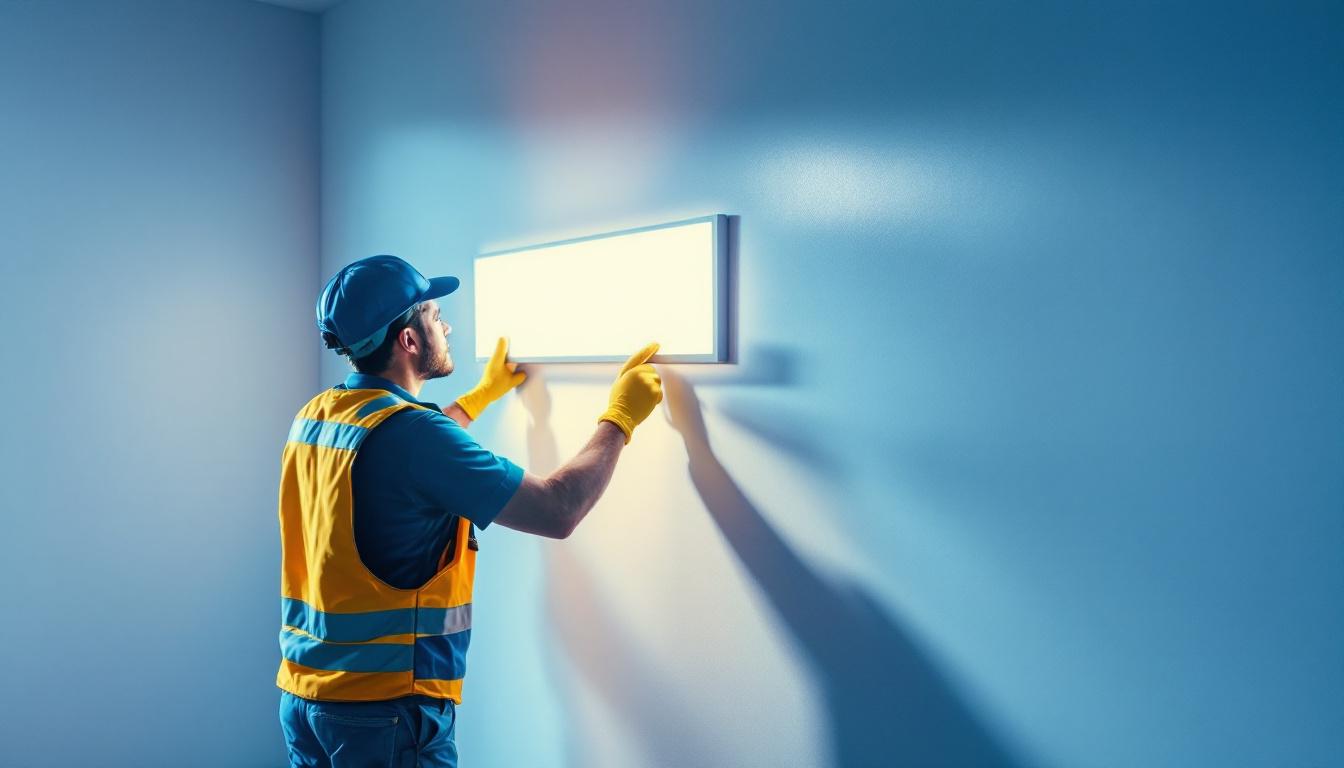
Panel lights can be installed either as surface-mounted fixtures or recessed into the wall. Surface mounting is often preferred in retrofit projects or where wall construction does not allow for recessing. This method involves attaching the panel light directly onto the wall surface using brackets or mounting frames, which is generally quicker and less invasive.
Recessed mounting, on the other hand, provides a cleaner look by embedding the panel light flush with the wall surface. This requires precise cutting and preparation of the wall cavity, making it more suitable for new constructions or major renovations. Lighting contractors must assess the structural conditions and client preferences before recommending the mounting method. Furthermore, the choice between surface and recessed mounting can significantly impact the room’s aesthetic; recessed lights often create a modern, streamlined appearance, while surface-mounted options can serve as decorative elements in their own right, depending on the design and finish.
Electrical Wiring and Safety Considerations
Ensuring electrical safety is paramount. Contractors should verify that the power supply is compatible with the panel light’s voltage and wattage requirements. Using appropriate wiring materials and connectors, following local electrical codes, and incorporating protective devices such as circuit breakers and surge protectors are essential steps.
Additionally, it is advisable to test the circuit and fixture before finalizing the installation. Proper grounding and insulation prevent electrical faults and reduce the risk of fire hazards. Lighting contractors should also educate clients on maintenance procedures to prolong the fixture’s lifespan. Regular checks for loose connections and signs of wear can help catch potential issues early, ensuring that the lighting remains safe and effective over time. Moreover, contractors might consider recommending energy-efficient options that not only reduce electricity costs but also contribute to a more sustainable environment, aligning with modern energy standards.
Achieving Uniform Light Distribution
One of the advantages of panel lights is their ability to provide even illumination. However, improper installation can lead to shadows or hotspots. To avoid this, contractors should carefully plan the placement and spacing of panel lights on the wall.
Using lighting design software or photometric analysis tools can assist in determining the optimal layout. Factors such as room dimensions, wall color, and the presence of reflective surfaces influence light distribution. By considering these variables, contractors can create a balanced lighting environment that enhances visibility and comfort. Additionally, the choice of color temperature can further affect the ambiance of a space; warmer tones can create a cozy atmosphere, while cooler tones are often preferred in workspaces for their clarity and focus. Contractors should also take into account the specific activities that will take place in the room, as this can guide decisions on brightness levels and light placement to ensure that the lighting serves its intended purpose effectively.
Design Considerations and Client Communication
Beyond technical installation, lighting contractors play a vital role in guiding clients through design choices. Effective communication ensures that the lighting solution aligns with the client’s vision and functional needs. This relationship is built on trust and understanding, as contractors must not only translate technical specifications into layman’s terms but also actively listen to the client’s desires and concerns. A collaborative approach fosters a sense of partnership, allowing clients to feel confident in the decisions being made regarding their space.
Color Temperature and Ambiance
Panel lights are available in a range of color temperatures, typically measured in Kelvins (K). Warm white (2700K–3000K) creates a cozy and inviting atmosphere, ideal for residential or hospitality settings. Neutral white (3500K–4100K) is suitable for retail or educational spaces, promoting alertness without harshness. Cool white (5000K–6500K) mimics daylight and is often used in offices or healthcare facilities to enhance concentration. Understanding the psychological effects of color temperature can further aid contractors in making informed recommendations, as different hues can influence mood and productivity levels significantly.
Contractors should discuss these options with clients, possibly providing samples or demonstrations, to help them select the most appropriate ambiance for their space. Additionally, offering insights into how different color temperatures can complement various design elements, such as wall colors or furniture styles, can enhance the overall aesthetic appeal and functionality of the environment.
Integration with Smart Controls
The rise of smart building technologies has transformed lighting design. Panel lights that support dimming, color tuning, and occupancy sensors offer clients greater control and energy savings. Lighting contractors should be knowledgeable about compatible control systems and their installation requirements. This knowledge not only empowers contractors to provide tailored solutions but also positions them as experts in an increasingly tech-driven industry.
Recommending smart lighting solutions can differentiate a contractor’s services and add value to the project. It also enables clients to adapt lighting conditions dynamically, improving comfort and reducing operational costs. Moreover, educating clients on the long-term benefits of smart lighting—such as automated schedules and remote access—can enhance their overall satisfaction and encourage them to invest in more advanced systems.
Compliance with Standards and Regulations
Adhering to lighting standards and building codes is non-negotiable. These regulations ensure safety, energy efficiency, and accessibility. Contractors must stay updated on relevant guidelines such as those from the Illuminating Engineering Society (IES) or local authorities. This commitment to compliance not only protects the contractor but also instills confidence in clients, knowing their project meets industry standards.
Proper documentation and certification during installation not only safeguard the contractor legally but also reassure clients of the quality and reliability of the work performed. Additionally, contractors should consider providing clients with maintenance guidelines and recommendations for future upgrades, ensuring that the lighting system remains compliant and efficient over time. This proactive approach can lead to long-lasting client relationships and potential referrals, as satisfied clients are likely to share their positive experiences with others.
Maintenance and Troubleshooting for Panel Lights
Long-term performance of panel lights depends on regular maintenance and prompt troubleshooting. Lighting contractors should provide clients with clear instructions and support to maximize fixture lifespan.
Routine Cleaning and Inspection
Dust and dirt accumulation can diminish light output and affect fixture aesthetics. Advising clients on safe cleaning methods, such as using a soft cloth and non-abrasive cleaners, helps maintain optimal performance. Periodic inspection for signs of wear, discoloration, or electrical issues is also recommended.
Common Issues and Solutions
Panel lights may occasionally experience flickering, dimming, or complete failure. These problems often stem from wiring faults, driver malfunctions, or incompatible dimmer switches. Lighting contractors should be prepared to diagnose these issues efficiently.
Keeping a stock of replacement drivers and compatible components facilitates quick repairs. Additionally, educating clients on the importance of using recommended accessories can prevent many common problems.
Conclusion: Elevating Lighting Projects with Panel Lights
For lighting contractors, panel lights wall installations present an opportunity to deliver modern, efficient, and aesthetically pleasing lighting solutions. By understanding the technical aspects, adhering to proven installation methods, and engaging clients in design decisions, contractors can ensure successful outcomes and client satisfaction.
Staying informed about the latest trends, technologies, and regulations further enhances a contractor’s expertise and competitiveness in the market. Ultimately, the thoughtful application of panel lights transforms spaces, improves energy efficiency, and elevates the overall lighting experience.
Get Your Panel Lights at LumenWholesale
Ready to elevate your lighting projects with the sleek and efficient panel lights? Look no further than LumenWholesale for all your lighting needs. We provide contractors with high-quality, spec-grade lighting products at unbeatable wholesale prices. By cutting out the middleman, we offer superior lighting solutions without the inflated markups, ensuring you get the best value for your investment. Our extensive selection meets the highest industry standards, so you can trust in the performance and reliability of your lighting. Plus, with free shipping on bulk orders, you can enjoy premium lighting at the best price — without any hidden fees. Make the smart choice for your next project and experience the perfect blend of quality, affordability, and convenience with Wholesale Lighting at the Best Value from LumenWholesale.