Understanding Type G Bulbs: Definition and Characteristics
Type G bulbs, often referred to as globe bulbs, are a distinctive category of lighting products widely used in both residential and commercial settings. The “G” in Type G stands for “globe,” which describes the bulb’s spherical shape. These bulbs typically feature a round, smooth glass envelope that provides an even distribution of light, making them ideal for applications where aesthetics and uniform illumination are crucial.
Lighting contractors frequently encounter Type G bulbs in decorative fixtures such as vanity lights, pendant lamps, and chandeliers. Their design not only enhances the fixture’s visual appeal but also contributes to a soft, ambient glow that reduces harsh shadows. The diameter of Type G bulbs is usually indicated by a number following the “G” designation—for example, G25 or G30—where the number represents the bulb’s diameter in eighths of an inch.
Key Features of Type G Bulbs
Type G bulbs come in various sizes and wattages, accommodating different lighting needs. Their globe shape allows for a 360-degree light spread, which is beneficial for illuminating vanity mirrors or open fixtures where the bulb is visible. Additionally, these bulbs are available in multiple base types, including the common E26 and E27 screw bases, ensuring compatibility with a wide range of sockets.
Another important characteristic is the variety of finishes available for Type G bulbs. Clear, frosted, and tinted options allow lighting contractors to tailor the light quality and ambiance to the client’s preferences. For instance, frosted Type G bulbs diffuse light softly, which is perfect for creating a cozy atmosphere in hospitality settings.
Moreover, Type G bulbs are increasingly available in energy-efficient LED versions, which not only reduce electricity consumption but also have a significantly longer lifespan compared to traditional incandescent options. This advancement in technology allows for sustainable lighting solutions without compromising on the aesthetic qualities that make Type G bulbs so popular. LED Type G bulbs can also offer adjustable color temperatures, providing the flexibility to shift from a warm, inviting glow to a cooler, more energizing light depending on the time of day or the mood desired.
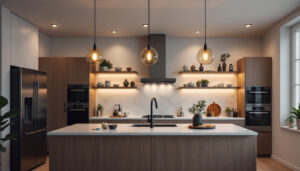
In addition to their functional benefits, Type G bulbs can also serve as a focal point in interior design. Their round shape and variety of finishes make them a versatile choice for both modern and vintage-inspired decor. For example, a cluster of G30 bulbs in a brass fixture can create a stunning statement piece over a dining table, while a single G25 bulb in a minimalist pendant can add a touch of elegance to a contemporary space. The interplay of light and shadow created by these bulbs can transform ordinary spaces into extraordinary environments, enhancing the overall aesthetic experience.
Applications and Advantages of Using Type G Bulbs
Type G bulbs are favored for their versatility and aesthetic appeal. Their globe shape makes them a popular choice for fixtures where the bulb is exposed, such as bathroom vanities and decorative pendants. The even light distribution helps eliminate shadows, which is particularly important in task lighting scenarios like makeup application or grooming.
From a contractor’s perspective, Type G bulbs offer several advantages. Their standard sizing and base compatibility simplify installation and replacement. Furthermore, the availability of energy-efficient LED versions of Type G bulbs means contractors can recommend solutions that reduce energy consumption without compromising on style or light quality.
Enhancing Design with Type G Bulbs
Lighting contractors often leverage the visual impact of Type G bulbs to enhance interior design. For example, using a series of G25 bulbs in a linear vanity fixture can create a glamorous, retro-inspired look reminiscent of classic Hollywood dressing rooms. In commercial environments such as restaurants or boutiques, tinted or colored Type G bulbs can add a unique ambiance that aligns with brand identity.
Moreover, because Type G bulbs are available in dimmable versions, they provide flexibility in controlling light levels to suit different moods and activities. This adaptability is a significant selling point for contractors advising clients on lighting schemes that need to balance functionality with atmosphere.
Best Practices for Lighting Contractors When Working with Type G Bulbs
For lighting contractors, understanding the nuances of Type G bulbs is essential to delivering high-quality installations and satisfying client expectations. Several best practices can help ensure optimal results when specifying, installing, and maintaining these bulbs.
Specifying the Right Type G Bulb
Choosing the correct size and base type is the first step in a successful installation. Contractors should carefully assess the fixture’s specifications and the intended use of the space. For example, a G30 bulb, which is larger than a G25, might be better suited for a spacious room or a statement fixture, while a smaller G16.5 could be appropriate for compact vanity lighting.
Additionally, selecting the appropriate color temperature is crucial. Type G bulbs are available in warm white, neutral white, and daylight options. Warm white (around 2700K to 3000K) is ideal for creating inviting, comfortable environments, whereas daylight bulbs (5000K and above) are better for task-oriented areas requiring bright, clear light.
Installation and Safety Considerations
Proper installation is vital to maximize the lifespan and performance of Type G bulbs. Contractors should ensure that the fixture’s wattage rating is not exceeded to prevent overheating. Using bulbs with the correct voltage and base type also reduces the risk of electrical issues.
When installing LED Type G bulbs, it’s important to verify compatibility with dimmer switches if dimming functionality is desired. Not all LED bulbs are dimmable, and using incompatible dimmers can cause flickering or damage. Lighting contractors should test the bulbs with the existing dimmer or recommend compatible dimming systems.
Maintenance and Client Education
Lighting contractors play a key role in educating clients about the maintenance of Type G bulbs. While LED versions have a long lifespan, traditional incandescent or halogen Type G bulbs require more frequent replacement. Advising clients on the benefits of upgrading to LED can lead to cost savings and reduced maintenance over time.
Clients should also be informed about cleaning practices. Because Type G bulbs are often exposed, dust and fingerprints can accumulate, affecting light quality. Using a soft cloth and ensuring the bulb is cool before cleaning will help maintain optimal illumination and bulb longevity.
Energy Efficiency and Technological Advances in Type G Bulbs
The lighting industry has seen significant advancements in energy-efficient technologies, and Type G bulbs are no exception. The shift from incandescent to LED technology has transformed the way lighting contractors approach globe bulb installations.
LED Type G Bulbs: Benefits and Considerations
LED Type G bulbs offer substantial energy savings compared to traditional incandescent bulbs, often using up to 80% less electricity. This reduction not only lowers utility costs but also aligns with increasing regulatory standards aimed at reducing energy consumption in buildings.
Beyond efficiency, LED Type G bulbs generate less heat, which enhances safety and reduces the cooling load in climate-controlled environments. Their longer lifespan—often exceeding 25,000 hours—means fewer replacements and less labor for contractors and clients alike.
Smart Lighting Integration
Another emerging trend is the integration of smart lighting technology with Type G bulbs. Many LED globe bulbs now come with compatibility for wireless control systems, allowing users to adjust brightness, color temperature, and even color hues via smartphone apps or voice assistants.
For lighting contractors, offering smart Type G bulbs can differentiate their services by providing clients with modern, customizable lighting solutions. This capability is especially valuable in commercial settings where dynamic lighting can enhance customer experience or support energy management strategies.
Common Challenges and Solutions When Working with Type G Bulbs
Despite their popularity, Type G bulbs present certain challenges that lighting contractors should anticipate and address proactively.
Fitting and Fixture Compatibility
One common issue is ensuring that the bulb fits properly within the fixture. The larger size of some Type G bulbs can cause clearance problems, especially in compact or enclosed fixtures. Contractors should verify fixture dimensions and consider bulb size before installation.
In cases where the bulb’s size or shape is incompatible, alternatives such as smaller globe bulbs or different bulb types may be necessary. Providing clients with clear explanations about these options helps manage expectations and ensures satisfaction.
Light Quality and Glare
Because Type G bulbs are often exposed, glare can be a concern, particularly with clear glass finishes. Using frosted or coated bulbs can mitigate this issue by diffusing light and softening brightness. Additionally, installing shades or diffusers can help control glare without sacrificing the bulb’s aesthetic appeal.
Cost Considerations
While LED Type G bulbs offer long-term savings, their upfront cost can be higher than traditional bulbs. Lighting contractors should communicate the total cost of ownership to clients, emphasizing energy savings, reduced maintenance, and improved lighting quality to justify the investment.
Conclusion: Maximizing the Potential of Type G Bulbs in Lighting Projects
Type G bulbs remain a staple in the lighting contractor’s toolkit due to their distinctive design, versatile applications, and evolving technology. By understanding their characteristics, applications, and best practices, contractors can deliver lighting solutions that combine functionality, aesthetics, and energy efficiency.
Whether specifying the right size and color temperature, ensuring safe and compatible installation, or advising clients on maintenance and upgrades, contractors who master the nuances of Type G bulbs will enhance their professional reputation and client satisfaction. Embracing LED and smart lighting innovations further positions contractors at the forefront of modern lighting design, ready to meet the demands of today’s discerning customers.
Get Your Premium Type G Bulbs at LumenWholesale
Ready to elevate your lighting projects with the best Type G bulbs on the market? Look no further than LumenWholesale, where we provide lighting contractors with exceptional, spec-grade lighting products at unbeatable wholesale prices. Say goodbye to local distributor markups and hello to our extensive selection that meets the highest industry standards. With LumenWholesale, you can count on reliable, high-performance lighting that brings your designs to life. Plus, enjoy the convenience of bulk buying with free shipping, ensuring you get the premium lighting you need at the best value — without hidden fees. Don’t compromise on quality or cost; choose LumenWholesale for a seamless blend of quality, affordability, and convenience. Wholesale Lighting at the Best Value is just a click away.