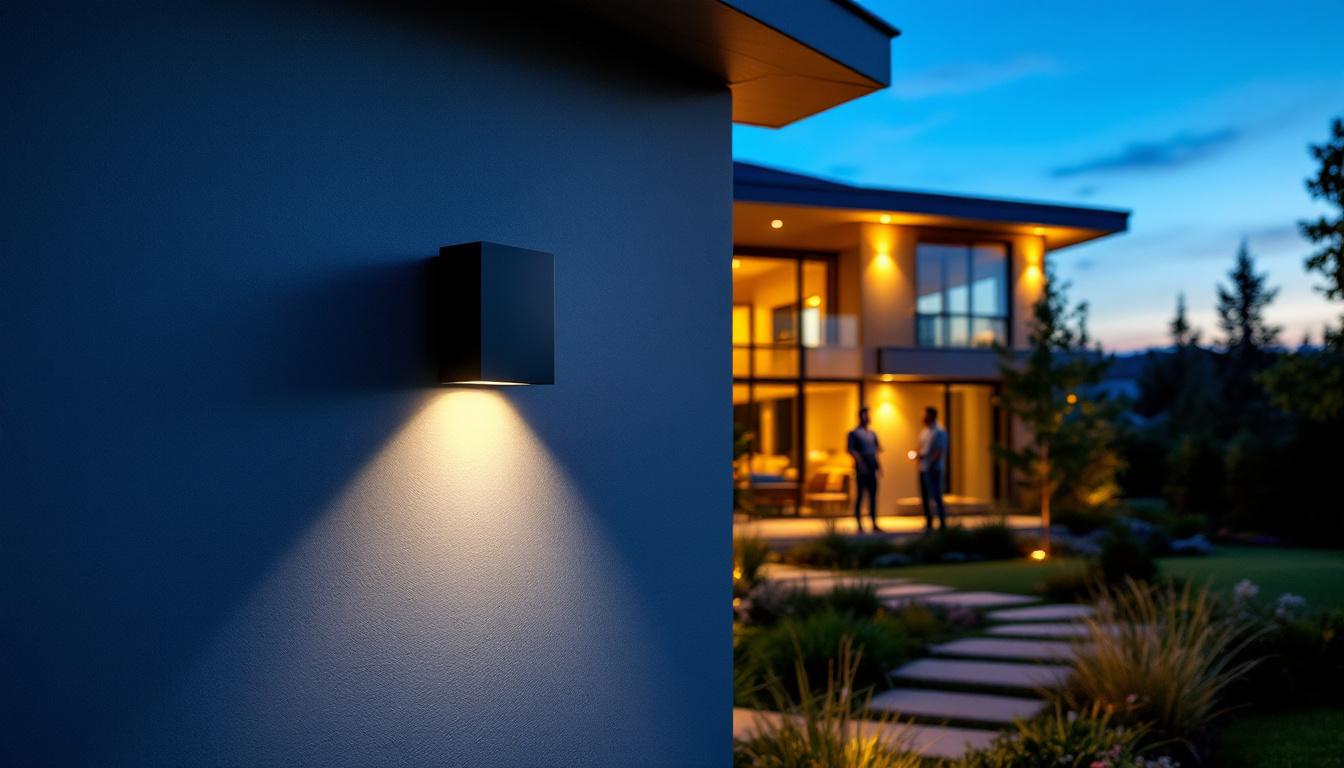
Introduction to LED Light Fixtures in Industrial Settings
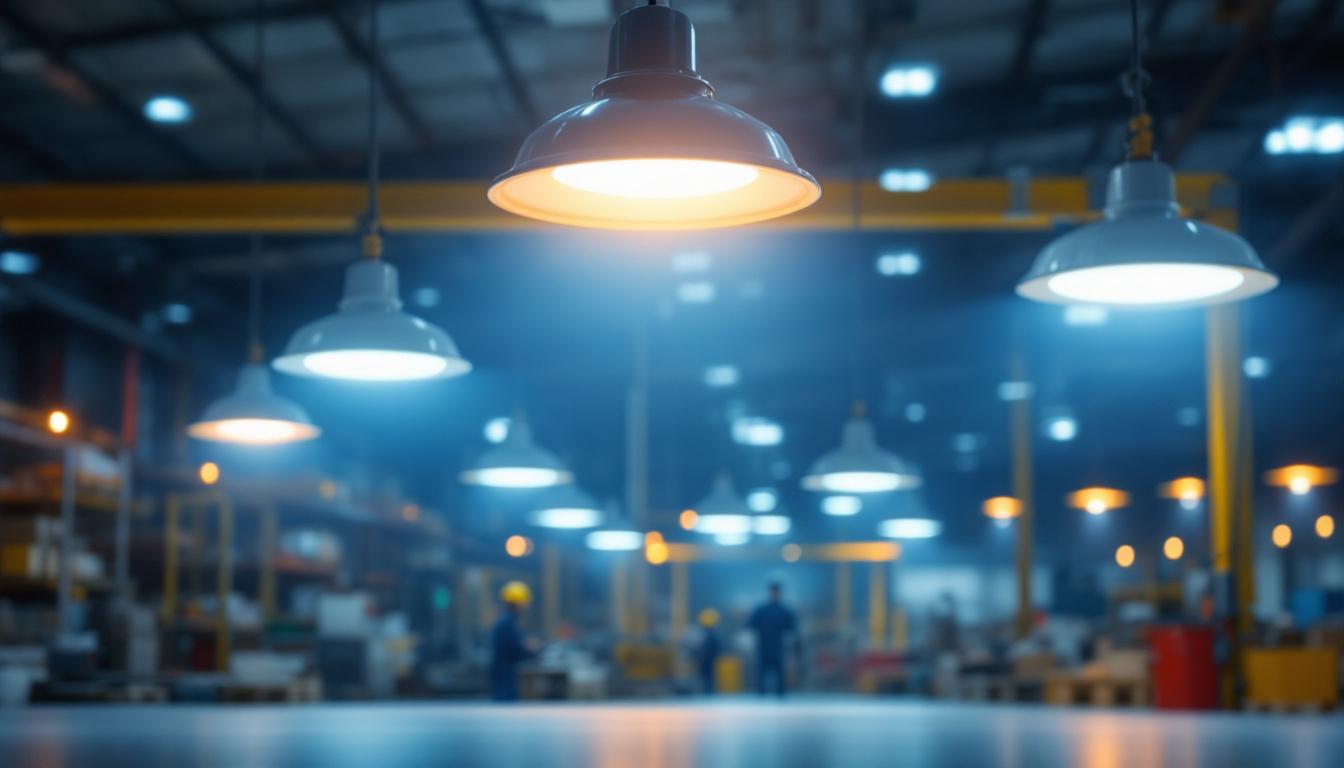
Industrial environments present unique challenges when it comes to lighting. From manufacturing plants and warehouses to chemical processing facilities and heavy machinery workshops, these spaces demand lighting solutions that are not only efficient but also robust and safe. LED light fixtures have emerged as a leading choice in industrial lighting installations, revolutionizing how safety and functionality are addressed.
Unlike traditional lighting technologies such as incandescent or fluorescent bulbs, LED fixtures offer superior durability, energy efficiency, and longevity. These attributes directly contribute to safer working conditions, reducing hazards related to poor visibility, electrical faults, and maintenance downtime.
One of the standout features of LED light fixtures is their ability to withstand harsh conditions often found in industrial settings. Many LED models are designed with rugged housings that are resistant to dust, moisture, and extreme temperatures. This makes them ideal for use in environments like food processing plants, where hygiene is paramount, or in outdoor areas exposed to the elements. Additionally, the low heat output of LEDs minimizes the risk of burns or fire hazards, further enhancing workplace safety.
Furthermore, the versatility of LED lighting allows for tailored solutions to meet specific operational needs. For instance, adjustable lighting systems can be implemented to provide focused illumination in areas requiring precision, such as assembly lines or quality control stations. Smart lighting technology can also be integrated, enabling automated adjustments based on occupancy or natural light levels, which not only conserves energy but also ensures that workers have optimal lighting conditions at all times. This adaptability not only enhances productivity but also contributes to a more sustainable approach to industrial operations.
Key Safety Benefits of LED Light Fixtures in Industrial Installations
Enhanced Visibility and Reduced Accidents
One of the most critical factors in industrial safety is adequate illumination. Poor lighting can lead to accidents, including slips, trips, and falls, which are among the most common workplace injuries. LED fixtures provide bright, uniform light distribution with minimal flicker, which reduces eye strain and improves workers’ ability to detect hazards.
Studies have shown that well-lit environments can reduce workplace accidents by up to 30%. This is particularly important in areas where precision and attention to detail are vital, such as assembly lines or quality control stations. The high color rendering index (CRI) of LEDs ensures that colors and details are rendered accurately, helping workers distinguish between different materials or warning signs effectively. Furthermore, the ability to customize the lighting levels in different areas can enhance focus and productivity, allowing workers to perform tasks with greater accuracy and confidence.
Durability and Resistance to Harsh Conditions
Industrial environments are often exposed to dust, moisture, vibrations, and extreme temperatures. LED fixtures are designed to withstand these conditions better than traditional lighting options. Their solid-state construction means there are no filaments or fragile glass components that can break easily.
Many industrial LED fixtures come with ingress protection (IP) ratings that certify their resistance to dust and water, making them suitable for use in wet or dusty environments. This durability reduces the risk of electrical hazards caused by damaged fixtures and decreases the frequency of replacements, thereby minimizing maintenance-related safety risks. Additionally, the longevity of LED lights—often lasting up to 50,000 hours—means fewer disruptions in operations due to lighting failures, allowing for a more consistent and safe working environment.
Lower Heat Emission and Fire Hazard Reduction
Traditional lighting sources like incandescent bulbs generate significant heat, which can contribute to fire risks, especially in environments with flammable materials. LEDs operate at much lower temperatures, significantly reducing the risk of burns or fire outbreaks in industrial settings.
This lower heat emission also benefits the overall working environment, helping to maintain safer ambient temperatures and reducing the load on HVAC systems. This indirectly supports worker comfort and safety by preventing overheating and related heat stress. Moreover, the reduced heat output contributes to energy efficiency, lowering operational costs and further enhancing the sustainability of industrial practices. As industries increasingly prioritize eco-friendly solutions, the adoption of LED technology aligns with broader environmental goals while simultaneously ensuring a safer workplace.
Electrical Safety Advantages of LED Lighting
Reduced Electrical Load and Energy Efficiency
LED fixtures consume significantly less power compared to traditional lighting, which translates to a reduced electrical load on circuits. This lower load decreases the likelihood of electrical overloads and short circuits, common causes of workplace fires and equipment damage. By minimizing the energy consumed, facilities can also experience lower utility bills, allowing for budget reallocation towards other critical safety measures or improvements.
Energy-efficient lighting also means less strain on backup power systems and emergency lighting setups, ensuring that safety-critical lighting remains operational during power outages or emergencies. In addition, the longevity of LED bulbs reduces the frequency of replacements, which not only cuts down on maintenance costs but also minimizes the risk of accidents related to changing bulbs in high or hard-to-reach areas.
Advanced Driver Technology for Stable Performance
Modern LED fixtures incorporate advanced driver electronics that regulate power supply, preventing voltage fluctuations and surges. This stable performance reduces the risk of electrical failures and potential hazards associated with flickering or sudden light loss. The integration of smart technology in some LED systems allows for real-time monitoring and diagnostics, enabling facility managers to address issues proactively before they escalate into safety concerns.
Additionally, many industrial LED systems include surge protection features that safeguard both the lighting installation and connected equipment from transient voltage spikes, which are common in industrial power environments. This added layer of protection not only extends the lifespan of the lighting fixtures but also ensures that sensitive electronic equipment remains operational, thereby maintaining productivity and safety in the workplace.
Compliance with Safety Standards and Certifications
Industrial LED fixtures are often designed and tested to meet stringent safety standards such as UL, CE, and IEC certifications. These certifications ensure that the products comply with electrical safety, fire resistance, and environmental regulations, providing contractors and facility managers with confidence in their installations. Furthermore, adherence to these standards often involves rigorous testing and quality assurance processes, which enhance the reliability of the lighting systems deployed in various settings.
Using certified LED fixtures helps avoid costly compliance issues and enhances overall workplace safety by adhering to recognized best practices in lighting design and installation. As regulations evolve, staying compliant with the latest standards becomes crucial for businesses, and investing in certified LED solutions can significantly mitigate risks associated with non-compliance, including potential fines and legal liabilities. Moreover, the commitment to safety through certified products can enhance a company’s reputation, fostering trust among employees and clients alike.
Installation and Maintenance Safety Considerations
Ease of Installation and Reduced Risk
LED fixtures are generally lighter and more compact than traditional lighting units, simplifying the installation process. This reduces the physical strain on installers and minimizes the risk of accidents related to handling heavy or bulky equipment.
Furthermore, many LED fixtures come with plug-and-play designs or modular components, allowing for quicker and safer installation without extensive rewiring or complex mounting procedures.
Lower Maintenance Frequency and Safer Upkeep
Due to their longer lifespan—often exceeding 50,000 hours—LED fixtures require significantly less frequent replacement and maintenance. This reduces the exposure of maintenance personnel to potential hazards such as working at heights, electrical shocks, or exposure to hazardous environments during fixture servicing.
When maintenance is necessary, LED fixtures’ modular design often allows for quick component swaps without the need for full fixture removal, further enhancing safety during upkeep operations.
Integration with Smart Controls for Enhanced Safety
Industrial LED lighting systems can be integrated with smart controls, such as motion sensors, daylight harvesting, and remote monitoring. These technologies not only optimize energy use but also contribute to safety by ensuring lights are on only when needed, improving visibility in critical zones and alerting maintenance teams to potential fixture failures before they become hazardous.
Case Studies and Real-World Applications
Warehouse Lighting Upgrade
A large distribution warehouse replaced its outdated fluorescent fixtures with industrial-grade LED light fixtures. The upgrade resulted in a 40% reduction in workplace accidents related to poor visibility, particularly in loading dock areas. The LEDs’ instant-on capability eliminated the delay and flicker associated with older bulbs, improving safety during night shifts and emergency situations.
Manufacturing Plant Hazard Reduction
In a heavy machinery manufacturing plant, LED fixtures with high IP ratings were installed in areas exposed to dust and oil mist. The robust design of the fixtures prevented frequent failures and electrical shorts, reducing fire hazards and unscheduled downtime. The plant reported improved worker satisfaction and a safer working environment due to better illumination and fewer maintenance interruptions.
Chemical Processing Facility Compliance
A chemical processing facility integrated explosion-proof LED fixtures certified for hazardous locations. These fixtures minimized ignition risks associated with electrical sparks, ensuring compliance with strict safety regulations and protecting both personnel and assets from potential explosions.
Conclusion: Why Lighting Contractors Should Prioritize LED Industrial Fixtures
For lighting contractors working in industrial environments, choosing LED light fixtures is a strategic decision that enhances safety, efficiency, and compliance. The superior illumination quality, durability, electrical safety features, and ease of installation make LEDs an indispensable component of modern industrial lighting solutions.
By prioritizing LED lighting installations, contractors not only improve workplace safety but also contribute to operational cost savings and sustainability goals. As industrial facilities continue to evolve, LED technology remains at the forefront of creating safer, more productive, and energy-efficient workspaces.
Get Your Industrial LED Lighting Solutions from LumenWholesale
Ready to elevate the safety and efficiency of your industrial lighting installations? Look no further than LumenWholesale for all your LED lighting needs. Our extensive selection of spec-grade lighting products ensures you have access to the highest quality fixtures at wholesale prices that can’t be beaten. Say goodbye to inflated markups and hello to premium lighting with the convenience of free shipping. Make your next project shine with reliability and high performance, all while keeping your budget in check. Don’t compromise on quality or value—discover the best wholesale lighting deals at LumenWholesale today.