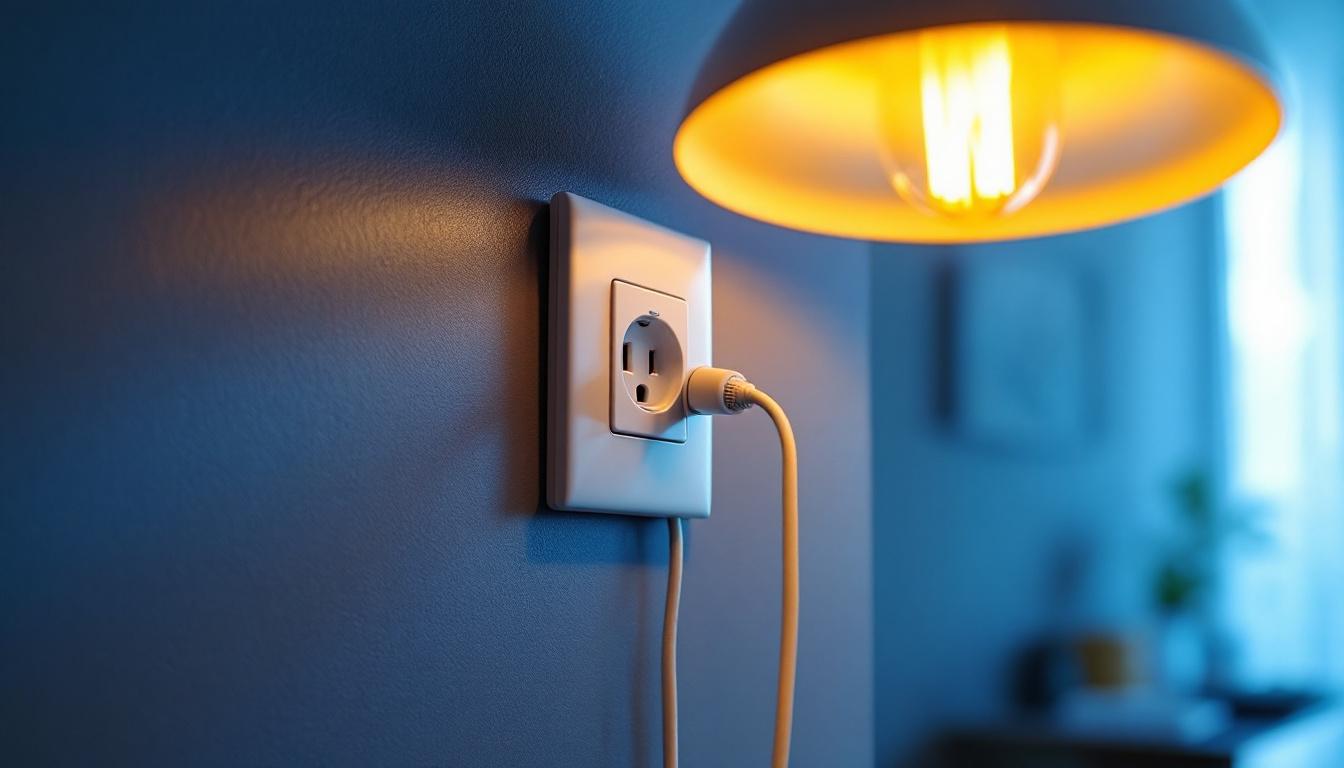
Introduction to Light Fixtures with Electrical Outlets
Integrating electrical outlets into light fixtures is an increasingly popular trend in both residential and commercial lighting design. These combination units offer convenience, reduce wall clutter, and enhance functionality by providing power access where it’s most needed. For lighting contractors, installing such fixtures can be a value-added service that differentiates their work and satisfies client demands. Homeowners appreciate the ability to plug in devices directly beneath their light source, making it easier to illuminate spaces while keeping cords neatly tucked away. This innovative approach not only maximizes utility but also contributes to a cleaner aesthetic in living and working environments.
However, the complexity of combining lighting and power outlets in a single fixture presents unique challenges. Without careful planning and adherence to electrical codes, contractors risk safety hazards, installation failures, and customer dissatisfaction. Understanding common pitfalls is essential to delivering safe, code-compliant, and high-quality installations. For instance, ensuring that the fixture is rated for the electrical load it will carry is crucial, as overloading can lead to overheating and potential fire hazards. Additionally, proper grounding and wiring techniques must be employed to prevent electrical shocks and ensure reliable operation. By being aware of these factors, contractors can enhance their reputation and build trust with clients, ultimately leading to repeat business and referrals.
Moreover, the design of these fixtures is evolving, with many manufacturers now offering stylish options that blend seamlessly with modern decor. From sleek, minimalist designs to more ornate styles, the variety available allows homeowners to choose fixtures that not only serve a functional purpose but also complement their interior design. This trend is particularly beneficial in spaces like kitchens and home offices, where both lighting and power access are critical. As technology advances, we may also see the integration of smart features into these fixtures, allowing users to control lighting and power outlets via smartphone apps or voice commands, further enhancing convenience and efficiency in everyday life.
Understanding the Electrical Code Requirements
Importance of Compliance with NEC Standards
The National Electrical Code (NEC) sets rigorous standards for electrical installations, including those involving light fixtures with integrated outlets. Contractors must be familiar with relevant NEC sections, such as those addressing wiring methods, grounding, and receptacle placement. Non-compliance can lead to hazardous conditions like electrical shock or fire and may result in failed inspections or liability issues.
One frequently overlooked aspect is the requirement that outlets integrated into lighting fixtures must be properly grounded and protected by appropriate circuit breakers. Additionally, the NEC often mandates that receptacles in certain locations, such as kitchens or bathrooms, be GFCI (Ground Fault Circuit Interrupter) protected. Failure to incorporate these protections can compromise safety and code compliance. Moreover, understanding the rationale behind these regulations can help contractors appreciate the importance of their work. For instance, GFCI protection is designed to prevent electrical shock by interrupting the circuit when a ground fault is detected, which is particularly crucial in areas where water is present.
Common Code Violations in Combined Fixtures
Contractors sometimes assume that integrating an outlet into a fixture is straightforward, but common violations include:
- Improper wiring methods that do not separate lighting and outlet circuits as required.
- Using non-listed or non-certified combination fixtures, which may not meet safety standards.
- Failing to install GFCI protection where mandated by code, especially in wet or damp locations.
- Inadequate grounding of the outlet component, increasing shock risk.
Awareness and strict adherence to these requirements are crucial to avoid costly rework and ensure occupant safety. Furthermore, it is essential for contractors to stay updated on any changes to the NEC, as the code is revised every three years to adapt to new technologies and safety practices. This ongoing education can help prevent violations and enhance the overall quality of electrical installations. For instance, recent updates have introduced new guidelines for energy efficiency and the integration of smart technologies, which can also impact how fixtures and outlets are designed and installed.
Additionally, understanding the specific requirements for different types of installations can further mitigate risks. For example, in residential settings, the placement of outlets must consider furniture layout and appliance usage to ensure accessibility and convenience. In commercial environments, the load calculations for combined fixtures must account for the increased demand on circuits, which can lead to overheating if not properly managed. By taking these factors into consideration, contractors can create safer and more functional electrical systems that comply with NEC standards while also meeting the needs of the occupants.
Design and Installation Challenges
Incorrect Load Calculations and Circuit Overloading
One of the most common mistakes is neglecting to accurately calculate electrical loads when adding outlets to light fixtures. Lighting circuits are typically designed for lower current draws, whereas outlets may power devices with higher or variable loads. Without proper load analysis, circuits can become overloaded, leading to tripped breakers, overheating, or damage to the electrical system.
Contractors should assess the total expected load on the circuit and ensure that the wiring and breaker ratings are adequate. In some cases, it may be necessary to install dedicated circuits for combination fixtures with outlets to maintain system integrity and safety. Additionally, it is crucial to consider future load increases, especially in residential settings where homeowners may add more devices over time. A proactive approach to load calculations can prevent costly repairs and enhance the longevity of the electrical system.
Improper Fixture Selection and Compatibility Issues
Not all light fixtures are designed to accommodate electrical outlets. Using fixtures without manufacturer approval for integrated outlets can result in mechanical and electrical incompatibilities. For example, the fixture’s housing may not provide sufficient space for wiring connections or may lack the necessary insulation to prevent shorts.
Furthermore, some combination fixtures may not be rated for damp or outdoor environments, limiting their appropriate use. Contractors should always verify fixture specifications and certifications before installation to ensure compatibility with the intended application. Moreover, understanding the specific requirements for different environments—such as wet, dry, or hazardous locations—can prevent installation errors and enhance safety. Utilizing fixtures that are specifically designed for the intended application not only ensures compliance with local codes but also contributes to the overall aesthetic and functionality of the space.
Poor Wiring Practices and Connection Errors
Wiring mistakes are a significant source of failures in combined light and outlet fixtures. Common errors include loose connections, reversed polarity, and failure to secure wires properly within junction boxes. Such mistakes can cause intermittent operation, electrical arcing, or even fires.
Using wire connectors rated for the wire gauge and environment, maintaining proper wire routing to avoid strain, and double-checking polarity and grounding connections are essential best practices. Additionally, all wiring should be performed within accessible junction boxes to facilitate future maintenance and inspections. It is also advisable to implement a systematic approach to wiring, such as color-coding or labeling wires, to simplify troubleshooting and repairs. Training and ongoing education for electricians on the latest wiring techniques and safety standards can further reduce the likelihood of errors and enhance overall installation quality.
Safety Concerns and Risk Mitigation
Ensuring Proper Grounding and GFCI Protection
Grounding is a fundamental safety requirement for any electrical outlet, including those integrated into light fixtures. Proper grounding ensures that in the event of a fault, electrical current is safely diverted away from users, reducing shock hazards. Contractors must verify that the fixture’s metal components and outlet receptacles are effectively grounded to the building’s grounding system.
Equally important is the installation of GFCI protection where required. GFCI devices detect ground faults and quickly interrupt power, preventing potentially fatal shocks. This is especially critical in areas prone to moisture, such as kitchens, bathrooms, and outdoor spaces. Failure to install GFCI protection can have severe safety implications and violate code requirements.
Addressing Heat Dissipation and Fire Hazards
Combining outlets with light fixtures introduces additional heat sources within the fixture enclosure. Overheating can occur if heat dissipation is inadequate, increasing the risk of fire. Contractors should ensure that fixtures are designed to handle the combined heat load and that wiring insulation is rated for the expected temperatures.
Using fixtures with proper ventilation, avoiding overcrowding of wires, and selecting components rated for continuous operation at elevated temperatures are critical steps in mitigating fire risks.
Best Practices for Lighting Contractors
Thorough Planning and Client Communication
Successful installations begin with comprehensive planning. Contractors should assess the client’s power needs, fixture location, and environmental conditions before selecting combination fixtures. Discussing the limitations and requirements with clients helps set realistic expectations and prevents future issues.
Providing detailed proposals that outline the scope of work, materials, and code compliance measures demonstrates professionalism and builds client trust.
Using Certified and Quality Fixtures
Opting for fixtures that are UL-listed or certified by recognized testing laboratories ensures that the products meet safety and performance standards. Quality fixtures reduce the likelihood of failures and simplify compliance with electrical codes.
Contractors should source fixtures from reputable manufacturers and avoid unverified or counterfeit products that may compromise safety.
Meticulous Installation and Testing
Attention to detail during installation is paramount. Contractors should follow manufacturer instructions precisely, use appropriate tools and materials, and perform thorough testing upon completion. Testing should include verifying outlet polarity, grounding integrity, GFCI functionality (if installed), and proper operation of the lighting component.
Documenting test results and providing clients with operational guidance enhances satisfaction and supports warranty claims if issues arise.
Conclusion
Light fixtures with electrical outlets offer practical benefits but require specialized knowledge and careful execution. Lighting contractors must be vigilant about electrical code compliance, proper load calculations, fixture compatibility, and safety measures such as grounding and GFCI protection. Avoiding common mistakes not only ensures safe and reliable installations but also reinforces a contractor’s reputation for quality workmanship.
By embracing best practices—from thorough planning to meticulous installation—contractors can confidently deliver innovative lighting solutions that meet modern demands while safeguarding occupants and property.
Get Your Quality Lighting Fixtures at LumenWholesale
Ready to avoid the common pitfalls and elevate your lighting installations? At LumenWholesale, we provide lighting contractors with the high-quality, spec-grade lighting fixtures you need to succeed. Our extensive selection is designed to meet the highest industry standards, ensuring every project shines with reliability and performance. With unbeatable wholesale prices and the convenience of free shipping on bulk orders, you can trust that you’re getting the best value without any hidden fees. Don’t compromise on quality or cost. Visit LumenWholesale today and experience the ideal combination of quality, affordability, and convenience for all your lighting needs.