Understanding the Impact of LED Exterior Accent Lighting
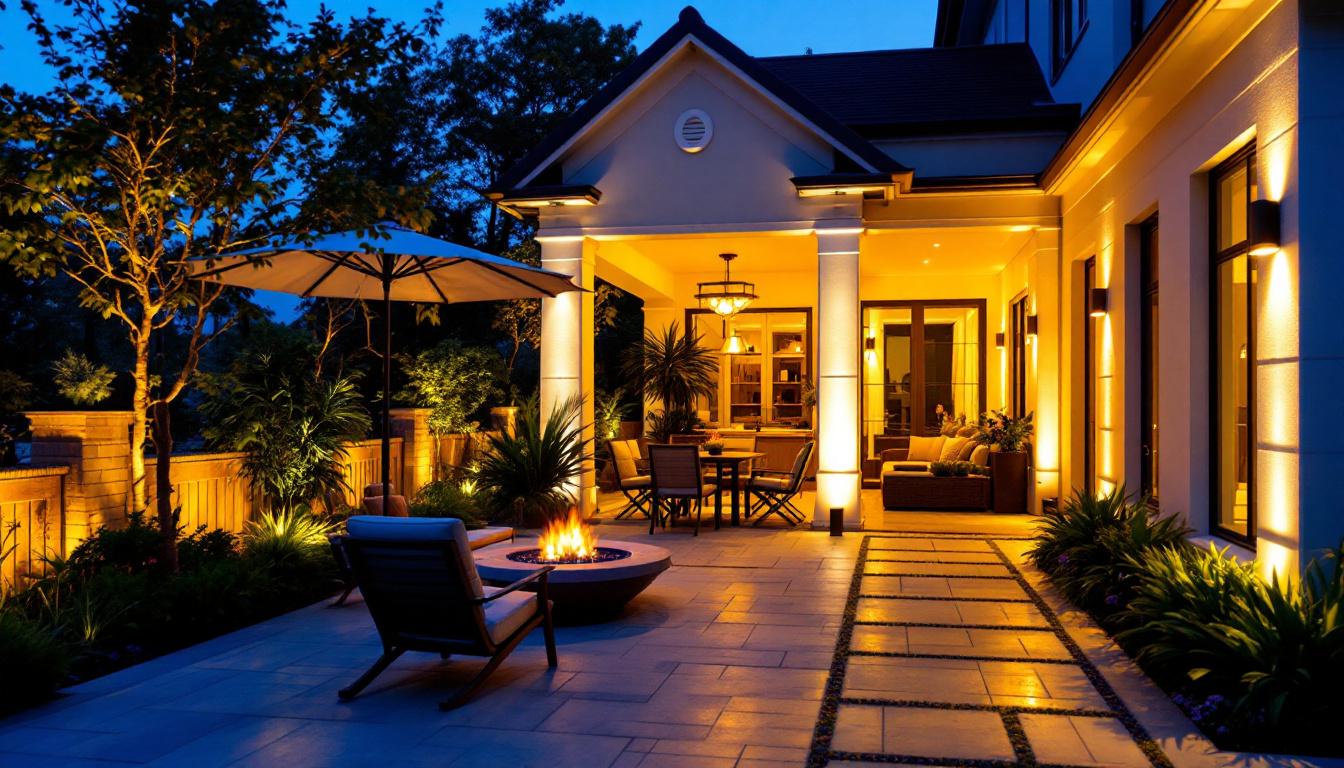
Exterior accent lighting transforms outdoor spaces, highlighting architectural features, landscaping, and pathways. For lighting contractors, mastering LED technology in this realm is essential. LEDs offer unmatched energy efficiency, longevity, and design flexibility compared to traditional lighting options. But beyond these benefits, the real challenge lies in crafting an installation that balances aesthetics, functionality, and durability.
Clients expect their homes or commercial properties to look inviting and secure after dark. Accent lighting plays a pivotal role here, not just illuminating but creating mood and enhancing curb appeal. Done right, it can increase property value and satisfaction. Done poorly, it risks glare, uneven lighting, or premature equipment failure.
Moreover, the versatility of LED accent lighting allows for creative expression in outdoor design. With a wide range of color temperatures available, lighting designers can evoke different atmospheres—from warm, inviting tones that create a cozy ambiance to cooler shades that lend a modern, sleek feel. This adaptability makes it possible to tailor lighting schemes to specific events or seasons, ensuring that outdoor areas remain visually appealing year-round. Additionally, smart technology integration has made it easier than ever for homeowners to control their lighting remotely, adjusting brightness and color to suit their mood or occasion, further enhancing the user experience.
Incorporating LED accent lighting also has environmental benefits that are increasingly important to clients. The low energy consumption of LEDs not only reduces electricity bills but also contributes to a smaller carbon footprint. Many municipalities offer incentives for energy-efficient upgrades, making the switch to LED not just an aesthetic choice but a financially savvy one as well. Furthermore, LEDs emit less heat compared to traditional bulbs, which can help in maintaining a comfortable outdoor environment during warm evenings. As awareness of sustainability grows, lighting contractors who emphasize these benefits in their designs will likely find themselves at a competitive advantage in the market.
Choosing the Right LED Fixtures for Exterior Accent Lighting
Fixture Types and Their Applications
Lighting contractors must be familiar with a variety of LED fixture types tailored for exterior accent use. Spotlights and floodlights are common choices, with spotlights focusing on specific features like statues or trees, while floodlights provide broader washes of light. The versatility of these fixtures allows for creative lighting designs that can transform outdoor spaces into captivating environments. For instance, using a combination of spotlights to highlight architectural details alongside floodlights to illuminate larger areas can create a stunning visual contrast that enhances the overall aesthetic.
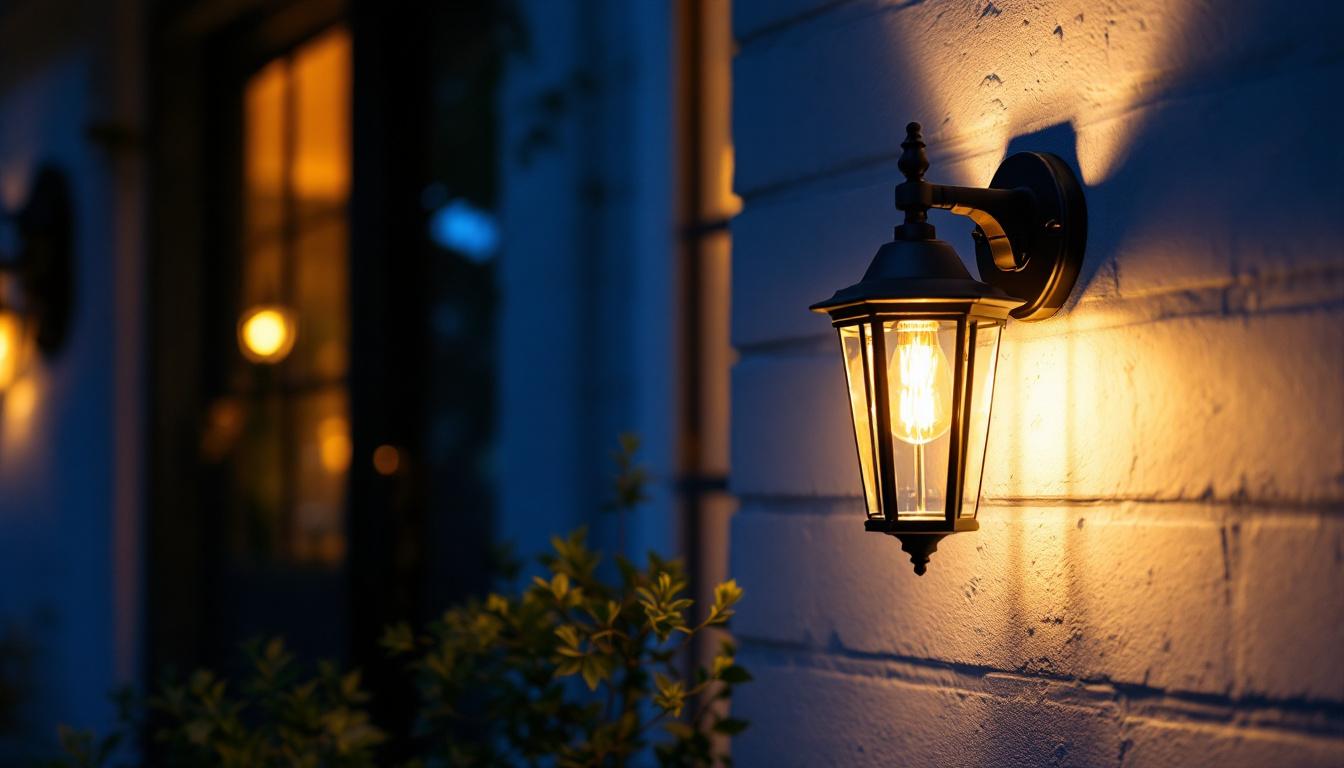
Wall washers are ideal for emphasizing building facades, creating uniform illumination across surfaces. These fixtures can be strategically placed to enhance textures and colors, making the architecture stand out even at night. Path lights guide movement and enhance safety along walkways or driveways, ensuring that guests can navigate outdoor spaces with ease. Each fixture type has distinct beam angles, lumen outputs, and mounting options that influence placement and effect. Understanding the specific needs of a project, such as the desired mood or functionality, will help contractors select the most effective fixtures for their clients.
Material Durability and Weather Resistance
Outdoor fixtures face exposure to moisture, temperature fluctuations, dust, and physical impacts. Selecting fixtures with robust housing materials such as die-cast aluminum or stainless steel ensures longevity. Look for IP ratings of IP65 or higher to guarantee water and dust resistance, critical for reliable performance in harsh environments. Additionally, the choice of materials can also affect the thermal management of the fixtures, which is essential for maintaining optimal performance and extending the lifespan of the LEDs.
Corrosion-resistant finishes and UV-stable lenses prevent fading and cracking, maintaining appearance and function over time. Lighting contractors should also consider ease of maintenance and replacement when specifying fixtures. Features like tool-less access for bulb changes or modular designs can significantly reduce downtime and labor costs. Furthermore, incorporating smart technology into exterior lighting systems can enhance functionality, allowing for programmable schedules, dimming capabilities, and even remote control via mobile devices, making the lighting not only durable but also adaptable to changing needs and preferences.
Design Considerations for Effective LED Accent Lighting
Balancing Brightness and Ambiance
LEDs come in a wide range of lumen outputs. Overly bright lighting can cause glare and detract from the subtlety that accent lighting aims to achieve. Under-lighting, conversely, fails to highlight the desired features effectively.
Contractors should tailor brightness levels to the scale and purpose of the installation. For example, a small garden statue may only require 100-200 lumens, while a large tree or building facade might need 800 lumens or more. Dimming capabilities add flexibility, allowing clients to adjust ambiance based on occasion or time of night. Additionally, the placement of the lights plays a crucial role in achieving the desired effect. Strategically positioning lights to create shadows and highlights can enhance the three-dimensionality of objects, making them more visually interesting and dynamic. This technique can be particularly effective in outdoor settings, where natural elements can interact with artificial light to create a captivating atmosphere.
Color Temperature and Color Rendering
Choosing the right color temperature is crucial. Warm white (2700K to 3000K) tends to create a cozy, inviting atmosphere, ideal for residential settings. Cooler temperatures (4000K to 5000K) provide a crisp, modern look often preferred for commercial properties or highlighting natural colors in landscaping.
Color rendering index (CRI) is another vital factor. High CRI LEDs (above 80) reveal colors more accurately, enhancing the visual appeal of plants, materials, and architectural details. Low CRI lights can wash out colors and reduce the impact of accent lighting. Moreover, the interplay between different color temperatures can be utilized to create layered lighting effects. For instance, combining warm and cool lights can evoke a sense of depth and complexity, drawing attention to specific features while maintaining an overall harmonious environment. This technique is especially useful in spaces where mood and functionality need to coexist, such as in restaurants or galleries, where both ambiance and visibility are essential.
Installation Best Practices for Long-Term Success
Proper Placement and Beam Angling
Strategic placement of fixtures ensures the right elements receive attention without creating unwanted shadows or light pollution. Lighting contractors should conduct thorough site assessments, considering the natural contours and focal points of the property. This involves not only identifying key landscape features, such as trees, pathways, and architectural elements, but also understanding how these features interact with natural light throughout the day. For instance, a well-placed fixture can highlight a beautiful tree trunk at night while avoiding glare that could distract from the overall ambiance.
Beam angles must be matched to the object size and desired effect. Narrow beams (10° to 25°) create sharp highlights, while wider beams (30° to 60°) offer softer, more diffuse illumination. Adjustable fixtures allow fine-tuning on-site, which is invaluable for achieving the perfect look. Additionally, experimenting with different heights and angles can yield surprising results, such as casting intriguing shadows that add depth and character to the landscape. Lighting contractors should also consider seasonal changes, as foliage may obstruct light during certain times of the year, necessitating adjustments to maintain optimal visibility.
Wiring and Power Considerations
Outdoor LED systems require careful wiring to withstand environmental stresses and ensure safety. Use outdoor-rated cables, connectors, and junction boxes. Ground fault circuit interrupters (GFCIs) are mandatory to prevent electrical hazards. It’s also essential to plan for potential future expansions of the lighting system, ensuring that the initial wiring can accommodate additional fixtures or upgrades without major overhauls. This foresight can save time and costs in the long run, as well as minimize disruption to the landscape during installation.
Voltage drop can be a concern in extensive installations. Contractors should calculate load requirements and wire lengths accurately, possibly incorporating multiple power supplies or transformers to maintain consistent brightness. Additionally, using thicker gauge wire can help mitigate voltage drop over long distances, ensuring that all fixtures receive adequate power. Regular maintenance checks on connections and wiring integrity can prevent issues before they arise, contributing to the longevity and reliability of the lighting system.
Integration with Controls and Automation
Modern LED accent lighting often incorporates smart controls, enabling scheduling, dimming, and remote operation. Lighting contractors should familiarize themselves with popular control protocols like DMX, DALI, or wireless systems compatible with home automation platforms. The integration of these technologies not only enhances user convenience but also allows for creative lighting scenarios that can transform the outdoor space for different occasions, from intimate gatherings to festive celebrations.
Integrating motion sensors or photocells enhances energy savings and security by activating lights only when needed. Properly programmed controls also extend LED lifespan by preventing unnecessary operation. Furthermore, the ability to customize lighting scenes through mobile apps or voice commands adds a modern touch to outdoor living spaces. As homeowners increasingly seek energy-efficient solutions, the combination of automated controls and LED technology can significantly reduce electricity consumption while maintaining an inviting atmosphere during evening hours.
Maintenance and Troubleshooting Tips
Routine Inspection and Cleaning
Outdoor fixtures accumulate dirt, debris, and insect buildup, which can diminish light output and cause overheating. Regular cleaning with non-abrasive materials helps maintain performance. Inspect seals and gaskets to prevent moisture ingress.
Checking for corrosion or damage during routine maintenance allows early intervention before failures occur. Documenting maintenance schedules and findings aids in client communication and warranty claims.
Common Issues and Solutions
Flickering or dimming lights often indicate wiring problems, voltage drops, or driver failures. Testing with a multimeter and replacing faulty components promptly avoids customer dissatisfaction.
LEDs rarely burn out suddenly but may degrade over time, resulting in color shifts or reduced brightness. Using high-quality fixtures and drivers minimizes these risks. When replacements are necessary, matching color temperature and beam characteristics ensures a consistent look.
Staying Ahead with Industry Trends and Standards
Lighting contractors who keep up with evolving LED technology and industry standards position themselves as trusted experts. Advances in chip efficiency, smart controls, and fixture design continue to expand possibilities for exterior accent lighting.
Understanding local regulations regarding light pollution and energy codes is also critical. Many municipalities now require shielding and limits on brightness to protect night skies and reduce energy consumption. Advising clients accordingly helps avoid costly rework and fosters sustainable practices.
Participating in professional networks, attending trade shows, and pursuing certifications can deepen expertise and open new business opportunities.
Conclusion
LED exterior accent lighting offers lighting contractors a powerful tool to enhance outdoor spaces with beauty and efficiency. Success hinges on selecting the right fixtures, designing thoughtfully, installing meticulously, and maintaining proactively. By mastering these key tips, contractors can deliver installations that delight clients, stand the test of time, and showcase their professionalism.
Illuminate Your Projects with LumenWholesale
Ready to elevate your LED exterior accent lighting projects with the finest products on the market? Look no further than LumenWholesale, where we provide lighting contractors with spec-grade lighting solutions at unbeatable wholesale prices. Our commitment to quality, affordability, and convenience ensures that you have access to a vast selection of industry-standard lighting without the burden of inflated costs. Plus, with free shipping on bulk orders, you can stock up on premium lighting essentials and maximize your project’s potential. Don’t settle for less—choose LumenWholesale for your lighting needs and experience the best value in wholesale lighting. Visit our extensive collection and start transforming outdoor spaces today at Wholesale Lighting at the Best Value.