Introduction to Automotive Lighting: A Contractor’s Perspective
Automotive lighting is a critical component of vehicle safety, aesthetics, and functionality. For lighting contractors, understanding the nuances of car lighting systems is essential not only to deliver high-quality installations but also to ensure compliance with safety regulations and customer satisfaction. From headlamps to ambient interior lighting, the choices made during installation can significantly impact the driving experience.
With rapid technological advancements, the automotive lighting landscape is evolving, presenting both challenges and opportunities for contractors. This article explores the best practices and innovative ideas that lighting contractors should consider when working on car lighting projects.
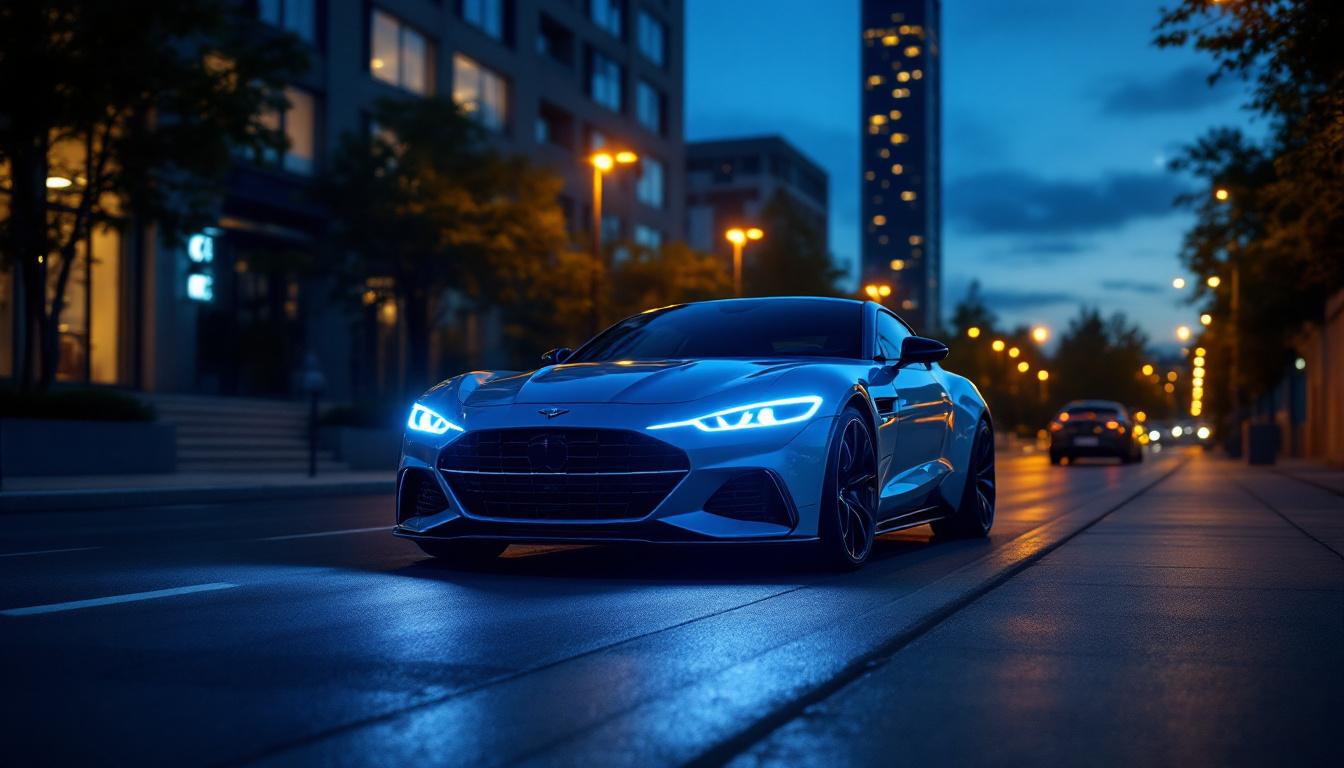
One of the most significant advancements in automotive lighting technology is the shift from traditional halogen bulbs to LED and laser lighting systems. LEDs offer numerous advantages, including longer lifespan, lower energy consumption, and the ability to create intricate lighting designs that enhance a vehicle’s aesthetic appeal. For contractors, this transition means staying updated with the latest products and installation techniques, as well as understanding the specific requirements for integrating these modern systems into various vehicle models. Moreover, the versatility of LED lighting allows for creative applications, such as customizable color options and dynamic lighting patterns that can be tailored to individual customer preferences.
Additionally, the integration of smart technology into automotive lighting systems is reshaping the industry. Features such as adaptive headlights that adjust their beam patterns based on driving conditions and automatic high-beam control are becoming increasingly common. For contractors, this means not only mastering the installation of these advanced systems but also ensuring that they are properly calibrated for optimal performance. Understanding the underlying technology, including sensors and control modules, is crucial for delivering a seamless user experience. As vehicles become more connected, the potential for future innovations in automotive lighting will likely expand, offering contractors new avenues for growth and specialization in their services.
Understanding the Fundamentals of Car Lighting Systems
Types of Automotive Lighting
Before diving into installation techniques and design ideas, it is crucial to understand the various types of automotive lighting. The primary categories include:
- Headlights: These are the most critical for visibility and safety, including halogen, HID (High-Intensity Discharge), LED (Light Emitting Diode), and laser headlights.
- Daytime Running Lights (DRLs): Designed to increase vehicle visibility during daylight hours.
- Signal Lights: Turn signals, brake lights, and hazard lights communicate the driver’s intentions to other road users.
- Interior Lighting: Ambient lighting, dashboard illumination, and reading lights enhance the driving environment and user comfort.
- Auxiliary Lighting: Fog lights, off-road lights, and other specialty lighting serve specific functions.
Each lighting type has distinct installation requirements and regulatory standards, which contractors must be well-versed in to ensure proper application. For instance, the choice between LED and halogen headlights can significantly impact energy consumption and longevity, with LEDs typically offering a longer lifespan and lower power draw. Additionally, the aesthetic appeal of different lighting options can enhance the overall look of a vehicle, making it essential for contractors to stay informed about the latest trends in automotive lighting design.
Regulatory Compliance and Safety Standards
Lighting contractors must adhere to strict automotive lighting regulations, which vary by region but generally focus on brightness, beam pattern, color, and placement. For example, the Federal Motor Vehicle Safety Standards (FMVSS) in the United States and the Economic Commission for Europe (ECE) regulations in many other countries set specific guidelines for vehicle lighting.
Failure to comply with these standards can result in legal liabilities, failed vehicle inspections, and compromised safety. Contractors should always verify that the lighting products used are certified and that installations meet the required specifications. Moreover, understanding the implications of these regulations is vital for ensuring that vehicles not only perform optimally but also remain roadworthy. This includes being aware of the latest advancements in lighting technology, such as adaptive headlights that adjust their beam pattern based on driving conditions, which can further enhance safety and compliance with evolving standards.
Best Practices for Car Lighting Installation
Choosing the Right Lighting Products
Selecting the appropriate lighting technology is foundational to a successful project. LED lighting has become the industry standard for many applications due to its energy efficiency, longevity, and superior illumination. However, HID and halogen lamps still have their place, especially in budget-conscious or classic vehicle restorations. When considering LED options, it’s important to evaluate the color temperature, as this can significantly affect visibility and aesthetics. A cooler color temperature (around 6000K) can provide a more modern look, while warmer temperatures (around 3000K) may be more suitable for vintage vehicles.
Contractors should consider factors such as the vehicle’s make and model, intended use, and customer preferences. Additionally, sourcing lighting components from reputable manufacturers ensures reliability and compliance with safety standards. It’s also beneficial to stay updated on the latest advancements in automotive lighting technology, such as adaptive headlights and matrix LED systems, which can offer enhanced functionality and performance. By understanding the full range of options available, contractors can better advise their clients on the best solutions for their specific needs.
Precision in Installation and Alignment
Proper installation goes beyond simply mounting the lights. Precision in alignment is essential to maximize visibility without blinding other drivers. Headlight aim adjustment tools and alignment protocols should be employed to achieve optimal beam patterns. This process often involves using a level surface and specific measurement techniques to ensure that the headlights are set to the correct height and angle, which can vary by vehicle type.
Moreover, ensuring secure wiring connections and protecting against moisture ingress are critical to preventing electrical failures and corrosion. Using automotive-grade connectors and sealants can enhance durability. Additionally, contractors should be aware of the importance of heat dissipation in LED installations, as inadequate cooling can lead to premature failure of the lighting components. Implementing proper heat sinks and ensuring adequate airflow around the lights can significantly extend their lifespan and performance.
Integrating Smart and Adaptive Lighting Systems
Modern vehicles increasingly incorporate adaptive lighting technologies that adjust beam intensity and direction based on driving conditions. For contractors, installing these systems requires specialized knowledge of vehicle electronics and software calibration. Understanding the vehicle’s onboard computer systems and how they interact with lighting components is crucial for successful integration. This may involve programming and configuring settings to ensure that the adaptive features function correctly in various driving scenarios.
Successful integration enhances safety and user experience, making it a valuable service offering. Training and certification in advanced lighting systems can distinguish contractors in a competitive market. Furthermore, staying informed about regulatory changes regarding automotive lighting can help contractors ensure compliance and avoid potential liabilities. As the automotive industry evolves, embracing new technologies and methods will be key to providing top-notch lighting solutions that meet the demands of modern drivers.
Innovative Car Lighting Ideas for Contractors
Custom Ambient and Accent Lighting
Interior ambient lighting has surged in popularity, offering drivers a personalized and luxurious atmosphere. Lighting contractors can leverage RGB LED strips and programmable controllers to create dynamic lighting effects tailored to customer preferences.
Popular applications include door panel illumination, footwell lighting, and dashboard accents. These installations require careful planning to avoid electrical interference and ensure seamless integration with the vehicle’s existing systems. Furthermore, contractors can explore the use of smart technology, allowing users to control their lighting via smartphone apps or voice commands. This not only enhances the user experience but also adds a modern touch that is increasingly sought after in today’s vehicles.
Additionally, the choice of colors and patterns can be customized to match the vehicle’s interior design or even the mood of the driver. For instance, soothing blue tones can create a calming environment during long drives, while vibrant reds and greens can energize the atmosphere for a more spirited journey. By offering such tailored solutions, contractors can significantly elevate the appeal of their services.
Upgrading to Matrix and Laser Headlights
Matrix LED headlights represent a cutting-edge solution that allows selective dimming of individual LEDs to avoid glare while maintaining high beam functionality. Laser headlights, though less common due to cost, offer unparalleled brightness and range.
Contractors who master the installation and calibration of these advanced systems can offer premium upgrades that appeal to tech-savvy customers and luxury vehicle owners. The precision of matrix headlights not only enhances nighttime visibility but also contributes to safer driving by automatically adjusting to oncoming traffic. This intelligent lighting system can detect vehicles ahead and dim specific sections of the beam, ensuring that other drivers are not blinded while still providing optimal illumination for the road ahead.
Moreover, as automotive technology continues to evolve, integrating these advanced lighting systems with other vehicle features, such as adaptive cruise control and lane-keeping assistance, can further enhance the driving experience. By staying ahead of the curve and offering these sophisticated upgrades, contractors can position themselves as leaders in the automotive lighting market.
Enhancing Safety with Auxiliary Lighting Solutions
Fog lights, cornering lights, and off-road lighting are essential for specific driving conditions. Lighting contractors can advise clients on the best auxiliary lighting configurations to improve visibility and safety.
Using durable, weather-resistant fixtures and ensuring proper wiring and switch integration are key to successful auxiliary lighting installations. Additionally, contractors should consider the importance of beam patterns and light distribution when selecting auxiliary lights. For example, fog lights are designed to emit a wide, low beam that cuts through fog and rain, while cornering lights provide additional illumination when turning, enhancing visibility in dark or rural areas.
Furthermore, as off-road adventures become increasingly popular, contractors can offer specialized lighting solutions tailored for rugged terrains. High-intensity discharge (HID) lights and LED light bars can provide the necessary brightness and durability for off-road conditions, ensuring that drivers can navigate safely through challenging environments. By providing expertise in these areas, contractors can not only enhance the safety of their clients but also expand their service offerings to meet the demands of a diverse clientele.
Maintenance and Troubleshooting Tips for Lighting Contractors
Routine Inspection and Cleaning
Automotive lighting performance can degrade over time due to dirt, oxidation, and mechanical wear. Contractors should educate clients on the importance of regular inspection and cleaning to maintain optimal light output.
Providing maintenance services, including lens polishing and bulb replacement, can generate recurring business and build long-term customer relationships.
Diagnosing Electrical Issues
Lighting malfunctions often stem from wiring faults, blown fuses, or faulty switches. Contractors equipped with diagnostic tools such as multimeters and circuit testers can quickly identify and resolve issues.
Documenting troubleshooting procedures and offering warranties on repairs enhances professionalism and client trust.
Conclusion: Elevating Automotive Lighting Services
For lighting contractors, mastering the art and science of automotive lighting is essential to delivering value and safety to clients. By staying informed about technological advancements, adhering to regulatory standards, and embracing innovative lighting ideas, contractors can differentiate themselves in a competitive industry.
Investing in training, quality products, and precision installation techniques ensures that every lighting project enhances the vehicle’s performance and aesthetics, ultimately contributing to safer roads and satisfied customers.
Illuminate Your Projects with LumenWholesale
Ready to take your automotive lighting services to the next level? At LumenWholesale, we provide lighting contractors with an exceptional range of high-quality, spec-grade lighting products at prices that can’t be beaten. Our direct-to-contractor approach means you enjoy superior products without the extra costs, ensuring every project shines with reliability and performance. Plus, with free shipping on bulk orders, you can stock up on premium lighting solutions without worrying about hidden fees. Elevate your installations with the perfect combination of quality, value, and convenience. Discover the difference and make your next project a beacon of excellence with Wholesale Lighting at the Best Value.