Understanding LED Canister Lights: A Foundation for Lighting Contractors
LED canister lights have become a staple in modern lighting design, offering efficiency, versatility, and aesthetics in one compact package. For lighting contractors, mastering the nuances of these fixtures is essential to delivering quality installations that meet client expectations and comply with industry standards.
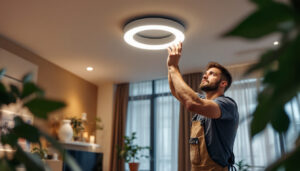
At their core, LED canister lights are recessed fixtures designed to fit into ceilings, providing focused or ambient illumination without protruding into the room. Their sleek profile makes them ideal for residential, commercial, and hospitality settings where clean lines and unobtrusive lighting are priorities.
Given their growing popularity, it’s critical for contractors to understand not only how to install these lights properly but also how to select the right products and avoid common pitfalls that can compromise performance or safety. One important aspect to consider is the color temperature of the LED bulbs, which can dramatically affect the ambiance of a space. Ranging from warm whites that create a cozy atmosphere to cooler tones that enhance productivity, selecting the appropriate color temperature based on the intended use of the room is crucial. For instance, a warm white light may be ideal for a restaurant setting, while a cooler light might be preferred in an office environment.
Moreover, the dimming capabilities of LED canister lights are another factor that contractors should be well-versed in. Many clients appreciate the flexibility that dimmable fixtures provide, allowing them to adjust the lighting to suit various activities or moods throughout the day. However, not all LED lights are compatible with standard dimmer switches, which can lead to flickering or reduced lifespan if mismatched. Therefore, understanding the specific requirements for dimming, including compatible dimmer types and wattage limitations, is essential for ensuring a seamless installation that enhances the user experience.
Do: Prioritize Quality and Compatibility in Product Selection
Choose Certified and Energy-Efficient Fixtures
One of the first steps in a successful LED canister light installation is selecting fixtures that are certified by recognized bodies such as UL (Underwriters Laboratories) or ETL (Intertek). These certifications ensure that the products meet safety and performance standards, reducing the risk of electrical hazards or premature failure. Additionally, choosing certified fixtures often comes with the peace of mind that the product has undergone rigorous testing for durability and reliability, making it a wise investment for both residential and commercial spaces.
Energy efficiency is another critical factor. LED technology inherently consumes less power than traditional incandescent or halogen bulbs, but not all LED canister lights are created equal. Look for fixtures with ENERGY STAR ratings or similar certifications that guarantee optimal energy savings without sacrificing brightness or color quality. Furthermore, energy-efficient lighting not only lowers utility bills but also contributes to a smaller carbon footprint, making it a responsible choice for environmentally-conscious consumers.
Match Fixtures to Ceiling Types and Wiring Systems
Ceiling construction varies widely—from drywall to drop ceilings to concrete slabs—and each type demands specific installation considerations. Selecting canister lights designed for the particular ceiling type ensures a secure fit and prevents issues such as sagging or gaps. For instance, fixtures designed for drop ceilings often include unique mounting hardware that accommodates the grid system, while those for concrete ceilings may require specialized anchors for secure installation. Understanding these nuances can save time and resources during the installation process.
Similarly, understanding the existing wiring infrastructure is essential. Some LED canister lights are compatible only with certain voltage levels or dimming systems. Using incompatible fixtures can lead to flickering, reduced lifespan, or even electrical damage. Always verify compatibility with the building’s electrical setup before proceeding. Additionally, consider the future-proofing aspect of your selection; opting for dimmable fixtures or those that can be integrated into smart home systems can enhance the versatility of your lighting setup, allowing for adjustments in ambiance and energy consumption as needs evolve over time.
Don’t: Overlook Installation Best Practices
Avoid Improper Cutouts and Mounting
One of the most common mistakes contractors make is improper sizing of ceiling cutouts. The cutout must match the fixture’s specifications precisely. Too large a hole can cause the fixture to be loose, compromising both aesthetics and safety. Conversely, a hole that’s too small may damage the fixture or ceiling during installation.
Mounting the canister securely is equally important. Many LED canister lights come with mounting brackets or clips designed to hold the fixture firmly in place. Neglecting to use these or improvising with makeshift supports can lead to fixture movement, noise, or even detachment over time.
Additionally, it’s crucial to consider the alignment of the fixtures. Misaligned lights can create uneven lighting, which not only detracts from the overall design but can also lead to areas of shadow that affect the functionality of the space. Taking the time to measure and mark the installation points ensures that each fixture is positioned correctly, providing optimal illumination and enhancing the room’s ambiance.
Do Not Ignore Thermal Management Requirements
LEDs generate heat that, if not properly dissipated, can reduce the lifespan and performance of the fixture. Many LED canister lights incorporate heat sinks or thermal barriers to manage this heat effectively. Installing fixtures in enclosed or insulated ceilings without considering thermal management can lead to overheating.
Contractors should follow manufacturer guidelines regarding insulation contact (IC) ratings. IC-rated fixtures can safely be installed with insulation in direct contact, while non-IC-rated fixtures require clearance to prevent heat buildup. Ignoring these specifications can void warranties and create fire hazards.
Furthermore, it is advisable to assess the overall ventilation of the installation area. In spaces where heat may accumulate, such as attics or sealed ceilings, additional ventilation solutions may be necessary to ensure air circulation. This proactive approach not only extends the life of the LED fixtures but also enhances energy efficiency, as well-ventilated spaces maintain a more stable temperature, reducing the workload on HVAC systems.
Do: Embrace Advanced Features and Controls
Incorporate Dimming and Smart Controls
Modern LED canister lights often support dimming and integration with smart home or building automation systems. Dimming capability not only enhances ambiance but also extends the fixture’s life by reducing electrical stress.
Lighting contractors should familiarize themselves with various dimming technologies, such as TRIAC, ELV, or 0-10V dimming, and ensure that the fixtures and controls are compatible. Additionally, integrating smart controls can add value for clients by enabling remote operation, scheduling, and energy monitoring.
Consider Color Temperature and CRI
Color temperature and color rendering index (CRI) are critical for achieving the desired lighting effect. LED canister lights come in a range of color temperatures from warm (2700K) to cool (5000K+), each suited to different environments and moods.
High CRI values (above 80) are essential for spaces where accurate color representation is important, such as retail, galleries, or kitchens. Lighting contractors should discuss these options with clients to tailor the lighting design appropriately.
Don’t: Neglect Maintenance and Troubleshooting Protocols
Avoid Skipping Post-Installation Testing
After installation, thorough testing is vital to ensure all fixtures operate correctly. This includes checking for flickering, verifying dimming functionality, and confirming that all lights are evenly aligned and secure.
Failure to conduct comprehensive testing can result in callbacks, increased costs, and dissatisfied clients. Establishing a checklist for post-installation inspection can streamline this process and uphold professional standards.
Do Not Ignore Signs of Fixture Failure or Electrical Issues
Over time, LED canister lights may exhibit issues such as flickering, dimming inconsistently, or failing to turn on. These problems can stem from faulty drivers, wiring problems, or environmental factors.
Contractors should educate clients on basic troubleshooting steps and recommend periodic inspections. Promptly addressing issues can prevent more extensive repairs and maintain the integrity of the lighting system.
Do: Stay Informed About Industry Trends and Regulations
Keep Up with Energy Codes and Incentives
Energy codes and regulations evolve continuously, often mandating higher efficiency standards or specific lighting controls. Staying current ensures that installations comply with local laws and qualify for rebates or incentives, benefiting both contractors and clients.
Lighting contractors should regularly consult resources such as the Department of Energy or local utility programs to remain informed about applicable codes and financial incentives.
Invest in Continuing Education and Training
The lighting industry is dynamic, with ongoing advancements in LED technology, controls, and installation techniques. Participating in workshops, certification programs, and manufacturer training sessions helps contractors maintain expertise and deliver superior service.
Such investments not only improve technical skills but also enhance credibility and customer trust, fostering long-term business success.
Don’t: Underestimate the Importance of Client Communication
Avoid Technical Jargon Without Explanation
Effective communication with clients is crucial throughout the project lifecycle. While contractors possess technical knowledge, clients may not. Explaining options, benefits, and limitations in clear, accessible language helps clients make informed decisions and feel confident in the installation.
Do Not Overpromise or Underdeliver
Setting realistic expectations about the capabilities and aesthetics of LED canister lights prevents dissatisfaction. For example, discussing how lighting will interact with room colors, furniture, and natural light can avoid surprises post-installation.
Honest communication about timelines, costs, and potential challenges builds trust and reduces the likelihood of disputes.
Conclusion: Mastering LED Canister Light Installations for Optimal Outcomes
For lighting contractors, LED canister lights represent an opportunity to deliver efficient, attractive, and modern lighting solutions. Success hinges on a thorough understanding of product selection, installation best practices, advanced features, maintenance, and client relations.
By adhering to the do’s and don’ts outlined above, contractors can enhance their professionalism, reduce risks, and exceed client expectations—ultimately establishing themselves as trusted experts in the evolving lighting landscape.
Get Your Premium LED Canister Lights at LumenWholesale
Ready to take your lighting installations to the next level? LumenWholesale is your go-to source for high-quality, spec-grade LED canister lights at the most competitive wholesale prices. Say goodbye to local distributor markups and hello to a vast selection of industry-standard lighting that promises reliability and high performance for every project. With the added benefits of free shipping and bulk buying convenience, you can trust LumenWholesale to provide the best value without any hidden fees or compromises. Elevate your lighting game and experience the best in wholesale lighting today.