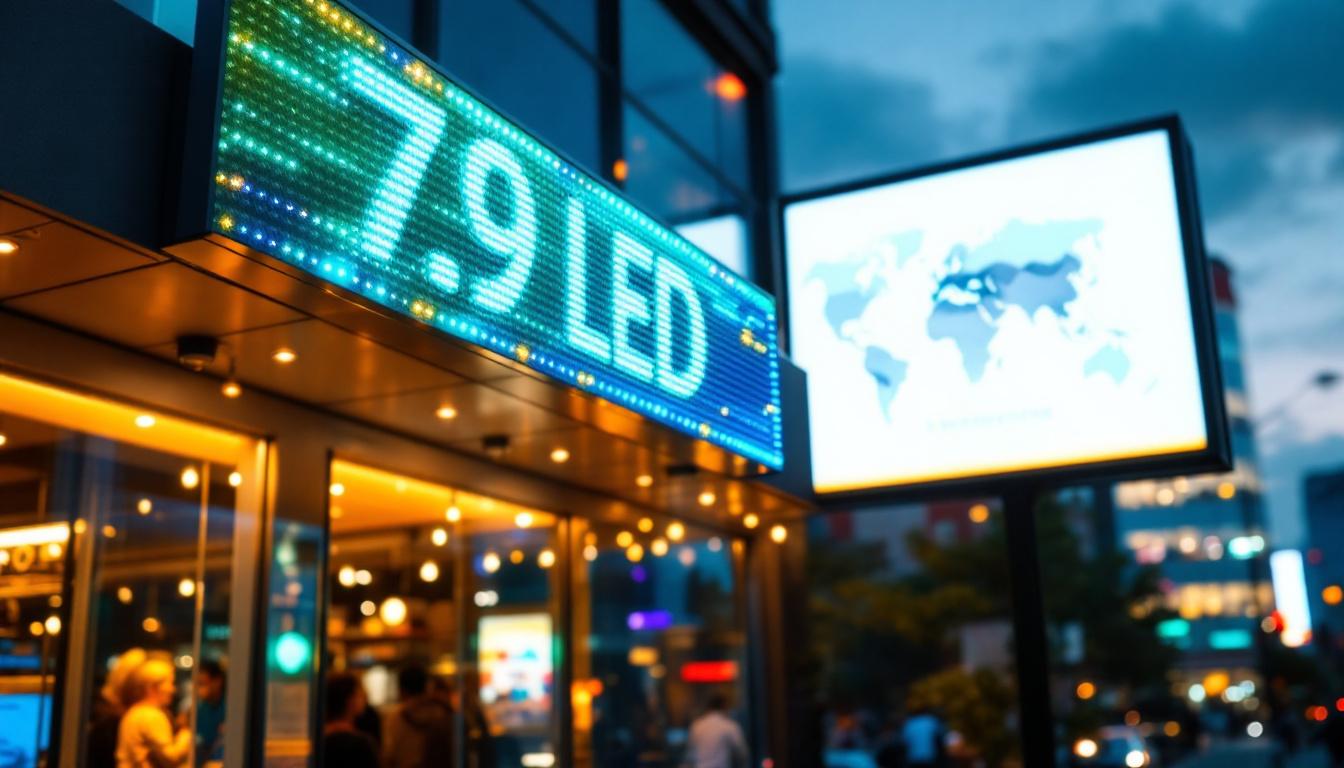
In the competitive landscape of modern business, outdoor signage plays a crucial role in attracting customers and establishing brand identity. LED business signs have become increasingly popular due to their energy efficiency, brightness, and versatility. For lighting contractors, understanding the best practices for designing, installing, and maintaining these signs is essential. This article delves into the key considerations and recommendations to ensure that LED business signs not only meet aesthetic expectations but also function optimally.
Understanding the Basics of LED Business Signs
LED (Light Emitting Diode) technology has revolutionized outdoor signage. Unlike traditional neon or fluorescent signs, LED signs offer numerous advantages, including lower energy consumption, longer lifespan, and the ability to display dynamic content. For lighting contractors, grasping these fundamentals is the first step toward delivering exceptional signage solutions to clients.
Advantages of LED Signs
One of the most significant benefits of LED signs is their energy efficiency. They consume considerably less power compared to traditional lighting options, which can lead to substantial savings on electricity bills. Additionally, the longevity of LED lights means less frequent replacements, reducing maintenance costs for businesses. This durability is particularly advantageous for companies in harsh weather environments, as LED signs are designed to withstand extreme temperatures and moisture, ensuring consistent performance year-round.
Moreover, LED signs allow for greater flexibility in design. They can be programmed to display various messages, animations, or colors, making them ideal for businesses that wish to change their advertising frequently. This adaptability not only enhances visibility but also engages customers more effectively. The ability to tailor messages to specific times of day or promotional events means businesses can maximize their impact and reach their target audience more efficiently. Additionally, the vibrant colors and high contrast of LED displays make them more eye-catching, drawing in potential customers from a distance.
Types of LED Business Signs
When it comes to outdoor LED signs, there are several types to consider. Channel letters, monument signs, and digital displays are among the most popular. Each type serves different purposes and can be tailored to fit the specific needs of a business. Understanding the unique characteristics of each type can help businesses make informed decisions about their signage solutions.
Channel letters are three-dimensional and often used for storefronts. They are illuminated from within, creating a striking effect at night. These signs can be customized in various fonts and colors, allowing businesses to maintain brand consistency. Monument signs, on the other hand, are freestanding structures that can incorporate LED lighting to enhance visibility. They often serve as a landmark for businesses located in larger complexes or industrial areas, providing clear identification to passersby. Digital displays offer the most versatility, allowing businesses to change messages easily and frequently, making them ideal for promotions and announcements. These displays can also integrate with social media feeds or real-time data, providing an interactive experience that keeps customers informed and engaged with the brand.
Design Considerations for LED Signs
Effective design is crucial for any outdoor signage. A well-designed LED sign not only captures attention but also communicates the brand message clearly. Lighting contractors must consider various factors when designing these signs.
Size and Placement
The size of the LED sign should be proportional to the distance from which it will be viewed. Larger signs are necessary for high-traffic areas, while smaller signs may suffice for locations with less foot or vehicle traffic. Additionally, placement is key. Signs should be positioned at eye level and in locations that maximize visibility without obstructing other important signage or structures.
Color and Contrast
Color choice plays a vital role in the effectiveness of an LED sign. High-contrast combinations, such as white text on a dark background, are easier to read from a distance. It is also important to consider the colors associated with the brand. Using brand colors can enhance recognition and create a cohesive visual identity.
Moreover, the use of dynamic colors can attract attention, but it’s essential to avoid overwhelming viewers. A balanced approach that incorporates both vibrant and subtle tones can create an eye-catching yet professional appearance.
Installation Best Practices
Once the design is finalized, the next step is installation. Proper installation is crucial to ensure the longevity and effectiveness of LED business signs. Lighting contractors must adhere to specific guidelines to achieve optimal results.
Site Assessment
Before installation, a thorough site assessment is necessary. This includes evaluating the location for potential obstructions, electrical access, and local zoning regulations. Understanding the environment helps in determining the best mounting options and ensuring compliance with local codes.
Additionally, contractors should consider the weather conditions in the area. Signs must be installed securely to withstand wind, rain, and other environmental factors. Using appropriate materials and techniques will enhance the durability of the sign.
Electrical Considerations
Proper electrical installation is vital for the functionality of LED signs. Lighting contractors should ensure that the electrical supply meets the power requirements of the sign. This may involve installing dedicated circuits or using transformers to manage voltage levels.
Furthermore, all wiring should be properly insulated and protected from the elements to prevent damage and ensure safety. Using conduit and weatherproof connectors can help safeguard the electrical components, minimizing the risk of failure.
Maintenance and Troubleshooting
Even the best-designed and installed LED signs require maintenance to ensure they continue to function effectively. Regular upkeep can prevent costly repairs and extend the lifespan of the signage.
Regular Inspections
Lighting contractors should recommend regular inspections of LED signs to check for any issues. This includes examining the electrical components, ensuring all LEDs are functioning, and assessing the overall condition of the sign. Early detection of problems can prevent more significant issues down the line.
Additionally, cleaning the sign regularly is essential. Dust, dirt, and debris can accumulate, reducing visibility and affecting the sign’s appearance. A simple cleaning routine can significantly enhance the effectiveness of the signage.
Troubleshooting Common Issues
In the event of malfunction, contractors should be equipped to troubleshoot common issues. Flickering lights, dead spots, or complete sign failure can often be traced back to electrical problems or individual LED failures. Understanding the wiring and circuitry of the sign can help contractors diagnose and resolve issues efficiently.
Moreover, keeping a stock of replacement parts, such as LED modules and power supplies, can expedite repairs and minimize downtime for businesses relying on their signage for visibility.
Compliance and Regulations
It is crucial for lighting contractors to be aware of local regulations and compliance standards when installing outdoor LED signs. These regulations can vary significantly by location and can impact everything from sign size to brightness levels.
Understanding Local Zoning Laws
Before proceeding with any installation, contractors should familiarize themselves with local zoning laws. These laws often dictate where signs can be placed, their size, and how they can be illuminated. Non-compliance can result in fines or the need to remove the sign entirely, which can be costly for both the contractor and the client.
Consulting with local authorities or planning departments can provide clarity on any restrictions and help ensure that all installations are compliant with local regulations.
Safety Standards
Safety is paramount in the installation and maintenance of LED signs. Contractors should adhere to industry safety standards, including those set forth by the Occupational Safety and Health Administration (OSHA). This includes using appropriate safety gear during installation and ensuring that all electrical work is performed by licensed professionals.
Additionally, ensuring that signs are securely mounted and that all electrical components are properly insulated will help prevent accidents and injuries. Prioritizing safety not only protects workers but also enhances the reputation of the contracting business.
Future Trends in LED Signage
The world of LED signage is continually evolving, with new technologies and trends emerging regularly. Staying informed about these developments can help lighting contractors offer the best solutions to their clients.
Smart Signage
One of the most significant trends in LED signage is the rise of smart technology. Smart signage can connect to the internet, allowing for real-time updates and remote management. This technology enables businesses to change their messaging instantly based on factors such as time of day, weather conditions, or customer traffic patterns.
For lighting contractors, understanding how to integrate smart technology into LED signs can provide a competitive edge. Offering clients the ability to manage their signage remotely can enhance their advertising capabilities and improve customer engagement.
Sustainability Considerations
As businesses increasingly focus on sustainability, the demand for eco-friendly signage solutions is growing. LED technology is already more energy-efficient than traditional options, but contractors can further enhance sustainability by using recyclable materials and environmentally friendly manufacturing processes.
Promoting the sustainability of LED signs can also be a selling point for contractors. Businesses are more likely to invest in signage that aligns with their values and commitment to reducing their environmental impact.
Conclusion
LED business signs are an essential tool for modern businesses looking to enhance visibility and attract customers. For lighting contractors, understanding the best practices in design, installation, maintenance, and compliance is crucial for delivering high-quality signage solutions. By staying informed about industry trends and prioritizing safety and sustainability, contractors can provide exceptional service and help their clients succeed in a competitive marketplace.
As the demand for LED signage continues to grow, so too does the opportunity for lighting contractors to expand their offerings and expertise. Embracing these best practices will not only benefit contractors but also contribute to the success of the businesses they serve.
Illuminate Your Projects with LumenWholesale
Ready to elevate your lighting projects with the best LED business signs on the market? Look no further than LumenWholesale, where we provide contractors with exceptional, spec-grade lighting products at unbeatable wholesale prices. Our commitment to quality and affordability ensures that you can access a vast selection of reliable, high-performance lighting without the burden of inflated markups. Plus, with the convenience of free shipping on bulk orders, you can enjoy premium lighting solutions at the best value — all without hidden fees or compromises. Don’t miss out on the perfect blend of quality, affordability, and convenience. Visit LumenWholesale today and take the first step towards transforming your lighting projects!