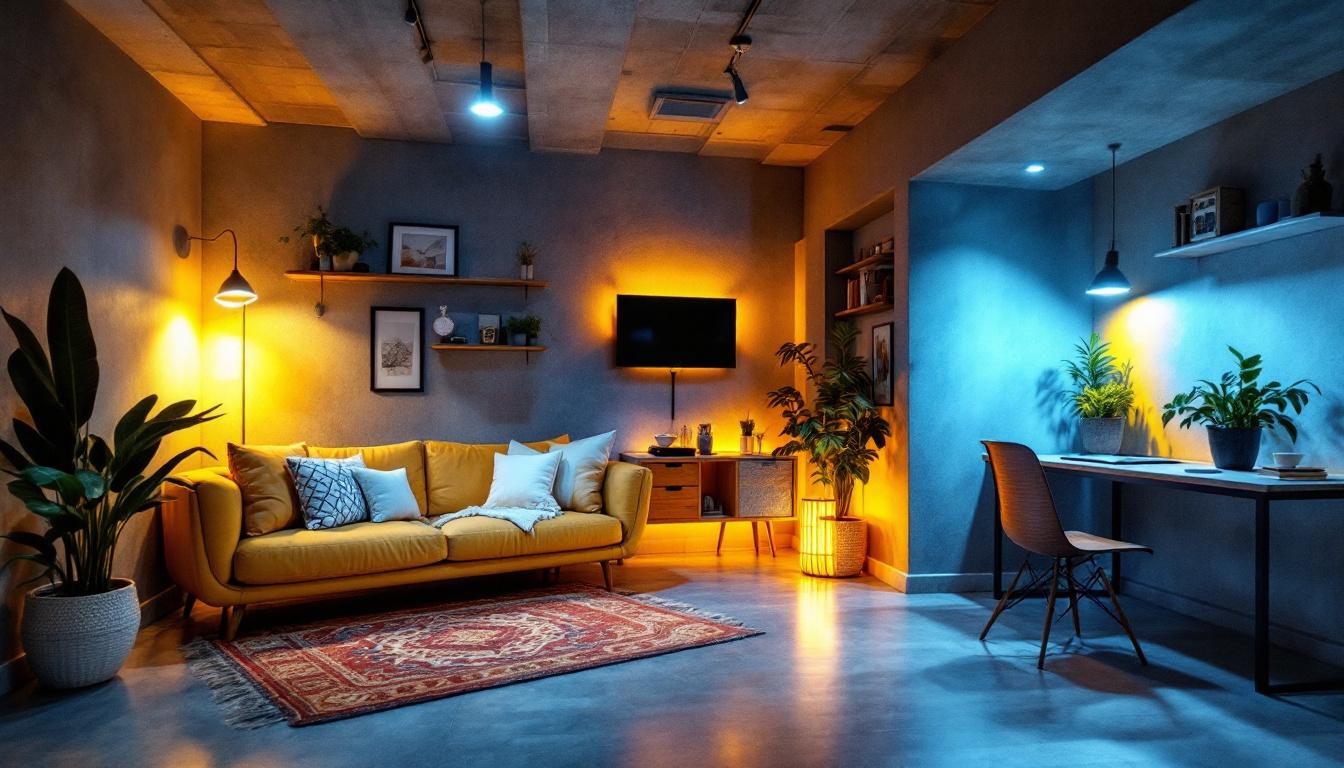
Understanding the Importance of LED Lighting in Basements
Basements present unique challenges when it comes to lighting. Often enclosed and lacking natural light, these spaces require thoughtful illumination solutions to create a safe, functional, and inviting environment. LED basement lighting has become the go-to choice for contractors due to its energy efficiency, longevity, and versatility.
For lighting contractors, understanding the specific needs of basement spaces is critical. Unlike above-ground rooms, basements can suffer from moisture issues, lower ceilings, and limited wiring options. LEDs offer the flexibility to address these challenges effectively, providing bright, consistent light without generating excess heat.
Moreover, LED fixtures contribute to significant energy savings. Basements, often used as utility or recreational spaces, can be lit continuously for extended periods. Using LEDs reduces electricity consumption and maintenance costs, making them a smart investment for homeowners and commercial clients alike.
In addition to their practical benefits, LED lighting also allows for creative design possibilities in basement spaces. With a wide range of styles and color temperatures available, homeowners can choose fixtures that complement their decor, whether they are aiming for a cozy, warm atmosphere or a bright, modern look. For instance, recessed lighting can create a sleek, unobtrusive effect, while pendant lights can serve as striking focal points, enhancing the overall aesthetic of the basement.
Furthermore, the adaptability of LED technology means that smart lighting solutions can be integrated into basement designs. Homeowners can install dimmers or smart controls that allow them to adjust the brightness according to the time of day or specific activities, such as movie nights or gatherings. This level of customization not only enhances the functionality of the space but also contributes to energy efficiency, as lights can be dimmed or turned off when not in use, further reducing electricity costs.
Choosing the Right LED Fixtures for Basement Applications
Fixture Types and Their Applications
Lighting contractors must select fixtures that suit the basement’s layout and purpose. Common LED basement lighting options include recessed lights, flush mounts, strip lights, and track lighting.
Recessed LED lights are ideal for basements with low ceilings, as they provide ample illumination without taking up headroom. These fixtures can be strategically spaced to ensure even light distribution and reduce shadows, which are common in cluttered or irregular basement spaces. Additionally, recessed lights can be fitted with dimmers, allowing for a customizable atmosphere that can shift from bright task lighting to a softer, more ambient glow for movie nights or gatherings.
Flush mount LED fixtures offer a sleek, modern look and are perfect for general lighting in finished basements. Their low-profile design makes them suitable for spaces with limited vertical clearance, while still providing sufficient light coverage. For utility or storage areas, LED strip lights or linear fixtures provide practical, continuous illumination along walls, under shelves, or inside cabinets. These flexible lighting options can also be used to highlight architectural features or create visual interest in a basement that may otherwise feel dark and uninviting.
Color Temperature and Brightness Considerations
Color temperature plays a significant role in basement lighting ambiance. LEDs are available in a range of temperatures from warm white (2700K-3000K) to daylight (5000K-6500K). For basements, contractors often recommend a neutral white (3500K-4100K) to balance warmth and clarity, enhancing visibility without creating a harsh environment. This temperature range not only promotes a welcoming atmosphere but also helps in accurately rendering colors, which is particularly beneficial in spaces used for hobbies or crafts.
Brightness should be tailored to the room’s function. Basements used as living spaces or offices benefit from higher lumen outputs (around 300-500 lumens per fixture), while storage or utility areas may require less intense lighting. Dimmable LEDs add versatility, allowing users to adjust brightness according to their needs. Furthermore, utilizing a layered lighting approach—combining ambient, task, and accent lighting—can enhance the overall functionality and aesthetic of the basement. For instance, incorporating pendant lights over a game table or adjustable track lighting can create focal points that make the space feel more dynamic and inviting.
Installation Best Practices for LED Basement Lighting
Addressing Moisture and Safety Concerns
Basements often have higher humidity levels and potential for water intrusion, which can affect lighting fixtures. Contractors should prioritize LED fixtures rated for damp or wet locations, especially in areas prone to moisture. The selection of fixtures with sealed enclosures can further protect against dust and moisture, ensuring that the lighting remains effective and safe over time. Additionally, using LED bulbs with a higher IP (Ingress Protection) rating can provide an extra layer of assurance against the elements.
Ensuring proper sealing and using moisture-resistant materials during installation helps extend the lifespan of LED fixtures. This includes using caulking and weather stripping around fixtures and junction boxes to prevent moisture ingress. Additionally, incorporating GFCI (Ground Fault Circuit Interrupter) protection in basement circuits enhances safety by preventing electrical shocks in damp environments. Regular maintenance checks can also be beneficial; inspecting fixtures for signs of corrosion or wear can help catch potential issues early, ensuring both safety and functionality for years to come.
Optimizing Wiring and Circuit Layout
Basements may have limited access to existing electrical wiring, requiring contractors to plan circuit layouts carefully. LED lighting’s low power requirements allow for longer runs and the use of fewer circuits, but it’s essential to comply with local electrical codes and standards. When planning the layout, consider the placement of outlets and switches, as well as the potential need for additional lighting in specific areas, such as workspaces or laundry areas. This foresight can enhance the overall usability of the basement while keeping the installation efficient.
Using LED drivers compatible with dimmers and smart controls can future-proof installations, offering clients the option to upgrade their lighting systems with minimal rewiring. Smart lighting systems not only allow for remote control via smartphones or voice assistants but can also adapt to the user’s lifestyle, providing customizable lighting scenes for various activities, from movie nights to home workouts. Moreover, integrating motion sensors can improve energy efficiency by ensuring that lights are only on when the space is occupied, further enhancing the practicality of basement lighting solutions.
Enhancing Basement Spaces with Smart LED Lighting Solutions
Integrating Smart Controls and Automation
Smart LED lighting systems offer significant advantages in basement applications. Lighting contractors can recommend and install fixtures compatible with home automation platforms, enabling clients to control lighting remotely, set schedules, and adjust brightness or color temperature dynamically. This level of control not only enhances the usability of basement spaces but also allows homeowners to create the perfect ambiance for various activities, whether it’s a cozy movie night or a vibrant game night with friends.
Motion sensors are particularly beneficial in basements, automatically turning lights on and off to save energy and improve convenience. For example, stairway lighting that activates upon movement enhances safety in dimly lit areas. Additionally, integrating smart lighting with voice-activated assistants can further streamline the experience; homeowners can simply say a command to illuminate the space as they descend the stairs, eliminating the need to fumble for switches in the dark.
Energy Monitoring and Sustainability
Modern smart LED systems often include energy monitoring features, allowing homeowners to track usage and optimize consumption. This aligns with growing demand for sustainable building practices and can be a compelling selling point for contractors emphasizing green solutions. By providing insights into energy usage patterns, these systems empower homeowners to make informed decisions about their lighting needs, potentially leading to significant cost savings over time.
Furthermore, the longevity of LED technology contributes to sustainability efforts, as these lights have a much longer lifespan compared to traditional incandescent or fluorescent bulbs. This means fewer replacements, less waste, and reduced environmental impact. Some smart LED systems even allow for the integration of renewable energy sources, such as solar panels, enabling homeowners to further decrease their carbon footprint while enjoying the benefits of modern lighting technology in their basements.
Common Challenges and Troubleshooting Tips for Contractors
Dealing with Flickering and Compatibility Issues
Flickering LEDs can frustrate both contractors and clients. Common causes include incompatible dimmers, poor wiring connections, or voltage fluctuations. Selecting LED fixtures and dimmers from reputable manufacturers and ensuring proper installation techniques can mitigate these issues.
Contractors should test lighting systems thoroughly before project completion and educate clients on the proper use of dimmers and controls to prevent future problems.
Addressing Light Distribution and Shadows
Basements often have irregular layouts with support beams, storage units, and low ceilings that create shadows and uneven lighting. Using a combination of fixture types and strategic placement helps achieve balanced illumination.
In some cases, adding accent lighting or wall washers can reduce harsh shadows and improve the overall aesthetic and functionality of the basement space.
Conclusion: Maximizing the Potential of LED Basement Lighting
LED basement lighting offers lighting contractors a versatile, efficient, and durable solution to meet the unique challenges of below-grade spaces. By carefully selecting fixtures, considering environmental factors, and incorporating smart technologies, contractors can deliver lighting systems that enhance safety, comfort, and energy savings.
Staying informed about the latest LED advancements and installation best practices empowers contractors to provide superior service and build lasting client relationships. Ultimately, well-executed LED basement lighting transforms often-overlooked spaces into valuable, well-lit areas that homeowners and businesses can enjoy year-round.
Get Your Premium LED Basement Lighting at LumenWholesale
Ready to elevate your basement lighting projects with the best LED solutions on the market? Look no further than LumenWholesale, where we offer an extensive selection of top-quality, spec-grade lighting products at unbeatable wholesale prices. Say goodbye to local distributor markups and hello to superior lighting that meets the highest industry standards. Plus, with free shipping on bulk orders, you can stock up on premium lighting without any hidden fees or compromises. Don’t miss out on the perfect blend of quality, affordability, and convenience. Visit LumenWholesale now for Wholesale Lighting at the Best Value and transform your basement spaces with confidence.