Introduction to Ceiling Fans and Lighting Efficiency
Ceiling fans play a crucial role in enhancing the comfort of indoor spaces while also contributing to energy efficiency. When designed and manufactured in the USA, these fans often adhere to higher quality standards and sustainability practices. For lighting contractors, understanding how to optimize ceiling fans for maximum efficiency in lighting is essential not only for client satisfaction but also for promoting energy-saving solutions.
As the demand for energy-efficient solutions continues to grow, integrating ceiling fans with lighting systems can significantly improve the overall performance of a space. This article explores various strategies for optimizing ceiling fans, particularly those made in the USA, to enhance lighting efficiency.
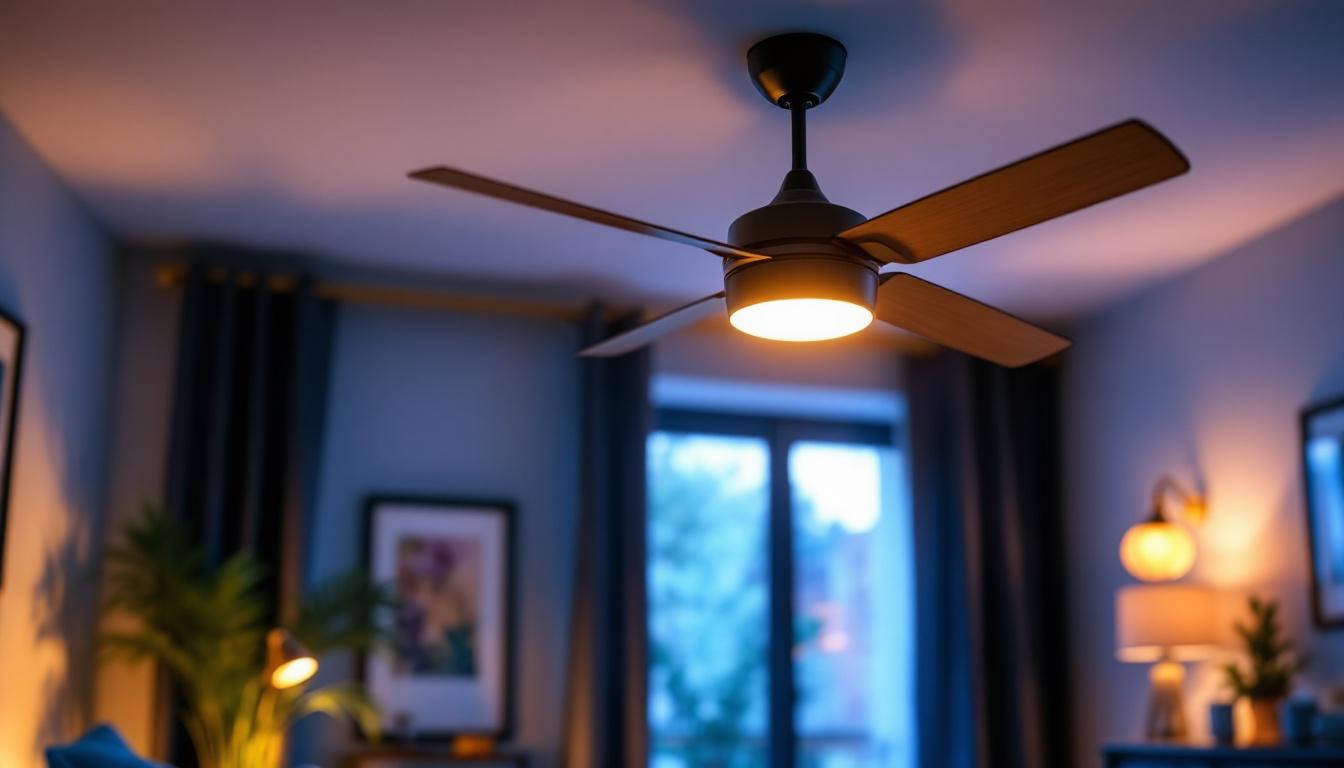
One effective strategy is to utilize ceiling fans that come equipped with integrated LED lighting. These fixtures not only provide illumination but also allow for better air circulation, which can reduce the reliance on heating and cooling systems. By combining the functions of lighting and air movement, homeowners can create a more comfortable environment while simultaneously lowering their energy bills. Furthermore, many modern ceiling fans offer smart technology features, enabling users to control both the fan speed and lighting intensity through mobile apps or voice commands, thus enhancing convenience and efficiency.
Additionally, the placement and design of ceiling fans are critical factors in maximizing their effectiveness. For instance, positioning fans in the center of a room can ensure optimal airflow, while selecting models with a higher blade pitch can increase air movement without consuming excessive energy. Moreover, the aesthetic appeal of ceiling fans has evolved, with a variety of styles and finishes available to complement any interior design. This means that contractors can not only focus on functionality but also on how these fans can enhance the overall ambiance of a space, making them a valuable addition to any lighting project.
Understanding the Relationship Between Ceiling Fans and Lighting
Ceiling fans and lighting work together to create a comfortable and inviting atmosphere in any room. However, the synergy between these two elements is often overlooked. Properly designed ceiling fans can help distribute light more evenly, reduce the need for excessive lighting, and consequently lower energy consumption.
The Role of Air Circulation
One of the primary functions of a ceiling fan is to circulate air within a room. This circulation can significantly affect how light is perceived in a space. By creating a gentle breeze, ceiling fans can help diffuse light, making it appear softer and more evenly distributed. This is particularly beneficial in larger rooms where lighting can sometimes be uneven.
Moreover, the movement of air can enhance the effectiveness of natural light. During daylight hours, a ceiling fan can help distribute sunlight throughout the room, reducing the reliance on artificial lighting. This not only saves energy but also creates a more pleasant environment.
Choosing the Right Ceiling Fan for Lighting Integration
When selecting a ceiling fan for a space, it is essential to consider its design and functionality in relation to the lighting system. Ceiling fans come in various styles, sizes, and finishes, which can complement the overall aesthetic of a room while also enhancing lighting efficiency.
For instance, fans with integrated lighting fixtures can provide both illumination and air circulation, streamlining the design and reducing the need for additional light sources. Furthermore, selecting fans with adjustable speed settings allows for greater control over air circulation, which can be tailored to the specific lighting needs of the space.
Additionally, the choice of bulb type in ceiling fan lighting can greatly influence the ambiance of a room. LED bulbs, for example, are energy-efficient and have a longer lifespan compared to traditional incandescent bulbs. They also come in various color temperatures, allowing homeowners to select warm or cool light depending on the desired mood. Pairing these bulbs with dimmable features can further enhance the versatility of the ceiling fan, enabling users to adjust the brightness according to the time of day or activity, whether it’s a cozy evening gathering or a bright, energizing morning.
Another important consideration is the height and placement of the ceiling fan itself. A fan installed too low may obstruct light, while one placed too high may not circulate air effectively. Ideally, the fan should be installed at least 7 to 9 feet above the floor to optimize both air movement and lighting. This height ensures that the light from the fixtures is unobstructed, while also providing the necessary airflow to keep the room comfortable throughout the year.
Optimizing Ceiling Fans for Maximum Lighting Efficiency
To achieve maximum efficiency from ceiling fans in conjunction with lighting, several strategies can be employed. These strategies focus on installation, maintenance, and the integration of technology.
Proper Installation Techniques
The installation of ceiling fans is critical to their performance. Fans should be mounted at an appropriate height to ensure optimal air circulation and lighting effectiveness. Generally, ceiling fans should be installed approximately 8 to 9 feet above the floor for maximum efficiency.
Additionally, the placement of the fan in relation to light fixtures is essential. Fans should be positioned to avoid casting shadows from light sources, which can detract from the overall lighting quality in a room. Ensuring that the fan blades are not obstructed by furniture or other decor can also enhance air circulation and lighting distribution.
Regular Maintenance for Optimal Performance
Regular maintenance of ceiling fans is crucial for ensuring their efficiency. Dust and debris can accumulate on fan blades, hindering their ability to circulate air effectively. Cleaning the blades regularly not only improves air movement but also enhances the quality of light by preventing shadows and reflections caused by dirt buildup.
Moreover, checking the fan’s motor and electrical connections periodically can prevent performance issues. A well-maintained ceiling fan operates more efficiently, which translates to better lighting performance and lower energy costs.
Incorporating Smart Technology
Advancements in smart technology have revolutionized the way ceiling fans and lighting systems can be integrated. Smart ceiling fans can be controlled remotely, allowing users to adjust settings based on their preferences. This technology can optimize both air circulation and lighting levels in real-time, leading to increased energy efficiency.
Furthermore, smart fans can be programmed to work in conjunction with smart lighting systems. For instance, a smart ceiling fan can automatically adjust its speed based on the amount of natural light entering a room, ensuring that artificial lighting is only used when necessary. This level of integration not only enhances comfort but also promotes energy conservation.
Energy-Efficient Lighting Solutions
In addition to optimizing ceiling fans, selecting the right lighting solutions is paramount for achieving maximum efficiency. Energy-efficient lighting options can complement ceiling fans and contribute to a sustainable environment.
LED Lighting: A Perfect Match
LED lighting has become a popular choice for energy-conscious consumers. These bulbs consume significantly less energy than traditional incandescent bulbs and have a longer lifespan, making them a cost-effective solution in the long run. When paired with ceiling fans, LED lights can enhance the overall efficiency of a space.
Moreover, LED lights produce less heat compared to incandescent bulbs, which can help maintain a comfortable temperature when used in conjunction with ceiling fans. This synergy can lead to reduced reliance on air conditioning, further lowering energy costs.
Utilizing Dimmers and Controls
Incorporating dimmers and controls into lighting systems can significantly enhance energy efficiency. Dimming lights can reduce energy consumption while allowing for customizable lighting levels based on the time of day or specific activities. When combined with ceiling fans, this flexibility can create a more comfortable environment.
For instance, during evening hours, dimming the lights while running the ceiling fan at a lower speed can create a cozy atmosphere without excessive energy use. This level of control not only improves comfort but also encourages energy-saving habits among occupants.
Case Studies: Successful Integration of Ceiling Fans and Lighting
Examining real-world examples of successful ceiling fan and lighting integration can provide valuable insights for lighting contractors. These case studies highlight the benefits of optimizing ceiling fans for energy efficiency and improved lighting quality.
Residential Applications
In residential settings, homeowners have reported significant energy savings after integrating ceiling fans with LED lighting. By strategically placing ceiling fans in living areas and bedrooms, they were able to reduce their reliance on air conditioning and artificial lighting during the day.
One notable case involved a family who replaced their traditional ceiling fan with an energy-efficient model that included integrated LED lighting. The result was a 30% reduction in their monthly energy bills, demonstrating how effective this integration can be.
Commercial Spaces
In commercial environments, optimizing ceiling fans and lighting can lead to substantial cost savings. A local restaurant implemented a ceiling fan and LED lighting system in their dining area, resulting in improved customer comfort and a notable decrease in energy expenses.
The restaurant’s management reported that the combination of ceiling fans and energy-efficient lighting not only enhanced the ambiance but also allowed them to maintain a comfortable temperature without relying heavily on air conditioning. This integration proved to be a win-win for both the business and its patrons.
Conclusion: The Future of Ceiling Fans and Lighting Efficiency
As the demand for energy-efficient solutions continues to grow, ceiling fans made in the USA will play an increasingly important role in optimizing lighting efficiency. By understanding the relationship between ceiling fans and lighting, contractors can provide valuable recommendations to their clients, ultimately leading to enhanced comfort and significant energy savings.
Through proper installation, regular maintenance, and the incorporation of smart technology, ceiling fans can be optimized to work in harmony with lighting systems. Additionally, selecting energy-efficient lighting solutions such as LED bulbs and utilizing dimmers can further enhance the overall efficiency of a space.
Incorporating these strategies not only benefits individual clients but also contributes to a more sustainable future. As lighting contractors continue to embrace innovative solutions, the integration of ceiling fans and lighting will undoubtedly evolve, paving the way for a more energy-efficient world.
Illuminate Your Projects with LumenWholesale
Ready to elevate your lighting projects with the efficiency and quality of American-made ceiling fans? At LumenWholesale, we’re committed to providing you with the best spec-grade lighting products at unbeatable wholesale prices. Say goodbye to middleman markups and hello to a vast selection of reliable, high-performance lighting that meets the highest industry standards. Make your next project shine with the perfect blend of quality, affordability, and convenience. For Wholesale Lighting at the Best Value, visit LumenWholesale today and take advantage of our hassle-free bulk buying with free shipping. Your clients—and their energy bills—will thank you!