Getting Precise Measurements: The Foundation of Efficient Recessed Lighting Installation
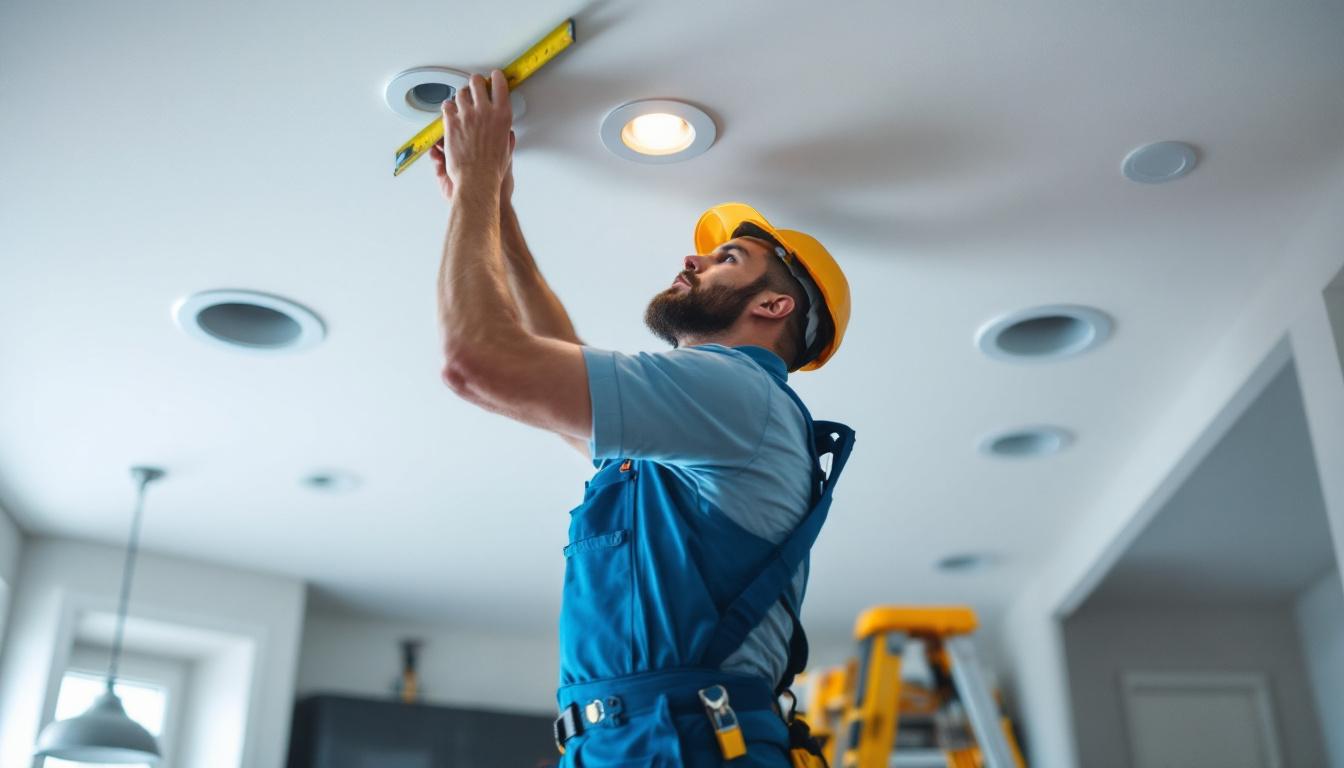
Accurate measurements are the backbone of any successful recessed lighting project. Without them, contractors risk ordering incorrect fixtures, misplacing lights, or creating uneven illumination—all of which can lead to costly rework and dissatisfied clients. For lighting contractors, mastering the art of measuring spaces for recessed lighting not only ensures a flawless finish but also streamlines the entire installation process.
Before diving into fixture selection or layout design, it’s essential to understand the dimensions and characteristics of the space. This includes ceiling height, room size, and any architectural features like beams or soffits that might affect light placement. Taking precise measurements upfront reduces waste and helps avoid expensive last-minute adjustments. Additionally, considering the room’s intended use can influence the type and intensity of lighting required. For instance, a home office may benefit from brighter, focused lighting, while a living room might call for softer, ambient illumination to create a cozy atmosphere.
Tools of the Trade: What You Need to Measure Accurately
Reliable tools make the difference between guesswork and precision. A quality laser distance measurer is invaluable for quickly capturing room dimensions and ceiling heights with minimal effort. Unlike traditional tape measures, laser devices provide instant, accurate readings—even in tight or awkward spaces. These tools can also store multiple measurements, allowing for easy comparisons and adjustments as you finalize your lighting plan.
Complement this with a sturdy measuring tape for smaller details and a level to ensure fixtures will be installed flush and straight. Digital angle finders can also come in handy when dealing with sloped or vaulted ceilings, helping you determine the correct orientation for each light. It’s also wise to have a notepad or digital device handy to record measurements and notes, as this will help keep track of any changes or considerations that arise during the planning phase.
Mapping the Space: Creating a Detailed Layout
Once measurements are in hand, sketching a detailed floor plan is the next step. This doesn’t require architectural software; even a hand-drawn diagram with scaled dimensions works. Mark locations of walls, doors, windows, and any obstacles that could affect light placement. Additionally, consider the natural light sources in the room, as these will impact the overall lighting design. Rooms with large windows may need fewer recessed lights, while darker areas may require more fixtures to achieve the desired brightness.
Highlight areas that require focused lighting, such as workspaces or display zones, as well as general ambient lighting needs. This map becomes a reference point throughout the project, ensuring all stakeholders are aligned and helping avoid costly miscommunication. Furthermore, it can serve as a valuable tool for future renovations or adjustments, allowing for easy updates to the lighting scheme as needs change. By taking the time to create a comprehensive layout, contractors can enhance both the aesthetic and functional aspects of the space, ultimately leading to a more satisfying outcome for clients.
Optimizing Light Placement: Balancing Functionality and Cost
Strategic placement of recessed lights can dramatically impact both the effectiveness of the lighting and the project’s bottom line. Over-lighting wastes fixtures and energy; under-lighting disappoints clients and may require costly fixes. Striking the right balance is key.
Spacing Guidelines: Avoiding Common Pitfalls
A widely accepted rule of thumb is to space recessed lights approximately half the ceiling height apart. For example, in an 8-foot ceiling, lights should be spaced about 4 feet from each other. This spacing provides even illumination without creating dark spots or excessive glare.
However, this guideline can vary depending on fixture type, beam angle, and room function. For kitchens or work areas, closer spacing or additional task lighting may be necessary. Living rooms and bedrooms often benefit from wider spacing to create a softer ambiance. Additionally, considering the color and reflectivity of wall and ceiling surfaces can further influence light distribution. Lighter colors tend to reflect more light, allowing for greater efficiency in illumination, while darker colors may absorb light, necessitating more fixtures to achieve the desired brightness.
Accounting for Ceiling Features and Obstructions
Architectural elements like beams, ductwork, or ceiling fans can interfere with recessed light placement. Accurately measuring these features and incorporating them into your layout prevents clashes and ensures a clean installation.
In some cases, it may be more cost-effective to adjust fixture positions slightly rather than modify structural elements. Early identification of these challenges saves time and money during installation. Furthermore, utilizing adjustable recessed lights can provide flexibility in directing light where it’s needed most, especially in rooms with multiple uses or changing layouts. This adaptability not only enhances functionality but can also be a selling point for potential buyers, as it allows for personalized lighting solutions that cater to individual preferences.
Using Dimmers and Controls to Maximize Efficiency
Integrating dimmers and smart controls allows clients to adjust lighting levels based on need, reducing energy consumption and extending fixture life. When measuring and planning, consider the wiring and space requirements for these controls to avoid costly retrofits.
Moreover, incorporating smart home technology can elevate the user experience, enabling homeowners to automate lighting based on time of day or occupancy. For instance, motion sensors can activate lights when someone enters a room, ensuring safety and convenience while also conserving energy when the space is unoccupied. By embracing these advancements, you not only enhance the functionality of the lighting system but also align your project with modern trends, appealing to tech-savvy clients looking for efficiency and innovation in their homes.
Material and Fixture Selection: Impact on Cost and Performance
Choosing the right fixtures and materials is as important as accurate measurements. The wrong choice can inflate costs or compromise lighting quality, while the right one enhances both.
Fixture Size and Housing: Matching Measurements to Products
Recessed lighting fixtures come in various sizes, typically ranging from 3 to 6 inches in diameter. The size affects both the light spread and the fixture’s compatibility with ceiling types. Accurate ceiling measurements ensure you select housings that fit properly without requiring additional ceiling modifications.
For example, shallow housings are ideal for ceilings with limited plenum space, while remodel housings are designed for retrofitting existing ceilings. Knowing the exact ceiling thickness and available space prevents ordering incompatible fixtures.
Energy-Efficient Options: Long-Term Savings
LED recessed lights have become the industry standard due to their energy efficiency and long lifespan. While upfront costs may be higher than traditional incandescent or halogen fixtures, the reduced energy consumption and maintenance translate into significant savings over time.
When measuring and planning, consider the fixture’s lumen output and color temperature to meet client preferences and project requirements. Selecting the right LED fixtures can also reduce the number of lights needed, further cutting costs.
Trim and Lens Choices: Enhancing Aesthetics and Functionality
The trim style affects both the look and performance of recessed lights. Options include baffle trims that reduce glare, reflector trims that increase brightness, and adjustable trims for directional lighting. Accurate measurements ensure trims fit seamlessly and align with the overall design.
Lens types also influence light diffusion and beam spread. Choosing the appropriate lens based on room function and client expectations enhances satisfaction and reduces the likelihood of costly adjustments.
Cost-Saving Strategies Through Efficient Measurement and Planning
Beyond technical accuracy, measurement and planning offer opportunities to reduce expenses and improve project profitability.
Batch Ordering and Material Consolidation
Accurate measurements enable contractors to order materials in bulk, often securing discounts and reducing shipping costs. Consolidating fixture orders based on precise room dimensions minimizes surplus inventory and waste.
Additionally, having a clear layout helps avoid ordering unnecessary components, such as extra housings or trims, which can tie up capital and storage space.
Minimizing Labor Costs with Pre-Planning
Well-measured and planned projects reduce on-site decision-making and rework, which are major drivers of labor costs. When installers know exactly where and how many fixtures to place, the installation proceeds smoothly and quickly.
Using detailed diagrams and measurement notes also facilitates communication among team members and subcontractors, preventing costly misunderstandings.
Leveraging Technology for Accurate and Efficient Measurement
Adopting digital tools like laser measuring devices and design software can improve accuracy and speed. Some contractors use mobile apps to create digital floor plans and simulate lighting layouts, allowing clients to visualize results before installation.
These technologies reduce errors and enable contractors to provide precise quotes, enhancing client trust and reducing the risk of budget overruns.
Common Measurement Mistakes and How to Avoid Them
Even experienced contractors can fall into measurement traps that lead to costly errors. Awareness and proactive strategies help sidestep these pitfalls.
Ignoring Ceiling Height Variations
Ceiling heights may vary within a single room due to architectural features or uneven construction. Measuring only at one point can result in improper fixture placement or uneven lighting.
Take multiple height measurements across the space and note any discrepancies. Adjust fixture positions accordingly to maintain consistent illumination and aesthetics.
Overlooking Obstructions and Utilities
Failing to account for HVAC ducts, plumbing, or electrical wiring can cause delays and extra expenses. Always inspect ceiling cavities and consult building plans when available.
When obstructions are present, measure their locations precisely and plan fixture placements to avoid interference or additional ceiling work.
Relying Solely on Rule-of-Thumb Spacing
While general guidelines are helpful, each project is unique. Rigidly applying spacing rules without considering room function, fixture type, and client preferences can lead to suboptimal results.
Use measurements as a foundation but customize layouts based on specific project needs to maximize lighting effectiveness and client satisfaction.
Final Thoughts: Measurement as a Competitive Advantage
For lighting contractors, mastering measurement techniques for recessed lighting is more than a technical skill-it’s a strategic advantage. Accurate, thoughtful measurement and planning reduce waste, improve installation efficiency, and enhance client satisfaction.
Investing time and resources into precise measurement tools and processes pays dividends in project profitability and reputation. By approaching each project with a meticulous eye, contractors can deliver superior lighting solutions while controlling costs effectively.
Get Your Lighting Essentials at LumenWholesale
Ready to put these cost-saving measurement strategies into action? At LumenWholesale, we provide lighting contractors with the high-quality, spec-grade lighting products you need at prices that can’t be beaten. Say goodbye to middleman markups and hello to our extensive selection that meets the highest industry standards. With free shipping on bulk orders, you can stock up on premium lighting solutions and keep your projects shining bright and budget-friendly. Elevate your lighting game and discover the best value in wholesale lighting today!