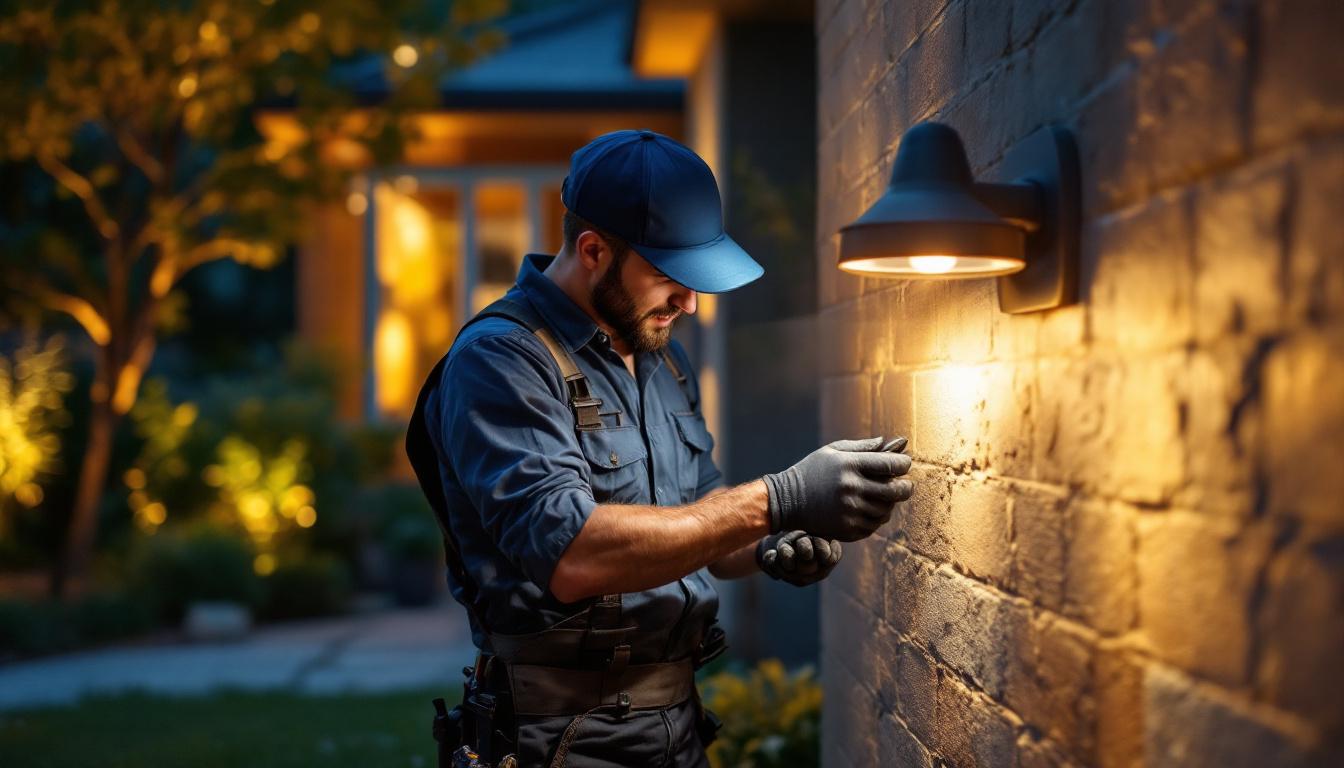
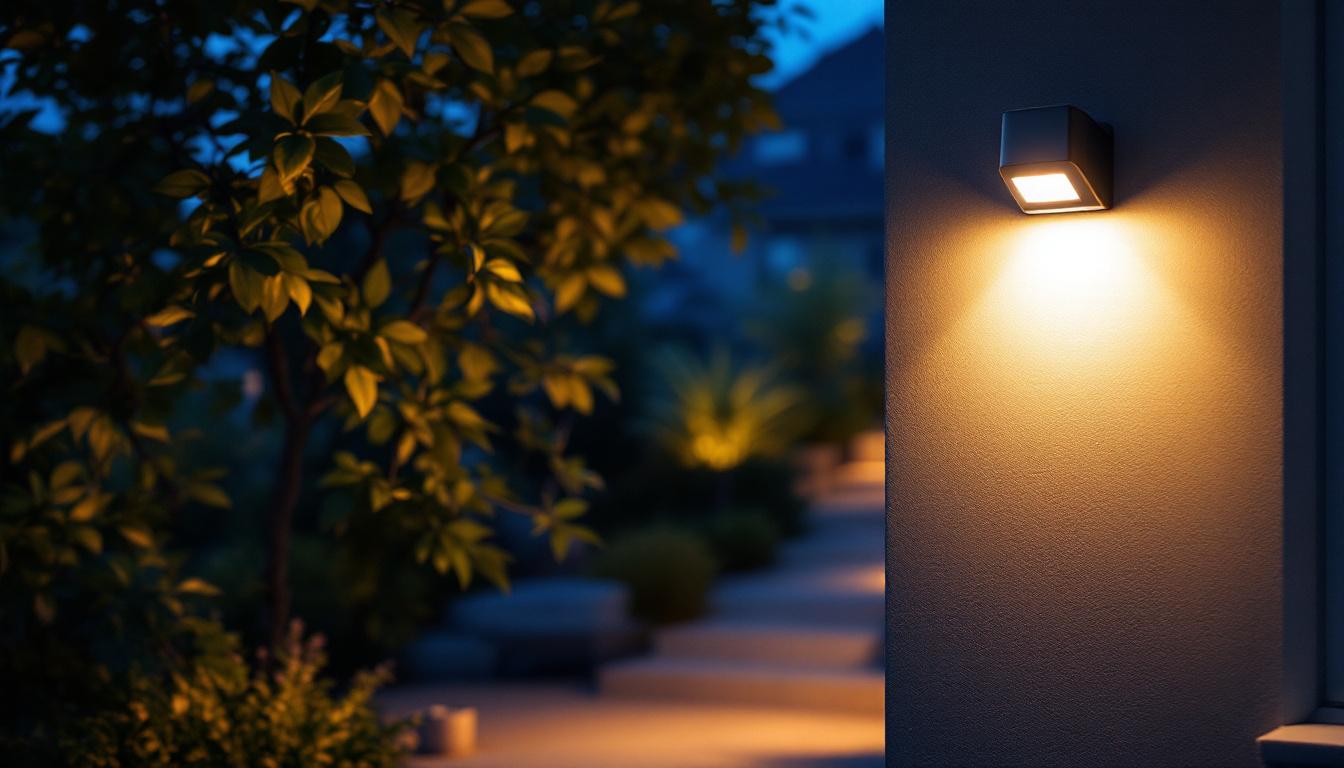
Understanding the Importance of Address Lighting
Address lighting is a critical yet often overlooked element in exterior lighting design. For lighting contractors, ensuring that an address is clearly visible from the street is not just about aesthetics—it’s about functionality, safety, and compliance. Properly illuminated addresses help emergency responders locate homes quickly, assist delivery services, and enhance the overall curb appeal of a property.
In many municipalities, there are specific regulations governing address visibility, including size, placement, and illumination standards. Failure to comply with these can lead to fines or, more importantly, endanger lives during emergencies. For contractors, mastering the nuances of address lighting can differentiate their services and build trust with clients.
Why Visibility Matters
Clear address visibility is essential for several reasons. Emergency services such as fire departments, police, and paramedics rely heavily on visible house numbers to respond promptly. According to studies, delayed response times due to unclear or missing address numbers can have serious consequences. Furthermore, delivery drivers and visitors benefit from well-lit addresses, reducing confusion and missed deliveries.
From a business perspective, lighting contractors who prioritize address lighting demonstrate professionalism and attention to detail. This can lead to repeat business and referrals, as homeowners appreciate contractors who consider all aspects of exterior lighting.
Moreover, the aesthetic aspect of address lighting should not be underestimated. Well-designed address lighting can complement the architectural features of a home, creating a cohesive look that enhances the property’s overall appeal. Homeowners often seek to create a welcoming atmosphere, and a well-lit address contributes to that goal. By incorporating stylish fixtures or creative lighting techniques, contractors can offer homeowners unique solutions that reflect their personal style while fulfilling practical needs.
Additionally, advancements in LED technology have transformed the landscape of address lighting. LEDs provide energy-efficient options that require less maintenance and offer a longer lifespan compared to traditional lighting solutions. This not only benefits the environment but also appeals to homeowners looking to reduce their energy bills. As such, lighting contractors who stay informed about the latest trends and technologies in address lighting can provide clients with innovative solutions that are both functional and sustainable.
Key Considerations for Effective Address Lighting
When planning and installing address lighting, contractors must evaluate several factors to ensure optimal results. These include location, lighting type, energy efficiency, and compliance with local codes.
Placement and Positioning
One of the first steps is determining the best location for the address numbers and their lighting. Ideally, numbers should be placed where they are easily visible from the street or driveway, unobstructed by landscaping or architectural features. Common placements include near the front door, on a mailbox post, or on a dedicated signpost.
Lighting fixtures should be positioned to avoid casting shadows on the numbers. For example, a downward-facing light mounted above the numbers or a spotlight angled carefully can illuminate the address without glare or dark spots. Contractors should also consider the height and angle to maximize visibility for passing vehicles. In addition, it’s crucial to think about the surrounding environment; for instance, if the property is located on a busy street, brighter lights may be necessary to ensure visibility amidst the distraction of passing traffic. Conversely, in quieter neighborhoods, softer lighting may suffice, providing a warm welcome without overwhelming the aesthetic of the home.
Choosing the Right Lighting Fixtures
The choice of lighting fixtures plays a significant role in the effectiveness and longevity of address lighting. LED lights are the preferred option due to their energy efficiency, long lifespan, and ability to produce bright, focused illumination. LEDs also offer a variety of color temperatures, allowing contractors to select a warm or cool light that complements the property’s exterior.
In addition to LEDs, solar-powered address lights are gaining popularity, especially in areas where running electrical wiring is challenging. These fixtures are easy to install and environmentally friendly, though contractors should assess the site’s sunlight exposure to ensure consistent performance. Moreover, the aesthetic appeal of the fixtures should not be overlooked; decorative designs can enhance the overall curb appeal of a property while still serving their functional purpose. Options such as vintage lanterns or sleek modern designs can be chosen to match the architectural style of the home, creating a cohesive look that adds to the property’s charm.
Energy Efficiency and Sustainability
Modern lighting contractors are increasingly expected to incorporate energy-efficient solutions. Address lighting is no exception. Utilizing LED technology and solar options reduces energy consumption and maintenance costs for homeowners. Additionally, integrating motion sensors or timers can ensure that address lights operate only when needed, further conserving energy.
Contractors should also educate clients on the benefits of sustainable lighting practices, highlighting long-term savings and environmental impact. This approach not only aligns with current industry trends but also enhances the contractor’s reputation as a responsible professional. Furthermore, promoting the use of materials that are recyclable or sourced sustainably can resonate with eco-conscious clients, making the project more appealing. By emphasizing a commitment to sustainability, contractors can differentiate themselves in a competitive market, attracting clients who prioritize green practices in their home improvements.
Compliance with Local Codes and Standards
Every municipality has its own set of regulations regarding address visibility and lighting. These may include minimum size requirements for numbers, illumination levels, and placement guidelines. Lighting contractors must familiarize themselves with these codes to ensure installations meet legal standards.
Non-compliance can result in costly rework and dissatisfied clients. Therefore, maintaining up-to-date knowledge of local ordinances and incorporating them into project planning is essential. Some regions may also require permits for exterior lighting installations, which contractors should manage proactively. Additionally, it can be beneficial for contractors to establish relationships with local zoning boards or building departments, as this can provide valuable insights into upcoming changes in regulations and help streamline the permitting process. By being proactive and informed, contractors can ensure that their projects not only meet but exceed local standards, fostering trust and reliability with their clients.
Installation Best Practices for Lighting Contractors
Successful address lighting installations depend on meticulous planning and execution. Lighting contractors should follow best practices to deliver reliable, high-quality results that satisfy clients and meet safety standards.
Site Assessment and Planning
Before installation, conduct a thorough site assessment to identify potential obstacles such as trees, shrubs, or architectural features that could block light or numbers. Evaluate ambient lighting conditions, including streetlights and neighboring properties, to determine the appropriate brightness and fixture type.
Using tools such as light meters and digital mapping can assist in designing a lighting layout that maximizes visibility while minimizing light pollution. Collaborating with homeowners to understand their preferences and concerns ensures the final design aligns with their expectations.
Proper Wiring and Weatherproofing
Address lighting fixtures are exposed to various weather conditions, so proper wiring and weatherproofing are paramount. Use outdoor-rated cables and connectors, and ensure all electrical components are sealed against moisture and dust. Installing ground fault circuit interrupters (GFCIs) enhances safety by preventing electrical shocks.
For solar-powered fixtures, ensure batteries and panels are securely mounted and protected from potential damage. Regular maintenance instructions should be provided to clients to prolong the lifespan of the installation.
Testing and Quality Assurance
After installation, thoroughly test the lighting system during different times of the day and night to verify consistent illumination and address visibility. Adjust fixture angles and brightness as needed to eliminate shadows or glare.
Documenting the installation with photos and providing clients with a detailed report and maintenance guidelines fosters transparency and professionalism. Offering follow-up services or inspections can also build long-term client relationships.
Emerging Trends and Technologies in Address Lighting
The field of address lighting continues to evolve with advances in technology and design. Lighting contractors who stay informed about these trends can offer innovative solutions that enhance functionality and appeal.
Smart Lighting Systems
Smart address lighting integrates with home automation systems, allowing homeowners to control illumination remotely via smartphones or voice assistants. Features such as adjustable brightness, color tuning, and scheduling provide convenience and customization.
For contractors, installing smart lighting requires familiarity with compatible devices and network configurations. Educating clients on the benefits and operation of these systems can position contractors as forward-thinking professionals.
Photoluminescent and Reflective Materials
In addition to traditional lighting, some contractors incorporate photoluminescent or reflective address numbers. These materials absorb ambient light during the day and glow softly at night or reflect vehicle headlights, enhancing visibility without additional power consumption.
While not a replacement for active lighting, these options can complement address lighting designs, especially in low-light environments or where electrical access is limited.
Integration with Landscape and Architectural Lighting
Address lighting is increasingly being integrated seamlessly with broader landscape and architectural lighting schemes. This holistic approach ensures cohesive aesthetics and functional illumination across the property.
Lighting contractors skilled in multi-faceted exterior lighting design can create visually appealing environments that highlight architectural features while maintaining clear address visibility. This adds value to the contractor’s portfolio and client satisfaction.
Conclusion: Elevating Address Lighting Standards
Address lighting is a vital component of exterior lighting that directly impacts safety, convenience, and property aesthetics. For lighting contractors, adhering to best practices—from site assessment and fixture selection to installation and compliance—ensures successful projects and satisfied clients.
By embracing energy-efficient technologies, smart systems, and innovative materials, contractors can stay ahead in a competitive market and contribute to safer, more beautiful neighborhoods. Prioritizing address lighting not only fulfills a practical need but also reflects a commitment to excellence and community well-being.
Illuminate Your Projects with LumenWholesale
Ready to elevate your address lighting projects with the best in class lighting solutions? At LumenWholesale, we provide lighting contractors with the highest quality, spec-grade lighting products at unbeatable wholesale prices. Our extensive selection is designed to meet the most rigorous industry standards, ensuring that every installation shines with reliability and performance. Say goodbye to middleman markups and hello to hassle-free bulk buying with free shipping. Choose LumenWholesale for premium lighting that combines quality, affordability, and convenience, all in one place. Take the next step towards brighter, safer, and more aesthetically pleasing neighborhoods. Wholesale Lighting at the Best Value is just a click away.