Understanding the Role of Downlights in Landscape Lighting
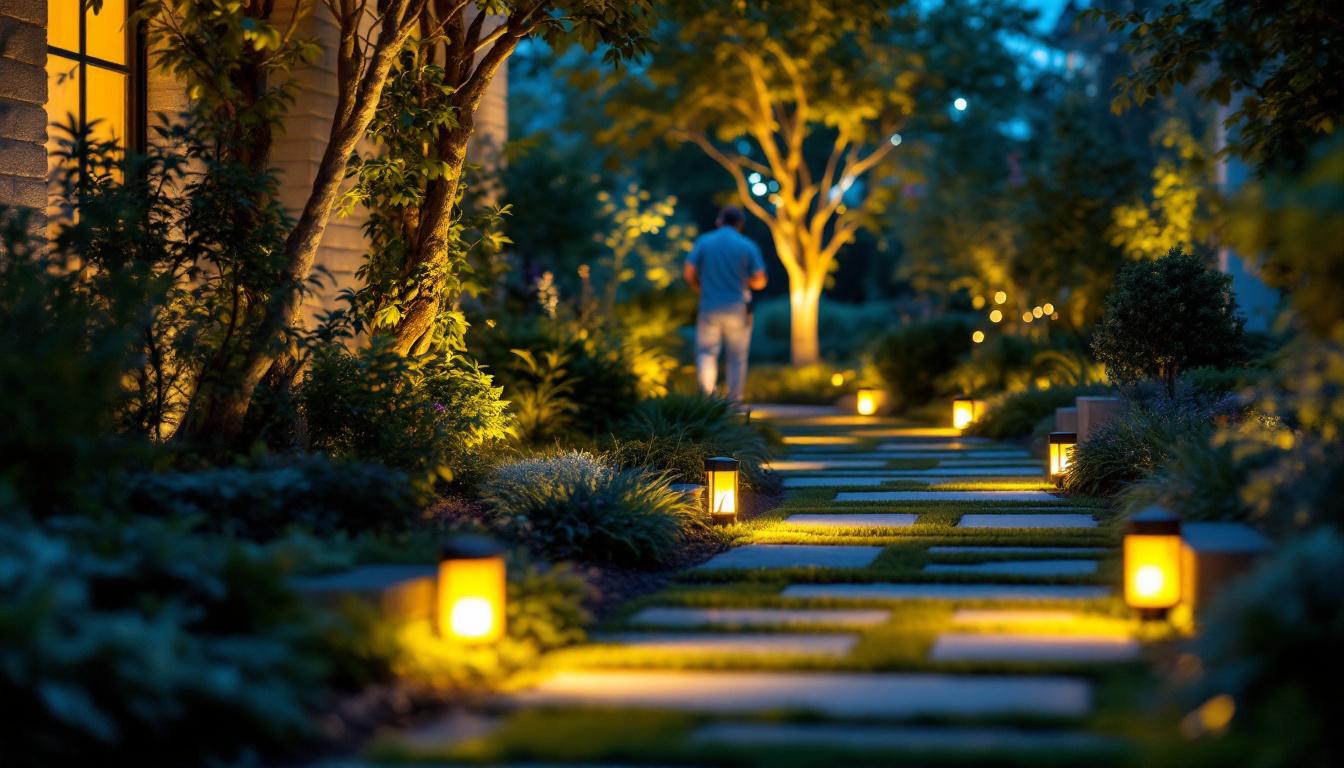
Landscape lighting downlights are a fundamental component in creating stunning outdoor environments. Unlike traditional uplighting or path lighting, downlights are installed above the subject, casting light downward to mimic natural moonlight or ambient lighting. This subtle approach enhances depth and texture, providing a sophisticated aesthetic that appeals to homeowners and commercial clients alike.
For lighting contractors, mastering the use of downlights means understanding their unique ability to highlight architectural features, trees, and garden elements without overwhelming the space. Downlights can create dramatic shadows and layered lighting effects that add dimension to any landscape design. Their versatility makes them a preferred choice for both subtle illumination and accent lighting.
Moreover, downlighting is essential for safety and security, illuminating walkways and entrances while maintaining a natural look. This balance between functionality and beauty is what sets expert lighting contractors apart in the competitive landscape lighting industry.
In addition to their aesthetic and practical benefits, downlights can also contribute to energy efficiency when paired with LED technology. Modern LED downlights consume significantly less power than traditional incandescent bulbs, allowing homeowners to enjoy beautifully lit outdoor spaces without incurring high energy bills. Furthermore, many LED options come with adjustable brightness settings, enabling users to customize the intensity of the light to suit different occasions, from intimate gatherings to lively outdoor parties.
Another significant advantage of downlights is their ability to blend seamlessly into various landscape styles. Whether it’s a contemporary garden with sleek lines or a rustic outdoor space filled with natural elements, downlights can be strategically placed to enhance the overall design. By choosing fixtures that complement the existing architecture and landscape features, contractors can create a cohesive look that elevates the entire outdoor experience. This thoughtful integration not only beautifies the space but also encourages outdoor living, allowing homeowners to enjoy their gardens long after sunset.
Key Design Principles for Effective Downlighting
Placement and Angle Considerations
Proper placement and angling of downlights are critical to achieving the desired effect. Lighting contractors emphasize that downlights should be positioned high enough to cover a broad area but angled carefully to avoid glare or harsh shadows. Typically, mounting downlights on trees, pergolas, or building eaves between 8 to 12 feet above ground ensures optimal coverage.
Adjusting the beam angle is equally important. Narrow beams focus light on specific features, while wider beams provide general illumination. Contractors often recommend using adjustable fixtures that allow fine-tuning on-site, accommodating variations in landscape elements and client preferences. Additionally, the use of dimmable downlights can further enhance flexibility, allowing homeowners to adjust the intensity of the light based on the time of day or the mood they wish to create. This adaptability is particularly beneficial for outdoor spaces that serve multiple functions, from lively gatherings to serene evening retreats.
Layering Light for Depth and Ambiance
One of the most effective strategies in landscape lighting is layering different types of lights, and downlights play a crucial role in this technique. Combining downlights with uplights, path lights, and spotlights creates a multidimensional effect that enhances the overall ambiance.
Downlights provide a soft, natural glow that complements the sharper contrasts created by uplighting. This layering helps avoid flat or overly bright landscapes, instead producing a balanced environment that feels inviting and visually interesting. Moreover, incorporating various color temperatures can enrich the atmosphere; for instance, warm white downlights can create a cozy feel, while cooler tones may lend a more modern aesthetic. By strategically mixing these elements, designers can craft a dynamic lighting scheme that not only highlights architectural features but also draws attention to the beauty of the surrounding flora, creating a harmonious blend of light and nature that evolves throughout the evening.
Technical Considerations and Fixture Selection
Choosing the Right Fixtures and Bulbs
Lighting contractors must carefully select fixtures and bulbs to meet both aesthetic and functional requirements. LED technology dominates the market due to its energy efficiency, longevity, and color rendering capabilities. High-quality LED downlights offer adjustable color temperatures, allowing contractors to tailor the warmth or coolness of the light to suit the landscape’s mood. Additionally, the use of dimmable LEDs can further enhance the versatility of the lighting scheme, enabling transitions from bright task lighting to softer ambient illumination as the day progresses.
Fixture durability is another critical factor. Outdoor downlights must withstand weather extremes, moisture, and insect intrusion. IP-rated fixtures (typically IP65 or higher) ensure protection against dust and water, extending the lifespan of installations and reducing maintenance costs. Furthermore, selecting materials such as corrosion-resistant metals or high-grade plastics can significantly improve the longevity of fixtures, ensuring they maintain their aesthetic appeal and functionality over time. The choice of finishes, such as powder coating or anodizing, can also play a role in resisting fading and wear from environmental exposure.
Power and Control Systems
Integrating downlights into a comprehensive lighting control system enhances their functionality and client satisfaction. Contractors often recommend low-voltage wiring systems for safety and efficiency, paired with smart controls that allow remote operation, dimming, and scheduling. These systems can be integrated with home automation platforms, enabling seamless control via smartphones or voice-activated devices, making it easier for homeowners to manage their lighting preferences.
Advanced control systems enable clients to customize lighting scenes for different occasions, from subtle evening relaxation to vibrant outdoor gatherings. This flexibility increases the perceived value of the installation and can differentiate a contractor’s service offerings. Moreover, incorporating sensors such as motion detectors or ambient light sensors can optimize energy usage by adjusting the lighting based on occupancy or natural light levels, further enhancing the sustainability of the lighting design. Such innovations not only contribute to energy savings but also elevate the overall user experience, making outdoor spaces more inviting and functional at all times of day. Additionally, the ability to program seasonal lighting changes can keep outdoor areas dynamic and engaging throughout the year, showcasing the landscape in its best light regardless of the season.
Installation Best Practices and Challenges
Site Assessment and Preparation
Before installation, a thorough site assessment is essential. Lighting contractors evaluate the landscape’s natural features, existing electrical infrastructure, and client goals. Identifying potential obstacles such as tree growth, irrigation systems, and underground utilities helps prevent costly errors during installation. This initial phase often involves discussions with the client to understand their vision, ensuring that the lighting design aligns with their expectations while also considering the practical aspects of installation.
Proper trenching and conduit placement ensure that wiring is protected and accessible for future maintenance. Contractors also emphasize the importance of testing fixture placement and beam angles before finalizing installation to achieve the best visual impact. This step not only aids in creating the desired ambiance but also allows for adjustments based on real-time observations of how light interacts with the environment. Additionally, soil conditions and drainage patterns are assessed to determine the best locations for fixtures, ensuring longevity and functionality in various weather conditions.
Common Installation Challenges and Solutions
Downlighting installations can present challenges such as unwanted glare, uneven illumination, or fixture damage. Experienced contractors mitigate these issues by using shielding accessories, adjusting fixture angles, and selecting appropriate beam spreads. They also take into account the varying heights of surrounding vegetation and structures, which can affect light distribution. By employing a combination of techniques, such as uplighting and downlighting, contractors can create a more dynamic and visually appealing landscape that enhances the property’s features.
Another frequent challenge is balancing light intensity to avoid overpowering the natural landscape. Using dimmable LEDs and layered lighting techniques helps maintain a harmonious environment. Additionally, contractors must ensure that fixtures are securely mounted to prevent shifting due to wind or animal activity. This often involves selecting the right mounting hardware and considering the local wildlife, which can influence fixture placement and stability. Furthermore, regular maintenance checks are recommended to ensure that the lighting system continues to operate efficiently, allowing for adjustments as the landscape evolves over time.
Trends and Innovations in Landscape Downlighting
Smart Lighting Integration
Smart technology is revolutionizing landscape lighting, and downlights are no exception. Lighting contractors are increasingly incorporating IoT-enabled fixtures that can be controlled via smartphone apps or voice assistants. These systems offer dynamic lighting scenes, energy monitoring, and integration with other smart home devices.
Clients appreciate the convenience and customization smart lighting provides, making it a valuable selling point for contractors aiming to stay ahead in the market.
Eco-Friendly and Sustainable Solutions
Environmental considerations are driving demand for sustainable lighting solutions. Contractors are adopting solar-powered downlights and fixtures made from recyclable materials. Additionally, using LEDs with low power consumption aligns with green building standards and reduces operational costs for clients.
Energy-efficient lighting not only benefits the environment but also enhances a contractor’s reputation as a responsible and forward-thinking professional.
Expert Tips for Lighting Contractors
Client Communication and Education
Successful lighting projects start with clear communication. Contractors advise educating clients about the benefits and limitations of downlighting, setting realistic expectations, and discussing maintenance requirements. Providing visual aids such as 3D renderings or mock-ups can help clients visualize the final outcome.
Continuous Learning and Skill Development
The landscape lighting industry evolves rapidly with new technologies and design philosophies. Contractors who invest in ongoing training and certification programs maintain a competitive edge. Networking with manufacturers and participating in industry events also provides valuable insights and access to the latest products.
Quality Over Quantity
Experts emphasize prioritizing quality fixtures and meticulous installation over the number of lights used. A well-designed downlighting scheme with fewer fixtures can outperform an overly complex setup, delivering better aesthetics and reliability.
Conclusion
Landscape lighting downlights are a powerful tool in the lighting contractor’s arsenal, offering both aesthetic and functional benefits. By understanding design principles, selecting appropriate fixtures, and embracing technological advancements, contractors can create captivating outdoor environments that delight clients and enhance property value.
Adhering to best practices in installation and maintaining open client communication ensures successful projects and long-term satisfaction. As the industry continues to innovate, staying informed and adaptable will enable lighting contractors to deliver exceptional results with landscape downlighting.
Illuminate Your Projects with LumenWholesale
Ready to elevate your landscape lighting designs with the finest downlights on the market? Look no further than LumenWholesale, where we provide lighting contractors with premium, spec-grade lighting products at unbeatable wholesale prices. Our commitment to quality and affordability ensures that you can bring your clients’ outdoor spaces to life without breaking the bank. With free shipping on bulk orders, you can stock up on superior lighting solutions and enjoy the best value without any hidden fees. Don’t compromise on quality or cost—choose LumenWholesale for all your lighting needs. Wholesale Lighting at the Best Value is just a click away.