Introduction to Ceiling Lighting Terminology
For lighting contractors, understanding the precise terminology related to ceiling lights is fundamental. The language used when discussing lighting fixtures not only facilitates clear communication with clients and suppliers but also ensures accuracy in design, installation, and maintenance processes. Ceiling lights encompass a broad category of fixtures that are mounted on or recessed into the ceiling, serving both functional and aesthetic purposes.
Ceiling lighting can dramatically influence the ambiance, functionality, and visual appeal of a space. As such, knowing what these lights are called and how they differ is essential for professionals tasked with creating optimal lighting solutions. This guide explores the most common types of ceiling lights, their characteristics, and practical considerations for lighting contractors.
Among the various types of ceiling lights, flush mounts and semi-flush mounts are particularly popular for their versatility and sleek designs. Flush mounts sit directly against the ceiling, making them ideal for rooms with low ceilings, while semi-flush mounts hang slightly lower, providing a bit more visual interest without overwhelming the space. Additionally, pendant lights, which dangle from the ceiling, can serve as statement pieces in dining areas or kitchens, adding both illumination and style. Understanding the specific applications and benefits of each type of fixture allows contractors to tailor their recommendations to the unique needs of each project.
Moreover, the choice of ceiling lighting can also significantly impact energy efficiency and sustainability. With the advent of LED technology, many contractors are now opting for energy-efficient fixtures that not only reduce electricity consumption but also have a longer lifespan compared to traditional incandescent bulbs. This shift not only meets the growing demand for eco-friendly solutions but also helps clients save on energy costs in the long run. By staying informed about the latest advancements in lighting technology and design trends, contractors can provide clients with innovative solutions that enhance both the functionality and sustainability of their spaces.
Common Types of Ceiling Lights and Their Names
Recessed Lighting (Downlights)
Recessed lighting, often referred to as downlights or can lights, is one of the most popular types of ceiling lights in both residential and commercial settings. These fixtures are installed flush with the ceiling, creating a clean and unobtrusive look. The light source is housed within a cylindrical casing that is recessed into the ceiling cavity.
Recessed lights are prized for their ability to provide focused, directional lighting without disrupting the ceiling’s surface. They are ideal for general illumination, accent lighting, or task lighting when strategically placed. Lighting contractors must consider factors such as beam angle, trim style, and housing type to ensure the fixture meets the project’s requirements. Additionally, the use of dimmable LED options has gained popularity, allowing homeowners to adjust the brightness according to the mood or activity, making recessed lighting not only functional but also versatile in creating ambiance.
Flush Mount Ceiling Lights
Flush mount fixtures are mounted directly against the ceiling surface, making them a common choice for rooms with lower ceiling heights. Unlike recessed lights, flush mounts are visible and often incorporate decorative elements such as glass or metal trims.
These fixtures provide broad, ambient lighting and are typically used in bedrooms, hallways, and living spaces. For contractors, selecting flush mount lights involves evaluating the fixture’s size, style, and light output to complement the room’s function and design. Furthermore, flush mounts can vary significantly in style, from sleek and modern to vintage-inspired designs, allowing homeowners to express their personal aesthetic while maintaining a cohesive look throughout their space.
Semi-Flush Mount Ceiling Lights
Semi-flush mount lights hang slightly below the ceiling, usually by a few inches, offering a blend of the flush mount’s compactness and the decorative appeal of pendant lighting. They are well-suited for rooms with standard ceiling heights where a bit of visual interest is desired without the full drop of a chandelier or pendant.
These fixtures often feature intricate designs and can serve as focal points in a room. Contractors should consider the fixture’s drop length and compatibility with the ceiling type when specifying semi-flush mounts. Additionally, semi-flush mounts can enhance the overall design by incorporating unique materials such as wood, metal, or glass, which can harmonize with other elements in the room, creating a cohesive and inviting atmosphere.
Pendant Lights
Pendant lights are suspended from the ceiling by a rod, chain, or cord and come in a wide variety of styles and sizes. They are commonly used for task lighting over kitchen islands, dining tables, or workspaces, as well as for decorative purposes.
Lighting contractors must carefully assess ceiling height, fixture weight, and electrical requirements when installing pendant lights. Adjustable suspension lengths allow for customization based on the space’s needs. Furthermore, the versatility of pendant lights means they can be grouped in clusters for a dramatic effect or used singularly for a more understated look, allowing homeowners to tailor the lighting to their specific preferences and the overall design of their interiors.
Chandeliers
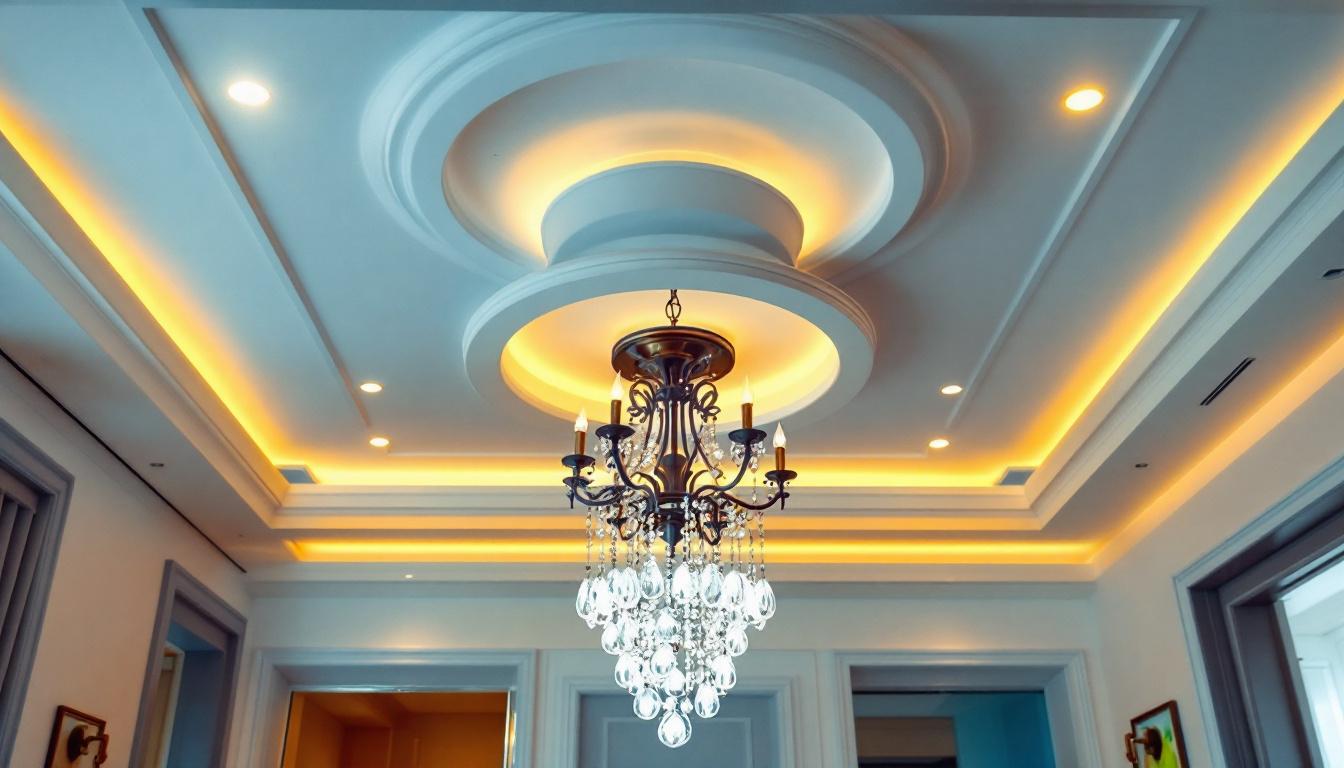
Chandeliers are elaborate ceiling fixtures that typically feature multiple arms and light sources. They are designed to make a statement and are often installed in entryways, dining rooms, or grand living spaces.
From traditional crystal designs to modern minimalist styles, chandeliers vary widely. Contractors should ensure the ceiling can support the fixture’s weight and that the electrical system is compatible with the fixture’s wattage and configuration. Additionally, chandeliers can serve as artistic pieces, often becoming the centerpiece of a room. The choice of materials, such as wrought iron, glass, or even fabric, can dramatically influence the room’s ambiance, making it essential for homeowners to select a chandelier that aligns with their overall design vision.
Track Lighting
Track lighting consists of a linear track mounted on the ceiling with multiple adjustable light heads attached. This system allows for flexible positioning of lights, making it ideal for highlighting artwork, architectural features, or work areas.
For contractors, track lighting offers versatility but requires precise planning to ensure the track is securely mounted and the wiring is safely integrated. The ability to direct light heads independently provides significant control over lighting design. Additionally, track lighting systems can be expanded or modified over time, making them a practical choice for evolving spaces. With the introduction of LED track lights, energy efficiency has also improved, allowing homeowners to enjoy both style and sustainability in their lighting choices.
Cove Lighting
Cove lighting is a form of indirect ceiling lighting where fixtures are hidden in ledges or recesses, typically near the ceiling perimeter. It creates a soft, ambient glow that enhances the architectural features of a room.
Lighting contractors must be adept at integrating cove lighting with the ceiling structure and selecting appropriate LED strips or linear fixtures that provide even illumination without glare. This type of lighting not only adds a layer of sophistication but also helps to visually elevate the ceiling height, making spaces feel more expansive. Moreover, cove lighting can be paired with smart home technology, allowing homeowners to customize their lighting schemes with ease, adjusting colors and intensities to suit different occasions or moods.
Specialized Ceiling Lighting Terms and Concepts
Troffer Lights
Troffer lights are rectangular or square fixtures commonly found in commercial and institutional buildings. They fit into modular dropped ceiling grids and typically use fluorescent or LED lamps.
These fixtures provide broad, uniform lighting ideal for offices, classrooms, and retail environments. Contractors working with troffers need to understand ceiling grid compatibility and energy efficiency considerations.
Surface-Mounted Fixtures
Surface-mounted fixtures are attached directly to the ceiling surface but are more prominent than flush mounts. They can include a variety of shapes and sizes and are often used when recessed lighting is not feasible.
Contractors should evaluate the fixture’s design and installation requirements, especially in spaces with limited ceiling depth.
Integrated LED Ceiling Lights
Integrated LED ceiling lights have the light source built into the fixture itself rather than using replaceable bulbs. These fixtures are gaining popularity due to their energy efficiency, long lifespan, and sleek designs.
Lighting contractors must be familiar with the electrical specifications and dimming capabilities of integrated LEDs to optimize performance and client satisfaction.
Installation Considerations for Ceiling Lighting
Ceiling Types and Their Impact on Lighting Choices
The type of ceiling—whether drywall, drop ceiling, plaster, or exposed beams—significantly influences the selection and installation of ceiling lights. For example, recessed lights require sufficient ceiling cavity space, while drop ceilings accommodate troffer and surface-mounted fixtures.
Contractors must assess the structural and spatial constraints of the ceiling to determine the most suitable lighting options and installation methods.
Electrical and Safety Standards
Compliance with electrical codes and safety standards is paramount when installing ceiling lights. This includes proper wiring, grounding, and the use of fixtures rated for specific environments, such as damp or wet locations.
Lighting contractors should stay current with local regulations and manufacturer guidelines to ensure safe and reliable installations.
Energy Efficiency and Lighting Controls
Modern ceiling lighting solutions increasingly incorporate energy-efficient technologies such as LED and smart lighting controls. Dimmers, occupancy sensors, and automated systems enhance energy savings and user convenience.
Contractors should advise clients on integrating these technologies to achieve optimal lighting performance and sustainability goals.
Trends and Innovations in Ceiling Lighting
Smart Ceiling Lighting Systems
Smart lighting systems allow for remote control, color tuning, and scheduling via mobile apps or voice commands. These systems provide flexibility and personalization, appealing to both residential and commercial clients.
Lighting contractors must be knowledgeable about smart lighting protocols, compatibility, and installation nuances to implement these advanced systems effectively.
Minimalist and Architectural Lighting
There is a growing demand for minimalist ceiling lights that blend seamlessly with architectural elements. Thin-profile LED panels, linear fixtures, and concealed lighting solutions are popular choices.
Contractors should be prepared to work closely with architects and designers to achieve these sophisticated lighting effects.
Sustainability and Material Innovations
Eco-friendly materials and sustainable manufacturing processes are becoming important factors in lighting selection. Fixtures made from recycled materials or designed for easy disassembly support environmental responsibility.
Lighting contractors can differentiate their services by prioritizing sustainable lighting options and educating clients on their benefits.
Conclusion: Mastering Ceiling Lighting for Professional Success
For lighting contractors, mastering the terminology and practical aspects of ceiling lighting is essential to delivering high-quality installations and satisfying client expectations. From recessed downlights to chandeliers and smart lighting systems, each type of ceiling light serves distinct purposes and requires specific expertise.
By staying informed about current trends, installation best practices, and emerging technologies, contractors can enhance their professional capabilities and contribute to creating well-lit, functional, and aesthetically pleasing environments.
Understanding what ceiling lights are called and how to work with them effectively is a cornerstone of success in the lighting industry, empowering contractors to provide expert guidance and exceptional service.
Illuminate Your Projects with LumenWholesale
Ready to elevate your lighting installations with the finest selection of ceiling lights? At LumenWholesale, we provide lighting contractors with exceptional, spec-grade lighting products at prices that can’t be beaten. Say goodbye to local distributor markups and hello to a vast array of high-quality, reliable lighting options that meet the most stringent industry standards. Plus, with free shipping on bulk orders, you can stock up on premium lighting solutions without worrying about hidden costs. Don’t compromise on quality or value—Wholesale Lighting at the Best Value is just a click away. Make the smart choice and partner with LumenWholesale for all your lighting needs.