Why Jewelry Store Lighting Demands Precision
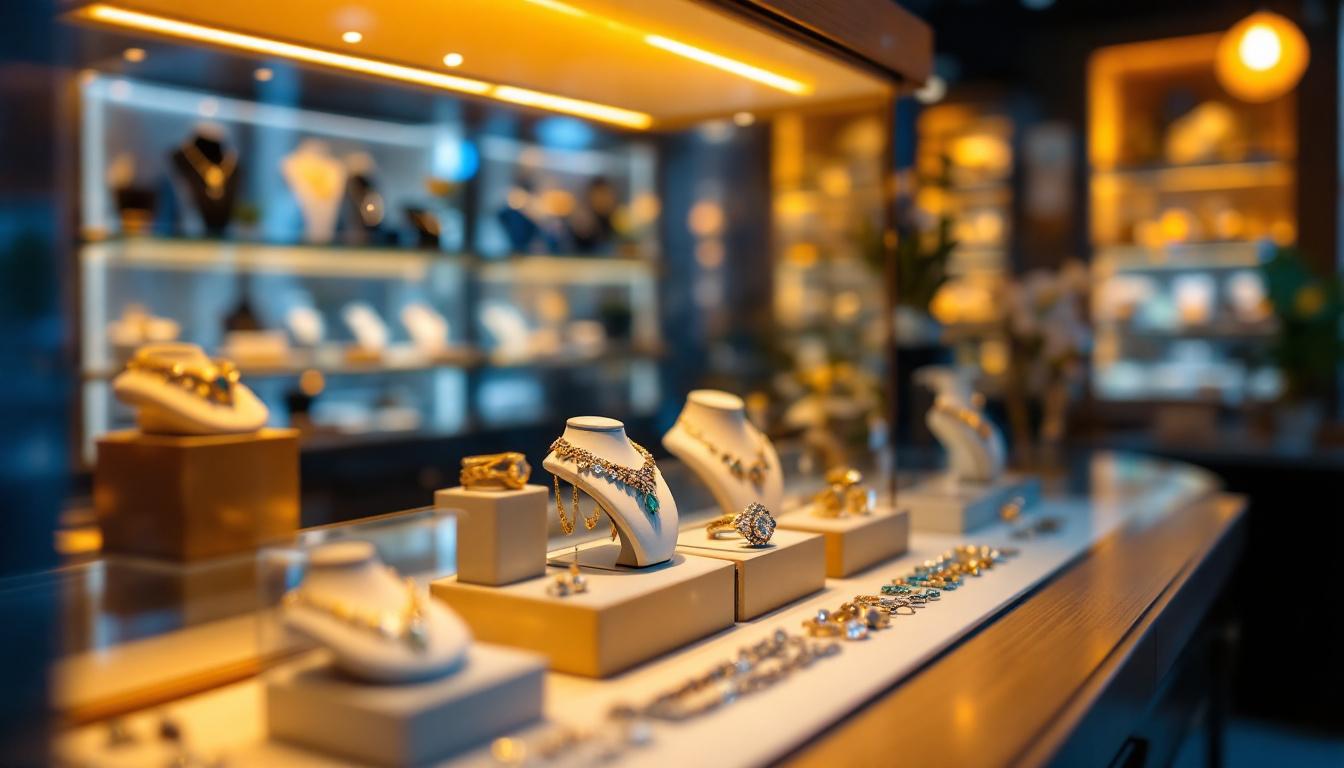
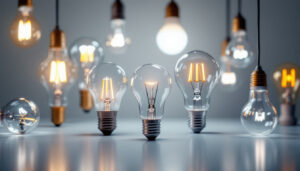
Lighting a jewelry store isn’t just about making the space bright. It’s about creating an environment where every diamond sparkles, every gold hue glows, and every gemstone reveals its true color. For lighting contractors, this means balancing technical expertise with an artistic eye. Jewelry pieces are small, intricate, and highly reflective, so the lighting must highlight their brilliance without causing glare or distortion. The choice of light sources—whether LED, halogen, or fluorescent—plays a pivotal role in achieving this delicate balance. Each type of lighting has its own color temperature and rendering capabilities, which can dramatically affect how a piece is perceived. For instance, LEDs can provide a crisp, white light that enhances clarity, while warmer tones might evoke a sense of luxury and intimacy.
Customers rely heavily on visual cues when selecting jewelry. The right lighting can influence buying decisions by enhancing the perceived quality and allure of the merchandise. Poor lighting, on the other hand, can make even the most exquisite pieces appear dull or lifeless. This is why understanding the nuances of jewelry store lighting is crucial for contractors tasked with designing or upgrading these specialized retail environments. Additionally, the layout of the store must be taken into account; strategic placement of lighting fixtures can create focal points that draw the eye to specific displays, guiding customers through the space in a way that feels both natural and inviting. Accent lighting, for example, can be used to spotlight featured collections or new arrivals, while ambient lighting sets the overall mood of the store, ensuring that the shopping experience is not just transactional, but also memorable.
Key Lighting Principles for Jewelry Stores
Color Rendering Index (CRI) and Color Temperature
One of the most important factors in jewelry lighting is the Color Rendering Index (CRI). CRI measures how accurately a light source reveals the colors of objects compared to natural light. Jewelry requires a CRI of 90 or above to ensure that diamonds, sapphires, rubies, and other gemstones display their true colors. Lower CRI lighting can make stones look flat or lifeless, which can deter customers.
Color temperature also plays a vital role. A light that is too cool (blueish) or too warm (yellowish) can distort the appearance of metals and stones. Most jewelry stores benefit from lighting in the 3000K to 3500K range. This range offers a warm yet neutral light that enhances sparkle and color without overwhelming the eye. Additionally, it is essential to consider how different types of jewelry may react to varying color temperatures; for instance, white gold and platinum may shine more brightly under slightly cooler lights, while yellow gold may benefit from warmer tones that accentuate its richness.
Beam Angle and Focus
Jewelry pieces are small and detailed, so lighting needs to be precise. Narrow beam angles (15° to 30°) are typically used to spotlight individual pieces or display cases. This focused lighting draws attention to the jewelry and creates contrast, making stones appear more brilliant.
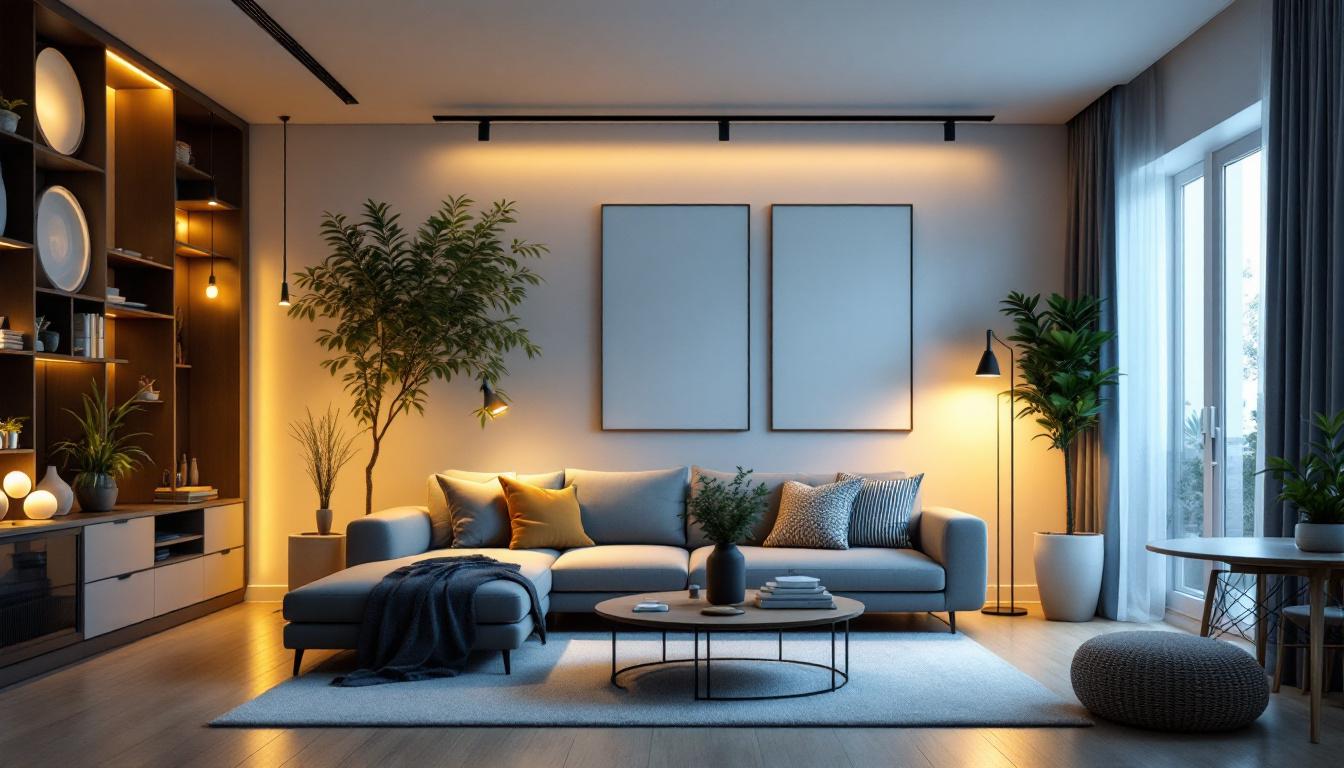
Adjustable track lighting or mini spotlights are common solutions. They allow contractors to direct light exactly where it’s needed and change the focus as displays evolve. Avoid wide beam angles that flood the area with light and reduce the depth and sparkle of the pieces. Furthermore, layering different types of lighting—such as combining accent lights with ambient lighting—can create a dynamic visual experience. This approach not only highlights individual items but also enhances the overall atmosphere of the store, making it inviting and engaging for customers.
Minimizing Glare and Reflections
Jewelry surfaces are highly reflective, which can cause glare if lighting is poorly positioned. Glare not only makes it difficult for customers to see the jewelry clearly but can also create visual discomfort. Contractors must carefully plan fixture placement and angles to minimize direct reflections into customers’ eyes.
Using diffusers or glare shields can help soften the light without sacrificing brightness. Additionally, indirect lighting techniques—such as bouncing light off walls or ceilings—can provide ambient illumination that complements the focused spotlights. Incorporating adjustable fixtures that allow for fine-tuning of angles and intensity can further enhance the shopping experience. Moreover, the strategic use of colored gels or filters can add a unique touch to the ambiance, subtly influencing the mood of the space while ensuring that the jewelry remains the focal point. This thoughtful approach to lighting not only showcases the jewelry effectively but also creates an inviting atmosphere that encourages customers to explore and engage with the products on display.
Types of Lighting Used in Jewelry Stores
Ambient Lighting
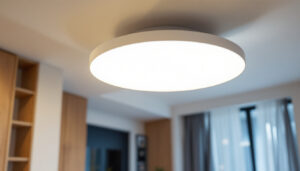
Ambient lighting sets the overall mood and ensures customers can navigate the store comfortably. It should be bright enough to create a welcoming atmosphere but subtle enough to let accent lighting do its job. LED panel lights or recessed ceiling fixtures are popular choices, providing even illumination with energy efficiency.
For contractors, it’s important to select fixtures with dimming capabilities. This flexibility allows store owners to adjust the ambiance based on time of day, special events, or seasonal changes. Additionally, the color temperature of ambient lighting plays a crucial role; warmer tones can create a cozy and inviting environment, while cooler tones can evoke a sense of modern elegance. The strategic placement of ambient lights can also enhance architectural features of the store, drawing attention to unique design elements that might otherwise go unnoticed.
Accent Lighting
Accent lighting is the hero in jewelry stores. It highlights the merchandise and creates visual interest. Track lighting with adjustable heads is the most common form, offering versatility and precision. LED spotlights with high CRI and appropriate color temperature bring out the sparkle and color of gems.
Contractors should consider layering accent lighting with different beam angles and intensities. Combining narrow spotlights for individual pieces with wider beams for group displays can add depth and dimension to the presentation. Moreover, utilizing colored filters or gels can create dramatic effects, enhancing the allure of specific collections or seasonal promotions. This technique not only captivates customers but also encourages them to explore the various offerings, making the shopping experience more engaging and memorable.
Task Lighting
Behind the scenes, jewelers and staff need excellent task lighting for activities like appraisals, repairs, and packaging. Bright, shadow-free light is essential here. Daylight-balanced LED desk lamps or under-cabinet lighting provide clear visibility without straining the eyes.
Including task lighting in the overall design ensures that staff can work efficiently and accurately, which ultimately benefits customer satisfaction. Furthermore, incorporating adjustable task lighting allows jewelers to fine-tune their work environment based on specific tasks, such as intricate repairs or detailed inspections. This adaptability not only enhances productivity but also ensures that the quality of work meets the high standards expected in the jewelry industry. By investing in high-quality task lighting, store owners can create a workspace that fosters precision and craftsmanship, ultimately reflecting the value of the pieces they sell.
Energy Efficiency and Maintenance Considerations
Jewelry stores often operate long hours, so energy-efficient lighting solutions are a priority. LEDs dominate this space due to their low power consumption, long lifespan, and minimal heat output. Heat can be detrimental to delicate jewelry and uncomfortable for customers, making LEDs a practical choice.
Maintenance is another critical factor. Lighting fixtures should be easy to access and replace without disrupting the store’s operation. Modular track systems and plug-and-play LED modules simplify upgrades and repairs. Contractors should also advise clients on routine cleaning schedules to keep fixtures free of dust and fingerprints, which can diminish light quality.
Integrating Lighting Controls and Smart Technologies
Modern jewelry stores benefit from advanced lighting controls. Dimmers, timers, and motion sensors allow for dynamic lighting scenes that can change throughout the day or for special promotions. Smart lighting systems can be programmed to enhance security by simulating occupancy after hours or adjusting brightness based on natural light levels.
Lighting contractors should recommend systems compatible with remote management and integration with other building controls. This not only improves energy management but also provides store owners with greater control over their environment.
Common Challenges and Solutions
Balancing Security with Aesthetics
Jewelry stores require robust security lighting, but harsh, overly bright lights can detract from the shopping experience. Contractors must find a balance by using concealed or recessed fixtures that provide sufficient illumination without overwhelming the space.
Incorporating motion-activated accent lighting can enhance security while maintaining an elegant atmosphere. This approach ensures that lighting is present when needed but unobtrusive during quiet periods.
Dealing with Natural Light
Natural light can be both a blessing and a challenge. While it offers excellent color rendering, it can introduce glare and heat, potentially damaging sensitive jewelry or causing discomfort. Window treatments, UV filters, and strategic fixture placement help manage these issues.
Contractors should assess the store’s orientation and daylight patterns during the design phase. Combining natural and artificial lighting thoughtfully results in a balanced, inviting space.
Final Thoughts for Lighting Contractors
Lighting a jewelry store requires more than just technical know-how. It demands an understanding of how light interacts with precious metals and gemstones, how customers perceive color and sparkle, and how to create an inviting retail environment that drives sales.
Contractors who master these elements will deliver lighting solutions that not only showcase jewelry beautifully but also enhance the overall shopping experience. Attention to detail, quality fixtures, and smart controls are key components of a successful jewelry store lighting design.
Illuminate Your Projects with LumenWholesale
As a lighting contractor, you understand the importance of precision and quality in every fixture you choose. At LumenWholesale, we share your commitment to excellence. Our spec-grade lighting products are designed to meet the exacting demands of jewelry store environments, ensuring that every piece of jewelry is displayed in its best light. With unbeatable wholesale prices and free shipping on bulk orders, you can provide your clients with superior lighting solutions that enhance both the beauty of their merchandise and the customer experience. Discover wholesale lighting at the best value and elevate your lighting projects with the perfect blend of quality, affordability, and convenience at LumenWholesale.