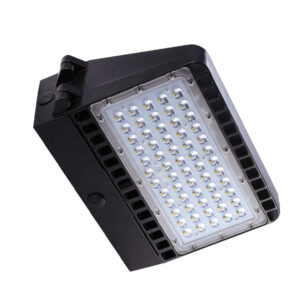
Introduction to Industrial Warehouse LED Lighting
Industrial warehouses are critical hubs in the supply chain, requiring efficient and reliable lighting solutions to ensure safety, productivity, and energy efficiency. For lighting contractors, selecting and installing the right LED lighting system in these expansive spaces is both a challenge and an opportunity. LED technology has revolutionized industrial lighting by offering longer lifespans, reduced energy consumption, and improved light quality compared to traditional fixtures.
Understanding the unique requirements of warehouse environments is essential for contractors aiming to deliver optimal lighting solutions. This article explores best practices tailored for industrial warehouse LED lighting, helping contractors navigate design considerations, installation techniques, and maintenance strategies that maximize performance and client satisfaction.
One of the primary advantages of LED lighting in industrial settings is its adaptability to different warehouse layouts and activities. For instance, high-bay LED lights are particularly effective in warehouses with tall ceilings, providing bright, uniform illumination that enhances visibility for workers and machinery alike. Additionally, the ability to integrate smart lighting controls, such as motion sensors and dimmers, allows for energy savings during off-peak hours, further optimizing operational costs. This flexibility not only meets the varying demands of different warehouse operations but also contributes to a sustainable approach to energy use.
Moreover, the implementation of LED lighting can significantly improve workplace safety. Poorly lit areas can lead to accidents and injuries, particularly in environments where heavy machinery is in use. By ensuring that all areas of the warehouse are well-lit, contractors can help reduce the risk of workplace incidents. Furthermore, the high color rendering index (CRI) of LED lights enhances visibility of colors and details, which is crucial for tasks requiring precision. This aspect of LED lighting not only boosts productivity but also fosters a safer and more efficient working environment, benefiting both employees and employers alike.
Key Considerations for Warehouse LED Lighting Design
Assessing Warehouse Layout and Functionality
Before selecting LED fixtures, contractors must thoroughly evaluate the warehouse layout and operational needs. Warehouses vary widely—from bulk storage with high racking to assembly lines or packing stations—each demanding different lighting intensities and distributions.
High-bay LED fixtures are typically ideal for warehouses with ceilings above 20 feet, providing powerful illumination that penetrates deep into storage aisles. Conversely, low-bay LEDs suit spaces with lower ceilings. Contractors should measure ceiling heights, aisle widths, and identify task-specific areas to tailor lighting plans accordingly. Additionally, understanding the flow of goods and the movement of personnel within the warehouse can help in determining where lighting is most critical. For instance, areas with frequent foot traffic or machinery operation may require more focused lighting to enhance safety and productivity.
Illuminance Levels and Uniformity
Proper illuminance levels ensure safety and efficiency. The Illuminating Engineering Society (IES) recommends maintaining an average of 100 to 150 lux for general warehouse areas, with higher levels—up to 300 lux—for detailed tasks such as quality control or packaging.
Uniformity is equally important to avoid dark spots and glare that can cause eye strain or accidents. Lighting contractors should use photometric analysis tools to design layouts that balance brightness and minimize shadows, especially around shelving and workstations. Furthermore, incorporating dimmable LED fixtures can allow for flexibility in lighting levels based on the time of day or specific tasks being performed. This adaptability not only enhances the working environment but can also lead to significant energy savings over time.
Color Temperature and Color Rendering Index (CRI)
LEDs offer a range of color temperatures, typically measured in Kelvins (K). For warehouses, a neutral white light between 4000K and 5000K is preferred as it enhances visibility without causing discomfort. This range closely mimics natural daylight, improving worker alertness and reducing fatigue.
The Color Rendering Index (CRI) measures how accurately a light source reveals colors compared to natural light. A CRI of 70 or above is generally sufficient for warehouses, but areas involving product inspection may require a CRI closer to 80 or higher to ensure accurate color perception. Additionally, the choice of color temperature can influence the overall atmosphere of the workspace. Cooler temperatures can create a more energetic environment, while warmer tones might be more suitable for areas where employees spend extended periods, fostering a more comfortable and inviting atmosphere. Understanding these nuances can significantly impact employee satisfaction and productivity in the long run.
Energy Efficiency and Sustainability Strategies
Benefits of LED Technology in Warehouses
LED lighting consumes up to 70% less energy than traditional metal halide or fluorescent fixtures, significantly reducing operational costs. Additionally, LEDs have longer lifespans—often exceeding 50,000 hours—minimizing maintenance frequency and associated labor expenses.
For lighting contractors, emphasizing these benefits to clients helps justify the initial investment. Energy savings and reduced downtime translate into rapid return on investment, especially for large-scale warehouse operations with continuous lighting needs.
Incorporating Controls and Sensors
Advanced lighting controls are vital for maximizing energy efficiency. Motion sensors, daylight harvesting systems, and programmable timers allow lighting to adjust dynamically based on occupancy and natural light availability. This reduces unnecessary energy use during off-hours or in less active zones.
Contractors should recommend and install compatible control systems that integrate seamlessly with LED fixtures. Wireless controls are gaining popularity for ease of installation and flexibility, enabling remote monitoring and adjustments that optimize performance over time.
Compliance with Energy Codes and Incentives
Many regions enforce energy codes that mandate minimum lighting efficiency standards for commercial and industrial buildings. LED lighting often exceeds these requirements, making it a straightforward compliance strategy. Contractors must stay informed about local regulations to ensure installations meet or surpass code.
Additionally, utility companies and government programs frequently offer rebates or incentives for LED upgrades in industrial facilities. Lighting contractors can add value by guiding clients through incentive applications, reducing upfront costs and accelerating project approval.
Installation Best Practices for Industrial LED Lighting
Pre-Installation Planning and Coordination
Effective installation begins with detailed planning. Contractors should coordinate with warehouse management to schedule work during low-activity periods to minimize disruption. Pre-installation site visits allow verification of ceiling structures, electrical infrastructure, and safety considerations.
Documenting existing lighting layouts, power supplies, and any potential obstructions ensures a smooth transition to LED systems. Proper labeling and mapping of circuits help avoid electrical conflicts and facilitate future maintenance.
Fixture Selection and Mounting Techniques
Choosing fixtures that match the warehouse environment is crucial. Industrial-grade LED fixtures should be durable, with appropriate ingress protection (IP) ratings to withstand dust, moisture, and temperature fluctuations common in warehouses.
Mounting methods vary depending on ceiling types—suspended, surface-mounted, or recessed. High-bay LEDs often use hook or pendant mounts for optimal positioning. Contractors must ensure secure installation to prevent vibration or accidental dislodging, which could compromise safety and light quality.
Electrical Wiring and Safety Protocols
Compliance with electrical codes and safety standards is non-negotiable. Proper grounding, circuit protection, and wiring methods must be followed meticulously. Contractors should use certified components and verify load capacities to prevent overloads or fire hazards.
During installation, adherence to lockout/tagout procedures protects workers from electrical hazards. Testing circuits and verifying fixture operation before finalizing installation helps identify and resolve issues early.
Maintenance and Long-Term Performance Optimization
Routine Inspection and Cleaning
Although LEDs require less maintenance than traditional lighting, routine inspections are essential to sustain performance. Dust accumulation on lenses and heat sinks can reduce light output and fixture lifespan. Scheduled cleaning protocols help maintain brightness and efficiency.
Contractors should advise clients on safe cleaning methods and intervals, considering warehouse conditions such as air quality and humidity.
Monitoring and Addressing Fixture Failures
While LED failures are infrequent, they can occur due to driver malfunctions or environmental stress. Implementing monitoring systems that track fixture status enables proactive maintenance. Quick replacement of faulty units prevents uneven lighting and potential safety risks.
Offering maintenance contracts or training warehouse staff on basic troubleshooting can enhance client satisfaction and build long-term relationships.
Upgrading and Future-Proofing
Lighting technology continues to evolve, with innovations in smart controls, tunable white LEDs, and integration with building management systems. Contractors should design installations with scalability in mind, allowing future upgrades without major overhauls.
Providing clients with detailed documentation and recommendations for phased improvements positions contractors as trusted advisors in warehouse lighting management.
Case Studies: Successful Warehouse LED Lighting Projects
Large-Scale Distribution Center Retrofit
A nationwide distribution center upgraded from metal halide to LED high-bay fixtures, achieving a 60% reduction in energy consumption. The project involved installing motion sensors and daylight harvesting controls, which further decreased energy use during low-activity periods.
The retrofit improved illuminance uniformity, enhancing worker safety and reducing eye strain complaints. The client reported a payback period of under three years, highlighting the financial viability of LED upgrades.
Cold Storage Warehouse Lighting Optimization
In a refrigerated warehouse, LED fixtures with low operating temperatures and moisture-resistant housings were selected. The lighting design emphasized high CRI to assist in quality control inspections of perishable goods.
Integration of wireless controls allowed remote adjustment of lighting levels, optimizing energy use without compromising visibility. The project demonstrated how specialized LED solutions can address challenging environmental conditions.
Conclusion: Elevating Warehouse Lighting with LED Expertise
For lighting contractors, mastering industrial warehouse LED lighting involves a comprehensive approach—from precise design and energy-efficient technology selection to meticulous installation and proactive maintenance. By adhering to best practices and staying abreast of emerging trends, contractors can deliver solutions that enhance operational safety, reduce costs, and support sustainability goals.
Investing in education, leveraging advanced tools, and fostering client partnerships are key strategies to thrive in this dynamic market. Industrial warehouses represent a significant opportunity for contractors to showcase LED lighting expertise and drive meaningful improvements in industrial environments.
Illuminate Your Projects with LumenWholesale
Ready to take your industrial warehouse LED lighting projects to the next level? At LumenWholesale, we provide lighting contractors with the high-quality, spec-grade lighting products you need at prices that can’t be beaten. Say goodbye to middleman markups and hello to our extensive selection that meets the highest industry standards for reliability and performance. Plus, with free shipping on bulk orders, you’ll enjoy the best value without any hidden fees. Elevate your lighting solutions today and experience the unbeatable combination of quality, affordability, and convenience at LumenWholesale – Wholesale Lighting at the Best Value.