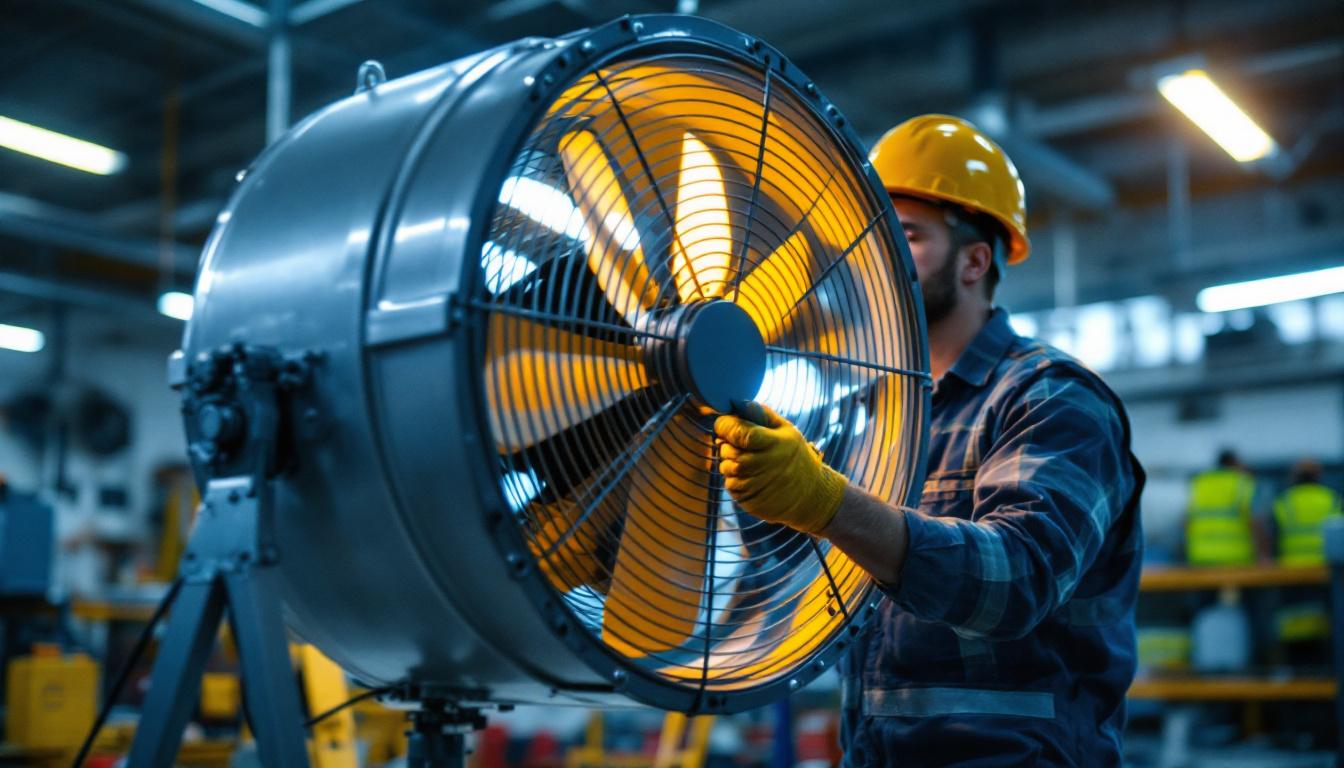
In the world of lighting contracting, efficiency and effectiveness are paramount. One tool that can significantly enhance both the installation and maintenance processes is the industrial-sized fan. These powerful devices not only improve air circulation but also play a crucial role in creating a conducive work environment. This article provides lighting contractors with quick tips on selecting, installing, and maintaining industrial-sized fans to maximize their benefits.
Understanding the Importance of Industrial Sized Fans
Industrial-sized fans are essential in various settings, particularly in large spaces where air circulation can be a challenge. In warehouses, factories, and commercial buildings, these fans help regulate temperature, reduce humidity, and improve overall air quality. For lighting contractors, understanding the significance of these fans can lead to better project outcomes.
Enhancing Air Quality
Good air quality is crucial for any workspace. Poor ventilation can lead to the accumulation of dust, fumes, and other pollutants, which can affect both the health of workers and the integrity of lighting installations. By incorporating industrial-sized fans, contractors can ensure that fresh air circulates throughout the area, minimizing the risks associated with poor air quality. Furthermore, these fans can assist in the dilution of airborne contaminants, creating a safer environment that promotes productivity and well-being among employees. The ability to maintain a consistent flow of air not only benefits the immediate workspace but also contributes to the overall sustainability of the building, reducing the need for extensive HVAC systems.
Temperature Regulation
In environments where lighting equipment generates heat, maintaining an optimal temperature is vital. Industrial fans help dissipate heat, preventing overheating of both the equipment and the workspace. This regulation not only enhances comfort for workers but also prolongs the lifespan of lighting fixtures and other electrical components. Additionally, effective temperature management can lead to significant energy savings, as it reduces the strain on air conditioning systems that would otherwise need to work harder to cool down the space. By strategically placing these fans, contractors can create a more energy-efficient environment, which is increasingly important in today’s eco-conscious market. Moreover, the strategic use of industrial fans can facilitate better airflow patterns, ensuring that all areas of the workspace benefit from improved climate control, thus enhancing overall operational efficiency.
Selecting the Right Industrial Sized Fan
Choosing the appropriate industrial-sized fan requires careful consideration of several factors. Each project may have unique requirements, and understanding these can lead to more effective solutions.
Assessing the Space
The first step in selecting a fan is to assess the space where it will be installed. Factors such as ceiling height, square footage, and the presence of obstacles will influence the type and size of the fan needed. For instance, in a large warehouse with high ceilings, a fan with a larger diameter and higher airflow capacity may be necessary to ensure adequate circulation. Additionally, the layout of the space plays a significant role; open areas may benefit from different fan placements compared to spaces with partitions or machinery that could obstruct airflow. Understanding the airflow patterns in the area can also help in determining the optimal fan location, ensuring that air is distributed evenly throughout the entire space.
Understanding Airflow Requirements
Airflow is measured in cubic feet per minute (CFM), and understanding the required CFM for a specific area is crucial. A general rule of thumb is to aim for a minimum of 1 CFM per square foot of space. However, this can vary based on the specific needs of the environment. For example, areas with high heat loads may require higher CFM ratings to maintain comfortable conditions. It’s also important to consider the type of activities taking place in the space; for instance, manufacturing processes that generate heat or humidity may necessitate even greater airflow to ensure a safe and productive working environment. Consulting with HVAC professionals can provide valuable insights into the specific CFM requirements tailored to your unique situation.
Energy Efficiency Considerations
Energy efficiency is an essential factor in selecting industrial-sized fans. Many modern fans are designed to consume less energy while providing optimal airflow. When evaluating options, look for fans with high-efficiency motors and energy-saving features. This not only reduces operational costs but also contributes to a more sustainable work environment. Furthermore, implementing variable speed drives can enhance energy efficiency by allowing the fan to adjust its speed based on real-time conditions, thus optimizing performance without unnecessary energy expenditure. Regular maintenance and cleaning of the fan can also prolong its lifespan and maintain its efficiency, ensuring that the investment continues to pay off over time.
Installation Tips for Industrial Sized Fans
Proper installation of industrial-sized fans is critical to their performance and longevity. Following best practices can help ensure that these fans operate efficiently and effectively.
Positioning the Fan
The positioning of the fan can significantly impact its performance. Ideally, fans should be installed at a height that allows for optimal airflow distribution. In most cases, this means mounting the fan at least 10 to 15 feet above the ground. Additionally, avoiding obstructions such as beams or ductwork will help maximize airflow and efficiency. It’s also important to consider the layout of the space; for instance, placing fans in a staggered formation can enhance air circulation, particularly in large warehouses or manufacturing facilities. This arrangement can help eliminate dead spots where air stagnation might occur, ensuring a more uniform temperature and improved working conditions throughout the area.
Securing the Installation
Safety is paramount when installing industrial-sized fans. Ensure that the fan is securely mounted to prevent any accidents. Using appropriate mounting brackets and hardware is essential. Additionally, it is advisable to periodically check the installation for any signs of wear or loosening to maintain safety standards. Regular maintenance checks can also help identify potential issues before they become serious problems, such as vibrations that might indicate an imbalance or misalignment in the fan blades. Implementing a routine inspection schedule can significantly extend the lifespan of the fan and enhance overall operational safety.
Wiring and Electrical Considerations
When connecting the fan to the electrical system, it is crucial to follow local codes and regulations. Ensure that the wiring is adequate for the fan’s power requirements and that all connections are secure. If in doubt, consulting with a licensed electrician can help prevent potential hazards and ensure compliance with safety standards. Furthermore, incorporating a dedicated circuit for the fan can help manage its electrical load more effectively, reducing the risk of overloads that could lead to equipment failure. Utilizing surge protectors and circuit breakers designed for industrial applications can also safeguard the fan against voltage spikes, ensuring consistent performance and reliability over time.
Maintenance of Industrial Sized Fans
Regular maintenance is key to ensuring the longevity and efficiency of industrial-sized fans. Establishing a routine maintenance schedule can prevent unexpected breakdowns and costly repairs.
Cleaning the Fan Blades
Dust and debris can accumulate on fan blades over time, reducing their efficiency. Regularly cleaning the blades not only improves airflow but also prevents the buildup of grime that can lead to motor strain. Use a soft cloth or brush to gently remove dust and dirt, taking care not to damage the blades.
Inspecting Electrical Components
Electrical components should be inspected regularly for signs of wear or damage. Look for frayed wires, loose connections, or any signs of overheating. Addressing these issues promptly can prevent more significant problems down the line and ensure the safe operation of the fan.
Lubricating Moving Parts
Many industrial fans have moving parts that require lubrication to function smoothly. Check the manufacturer’s recommendations for the appropriate type of lubricant and the frequency of application. Proper lubrication reduces friction, minimizes wear, and extends the lifespan of the fan.
Common Challenges and Solutions
While industrial-sized fans offer numerous benefits, they can also present challenges. Understanding these challenges and how to address them can enhance the effectiveness of these devices in lighting projects.
Noise Levels
One common concern with industrial fans is noise. High-speed fans can generate significant noise levels, which may be disruptive in certain environments. To mitigate this, consider fans designed for quieter operation or those equipped with sound-dampening features. Additionally, proper installation can help minimize vibrations that contribute to noise.
Inconsistent Airflow
Inconsistent airflow can occur due to improper fan placement or obstructions in the air path. Regularly assess the installation to ensure that airflow is unobstructed and that the fan is positioned correctly. If airflow remains inconsistent, it may be necessary to consider additional fans or alternative configurations to achieve optimal circulation.
Energy Consumption Concerns
While industrial fans are designed for efficiency, they can still consume a significant amount of energy. To address this, consider implementing a control system that allows for variable speed settings. This can help reduce energy consumption during periods of lower demand, ultimately leading to cost savings.
Leveraging Technology in Fan Operation
Advancements in technology have made it easier for lighting contractors to optimize the operation of industrial-sized fans. Utilizing smart technology can enhance efficiency and control.
Smart Controls
Smart controls allow for remote operation and monitoring of industrial fans. This technology enables contractors to adjust fan settings based on real-time conditions, ensuring optimal airflow and energy usage. Additionally, many smart systems can integrate with existing building management systems for seamless operation.
Data Analytics
Data analytics can provide valuable insights into fan performance and energy consumption. By analyzing usage patterns, contractors can identify opportunities for improvement and make informed decisions regarding maintenance and upgrades. This proactive approach can lead to significant cost savings and enhanced operational efficiency.
Conclusion
Incorporating industrial-sized fans into lighting projects can significantly enhance air quality, temperature regulation, and overall efficiency. By understanding the importance of these fans, selecting the right model, ensuring proper installation, and establishing a regular maintenance routine, lighting contractors can maximize their benefits. Addressing common challenges and leveraging technology further enhances the effectiveness of these powerful tools. With the right approach, industrial-sized fans can become an invaluable asset in the lighting contractor’s toolkit.
Get Your Industrial-Sized Fans from LumenWholesale
Ready to enhance your lighting projects with the efficiency and quality of industrial-sized fans? Look no further than LumenWholesale. Our commitment to providing contractors with top-tier, spec-grade lighting products at unbeatable wholesale prices sets us apart. With LumenWholesale, you can expect a vast selection of reliable, high-performance lighting solutions that meet the highest industry standards. Plus, with the convenience of bulk buying and free shipping, you can secure premium lighting for your projects at the best value — without any hidden fees or compromises. Elevate your lighting installations today by visiting Wholesale Lighting at the Best Value and experience the LumenWholesale difference.