What Sets In-Ceiling LED Fixtures Apart?
In-ceiling LED lighting has transformed the way contractors approach interior illumination. Unlike traditional recessed lighting or surface-mounted fixtures, in-ceiling LEDs integrate seamlessly into the ceiling plane, offering a sleek, modern aesthetic. Their low profile and energy efficiency make them a preferred choice for both residential and commercial projects.
One of the key distinctions is the fixture design. In-ceiling LEDs often come as retrofit kits or dedicated new construction housings, designed to fit within standard ceiling cavities. This means less bulk, easier installation, and a cleaner finish. For contractors, this translates into fewer callbacks and satisfied clients who appreciate the blend of form and function. Additionally, many in-ceiling LED fixtures are equipped with adjustable features, allowing users to modify the brightness and color temperature to suit various moods and activities. This adaptability enhances the overall user experience, making spaces feel more personalized and inviting.
Energy Efficiency and Longevity
LEDs consume a fraction of the energy compared to incandescent or halogen bulbs. This efficiency is not just a selling point for end-users; it impacts project specifications and compliance with energy codes. Many in-ceiling LEDs boast lifespans exceeding 50,000 hours, drastically reducing maintenance costs and fixture replacements over time. Furthermore, the thermal management technology employed in these fixtures helps to dissipate heat effectively, ensuring that the LEDs operate at optimal efficiency and longevity.
For contractors, specifying LED fixtures can help clients meet stringent energy standards such as those outlined in building codes and green certification programs. This adds value beyond aesthetics and functionality, positioning the contractor as a knowledgeable partner in sustainable building practices. Moreover, the reduced energy consumption of in-ceiling LEDs contributes to lower utility bills, which can be a significant selling point for clients looking to minimize operational costs. As energy efficiency continues to be a priority in construction and renovation, in-ceiling LED fixtures stand out as a forward-thinking choice that aligns with both economic and environmental goals.
Installation Considerations for Lighting Contractors
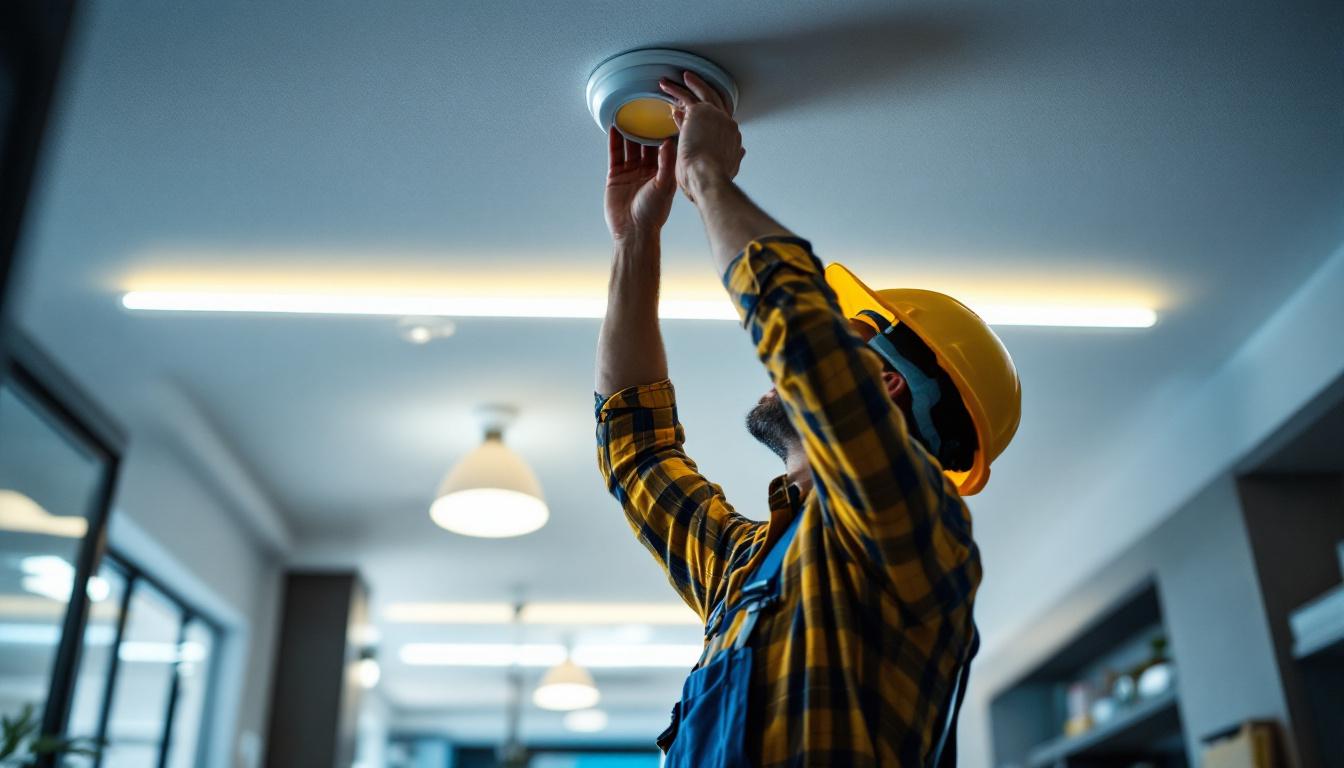
Installing in-ceiling LED fixtures requires a nuanced understanding of electrical, structural, and aesthetic factors. The first step is assessing the ceiling type—whether drywall, drop ceiling, or plaster—and determining the available cavity space. This influences the choice between shallow or deep housings and affects wiring strategies. Additionally, understanding the layout of the space is crucial; for instance, the positioning of fixtures can dramatically alter the ambiance of a room, highlighting architectural features or creating focal points. Proper planning can also help avoid potential obstructions, such as plumbing or HVAC ductwork, which may complicate the installation process.
Wiring and Electrical Compatibility
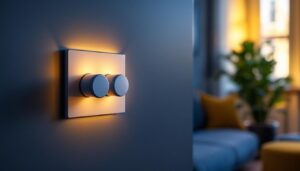
LED fixtures operate on low voltage or line voltage, depending on the model. Contractors must verify compatibility with existing electrical systems, ensuring that transformers or drivers are correctly matched to the fixtures. Dimming capabilities are another critical aspect; not all LEDs dim smoothly with traditional dimmers, so selecting compatible controls is essential to avoid flicker or reduced lifespan. Furthermore, it’s important to consider the total wattage load on the circuit. Overloading can lead to tripped breakers or, in worst-case scenarios, electrical fires. Therefore, a thorough assessment of the circuit’s capacity and the cumulative wattage of all connected devices is necessary before proceeding with installation.
Thermal Management and Ventilation
Though LEDs generate less heat than traditional bulbs, they still require adequate thermal management. In-ceiling installations can trap heat if the fixture is enclosed without ventilation. Many LED housings include heat sinks or are designed with airflow in mind, but contractors should confirm that insulation contact (IC) ratings are appropriate for the application. Improper installation can lead to premature fixture failure or even fire hazards. Moreover, the choice of insulation materials around the fixtures can significantly impact thermal performance. For instance, using non-combustible insulation can enhance safety and efficiency, while ensuring that air can circulate around the fixtures helps maintain optimal operating temperatures. Additionally, contractors should be aware of local building codes and regulations regarding insulation and fixture placement, as compliance is not only a matter of safety but also affects the overall quality of the installation.
Design and Application: Matching Fixtures to Spaces
Lighting contractors often face the challenge of balancing aesthetics with functional lighting requirements. In-ceiling LEDs offer versatility in beam angles, color temperatures, and lumen outputs, enabling tailored solutions for diverse environments. The integration of these lighting solutions not only enhances the visual appeal of a space but also contributes to the overall functionality, making it crucial for contractors to stay updated on the latest trends and technologies in lighting design.
Beam Angle and Light Distribution
Choosing the right beam angle affects how light spreads across a room. Narrow beams create focused pools of light, ideal for accentuating artwork or architectural features. Wider beams provide general illumination, suitable for offices or retail spaces. Understanding the client’s needs and the room’s purpose guides this selection. Additionally, the interplay between natural and artificial light should be considered; for instance, in spaces with large windows, the lighting design must account for varying daylight conditions throughout the day. This thoughtful approach ensures that the lighting remains effective and visually appealing, regardless of external influences.
Color Temperature and Visual Comfort
Color temperature influences mood and productivity. Cooler temperatures (4000K to 5000K) are common in workspaces, promoting alertness and clarity. Warmer temperatures (2700K to 3000K) create cozy, inviting atmospheres in homes or hospitality settings. Offering clients options that align with their space’s function enhances satisfaction and project success. Moreover, the use of tunable white LEDs has gained popularity, allowing users to adjust the color temperature according to the time of day or specific activities. This flexibility not only enhances comfort but also supports circadian rhythms, contributing to overall well-being. As clients become more aware of the impact of lighting on their environments, providing education on these options can further elevate the contractor-client relationship and lead to more informed decisions.
Common Challenges and How to Overcome Them
Even the most experienced contractors encounter hurdles with in-ceiling LED installations. Being prepared for these challenges ensures smoother projects and happier clients.
Retrofit Complexities
Replacing existing fixtures with in-ceiling LEDs can be tricky when ceiling cavities are shallow or wiring is outdated. In some cases, contractors must use ultra-shallow retrofit kits or modify ceiling structures carefully. Planning ahead and having a variety of fixture options on hand can mitigate delays and unexpected costs. Additionally, assessing the insulation and airflow in the ceiling space is crucial, as improper insulation can lead to overheating and reduced lifespan of the LEDs. Contractors should also consider the weight of the new fixtures, ensuring that the ceiling can support them without compromising structural integrity.
Compatibility with Smart Controls
Smart lighting is increasingly popular, but integrating in-ceiling LEDs with these systems requires attention to driver compatibility and communication protocols. Contractors should verify that the LED fixtures support the intended smart controls, whether they’re using Zigbee, Z-Wave, or Wi-Fi-based systems. Testing before installation avoids post-installation headaches. Furthermore, understanding the client’s specific needs for automation can help in selecting the right fixtures and controls. For instance, some clients may prefer voice-activated systems, while others might want mobile app control, which can influence the choice of compatible products and installation methods.
Best Practices for Lighting Contractors
Successful in-ceiling LED installations hinge on thorough planning, precise execution, and clear communication with clients.
Consultation and Specification
Engage clients early to understand their lighting goals and constraints. Use lighting design software or photometric data to recommend fixtures that meet both aesthetic and functional needs. Providing detailed specifications helps avoid misunderstandings and ensures the right products are ordered. Additionally, consider discussing energy efficiency and sustainability options with clients, as many are increasingly interested in reducing their carbon footprint. This not only enhances the project’s appeal but may also qualify clients for energy rebates or incentives, making the investment more attractive.
Quality Assurance and Testing
After installation, test all fixtures for proper operation, dimming functionality, and color consistency. Documenting these tests protects contractors from future liability and demonstrates professionalism. Offering maintenance tips to clients can extend fixture life and maintain performance. It’s also beneficial to schedule a follow-up visit after a few weeks to ensure everything is functioning as expected and to address any concerns the client might have. This proactive approach fosters trust and encourages clients to recommend your services to others, ultimately helping to grow your business through positive word-of-mouth.
Conclusion: Elevating Projects with In-Ceiling LEDs
In-ceiling LED lighting represents a fusion of technology, design, and practicality. For lighting contractors, mastering the nuances of these fixtures unlocks opportunities to deliver superior lighting solutions that satisfy clients’ demands for efficiency, style, and longevity. Staying informed about product innovations and installation techniques ensures that every project shines-literally and figuratively.
Start Your Next Project with LumenWholesale
Ready to elevate your lighting projects with the efficiency, style, and longevity of in-ceiling LEDs? At LumenWholesale, we provide lighting contractors like you with the highest quality, spec-grade lighting products at unbeatable wholesale prices. Say goodbye to inflated markups and hello to our extensive selection that meets the highest industry standards. Plus, with free shipping on bulk orders, you can stock up on premium lighting without the hassle of hidden fees. Don’t compromise on quality or cost. Visit LumenWholesale now for Wholesale Lighting at the Best Value and make your next project shine.