Why Accurate Measurement of Recessed Lighting Size Matters
For lighting contractors, precision is everything. When installing recessed lighting, the size of the fixture directly impacts not only the aesthetic appeal but also the functionality and safety of the space. Incorrect sizing can lead to poor light distribution, gaps in coverage, or even damage to ceilings and electrical components.
Recessed lights, often called can lights or downlights, come in various diameters and depths. Knowing how to measure these correctly ensures the fixture fits snugly into the ceiling, aligns with design plans, and meets client expectations. It also helps avoid costly returns or rework, which can eat into project timelines and profits.
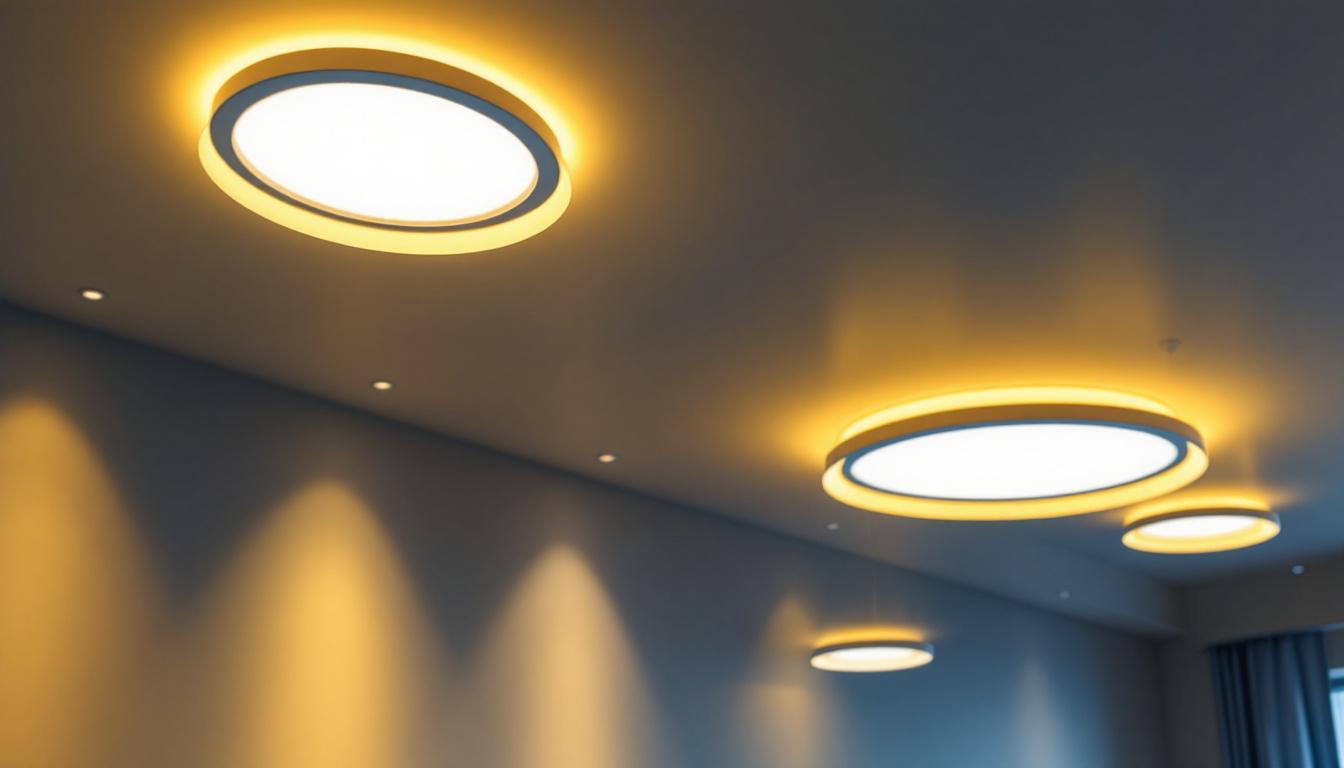
Moreover, the choice of size can influence the overall ambiance of a room. Larger fixtures may create a more dramatic effect, casting wider beams of light that can enhance the architectural features of a space. Conversely, smaller lights can provide subtle illumination, perfect for creating cozy nooks or highlighting artwork. Understanding the interplay between size and light output is crucial for achieving the desired mood and functionality in any environment.
Additionally, the type of ceiling—whether it’s flat, sloped, or vaulted—plays a significant role in determining the appropriate size of recessed lighting. For instance, in a sloped ceiling, larger fixtures might be necessary to ensure adequate light reaches the intended areas, while in a flat ceiling, smaller fixtures could suffice without overwhelming the space. This nuanced understanding of how different elements interact can elevate a contractor’s work from merely functional to truly exceptional, ensuring that every project not only meets but exceeds client expectations.
Understanding Recessed Lighting Components
The Housing
The housing is the metal canister that sits above the ceiling, housing the light bulb and wiring. It comes in different sizes, typically ranging from 3 inches to 8 inches in diameter. Measuring the housing size is crucial because it dictates the hole size needed in the ceiling and the type of trim that will fit. Additionally, there are various types of housings available, including new construction, remodel, and IC-rated options. New construction housings are designed for spaces where the ceiling is still being built, while remodel housings are ideal for retrofitting existing ceilings. IC-rated housings are essential for areas where insulation may come into contact with the fixture, ensuring safety and energy efficiency.
The Trim
The trim is the visible part of the recessed light that sits flush with the ceiling surface. It comes in various styles and sizes, often matching the housing diameter but sometimes slightly larger to cover the ceiling cutout. Knowing the trim size helps ensure a clean, finished look without gaps or overlaps. Trims can also vary in functionality; some are designed to provide a focused beam of light, while others offer a more diffused glow. Decorative trims, such as baffle or reflector trims, can significantly influence the overall aesthetic of a room, allowing homeowners to customize their lighting to complement their decor. Furthermore, adjustable trims can direct light where it is needed most, making them ideal for highlighting artwork or architectural features.
The Bulb and Reflector
While bulbs vary in size, recessed lighting fixtures are designed to accommodate specific bulb types and sizes. Reflectors inside the housing affect light distribution and intensity. Measuring the space inside the housing ensures compatibility with bulbs and reflectors, preventing overheating or poor lighting performance. Common bulb types include LED, halogen, and incandescent, each offering distinct advantages. LEDs are energy-efficient and have a longer lifespan, making them a popular choice for modern lighting designs. Halogen bulbs provide a bright, white light that enhances color accuracy, while incandescent bulbs offer warmth and familiarity. The choice of reflector can also impact the ambiance; for instance, a polished reflector can create a more concentrated beam, ideal for task lighting, whereas a matte reflector can soften the light for a more ambient effect. Understanding these components allows for a tailored lighting solution that meets both functional and aesthetic needs.
Step-by-Step Guide to Measuring Recessed Lighting Size
1. Measure the Ceiling Hole Diameter
Start by measuring the diameter of the hole in the ceiling where the recessed light will be installed. Use a tape measure or caliper for accuracy. This measurement determines the maximum size of the housing that can fit. For retrofit installations, this step is critical because the hole already exists. Additionally, it’s important to check for any irregularities in the hole shape, as a perfectly round hole will allow for a better fit and a more professional appearance once the trim is installed. If the hole is larger than expected, you may need to consider a larger trim or additional modifications to ensure a snug fit.
2. Measure the Housing Diameter
If you have the housing on hand, measure its diameter directly across the widest part. This should match or be slightly smaller than the ceiling hole diameter. For new installations, consult manufacturer specifications to select the appropriate housing size based on the ceiling hole. Keep in mind that different manufacturers may have slight variations in sizing, so always double-check the specifications. Moreover, if you are planning to install multiple fixtures, ensure that the housing sizes are consistent to maintain a uniform look throughout the space.
3. Measure the Housing Depth
Depth measurement is often overlooked but essential. It ensures the housing fits between ceiling joists or within the available ceiling cavity. Use a tape measure to check from the top of the housing to the bottom edge. Remember to account for any insulation or obstruction that may affect installation. If your ceiling has a particularly low profile, you might need to opt for shallow housing options, which are specifically designed for tight spaces. Additionally, consider the type of ceiling—whether it’s drywall, plaster, or another material—as this can influence the depth and type of housing required.
4. Measure the Trim Size
Trim size is usually indicated by the manufacturer but verifying it helps avoid surprises. Measure the diameter of the trim ring to ensure it will cover the ceiling hole completely and align with the housing. Some trims have adjustable features, so understanding their range is beneficial. Beyond just the diameter, consider the aesthetic of the trim. Different styles, such as baffle, reflector, or adjustable trims, can dramatically change the lighting effect and overall ambiance of the room. Choosing the right trim can enhance the design of your space while providing the necessary functionality.
5. Consider the Bulb Size and Type
Recessed fixtures are designed for specific bulb sizes such as BR30, BR40, or PAR20. Measure the bulb diameter and length to confirm it fits comfortably within the housing without touching the sides. This prevents heat buildup and ensures optimal light output. Additionally, think about the type of lighting you want to achieve. For instance, LED bulbs are energy-efficient and have a longer lifespan, while incandescent bulbs provide a warm glow. The choice of bulb can also affect the color temperature, which is crucial for setting the mood in your space, whether it’s a cozy living room or a bright kitchen.
Common Challenges and How to Overcome Them
Irregular Ceiling Shapes and Sizes
Ceilings aren’t always flat or uniform. Vaulted or sloped ceilings require special consideration. In these cases, measuring the housing depth and angle is vital to ensure the fixture sits flush and directs light appropriately. Adjustable trims and housings designed for angled ceilings can help.
Limited Ceiling Cavity Space
Older buildings or tight spaces may have limited room above the ceiling. This restricts housing depth and wiring space. Measuring the available cavity before selecting fixtures prevents installation headaches. Low-profile or shallow housings are ideal solutions in these scenarios.
Insulation Contact (IC) Ratings
When recessed lights are installed in insulated ceilings, IC-rated housings are necessary to prevent fire hazards. These housings are designed to come into direct contact with insulation. Measuring the clearance around the housing ensures compliance with safety codes and manufacturer guidelines.
Tools and Techniques for Precise Measurement
Using a Tape Measure and Calipers
A high-quality tape measure is a must-have for any lighting contractor. For more precise measurements, especially when dealing with smaller diameters or tight spaces, calipers provide accuracy down to fractions of an inch. Combining these tools ensures reliable data for ordering and installation.
Laser Distance Measurers
Laser distance measurers can quickly gauge distances and depths in hard-to-reach areas. While not always necessary for recessed lighting, they are useful when measuring ceiling heights or depths in large commercial projects where precision and speed matter.
Templates and Cutout Guides
Many manufacturers provide templates for cutting ceiling holes to the correct size. Using these templates reduces guesswork and ensures a perfect fit. When measuring existing holes, compare them against the template to verify size before proceeding.
Best Practices for Lighting Contractors
Double-Check Measurements Before Ordering
Ordering the wrong size can delay projects and increase costs. Always measure twice, ideally with two different tools or by two team members. Cross-check measurements against manufacturer specifications to confirm compatibility.
Document Measurements Clearly
Keep detailed records of all measurements for each fixture location. This documentation helps avoid confusion during installation and serves as a reference for future maintenance or upgrades.
Communicate with Clients About Fixture Sizes
Clients may have preferences about fixture appearance and light coverage. Share measurement details and explain how size affects these factors. This transparency builds trust and ensures client satisfaction.
Summary: Mastering Recessed Lighting Measurements
Measuring recessed lighting size is more than just a technical step; it’s a foundation for successful installation and client satisfaction. By understanding the components, using the right tools, and anticipating challenges, lighting contractors can streamline their workflow and deliver flawless results.
Accurate measurements lead to better fixture selection, safer installations, and lighting that enhances the space as intended. Whether working on residential or commercial projects, mastering this skill sets contractors apart as knowledgeable and reliable professionals.
Get Your Recessed Lighting Supplies at LumenWholesale
Ready to take your lighting projects to the next level? At LumenWholesale, we provide lighting contractors with the highest quality, spec-grade recessed lighting products at unbeatable wholesale prices. Say goodbye to local distributor markups and hello to our extensive selection that meets rigorous industry standards. With LumenWholesale, you can count on reliable, high-performance lighting that elevates every space you work on. Plus, enjoy the convenience of bulk buying with free shipping, ensuring you get the premium lighting you need at the best value — without any hidden fees. Make your next project shine with the perfect blend of quality, affordability, and convenience. Wholesale Lighting at the Best Value is just a click away.