Introduction to Hazardous Lighting and LED Technology
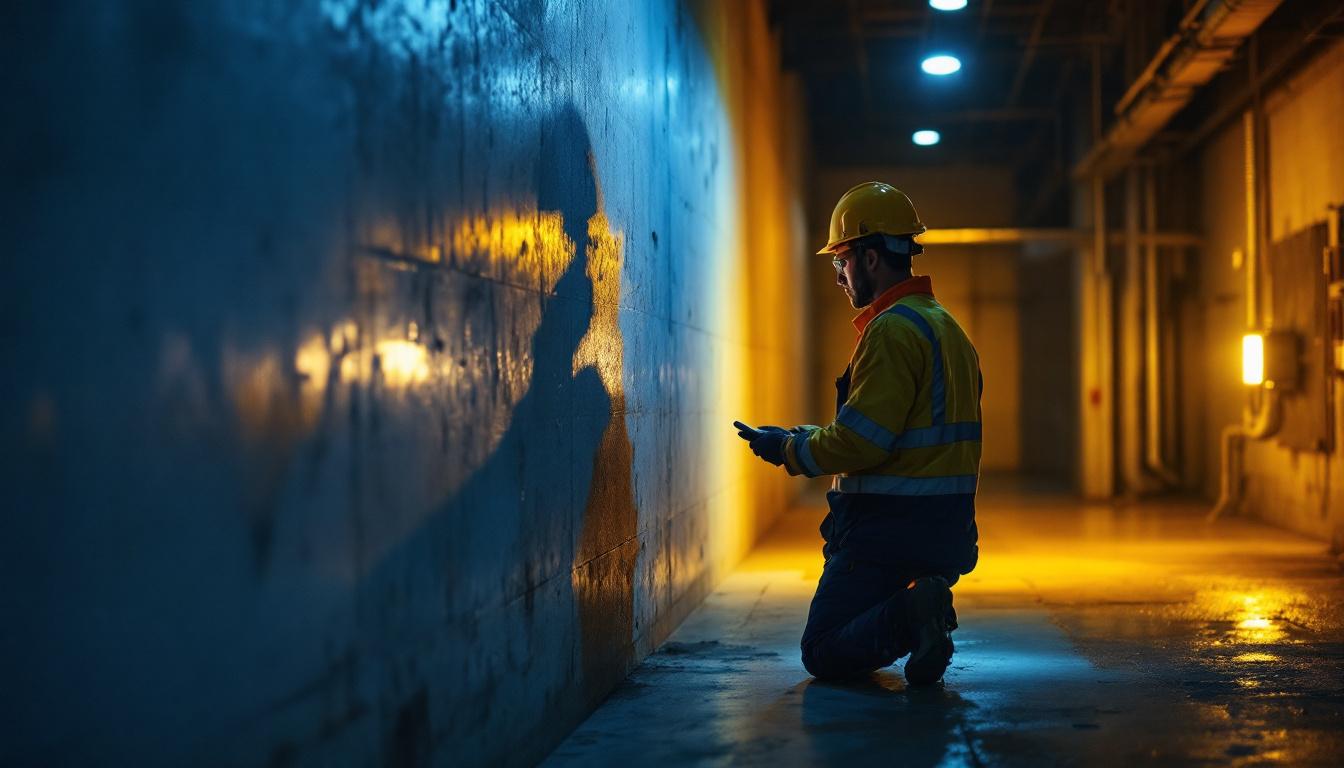
Lighting contractors play a crucial role in ensuring safe, efficient, and code-compliant lighting installations. With the rapid adoption of LED technology in hazardous environments, understanding the nuances of hazardous lighting LED systems has become more important than ever. LEDs offer numerous benefits such as energy efficiency, long lifespan, and reduced maintenance costs. However, when used in hazardous locations—such as chemical plants, oil refineries, or grain silos—incorrect application can lead to serious safety risks, equipment failure, or regulatory non-compliance.
Hazardous locations are classified based on the presence of flammable gases, vapors, dust, or fibers that can ignite under certain conditions. Lighting fixtures installed in these areas must meet stringent standards to prevent sparks or excessive heat that could trigger explosions or fires. This article explores common mistakes lighting contractors make when working with hazardous lighting LED systems and how to avoid them.
In addition to the inherent risks associated with hazardous locations, the integration of LED technology introduces a new layer of complexity. For instance, the thermal management of LED fixtures is critical; improper heat dissipation can lead to premature failure of the lighting system. This is particularly vital in environments where ambient temperatures can fluctuate dramatically. Contractors must ensure that the fixtures are designed for the specific conditions of the hazardous area, including temperature ratings and the ability to withstand corrosive substances that may be present.
Moreover, the selection of appropriate lenses and enclosures is essential to maintain the integrity of the lighting system. Many LEDs are sensitive to environmental factors, and using the wrong materials can compromise their effectiveness and safety. For example, polycarbonate lenses may be suitable for some applications, but in environments with high chemical exposure, glass or specialized coatings may be necessary to prevent degradation. Understanding the specific requirements of the hazardous environment is key to making informed decisions that enhance both safety and performance.
Misunderstanding Hazardous Location Classifications
Failing to Identify the Correct Zone or Class
One of the most fundamental errors lighting contractors make is misinterpreting or overlooking the hazardous location classification. These classifications—such as Class I, Division 1 or Zone 0—define the type and frequency of hazardous materials present. Each classification requires specific types of lighting fixtures with appropriate protection methods like explosion-proof housings or intrinsically safe designs.
For example, installing a fixture rated only for Class I, Division 2 in a Division 1 area can result in catastrophic failure. Division 1 areas have a higher likelihood of explosive atmospheres being present during normal operations, demanding more robust protection. Contractors must thoroughly review site documentation, consult with safety engineers, and verify hazardous area classifications before selecting lighting equipment. Additionally, it is crucial to conduct a comprehensive risk assessment that considers not only the materials present but also the operational processes that might influence the potential for an explosive atmosphere. This proactive approach can help in identifying any overlooked hazards and ensuring that the chosen lighting solutions are not only compliant but also tailored to the specific risks of the environment.
Ignoring Updates to Codes and Standards
Electrical and hazardous location codes evolve to incorporate new research, technology, and safety practices. Lighting contractors who rely on outdated standards risk installing non-compliant fixtures. The National Electrical Code (NEC), International Electrotechnical Commission (IEC), and Underwriters Laboratories (UL) frequently update hazardous location requirements. Staying current with these changes is essential to avoid costly rework and ensure worker safety.
Moreover, the rapid advancement of technology means that new lighting solutions are continuously being developed, offering enhanced safety features and energy efficiency. Contractors should engage in ongoing education and training programs, attend industry conferences, and participate in workshops that focus on the latest developments in hazardous location lighting. Networking with industry peers can also provide valuable insights into best practices and emerging trends. By fostering a culture of continuous learning, contractors can not only ensure compliance with current codes but also enhance their overall project delivery and safety outcomes.
Improper Selection of LED Fixtures for Hazardous Environments
Overlooking Certification and Testing Requirements
LED fixtures intended for hazardous locations must undergo rigorous testing and certification by recognized bodies such as UL, ATEX, or CSA. These certifications confirm that the fixture can withstand the environmental conditions and prevent ignition sources. A common mistake is selecting LED fixtures based solely on price or availability without verifying their hazardous location ratings.
For instance, a contractor might choose a standard LED fixture labeled “weatherproof” but lacking explosion-proof certification for use in a Class II dust environment. This oversight not only violates safety codes but also exposes the site to potential hazards. Always verify that the fixture’s certification matches the specific hazardous location classification. Furthermore, understanding the nuances of different certifications is crucial; for example, ATEX certification is essential for environments with explosive atmospheres in Europe, while NEC classifications are critical in North America. Each certification has specific testing protocols that ensure the fixture can operate safely under the conditions it will face.
Ignoring Thermal Management Considerations
LEDs generate heat that must be properly dissipated to maintain performance and safety. In hazardous locations, inadequate thermal management can cause the fixture’s surface temperature to exceed safe limits, potentially igniting flammable materials. Contractors sometimes neglect to evaluate the fixture’s temperature ratings or fail to install them according to manufacturer guidelines, leading to hazardous conditions.
Choosing fixtures with appropriate heat sinks, thermal interfaces, and ventilation is critical. Additionally, ambient temperature ratings must be considered, as hazardous environments often experience extreme temperatures that impact LED fixture operation. The design of the fixture should facilitate airflow and heat dissipation, which can be achieved through features like fins or heat pipes. Moreover, it is essential to assess the installation location; for example, fixtures installed in confined spaces may require additional considerations for airflow to prevent overheating. Regular maintenance checks should also be scheduled to ensure that dust and debris do not obstruct ventilation, as this can significantly affect the thermal performance of the LED fixtures over time.
Poor Installation Practices and Their Consequences
Incorrect Wiring and Grounding
Proper wiring and grounding are essential to prevent electrical faults that could spark explosions in hazardous areas. Contractors occasionally use non-approved wiring methods or neglect grounding requirements specific to hazardous locations. For example, using standard conduit or cables instead of explosion-proof conduit systems can allow flammable gases or dust to enter the fixture enclosure.
Grounding ensures that any stray electrical current is safely dissipated. Failure to establish a proper ground can result in arcing or static discharge, both dangerous in explosive atmospheres. Adhering strictly to NEC and manufacturer installation instructions mitigates these risks.
Improper Sealing and Enclosure Integrity
Maintaining the integrity of fixture enclosures is vital to prevent hazardous substances from entering and interacting with electrical components. Contractors sometimes fail to properly seal junction boxes, conduit entries, or fixture housings, compromising explosion-proof or dust-ignition-proof ratings.
Use of incorrect gaskets, damaged seals, or improper torque on bolts can create gaps, allowing flammable vapors or dust to infiltrate. Regular inspection and maintenance of seals and enclosures are necessary to preserve safety over the fixture’s lifespan.
Neglecting Maintenance and Inspection Protocols
Underestimating the Importance of Routine Checks
Even the best-installed hazardous lighting LED systems require periodic maintenance to ensure continued safety and performance. Contractors sometimes underestimate the need for scheduled inspections, leading to unnoticed deterioration or damage. Corrosion, seal degradation, or LED driver failures can compromise fixture safety.
Implementing a robust maintenance plan that includes visual inspections, electrical testing, and cleaning is essential. Documenting maintenance activities also helps demonstrate compliance with safety regulations during audits.
Failing to Train Personnel on Hazardous Lighting Systems
Maintenance personnel must be trained specifically on hazardous lighting systems to avoid inadvertent damage or unsafe practices. For example, opening an explosion-proof fixture without following lockout/tagout procedures or without ensuring the area is safe can trigger accidents. Contractors should provide comprehensive training and clear documentation to all staff involved in installation and maintenance.
Overlooking Energy Efficiency and Lifecycle Cost Analysis
Focusing Solely on Initial Cost
While LED technology is inherently energy-efficient, selecting the wrong fixture or ignoring lifecycle costs can diminish these benefits. Some contractors prioritize upfront costs without considering energy consumption, maintenance frequency, or fixture longevity. This approach can lead to higher total costs and increased safety risks over time.
Performing a thorough lifecycle cost analysis that includes energy savings, maintenance expenses, and replacement intervals ensures optimal value and safety. Selecting high-quality hazardous location LED fixtures with proven durability reduces downtime and operational risks.
Neglecting Compatibility with Control Systems
Modern hazardous lighting installations often incorporate dimming, occupancy sensors, or emergency lighting controls to enhance safety and efficiency. Contractors sometimes overlook compatibility between LED fixtures and control systems, resulting in flickering, premature failure, or non-compliance with emergency lighting standards.
Ensuring that hazardous location LED fixtures support required control protocols and environmental conditions is critical. Coordination with control system manufacturers and thorough testing before commissioning can prevent costly issues.
Conclusion: Best Practices for Safe Hazardous LED Lighting Installations
Lighting contractors working in hazardous environments must adopt a comprehensive approach that prioritizes safety, compliance, and performance. Key best practices include:
- Thoroughly understanding hazardous location classifications and staying current with code updates.
- Selecting LED fixtures with appropriate certifications, thermal management, and environmental ratings.
- Following meticulous installation procedures, including proper wiring, grounding, and sealing.
- Implementing regular maintenance and training programs to sustain safety and functionality.
- Considering lifecycle costs and control system compatibility to maximize efficiency and reliability.
By avoiding common mistakes and adhering to these guidelines, lighting contractors can ensure that hazardous lighting LED installations protect personnel, assets, and operations while delivering the benefits of modern LED technology.
Get Your Hazardous Lighting LED Solutions from LumenWholesale
Ready to elevate your hazardous lighting LED installations with the highest quality products? Look no further than LumenWholesale. Our spec-grade lighting solutions are designed to meet the rigorous demands of hazardous environments, ensuring safety, compliance, and performance. With unbeatable wholesale prices and free shipping on bulk orders, you can trust LumenWholesale to provide premium lighting without the premium price tag. Make the smart choice for your next project and experience the best value in wholesale lighting today.