Photocell For LED Lights: Lighting Contractors’ Secrets to Master
In the ever-evolving world of lighting technology, photocells have emerged as a crucial component for optimizing LED lighting systems. For lighting contractors, understanding the nuances of photocells can lead to enhanced efficiency, energy savings, and improved client satisfaction. This article delves into the intricacies of photocells for LED lights, offering insights and secrets that can elevate a contractor’s expertise and service offerings.
What is a Photocell?
A photocell, also known as a photoresistor or light sensor, is a device that detects light levels and automatically adjusts the operation of lighting fixtures accordingly. When ambient light decreases, the photocell activates the lights, and conversely, it turns them off when sufficient natural light is present. This automatic adjustment not only conserves energy but also extends the lifespan of LED lights. By reducing the need for manual operation, photocells provide convenience and enhance safety, particularly in outdoor settings where lighting is crucial for visibility and security.
In addition to their energy-saving benefits, photocells contribute to a more sustainable environment by minimizing unnecessary electricity consumption. As cities and communities increasingly prioritize green initiatives, the adoption of photocell technology in public and private lighting systems has become more prevalent. This shift not only helps in reducing carbon footprints but also promotes the use of renewable energy sources, as many modern photocells can be integrated with solar-powered lighting solutions.
How Photocells Work
Photocells operate based on the principle of photoconductivity. They contain a semiconductor material that changes its resistance in response to light exposure. When light levels drop below a certain threshold, the resistance decreases, allowing current to flow and triggering the connected lighting system. This simple yet effective mechanism enables seamless integration with various lighting setups, from streetlights to outdoor landscape lighting. The responsiveness of photocells can vary, with some models designed to react quickly to changes in light, while others may have a built-in delay to prevent flickering in response to transient light conditions, such as passing car headlights.
Moreover, advancements in technology have led to the development of more sophisticated photocells that can differentiate between various light sources. For instance, some modern photocells can discern between natural sunlight and artificial light, allowing for even more precise control over lighting systems. This capability is particularly useful in environments where ambient light levels fluctuate frequently, such as urban areas with heavy traffic or in settings with nearby streetlights.
Types of Photocells
There are several types of photocells available, each suited for different applications. The most common types include:
- Standard Photocells: These are basic devices that turn lights on at dusk and off at dawn.
- Adjustable Photocells: These allow contractors to set specific light level thresholds for activation, offering greater flexibility.
- Smart Photocells: Integrating with smart home systems, these photocells can be controlled remotely and programmed for specific schedules.
In addition to these common types, there are also specialized photocells designed for specific environments. For example, marine photocells are built to withstand harsh weather conditions and are often used in coastal areas to control lighting for docks and marinas. Similarly, industrial photocells are engineered to operate in high-demand settings, such as warehouses and factories, where lighting needs can change rapidly based on activity levels. These variations ensure that there is a suitable photocell option for virtually any lighting requirement, enhancing both functionality and energy efficiency across diverse applications.
Benefits of Using Photocells with LED Lights
Incorporating photocells into LED lighting systems presents numerous advantages that can significantly impact both the contractor’s service and the client’s experience. Understanding these benefits is essential for any lighting contractor looking to enhance their offerings.
Energy Efficiency
One of the primary benefits of using photocells with LED lights is energy efficiency. By ensuring that lights are only on when needed, contractors can help clients reduce their energy consumption and lower utility bills. This not only contributes to environmental sustainability but also appeals to cost-conscious customers.
Extended Lifespan of Lighting Fixtures
LED lights have a longer lifespan than traditional bulbs, but their longevity can be further enhanced by using photocells. By reducing the amount of time the lights are on, contractors can help clients maximize their investment in LED technology, leading to fewer replacements and maintenance costs over time.
Enhanced Safety and Security
Properly installed photocells can improve safety and security in outdoor spaces. By ensuring that lights are activated during low-light conditions, contractors can help prevent accidents and deter potential intruders. This added value can be a significant selling point for residential and commercial clients alike.
Installation Tips for Lighting Contractors
Installing photocells may seem straightforward, but there are several best practices that contractors should follow to ensure optimal performance and customer satisfaction. Understanding these tips can help avoid common pitfalls and enhance the overall quality of the installation.
Choosing the Right Location
The location of the photocell is crucial for its effectiveness. It should be placed in an area that accurately reflects the ambient light levels without obstruction from trees, buildings, or other structures. Ideally, the photocell should face north to minimize the impact of direct sunlight, which can lead to premature activation or deactivation.
Wiring Considerations
Proper wiring is essential for the functionality of photocells. Contractors should ensure that all connections are secure and that the photocell is compatible with the LED fixtures being used. Additionally, using weatherproof connectors and enclosures is vital for outdoor installations to protect against moisture and environmental factors.
Testing and Calibration
Once installed, testing the photocell is critical. Contractors should verify that the lights respond appropriately to changes in ambient light levels. Some adjustable photocells may require calibration to set the desired activation threshold, ensuring optimal performance tailored to the specific environment.
Common Challenges and Solutions
While photocells offer many benefits, they can also present challenges during installation and operation. Understanding these potential issues and their solutions is vital for lighting contractors to provide top-notch service.
False Activations
One common issue with photocells is false activations, where lights turn on unexpectedly due to factors like passing cars, streetlights, or even moonlight. To mitigate this, contractors can recommend adjustable photocells that allow for sensitivity settings, ensuring that the lights only activate under appropriate conditions.
Interference from Other Light Sources
Nearby light sources can interfere with the operation of photocells, leading to inconsistent performance. Contractors should assess the surrounding environment during installation and suggest alternative lighting solutions or placement adjustments to minimize interference.
Integrating Photocells with Smart Lighting Systems
As the demand for smart home technology continues to grow, integrating photocells with smart lighting systems can offer enhanced functionality and convenience. This integration not only appeals to tech-savvy clients but also opens up new avenues for contractors to expand their service offerings.
Smart Photocell Features
Smart photocells come equipped with features that allow for remote control and programming through mobile apps or smart home systems. This enables users to customize their lighting schedules, monitor energy usage, and even receive alerts when lights are activated. Contractors can leverage these features to provide clients with a more personalized and efficient lighting experience.
Compatibility with Other Smart Devices
Integrating photocells with other smart devices, such as motion sensors and timers, can create a comprehensive lighting solution. For instance, combining a photocell with a motion sensor can ensure that lights only activate when both ambient light is low and movement is detected, further optimizing energy usage.
Case Studies: Successful Photocell Installations
Examining real-world applications of photocells in LED lighting installations can provide valuable insights for contractors. These case studies highlight the practical benefits and effectiveness of photocells in various settings.
Residential Applications
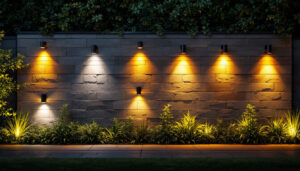
In a recent residential project, a contractor installed photocells for outdoor landscape lighting. The homeowners wanted to enhance their property’s curb appeal while maintaining energy efficiency. By using adjustable photocells, the contractor ensured that the lights activated only during low-light conditions, resulting in significant energy savings and a beautifully illuminated exterior.
Commercial Installations
In a commercial setting, a contractor implemented photocells for a parking lot lighting project. The goal was to improve safety and security while minimizing energy costs. By strategically placing photocells throughout the lot, the contractor achieved optimal lighting conditions that adapted to changing natural light levels, providing a safe environment for patrons while reducing energy consumption.
Future Trends in Photocell Technology
The field of lighting technology is constantly evolving, and photocells are no exception. Staying informed about emerging trends can help contractors remain competitive and offer cutting-edge solutions to their clients.
Integration with IoT
The Internet of Things (IoT) is transforming how lighting systems operate. Future photocells are expected to integrate seamlessly with IoT platforms, allowing for real-time data collection and analysis. This integration can lead to smarter lighting solutions that adapt dynamically to environmental changes and user preferences.
Advanced Sensory Technology
Advancements in sensory technology may lead to photocells that can distinguish between different light sources and adjust accordingly. This could minimize false activations and enhance the overall efficiency of lighting systems, providing contractors with even more effective solutions for their clients.
Conclusion
Mastering the use of photocells in LED lighting systems is essential for lighting contractors aiming to provide top-tier service and solutions. By understanding the functionality, benefits, installation practices, and future trends of photocells, contractors can enhance their expertise and offer clients innovative, energy-efficient lighting solutions. As the industry continues to evolve, staying informed and adaptable will ensure that contractors remain at the forefront of lighting technology.
Get Your Premium Photocell Lighting Solutions at LumenWholesale
Ready to elevate your LED lighting installations with the latest photocell technology? Look no further than LumenWholesale for all your lighting needs. Our extensive selection of spec-grade lighting products is designed to meet the highest industry standards, ensuring you deliver reliable and high-performance lighting solutions to your clients. With unbeatable wholesale prices and the convenience of free shipping on bulk orders, you can trust LumenWholesale to provide the quality, affordability, and hassle-free experience you deserve. Don’t miss out on superior lighting products at the best value. Visit Wholesale Lighting at the Best Value and start your project with confidence today!