The Importance of Proper Garage Lighting for Contractors
For lighting contractors, understanding the critical role of interior garage lighting is essential to delivering high-quality installations that meet client needs and safety standards. Garages are multifunctional spaces—used for vehicle storage, workshops, home gyms, or even additional living areas—and their lighting requirements reflect this diversity. Proper lighting ensures visibility, enhances safety, and improves the overall functionality of the space.
Despite being a utilitarian area, garages often suffer from inadequate lighting, which can lead to accidents, inefficiencies, and dissatisfaction. As contractors, providing well-designed lighting solutions not only elevates the client’s experience but also showcases professional expertise and attention to detail. This article explores why garage interior lighting is critical and how contractors can approach installations to maximize effectiveness.
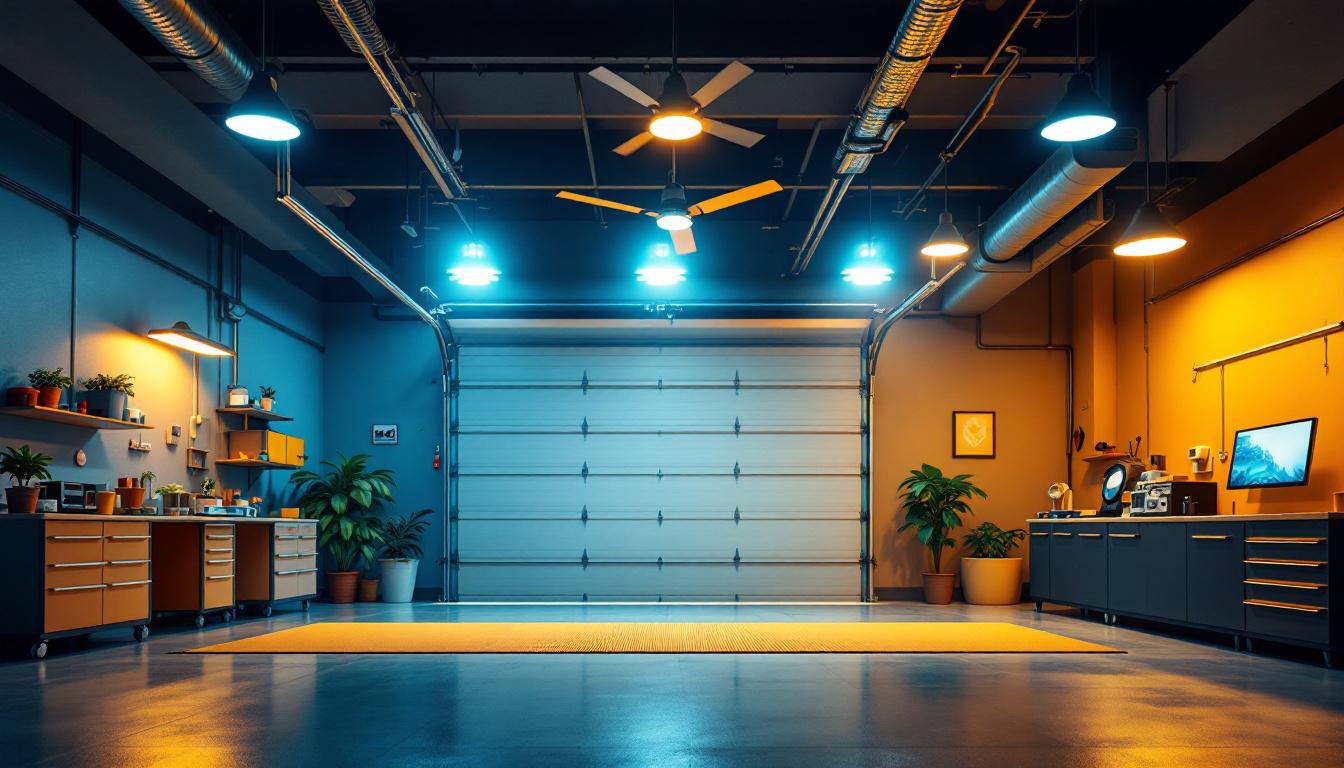
One of the primary considerations for contractors is the type of lighting fixtures to use in a garage. LED lights have gained popularity due to their energy efficiency, longevity, and brightness, making them an excellent choice for illuminating large areas. Additionally, the color temperature of the lights can significantly affect how tasks are performed in the garage. A cooler white light, for instance, can create a more vibrant environment that is ideal for detailed work, while warmer tones may be more suitable for creating a cozy atmosphere in a garage that doubles as a living space. Understanding these nuances allows contractors to tailor their lighting solutions to meet the specific needs of each client.
Furthermore, the layout and design of the garage play a crucial role in determining the placement of lighting fixtures. Strategic positioning can eliminate shadows and dark corners, which are often the culprits behind accidents and inefficiencies. Incorporating task lighting, such as under-cabinet lights or adjustable fixtures, can enhance visibility in work areas, while motion-sensor lights can provide convenience and security. By considering the unique layout of each garage and the activities that will take place within it, contractors can create a comprehensive lighting plan that not only meets safety standards but also enhances the overall aesthetic appeal of the space.
Understanding the Unique Lighting Needs of Garages
Functionality and Versatility
Garages serve multiple functions beyond just parking cars. Many homeowners use their garages for DIY projects, storage, or as hobby spaces. This versatility demands lighting that can adapt to various activities. For example, bright, shadow-free illumination is necessary for detailed tasks like mechanical work or woodworking, whereas softer ambient lighting might suffice for casual use. In addition to these primary functions, garages often double as laundry rooms or even home gyms, further emphasizing the need for a flexible lighting design. Homeowners may find themselves needing bright task lighting for sorting laundry or dimmer lights for a more relaxed atmosphere during workouts.
Lighting contractors must consider these diverse uses when planning installations, ensuring that the lighting system can accommodate different levels of brightness and potentially incorporate zones or dimming capabilities. This can be achieved through the use of layered lighting techniques that combine ambient, task, and accent lighting. For instance, overhead LED panels can provide general illumination, while adjustable track lights or under-cabinet fixtures can enhance specific work areas. Such thoughtful design not only improves functionality but also enhances the overall aesthetic of the garage, making it a more inviting space for various activities.
Durability and Environmental Factors
Garages are often exposed to dust, moisture, temperature fluctuations, and chemical fumes, all of which can affect lighting fixtures. Contractors need to select durable, moisture-resistant fixtures designed for such environments to ensure longevity and safety. LED fixtures with appropriate IP ratings are commonly recommended due to their energy efficiency and robustness. Furthermore, using fixtures with shatterproof covers can protect against accidental damage from falling tools or equipment, which is especially important in busy workspaces.
In addition to selecting the right fixtures, it’s essential to consider the placement of lighting to minimize exposure to potential hazards. For instance, lights should be positioned away from areas where heavy items may be stored or moved. Additionally, incorporating motion sensors can enhance energy efficiency and convenience, automatically turning lights on when someone enters the garage and off when the space is unoccupied. This not only conserves energy but also ensures that the garage is well-lit whenever needed, promoting a safer environment.
Safety and Code Compliance
Safety is paramount in garage lighting. Proper illumination reduces the risk of slips, trips, and falls, especially in spaces cluttered with tools or vehicles. Additionally, contractors must adhere to local electrical codes and standards, which often specify minimum lighting levels and fixture types for garages. Compliance not only ensures safety but also avoids legal and insurance complications. It is crucial for homeowners to work with licensed electricians who are familiar with these codes to ensure that all installations meet regulatory requirements.
Moreover, the implementation of safety features such as emergency lighting can be a wise investment. In the event of a power outage, having backup lighting can help prevent accidents and provide a safe exit route. Additionally, incorporating reflective surfaces or light-colored walls can enhance the overall brightness of the garage, making it easier to navigate in low-light conditions. By prioritizing safety and compliance, homeowners can create a garage space that is not only functional but also secure and welcoming for all users.
Key Considerations for Garage Lighting Installations
Light Levels and Distribution
One of the primary considerations is achieving the right light intensity and even distribution. The Illuminating Engineering Society (IES) recommends a minimum of 50 foot-candles for general garage lighting, with higher levels for task-specific areas. Contractors should aim for uniform lighting to eliminate shadows that can hinder visibility and create hazards.
Using multiple fixtures strategically placed can help achieve this uniformity. For example, linear LED fixtures or multiple recessed lights spaced evenly across the ceiling can provide consistent illumination.
Color Temperature and Quality
Color temperature significantly impacts the ambiance and functionality of garage lighting. A neutral to cool white range (between 4000K and 5000K) is typically preferred for garages, as it mimics daylight and enhances visibility, making it easier to distinguish colors and details during tasks.
Moreover, high Color Rendering Index (CRI) fixtures (above 80) are recommended to ensure colors appear natural and accurate, which is particularly important for activities such as painting or automotive work.
Energy Efficiency and Sustainability
Energy-efficient lighting solutions not only reduce operational costs but also align with increasing environmental consciousness among clients. LED technology dominates garage lighting installations due to its low power consumption, long lifespan, and minimal maintenance requirements.
Contractors should educate clients on the benefits of LEDs and consider integrating smart lighting controls like occupancy sensors and timers to further enhance energy savings.
Popular Lighting Technologies and Fixtures for Garages
LED Shop Lights
LED shop lights are a popular choice for garage interiors due to their bright output, energy efficiency, and ease of installation. They provide broad, even illumination and come in various sizes and mounting options, including surface-mounted and suspended fixtures.
Many LED shop lights also offer features such as dimming and adjustable color temperature, allowing customization based on the client’s needs.
Recessed Lighting
Recessed lights offer a sleek, unobtrusive lighting solution that works well in garages with finished ceilings. They provide focused, directional light and can be spaced to create an even lighting pattern. Contractors should ensure that recessed fixtures are rated for damp or dusty environments common in garages.
Task Lighting and Under-Cabinet Fixtures
For garages used as workshops or hobby areas, task lighting is essential. Under-cabinet LED strips or adjustable gooseneck lamps can provide focused illumination on workbenches or tool areas. These fixtures improve precision and reduce eye strain during detailed tasks.
Motion-Activated and Smart Lighting Systems
Integrating motion sensors and smart controls enhances convenience and security in garage lighting. Motion-activated lights automatically turn on when someone enters the space, improving safety and energy efficiency. Smart systems can be programmed or controlled remotely, offering flexibility and modern appeal.
Installation Best Practices for Lighting Contractors
Assessment and Planning
Successful garage lighting installations begin with a thorough assessment of the space. Contractors should evaluate the garage’s size, ceiling height, existing electrical infrastructure, and intended uses. This information guides fixture selection, placement, and wiring plans.
Consulting with clients about their preferences and activities ensures that the lighting design aligns with their lifestyle and expectations.
Proper Fixture Placement
Strategic fixture placement is crucial to avoid shadows and dark spots. Fixtures should be positioned to illuminate key areas such as vehicle parking zones, workbenches, and storage spaces. Avoid placing lights directly above reflective surfaces to minimize glare.
Spacing recommendations vary by fixture type, but maintaining consistent intervals helps create uniform light distribution.
Electrical Safety and Code Adherence
Contractors must follow all relevant electrical codes and safety standards during installation. This includes using appropriate wiring methods, grounding fixtures properly, and installing GFCI outlets where required. Ensuring that all components are rated for garage environments prevents premature failures and hazards.
Testing and Client Education
After installation, thorough testing verifies that lighting levels meet design specifications and that all controls function correctly. Contractors should demonstrate system operation to clients, explaining features such as dimming, motion sensors, and maintenance tips.
Providing documentation and warranties further enhances client confidence and satisfaction.
Benefits of Professional Garage Lighting Installations
Enhanced Safety and Security
Properly installed garage lighting significantly reduces the risk of accidents by improving visibility. Well-lit garages deter theft and vandalism, especially when combined with motion-activated systems that alert homeowners to movement.
Improved Functionality and Comfort
Good lighting transforms garages from dark, underutilized spaces into functional extensions of the home. Whether for parking, working, or leisure, appropriate lighting enhances comfort and usability, increasing the overall value of the property.
Energy Savings and Reduced Maintenance
Energy-efficient lighting solutions lower electricity bills and reduce the frequency of fixture replacements. This translates into long-term cost savings for homeowners and fewer service calls for contractors.
Professional Reputation and Client Trust
Delivering expertly designed and installed garage lighting strengthens a contractor’s reputation. Satisfied clients are more likely to provide referrals and repeat business, fostering growth and success in a competitive market.
Conclusion: Prioritizing Garage Interior Lighting in Installations
Garage interior lighting is a critical component of any comprehensive lighting installation project. For contractors, recognizing the unique challenges and requirements of garage spaces ensures that lighting solutions are safe, functional, and aesthetically pleasing. By focusing on proper assessment, fixture selection, placement, and adherence to codes, contractors can deliver superior results that enhance client satisfaction and safety.
Investing time and expertise in garage lighting not only elevates the quality of the installation but also contributes to the long-term value and usability of the space. As garages continue to evolve into versatile areas within homes, the role of effective lighting becomes increasingly important, making it a priority for lighting professionals.
Illuminate Your Projects with LumenWholesale
Ready to take your garage lighting installations to the next level? At LumenWholesale, we provide lighting contractors with the highest quality, spec-grade lighting products at prices that can’t be beaten. Say goodbye to local distributor markups and hello to a vast selection of reliable, high-performance lighting that meets the most stringent industry standards. With free shipping on bulk orders, you can stock up on premium lighting solutions without worrying about hidden fees. Elevate your lighting projects with the unbeatable value and convenience of Wholesale Lighting at the Best Value from LumenWholesale.