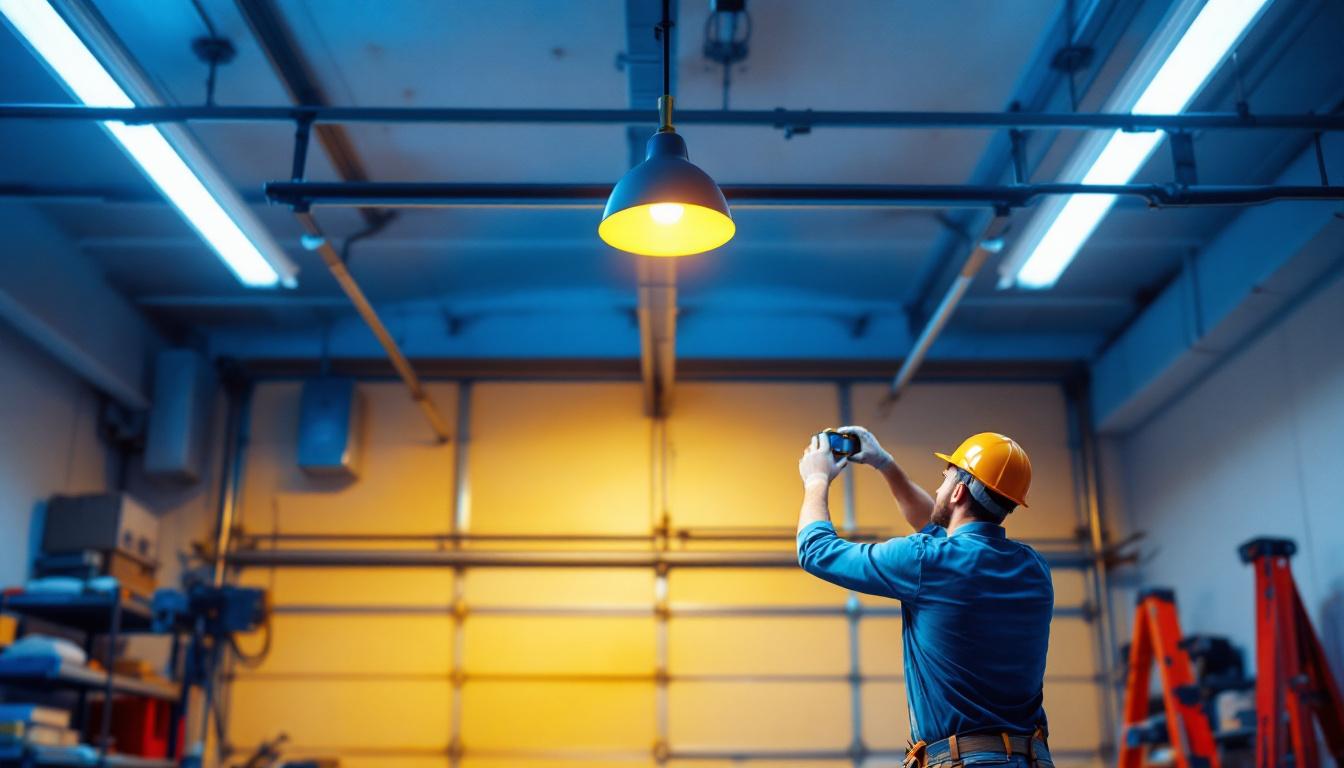
Understanding Fluorescent Lamps: Basics Every Lighting Contractor Should Know
Fluorescent lamps have been a staple in commercial and industrial lighting for decades, prized for their energy efficiency and long lifespan compared to traditional incandescent bulbs. However, despite their widespread use, many lighting contractors encounter challenges when specifying, installing, or maintaining these fixtures. A solid grasp of how fluorescent lamps work and their key components is essential to avoid costly mistakes and ensure optimal performance.
At their core, fluorescent lamps operate by passing an electric current through mercury vapor, which produces ultraviolet light. This UV light then excites a phosphor coating on the inside of the tube, emitting visible light. The result is a bright, diffuse illumination ideal for large spaces such as offices, warehouses, and retail environments. The efficiency of fluorescent lamps is further enhanced by their ability to produce more lumens per watt than incandescent bulbs, making them a preferred choice for energy-conscious projects.
Fluorescent lamps come in various shapes and sizes, including linear tubes (T5, T8, T12), compact fluorescent lamps (CFLs), and circular tubes. Each type has specific voltage, wattage, and ballast requirements, making it crucial for contractors to match lamps with compatible fixtures and ballasts to avoid premature failure or suboptimal lighting conditions. Additionally, understanding the differences in color temperature and color rendering index (CRI) can significantly impact the ambiance of a space. For instance, cooler color temperatures can enhance productivity in office settings, while warmer tones may create a more inviting atmosphere in retail environments.
Another important aspect to consider is the environmental impact of fluorescent lamps. While they are more energy-efficient than incandescent bulbs, they contain small amounts of mercury, which necessitates careful disposal and recycling practices. Many regions have implemented regulations regarding the disposal of fluorescent lamps to minimize environmental hazards. Contractors should stay informed about local regulations and promote sustainable practices, such as using energy-efficient ballasts and encouraging clients to recycle old lamps. Furthermore, advancements in technology, such as the development of LED alternatives, are reshaping the landscape of commercial lighting, prompting contractors to evaluate the long-term benefits of transitioning to LED solutions while still recognizing the unique advantages that fluorescent lamps offer in certain applications.
Common Mistakes Lighting Contractors Make with Fluorescent Lamps
1. Incorrect Lamp and Ballast Pairing
One of the most frequent errors is mismatching fluorescent lamps with incompatible ballasts. Ballasts regulate the current to the lamp, ensuring it operates safely and efficiently. Using a ballast not designed for the lamp type can lead to flickering, reduced lamp life, or even ballast burnout.
For example, a T8 lamp requires a ballast specifically rated for T8 operation. Installing a T12 ballast with a T8 lamp can cause color inconsistencies and energy inefficiencies. Lighting contractors must carefully verify ballast compatibility, especially when retrofitting older fixtures or upgrading to newer lamp types. Additionally, understanding the differences between magnetic and electronic ballasts is crucial, as electronic ballasts offer improved efficiency and performance, reducing energy consumption and extending lamp life. By prioritizing proper pairing, contractors can ensure optimal performance and customer satisfaction.
2. Overlooking Lamp Color Temperature and CRI
Lighting quality hinges not only on brightness but also on color characteristics. Fluorescent lamps come in various color temperatures, typically ranging from warm white (around 2700K) to daylight (upwards of 6500K). The Color Rendering Index (CRI) measures how accurately a light source reveals colors compared to natural light.
Failing to consider these factors can result in environments that feel unnatural or uninviting. For instance, retail spaces benefit from lamps with high CRI (above 80) and appropriate color temperature to showcase products effectively. Lighting contractors should consult with clients about the desired ambiance and select lamps accordingly. Moreover, understanding the psychological effects of color temperature can enhance the overall experience; warmer tones can create a cozy atmosphere in restaurants, while cooler tones can promote alertness in office settings. By tailoring the lighting to the specific needs of each space, contractors can significantly improve both functionality and aesthetics.
3. Neglecting Proper Installation Practices
Improper installation can severely impact fluorescent lamp performance. Common pitfalls include poor wiring connections, incorrect ballast mounting, and failure to observe manufacturer guidelines regarding lamp orientation and fixture compatibility.
Additionally, fluorescent lamps are sensitive to frequent switching cycles. Installing them in areas with rapid on/off cycling, such as restrooms or closets, without considering lamp specifications can shorten lamp life. Lighting contractors should educate clients on usage patterns and recommend alternative lighting solutions like LEDs where appropriate. Furthermore, ensuring that fixtures are clean and free from dust and debris can also enhance performance, as dirt can block light output and lead to overheating. By emphasizing the importance of proper installation and maintenance, contractors can help clients achieve the best possible lighting outcomes.
4. Ignoring Environmental Factors
Fluorescent lamps are sensitive to ambient temperature and humidity. Operating them outside recommended temperature ranges can cause flickering, delayed start times, or reduced lumen output. For example, T12 lamps typically perform poorly in cold environments, making T8 or T5 lamps more suitable for unheated warehouses or outdoor applications.
Contractors should assess the installation environment thoroughly and select lamps and ballasts rated for the specific conditions. In some cases, installing cold-weather ballasts or using electronic ballasts designed for low temperatures can mitigate these issues. Additionally, factors such as ventilation and air circulation can play a significant role in lamp performance; in high-humidity areas, ensuring adequate airflow can prevent moisture buildup that may damage the fixtures. By taking a holistic approach to environmental considerations, lighting contractors can enhance the longevity and reliability of fluorescent lighting systems.
Best Practices for Fluorescent Lamp Selection and Installation
Choosing the Right Lamp Type for the Application
Understanding the distinctions between T5, T8, and T12 lamps is critical. T5 lamps are smaller in diameter and more energy-efficient but require compatible fixtures and ballasts. T8 lamps offer a balance of efficiency and cost-effectiveness, making them popular in many commercial settings. T12 lamps, while still in use, are less efficient and are being phased out in many regions due to energy regulations.
Lighting contractors should prioritize T5 or T8 lamps for new installations or retrofits to maximize energy savings and comply with current standards. Additionally, considering the lamp’s rated life and lumen maintenance can help clients reduce maintenance costs over time.
Utilizing Electronic Ballasts for Improved Performance
Electronic ballasts have largely replaced older magnetic ballasts due to their superior efficiency, reduced noise, and elimination of flicker. They also enable instant start or programmed start options, which can extend lamp life by reducing stress during ignition.
When retrofitting existing fluorescent fixtures, upgrading to electronic ballasts can yield significant energy savings and improve lighting quality. Contractors should ensure ballast compatibility with the selected lamps and verify that the electrical supply matches ballast requirements.
Implementing Proper Maintenance and Replacement Schedules
Routine maintenance is vital to sustaining fluorescent lamp performance. Over time, lamps experience lumen depreciation and color shift, which can degrade lighting quality. Lighting contractors should advise clients on recommended replacement intervals, typically between 7,000 to 20,000 hours depending on lamp type and usage.
Regular cleaning of fixtures and lamps also helps maintain brightness and efficiency. Dust and dirt accumulation can reduce light output by up to 30%, negatively impacting workspace illumination and energy costs.
Emerging Trends and Considerations in Fluorescent Lighting
Transitioning to LED Alternatives
While fluorescent lamps remain prevalent, the lighting industry is witnessing a strong shift toward LED technology. LEDs offer higher energy efficiency, longer lifespans, and better environmental profiles, lacking mercury content altogether.
Lighting contractors should stay informed about LED retrofit kits designed to replace fluorescent tubes without rewiring, facilitating smoother transitions for clients. However, understanding fluorescent lamp specifications remains essential for servicing existing installations and ensuring a seamless upgrade path.
Regulatory Compliance and Energy Codes
Energy efficiency standards and environmental regulations are increasingly influencing lighting choices. Many jurisdictions restrict or phase out certain fluorescent lamp types, particularly T12 lamps, to promote greener solutions.
Contractors must stay current with local codes and certification requirements, such as ENERGY STAR and DLC listings, to recommend compliant products. This knowledge not only ensures legal adherence but also positions contractors as trusted advisors capable of delivering future-proof lighting solutions.
Addressing Mercury Disposal and Environmental Impact
Fluorescent lamps contain small amounts of mercury, a hazardous material requiring proper disposal and recycling. Lighting contractors should educate clients on the importance of using certified recycling programs to handle spent lamps safely.
Failure to manage fluorescent lamp waste responsibly can lead to environmental contamination and legal penalties. Incorporating this environmental stewardship into service offerings enhances contractor credibility and supports sustainable business practices.
Conclusion: Elevating Fluorescent Lighting Expertise for Contractors
Fluorescent lamps continue to play a significant role in commercial and industrial lighting. For lighting contractors, mastering the nuances of lamp types, ballast compatibility, installation best practices, and regulatory requirements is crucial to delivering high-quality, efficient lighting solutions.
Avoiding common mistakes such as mismatched components, neglecting environmental factors, and overlooking maintenance can save clients money and reduce operational headaches. Moreover, staying abreast of emerging trends like LED adoption and environmental compliance ensures contractors remain competitive and trusted in a rapidly evolving market.
By applying these insights, lighting contractors can enhance their professional expertise, improve client satisfaction, and contribute to more sustainable lighting environments.
Get Your Premium Lighting Supplies at LumenWholesale
Ready to elevate your lighting projects with the highest quality products at the best value? Look no further than LumenWholesale. We provide lighting contractors like you with spec-grade fluorescent lamps and advanced LED alternatives that meet rigorous industry standards. With our competitive wholesale pricing and the convenience of free shipping on bulk orders, you can confidently equip your projects without the worry of hidden fees or inflated costs. Don’t compromise on quality or affordability. Wholesale Lighting at the Best Value is just a click away. Partner with LumenWholesale today and light up your projects with excellence.