Introduction to Motion Sensors in Fluorescent Lighting
In the evolving landscape of lighting technology, motion sensors have become a pivotal component in enhancing energy efficiency and user convenience. For lighting contractors, understanding the integration of motion sensors with fluorescent lighting systems is essential to meet modern demands for sustainable and intelligent lighting solutions.
Fluorescent lights, known for their energy efficiency and long lifespan compared to incandescent bulbs, remain widely used in commercial and industrial settings. However, the addition of motion sensors transforms these traditional lighting solutions into smart systems that respond dynamically to occupancy and activity, significantly reducing energy waste.
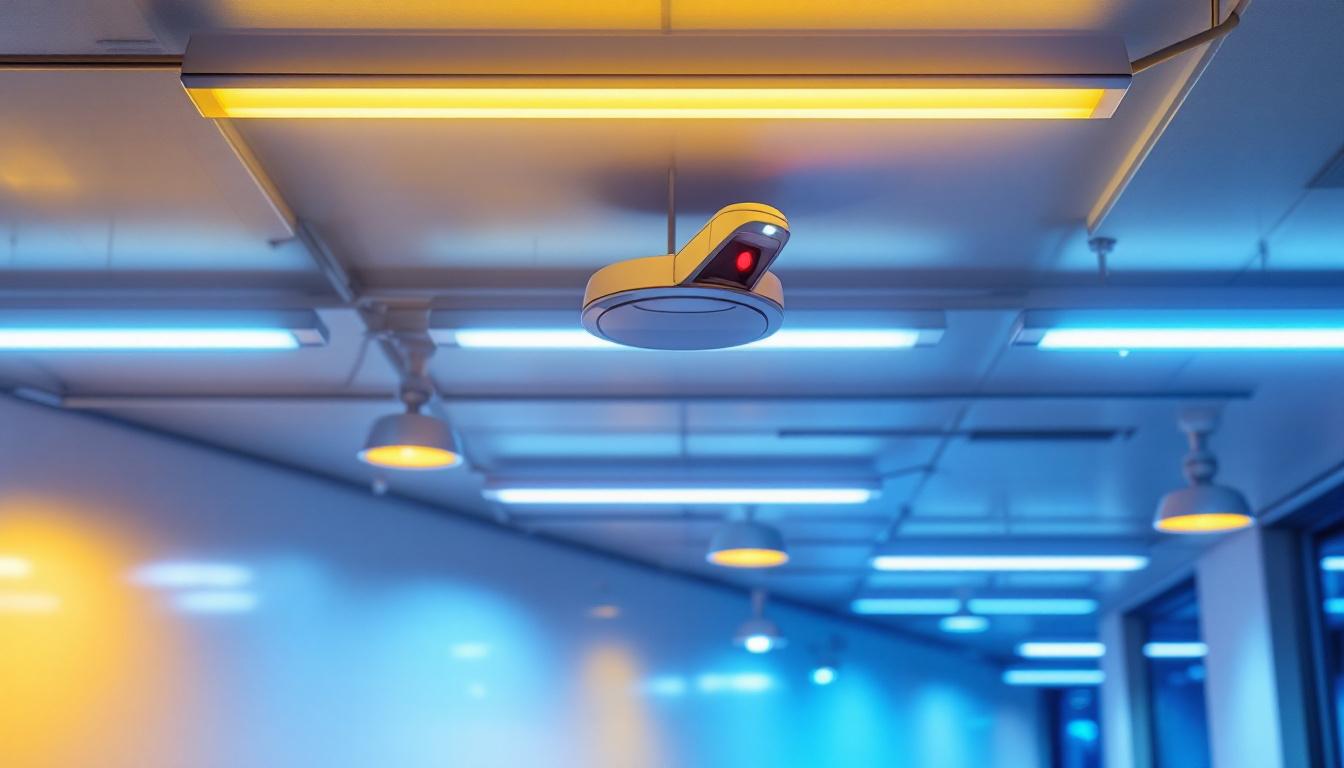
Motion sensors operate by detecting movement within a designated area, utilizing technologies such as passive infrared (PIR), ultrasonic, or dual-technology systems. These sensors can be programmed to activate lights only when a space is occupied, ensuring that energy is not wasted on unoccupied areas. For instance, in a large warehouse, motion sensors can keep fluorescent lights off in aisles that are not in use, while illuminating those where employees are actively working. This not only conserves energy but also extends the lifespan of the fluorescent bulbs, as they are not subjected to unnecessary on/off cycles.
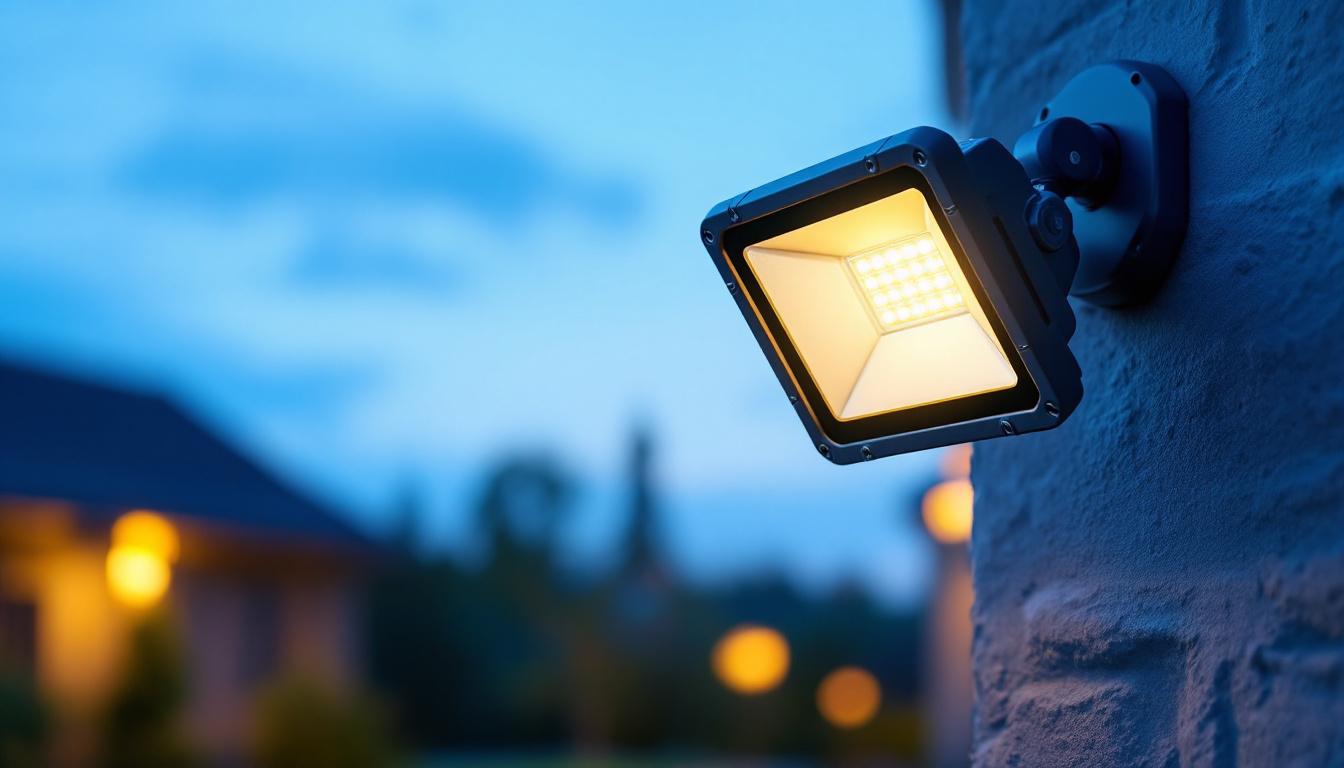
Furthermore, the integration of motion sensors with fluorescent lighting can enhance safety and security in various environments. In office buildings, for example, lights can automatically turn on when someone enters a room, providing immediate visibility and reducing the risk of accidents. In outdoor settings, such as parking lots or pathways, motion-activated fluorescent lights can deter potential intruders by illuminating areas only when movement is detected. This dual benefit of energy efficiency and increased safety makes the pairing of motion sensors with fluorescent lighting an attractive option for modern building designs and renovations.
How Motion Sensors Work with Fluorescent Lights
Basic Principles of Motion Detection
Motion sensors typically operate using technologies such as passive infrared (PIR), ultrasonic, or microwave detection. These sensors detect movement within a designated area and trigger the fluorescent lights to turn on or off accordingly. PIR sensors, for example, detect changes in infrared radiation caused by body heat, making them highly effective in indoor environments.
When integrated with fluorescent lighting, the sensor activates the light only when motion is detected, and switches it off after a preset period of inactivity. This automation is particularly beneficial in spaces with intermittent occupancy, such as hallways, restrooms, and storage rooms. The efficiency of motion sensors not only enhances convenience but also contributes to energy savings, as lights are not left on unnecessarily. In commercial settings, this can lead to significant reductions in electricity costs over time, making it a smart investment for businesses looking to optimize their operational expenses.
Compatibility and Installation Considerations
Installing motion sensors with fluorescent fixtures requires attention to compatibility and wiring. Fluorescent lights often use ballasts, which regulate current to the lamps. Contractors must ensure that the motion sensor is compatible with the ballast type—whether electronic or magnetic—to avoid flickering or premature lamp failure.
Moreover, installation should consider sensor placement to maximize detection coverage while minimizing false triggers. Proper calibration of sensitivity and time delay settings is crucial for optimal performance, ensuring lights remain on only when needed without frequent switching that can reduce lamp life. Additionally, understanding the specific environment where the sensors will be installed is essential. For instance, in areas with high ceilings, a different type of sensor may be required to ensure effective detection. Similarly, factors like ambient temperature and the presence of obstacles can influence how well the sensors perform, making it important to conduct a thorough assessment before installation.
Benefits of Using Motion Sensors with Fluorescent Lighting
Energy Efficiency and Cost Savings
One of the most compelling reasons to incorporate motion sensors in fluorescent lighting systems is the significant reduction in energy consumption. Studies have shown that occupancy sensors can decrease lighting energy use by up to 40% in commercial buildings. This translates directly into lower utility bills and reduced environmental impact.
For lighting contractors, recommending motion sensor integration is a value-added service that aligns with clients’ sustainability goals and regulatory requirements. It also enhances the marketability of lighting projects by demonstrating a commitment to energy-conscious design.
Extended Lamp Life and Maintenance Reduction
Fluorescent lamps have a finite number of start cycles before their lifespan diminishes. Motion sensors help by minimizing unnecessary on/off cycles, as lights are only activated when needed. This controlled usage extends lamp life, reducing replacement frequency and maintenance costs.
Additionally, fewer manual operations mean less wear on switches and wiring, contributing to the overall durability of the lighting system. This is particularly advantageous in large facilities where maintenance access can be challenging and costly.
Improved User Experience and Safety
Motion-activated fluorescent lighting enhances occupant comfort by providing immediate illumination upon entry into a space. This is especially important in areas such as stairwells, corridors, and parking garages where visibility is critical for safety.
Moreover, automated lighting reduces the risk of lights being left on unnecessarily, which can cause glare or discomfort in certain environments. The seamless operation of motion sensors supports a more intuitive and user-friendly lighting environment.
Applications of Motion Sensor Fluorescent Lighting in Various Settings
Commercial and Office Buildings
In office environments, motion sensors paired with fluorescent lighting contribute to significant energy savings by ensuring lights are only on when spaces are occupied. Conference rooms, break areas, and restrooms benefit greatly from this technology, as occupancy patterns can be unpredictable.
Furthermore, many commercial buildings are subject to energy codes and standards that encourage or mandate the use of occupancy sensors, making this an essential consideration for contractors during design and retrofit projects.
Industrial and Warehouse Facilities
Industrial settings often require extensive lighting coverage, which can lead to high energy costs if lights remain on continuously. Motion sensors help manage lighting zones effectively, activating lights only in active work areas or aisles.
In warehouses, motion-activated fluorescent lighting improves safety by ensuring adequate illumination during movement while conserving energy during periods of inactivity. This targeted lighting approach also supports compliance with occupational safety regulations.
Educational Institutions and Healthcare Facilities
Schools and hospitals benefit from motion sensor fluorescent lighting by balancing energy efficiency with the need for reliable, consistent illumination. Classrooms, hallways, and patient rooms often have varying occupancy, making sensor-controlled lighting ideal for these environments.
In healthcare settings, motion sensors can also support infection control by reducing the need for manual switch operation, thereby minimizing contact with surfaces.
Challenges and Solutions in Implementing Motion Sensors with Fluorescent Lights
Addressing Sensor Compatibility and Interference
One challenge contractors face is ensuring that motion sensors are fully compatible with existing fluorescent ballasts and fixtures. Incompatible combinations can cause flickering, delayed response, or sensor malfunction.
To mitigate this, selecting sensors specifically designed for fluorescent lighting applications is critical. Additionally, consulting manufacturer specifications and conducting field tests during installation can prevent operational issues.
Dealing with False Triggers and Sensor Blind Spots
False triggers caused by pets, HVAC systems, or reflections can lead to unnecessary light activation, reducing energy savings. Similarly, blind spots where motion is not detected can result in lights turning off prematurely.
Contractors can address these issues by carefully positioning sensors, adjusting sensitivity settings, and using multiple sensors to cover larger or irregularly shaped areas. Advanced sensors with adjustable detection zones and dual-technology capabilities also help improve accuracy.
Balancing Energy Savings with User Comfort
While motion sensors aim to reduce energy use, overly aggressive settings can frustrate occupants if lights turn off too quickly or fail to activate promptly. This can lead to manual overrides, negating energy savings.
Proper commissioning and user education are essential to strike the right balance. Setting appropriate time delays and sensitivity levels tailored to the specific use case ensures a positive user experience and maximizes efficiency.
Future Trends and Innovations in Motion Sensor Lighting
Integration with Smart Building Systems
As smart building technologies advance, motion sensors for fluorescent lighting are increasingly integrated into centralized control systems. This allows for real-time monitoring, adaptive lighting schedules, and remote management, enhancing both energy efficiency and operational flexibility.
Lighting contractors are now expected to be proficient in these integrated solutions, combining sensor technology with IoT platforms to deliver comprehensive lighting management.
Advancements in Sensor Technology
Emerging sensor technologies offer improved detection accuracy, reduced false alarms, and enhanced energy savings. For example, sensors that combine PIR with ultrasonic or microwave detection provide more reliable occupancy sensing in complex environments.
Additionally, sensors with daylight harvesting capabilities adjust fluorescent light output based on natural light availability, further optimizing energy use without compromising illumination quality.
Transition Toward LED and Hybrid Systems
While fluorescent lighting remains prevalent, the industry is gradually shifting toward LED technology due to its superior efficiency and longevity. However, many existing fluorescent installations continue to benefit from motion sensor retrofits.
Hybrid systems that combine fluorescent and LED lighting with motion sensors are also emerging, offering contractors flexible solutions that leverage the strengths of both technologies during transition periods.
Conclusion: The Strategic Role of Motion Sensors in Fluorescent Lighting
For lighting contractors, mastering the integration of motion sensors with fluorescent lighting systems is a critical skill in delivering modern, energy-efficient lighting solutions. These sensors not only reduce energy consumption and operational costs but also enhance occupant comfort and safety across diverse applications.
By addressing installation challenges and staying abreast of technological advancements, contractors can provide clients with intelligent lighting systems that meet both current needs and future sustainability goals. Motion sensor technology, when thoughtfully applied, transforms fluorescent lighting from a static utility into a dynamic component of smart building infrastructure.
Illuminate Your Projects with LumenWholesale
Ready to elevate your lighting solutions with the latest in motion sensor technology for fluorescent lighting? Look no further than LumenWholesale, where we provide contractors with the highest quality, spec-grade lighting products at unbeatable wholesale prices. Say goodbye to local distributor markups and hello to superior lighting that meets the highest industry standards. With LumenWholesale, you can enjoy the convenience of bulk buying with free shipping, ensuring you get the best value without any hidden fees. Make your next project shine with the perfect blend of quality, affordability, and convenience. Explore our extensive selection and take advantage of our exceptional offerings by visiting Wholesale Lighting at the Best Value today.