Understanding External Recessed Wall Lights: A Contractor’s Perspective
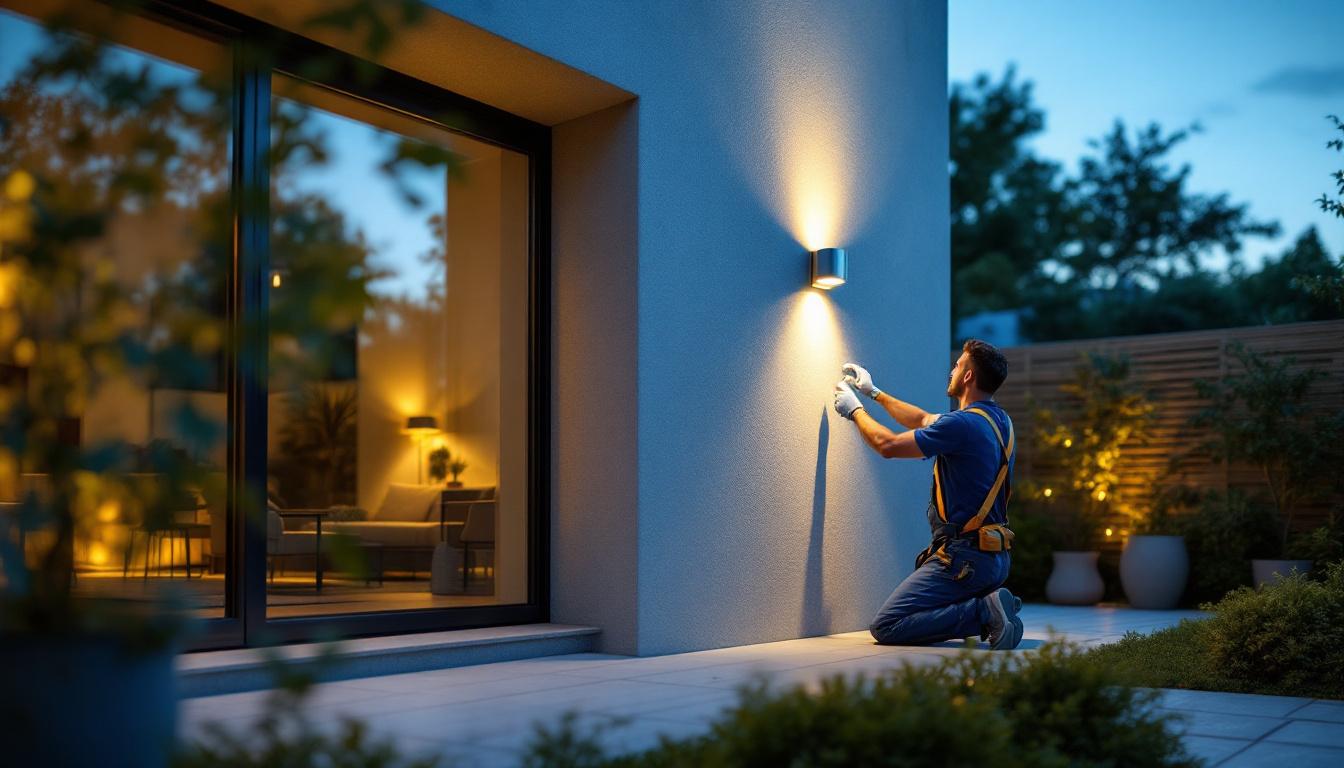
External recessed wall lights have become a staple in modern architectural lighting design, prized for their sleek appearance and functional benefits. These fixtures are embedded directly into walls, providing illumination without protruding elements, which enhances safety and aesthetic appeal. For lighting contractors, mastering the installation and maintenance of these lights is essential, yet it comes with a unique set of challenges.
From residential pathways to commercial building facades, recessed wall lights offer subtle yet effective lighting solutions. However, their integration requires careful planning and execution to meet both client expectations and regulatory standards. Understanding the complexities involved can help contractors deliver superior results and avoid costly setbacks.
One of the key considerations for contractors is the choice of materials and fixtures. The durability of recessed wall lights is paramount, especially in outdoor settings where they are exposed to the elements. Selecting high-quality, weather-resistant materials can significantly extend the lifespan of these fixtures, reducing the need for frequent replacements. Additionally, energy-efficient LED options not only lower energy costs but also provide a longer lifespan compared to traditional bulbs, making them an attractive choice for both contractors and clients alike.
Moreover, the placement of recessed wall lights plays a crucial role in achieving the desired ambiance and functionality. Contractors must assess the surrounding environment, including the height of walls, the proximity to walkways, and the overall design of the space. Strategic positioning can enhance visibility while minimizing glare, creating a welcoming atmosphere that highlights architectural features. Furthermore, incorporating smart lighting technology can offer clients greater control over their lighting systems, allowing for customizable settings that adapt to different occasions and times of day.
Challenge 1: Ensuring Proper Waterproofing and Weather Resistance
The Critical Role of Waterproofing
One of the foremost challenges when installing external recessed wall lights is ensuring that the fixtures are adequately protected against moisture infiltration. These lights are exposed to varying weather conditions, including rain, snow, and humidity, which can compromise electrical components if not properly sealed.
Water ingress can lead to short circuits, corrosion, and ultimately fixture failure. Lighting contractors must select fixtures with appropriate IP (Ingress Protection) ratings—typically IP65 or higher for outdoor recessed lights—and employ meticulous sealing techniques during installation. This often involves using high-quality gaskets, sealants, and ensuring tight fitting within the wall cavity. Additionally, the choice of materials for the fixture itself plays a significant role; corrosion-resistant materials such as marine-grade stainless steel or durable plastics can enhance longevity and performance in harsh environments.
Moreover, it is crucial to consider the installation environment. For example, coastal areas with salty air can accelerate corrosion, making it imperative to use fixtures designed specifically for such conditions. Understanding the local climate and environmental factors can guide contractors in selecting the right products and installation methods, ensuring that the lighting remains functional and aesthetically pleasing for years to come.
Common Pitfalls and Solutions
Improper sealing is a frequent issue, especially when retrofitting recessed lights into existing walls. Contractors must be vigilant about surface preparation and the compatibility of sealants with both the fixture materials and the wall substrate. Additionally, thermal expansion and contraction can create gaps over time, so flexible sealants that maintain elasticity are preferred.
Regular inspection and maintenance schedules can help detect early signs of water damage, allowing timely interventions that extend fixture lifespan and maintain safety standards. It is advisable for homeowners to familiarize themselves with the signs of moisture infiltration, such as discoloration around the fixture or flickering lights, which may indicate underlying issues. Furthermore, educating clients about the importance of maintaining the surrounding landscape—such as ensuring that water drainage systems are functioning properly—can also contribute to the longevity of the recessed lighting installations. By taking a proactive approach, both contractors and homeowners can work together to mitigate risks associated with weather exposure, ensuring that outdoor lighting remains both functional and visually appealing.
Challenge 2: Navigating Electrical and Structural Constraints
Balancing Electrical Safety with Aesthetic Demands
External recessed wall lights require precise electrical planning. Contractors must ensure that wiring meets local electrical codes and is safely routed to avoid exposure to the elements. This often involves running conduit within walls and ensuring junction boxes are accessible yet discreet. The choice of materials for conduits is also critical; for instance, using PVC or metal conduit can significantly impact the durability and safety of the installation, particularly in regions prone to extreme weather conditions.
Moreover, integrating lighting controls such as dimmers, motion sensors, or smart home systems adds complexity. These components must be compatible with the fixtures and installed in a manner that maintains weatherproofing and user accessibility. The selection of smart lighting systems can also enhance energy efficiency, allowing homeowners to adjust brightness levels based on the time of day or occupancy. This not only contributes to a comfortable ambiance but also helps in reducing electricity consumption, aligning with modern sustainability practices.
Structural Considerations and Wall Integrity
Installing recessed fixtures involves cutting into walls, which can affect structural integrity if not done correctly. Contractors must assess wall materials—whether masonry, concrete, or wood—and use appropriate mounting hardware and reinforcement methods. The process often requires specialized tools, such as wall saws or core drills, to ensure clean cuts that minimize damage to surrounding areas. Additionally, understanding the load distribution of the wall is crucial, as improper installation can lead to long-term issues such as cracking or settling.
For example, cutting into load-bearing walls requires consultation with structural engineers to prevent compromising building safety. Additionally, contractors must consider insulation and vapor barriers within walls to avoid thermal bridging or moisture issues. The integration of these barriers not only enhances energy efficiency but also protects against mold growth, which can be a significant concern in humid climates. Furthermore, the aesthetic appeal of recessed lighting can be maximized by carefully planning the placement and ensuring that the fixtures blend seamlessly with the overall design of the exterior space, creating a harmonious balance between functionality and visual appeal.
Challenge 3: Achieving Optimal Light Distribution and Performance
Designing for Function and Ambience
External recessed wall lights serve both functional and decorative purposes. Contractors must collaborate closely with designers and clients to ensure the lighting layout achieves the desired effect, whether it’s pathway illumination, accent lighting, or security enhancement.
Factors such as beam angle, lumen output, color temperature, and fixture placement significantly influence performance. Incorrect positioning can result in uneven lighting, glare, or insufficient coverage, detracting from the overall design intent.
Technical Challenges in Installation
Recessed fixtures often have limited adjustability once installed, so precise measurements and mock-ups are critical. Contractors may need to use laser levels and photometric tools to verify angles and light spread before finalizing installation.
Additionally, selecting LED modules with high efficacy and longevity is essential to minimize maintenance and energy costs. Understanding the nuances of LED drivers and heat dissipation within recessed housings is also key to ensuring consistent performance.
Challenge 4: Managing Installation in Diverse Environmental Conditions
Adapting to Varied Climates and Surfaces
Lighting contractors often face the challenge of installing recessed wall lights in a wide range of environmental conditions—from humid coastal areas to arid desert climates. Each environment presents distinct challenges related to material durability, corrosion resistance, and thermal management.
For instance, salt air near oceans accelerates corrosion, necessitating the use of marine-grade materials such as stainless steel or powder-coated aluminum. In contrast, extreme heat can affect LED lifespan and sealant performance, requiring fixtures with enhanced thermal management features.
Installation on Different Wall Types
Walls may be constructed from brick, stucco, stone, or composite materials, each demanding specific installation techniques. Contractors must be adept at using appropriate anchors, cutting tools, and finishing methods to ensure a secure and aesthetically pleasing installation.
For example, drilling into brick or stone requires masonry bits and careful dust management, while stucco walls may need patching and texture matching post-installation. Understanding these nuances helps prevent damage and ensures a professional finish.
Challenge 5: Coordinating with Other Trades and Project Timelines
Integrating Lighting with Broader Construction Processes
External recessed wall lighting installation rarely occurs in isolation. Contractors must coordinate with electricians, masons, painters, and landscapers to align schedules and avoid conflicts. Delays or miscommunication can lead to rework, increased costs, and client dissatisfaction.
Early involvement in project planning allows lighting contractors to advise on wall construction details, conduit placement, and fixture mounting points, reducing the risk of last-minute changes.
Managing Client Expectations and Site Conditions
Clients often have high expectations for the visual impact and functionality of their outdoor lighting. Contractors must communicate clearly about limitations, timelines, and maintenance requirements. Site conditions such as uneven terrain, restricted access, or existing utilities can complicate installation and should be factored into project planning.
Providing detailed proposals and progress updates fosters trust and helps manage expectations effectively.
Challenge 6: Ensuring Longevity and Ease of Maintenance
Designing for Durability and Accessibility
External recessed wall lights are expected to perform reliably over many years with minimal maintenance. Contractors must select high-quality fixtures with robust construction and corrosion-resistant finishes. Additionally, designing installations that allow easy access for bulb replacement or repairs can save significant time and expense down the line.
Incorporating modular components and standardized fittings simplifies maintenance tasks and reduces downtime, which is especially important for commercial or public spaces.
Maintenance Best Practices
Regular cleaning to remove dirt, debris, and insect nests helps maintain light output and fixture appearance. Contractors should advise clients on appropriate cleaning methods and schedules. Additionally, periodic inspections to check seals, wiring, and fixture alignment can prevent small issues from escalating.
Conclusion: Navigating the Complexities of External Recessed Wall Lighting
External recessed wall lights offer elegant and effective lighting solutions that enhance outdoor spaces. However, their successful installation and long-term performance depend on overcoming a series of technical and logistical challenges. Lighting contractors must possess a deep understanding of waterproofing, electrical safety, structural considerations, environmental adaptation, and collaborative project management.
By addressing these challenges proactively, contractors can deliver installations that not only meet aesthetic and functional goals but also stand the test of time. Continuous education, adherence to best practices, and effective communication with clients and other trades are key to mastering the complexities of external recessed wall lighting.
Get Your Premium Lighting Solutions at LumenWholesale
Ready to tackle the challenges of external recessed wall lighting with confidence? LumenWholesale is here to support you every step of the way. Our extensive selection of spec-grade lighting products ensures you have access to the highest quality options for your projects, all at unbeatable wholesale prices. Say goodbye to middleman markups and hello to reliable, high-performance lighting that meets the most rigorous industry standards. Plus, with free shipping on bulk orders, you can stock up on premium lighting without any hidden fees. Elevate your lighting installations and enhance your outdoor spaces with the best value in lighting solutions. Wholesale Lighting at the Best Value is just a click away.