Understanding Photocell Technology in Exterior Lighting
Exterior lighting has evolved significantly with the integration of photocell technology, offering energy efficiency and convenience. Photocells, also known as photoelectric sensors or dusk-to-dawn sensors, automatically control lighting based on ambient light levels. This means exterior lights turn on at dusk and off at dawn without manual intervention, optimizing energy use and enhancing security.
For lighting contractors, understanding the underlying technology is crucial. Photocells operate by detecting natural light intensity through a sensor, usually a photodiode or photoresistor. When the ambient light falls below a preset threshold, the photocell activates the lighting circuit. Conversely, when daylight returns, the sensor triggers the lights to switch off.
While the concept is straightforward, the practical application involves nuances that can impact performance. Contractors must consider factors such as sensor placement, wiring, compatibility with various lighting fixtures, and environmental influences to ensure reliable operation.
Moreover, the advancement in photocell technology has led to the development of smart sensors that can adapt to changing conditions. These modern photocells can integrate with home automation systems, allowing users to customize their lighting preferences through mobile applications or smart home devices. This not only enhances convenience but also provides users with the ability to monitor energy consumption and make adjustments in real-time, further promoting energy efficiency.
In addition to residential applications, photocell technology is increasingly being utilized in commercial settings, such as parking lots and outdoor event spaces. By employing photocells in these environments, businesses can ensure that their lighting systems are only active when necessary, reducing operational costs and minimizing their carbon footprint. As cities continue to grow and the demand for sustainable solutions rises, the role of photocell technology in urban planning and smart city initiatives becomes even more vital, paving the way for innovative approaches to public safety and energy management.
Common Issues Lighting Contractors Face with Photocell Exterior Lights
Incorrect Sensor Placement and Orientation
One of the most frequent problems arises from improper placement of the photocell sensor. If the sensor is positioned where it receives artificial light from the fixture itself or nearby sources, it may fail to turn off the light during daylight, causing unnecessary energy consumption and premature bulb burnout.
For example, mounting the photocell too close to the light fixture or under an overhang that blocks natural light can lead to false readings. Similarly, facing the sensor towards reflective surfaces like windows or metallic objects can confuse the sensor’s light detection, resulting in erratic operation.
Incompatibility with LED and Other Modern Lighting Technologies
Many contractors encounter challenges when integrating photocells with LED fixtures. Unlike traditional incandescent or high-pressure sodium lamps, LEDs have different electrical characteristics that can affect photocell performance. Some photocells designed for older lighting technologies may not handle the low wattage or electronic drivers of LED lights properly.
This incompatibility can cause flickering, failure to switch on/off, or reduced sensor lifespan. Selecting photocells specifically rated for LED use or consulting manufacturers’ compatibility guidelines is essential to avoid these issues.
Wiring and Installation Errors
Faulty wiring remains a significant source of photocell malfunction. Incorrect connections, poor insulation, or using inappropriate wire gauges can lead to intermittent operation or complete failure. Additionally, neglecting to install surge protection can expose photocells to voltage spikes, shortening their lifespan.
Lighting contractors must follow manufacturer wiring diagrams meticulously and adhere to electrical codes to ensure safety and functionality. Testing circuits before finalizing installation helps identify wiring problems early.
Environmental and Weather-Related Challenges
Photocells installed outdoors are exposed to various environmental factors such as moisture, dust, temperature extremes, and physical damage. Moisture ingress can cause sensor corrosion or short circuits, while dust accumulation may obstruct light detection. Extreme temperatures can affect sensor sensitivity and electronic components.
Using weatherproof photocells with appropriate IP ratings and ensuring proper sealing during installation can mitigate these risks. Regular maintenance and inspection are also vital to sustain performance over time.
Best Practices for Lighting Contractors to Avoid Photocell Issues
Strategic Sensor Placement
To optimize photocell functionality, contractors should place sensors in locations that receive unobstructed natural light without interference from artificial sources. Ideal positions include the top of poles, sides of buildings away from direct lamp illumination, or shaded areas that still allow ambient light exposure.
Consulting site plans and conducting on-site light assessments during different times of day can help determine the best sensor locations. In some cases, adjustable photocells allow fine-tuning sensor orientation post-installation to enhance accuracy.
Choosing the Right Photocell for the Application
Contractors must select photocells compatible with the lighting technology and load type. For LED fixtures, photocells designed to handle electronic drivers and low wattage are preferable. Additionally, verifying voltage ratings, load capacities, and surge protection features ensures the photocell can handle the specific installation requirements.
Working with reputable suppliers and reviewing product datasheets helps identify suitable photocell models. Some advanced photocells offer features like adjustable light sensitivity, time delay functions, and built-in surge protection, which can improve overall system reliability.
Adhering to Proper Wiring and Installation Standards
Following manufacturer instructions and electrical codes is non-negotiable. Using the correct wire gauge, secure connectors, and waterproof junction boxes protects the wiring from damage and environmental exposure. Installing surge protectors or transient voltage suppressors can prevent electrical damage to photocells.
Contractors should also verify polarity and ensure that the photocell’s load terminals are correctly connected to the lighting circuit. Testing the system before sealing enclosures confirms proper operation and reduces call-backs for troubleshooting.
Implementing Routine Maintenance and Inspection
Even the best installations require periodic maintenance to sustain performance. Cleaning photocell lenses to remove dust, dirt, or spider webs ensures accurate light detection. Inspecting seals and enclosures for moisture ingress or physical damage helps prevent sensor failure.
Scheduling maintenance visits, especially in harsh climates, can extend the life of photocell-controlled lighting systems. Documenting maintenance activities also supports warranty claims and client transparency.
Advanced Solutions and Innovations in Photocell Exterior Lighting
Smart Photocells with Integrated Controls
Recent advancements include smart photocells that integrate with building automation systems or wireless controls. These devices not only detect ambient light but also communicate with centralized controllers to adjust lighting based on occupancy, weather conditions, or energy management strategies.
For contractors, installing smart photocells offers opportunities to provide clients with enhanced functionality and energy savings. However, these systems require additional expertise in network configuration and software integration.
Hybrid Sensors Combining Photocell and Motion Detection
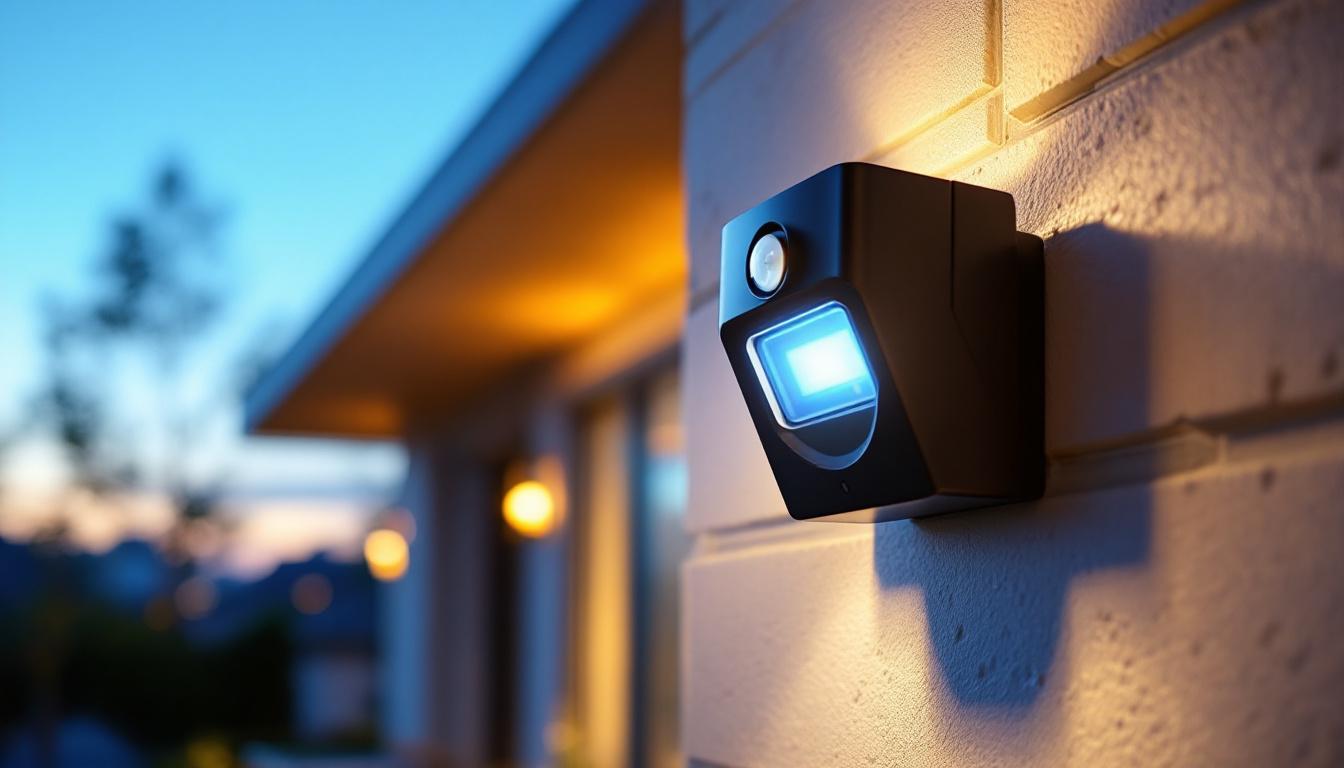
Hybrid sensors that combine photocell technology with motion detection are gaining popularity for exterior lighting. These sensors ensure lights remain off during daylight and activate only when motion is detected at night, maximizing energy efficiency and security.
Contractors should consider these hybrid solutions for installations in parking lots, pathways, or residential areas where intermittent lighting is beneficial. Proper calibration of both light and motion sensitivity is essential to avoid nuisance activations.
Photocells with Adjustable Sensitivity and Time Delays
Modern photocells often feature adjustable sensitivity settings, allowing contractors to tailor light activation thresholds to specific site conditions. Time delay functions prevent lights from switching on and off rapidly due to transient shadows or passing clouds, reducing wear on fixtures and improving user experience.
Incorporating these features during installation enhances system flexibility and reliability, particularly in environments with variable lighting conditions.
Case Studies: Successful Photocell Installations and Lessons Learned
Commercial Parking Lot Lighting Upgrade
A lighting contractor was tasked with upgrading a commercial parking lot from high-pressure sodium lamps to LED fixtures with photocell control. Initial installations experienced frequent flickering and failure to switch off during daylight. Investigation revealed the use of photocells incompatible with the LED drivers and sensor placement near reflective glass surfaces.
By replacing photocells with LED-compatible models and relocating sensors to unobstructed poles, the contractor resolved the issues. The client reported a 40% reduction in energy costs and improved lighting reliability, demonstrating the importance of component compatibility and sensor positioning.
Residential Street Lighting Project
In a residential neighborhood, a contractor installed exterior lights with photocells mounted under eaves to protect sensors from weather. However, residents complained about lights remaining on during the day. The problem was traced to the eaves blocking natural light from reaching the sensors.
After repositioning the photocells to the top of light poles with clear sky exposure, the system functioned correctly. This case highlights the critical role of sensor placement in photocell performance and the need for site-specific assessments.
Industrial Facility with Harsh Environmental Conditions
An industrial facility located in a coastal area faced frequent photocell failures due to salt spray and high humidity. The contractor switched to photocells with higher IP ratings and corrosion-resistant housings. Additionally, regular maintenance schedules were implemented to clean and inspect sensors.
This approach significantly improved system uptime and reduced maintenance costs, underscoring the value of selecting robust equipment and proactive upkeep in challenging environments.
Conclusion: Ensuring Reliable Photocell Exterior Lighting Installations
For lighting contractors, mastering the intricacies of photocell exterior lighting is essential to delivering reliable, energy-efficient solutions. Avoiding common pitfalls such as improper sensor placement, incompatibility with modern lighting technologies, wiring errors, and environmental damage can save time, reduce call-backs, and enhance client satisfaction.
By embracing best practices, selecting appropriate products, and staying informed about emerging technologies, contractors can confidently install and maintain photocell-controlled exterior lighting systems that meet the demands of today’s energy-conscious and safety-focused market.
Ultimately, a well-executed photocell installation not only improves operational efficiency but also contributes to sustainable lighting practices, benefiting clients and communities alike.
Get Your Photocell Exterior Lighting Supplies at LumenWholesale
Ready to elevate your exterior lighting installations with the best photocell technology? Look no further than LumenWholesale for all your lighting needs. We provide contractors with high-quality, specification-grade lighting products at unbeatable wholesale prices. Our extensive selection is designed to meet the highest industry standards, ensuring you get the most reliable and high-performance lighting solutions for your projects. Plus, with free shipping on bulk orders, you can enjoy premium lighting at the best value — without any hidden fees or compromises. Make your next project a shining success and experience the perfect blend of quality, affordability, and convenience at LumenWholesale.