As a lighting contractor, ensuring that gas stations are adequately illuminated is crucial for safety, functionality, and aesthetic appeal. The right light fixtures not only enhance visibility but also contribute to the overall branding of the gas station. This comprehensive checklist will guide contractors through the essential considerations and components involved in selecting and installing gas station light fixtures.
Understanding the Importance of Proper Lighting
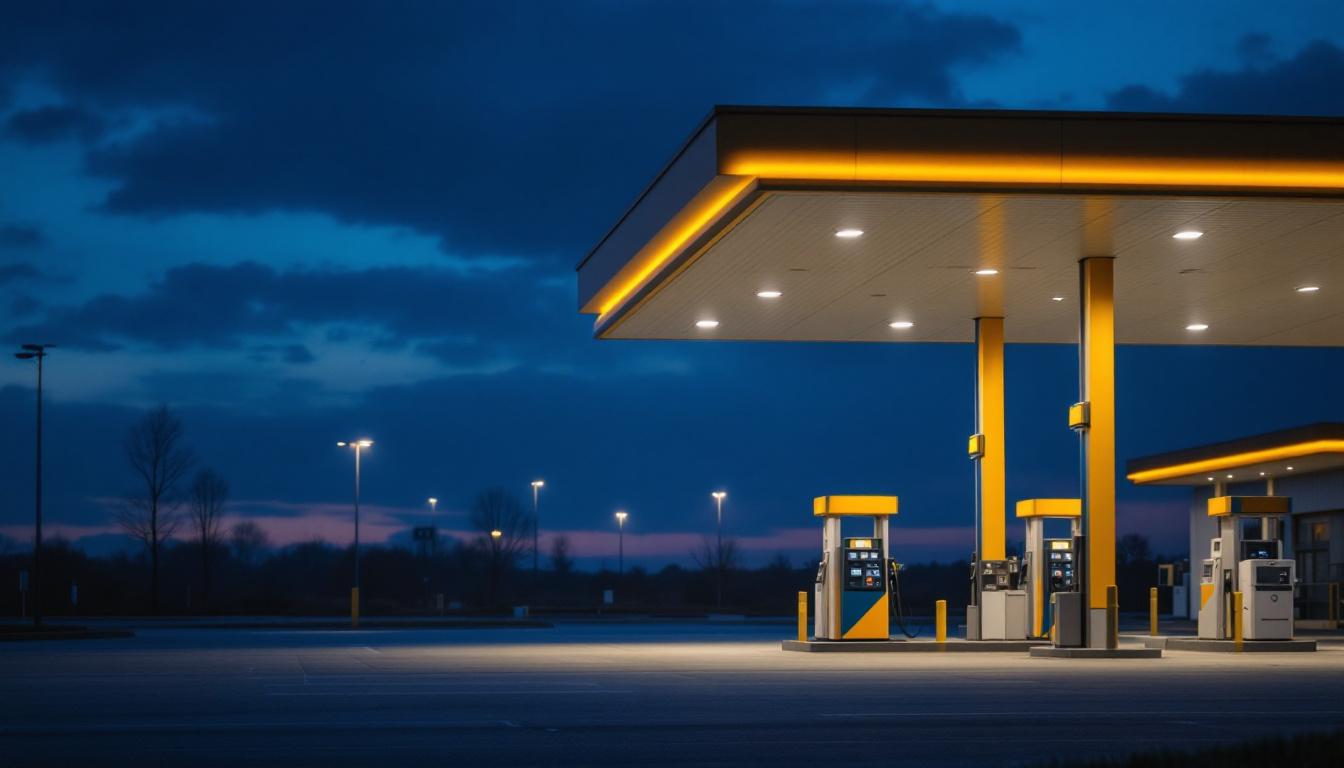
Gas stations operate 24/7, making effective lighting essential for safety and security. Well-lit areas deter criminal activity and provide a sense of security for customers and employees alike. Moreover, proper lighting enhances the visibility of fuel pumps, convenience store entrances, and signage, ultimately influencing customer behavior. Bright and inviting lighting can attract more customers, especially during nighttime hours, when visibility is crucial. The psychological effect of a well-lit environment can encourage patrons to stop and refuel, as they feel more comfortable and welcomed in a brightly illuminated space.
Additionally, lighting plays a significant role in energy efficiency and operational costs. Selecting the right fixtures can lead to significant savings on electricity bills while still providing adequate illumination. For instance, LED lighting options not only consume less energy but also have a longer lifespan compared to traditional bulbs, reducing the frequency of replacements. Understanding the balance between aesthetics, functionality, and energy efficiency is paramount for any lighting contractor working in this field. By integrating smart lighting systems that adjust based on natural light levels or occupancy, gas stations can further optimize their energy use, contributing to a more sustainable operation.
Safety and Security Considerations
Safety should always be the top priority when designing lighting for gas stations. Poorly lit areas can lead to accidents, injuries, and theft. Therefore, it is essential to conduct a thorough assessment of the site to identify areas that require additional illumination. This includes the fuel pump area, walkways, parking lots, and any access points to the convenience store. In addition to enhancing visibility, strategically placed lighting can also guide customers safely through the premises, reducing the likelihood of slips and falls, particularly in adverse weather conditions.
Incorporating motion sensors and timers can further enhance security by ensuring that lights are only active when needed. This not only saves energy but also provides an added layer of security during off-peak hours. Furthermore, the use of high-intensity discharge (HID) lights in critical areas can provide powerful illumination, making it easier for surveillance cameras to capture clear footage, which is essential for monitoring and deterring criminal behavior.
Compliance with Regulations
Lighting contractors must be well-versed in local and national regulations regarding outdoor lighting, especially in relation to gas stations. Compliance with these regulations is crucial to avoid fines and ensure the safety of the premises. This includes understanding zoning laws, light pollution regulations, and safety standards set by organizations such as the Illuminating Engineering Society (IES). In many jurisdictions, there are specific requirements regarding the brightness and placement of lights to minimize glare for passing motorists and to protect the night sky from excessive light pollution.
It is advisable to consult with local authorities or a lighting design professional to ensure that all lighting plans meet the necessary codes and standards. This proactive approach can save time and resources in the long run. Additionally, staying informed about changes in legislation can help gas station owners adapt their lighting solutions as needed, ensuring ongoing compliance and enhancing their reputation within the community as responsible and safety-conscious operators.
Types of Light Fixtures for Gas Stations
Choosing the right type of light fixture is critical for achieving the desired illumination level while maintaining energy efficiency. Various types of fixtures are suitable for gas stations, each with its unique advantages and applications.
LED Lighting
LED fixtures have gained immense popularity in recent years due to their energy efficiency and long lifespan. They consume significantly less power compared to traditional incandescent or fluorescent lights, making them an ideal choice for gas stations that operate continuously. Furthermore, LED lights emit less heat, reducing the risk of overheating and potential fire hazards.
Another advantage of LED lighting is its versatility. Available in various color temperatures, LED fixtures can create a welcoming environment while ensuring safety. Additionally, many LED products are designed to withstand harsh weather conditions, making them suitable for outdoor applications.
High-Intensity Discharge (HID) Lights
HID lights, including metal halide and high-pressure sodium lamps, have been traditional choices for gas station lighting. They provide bright illumination and are effective for large outdoor areas. However, they have a shorter lifespan compared to LED fixtures and consume more energy.
While HID lights can be suitable for certain applications, it is essential to consider the long-term operational costs. As energy efficiency becomes a priority, many contractors are transitioning to LED solutions to reduce energy consumption and maintenance costs.
Solar-Powered Fixtures
Incorporating solar-powered lighting solutions can be an excellent way to enhance sustainability and reduce electricity costs. Solar fixtures harness energy from the sun, making them an eco-friendly option for gas stations. They are particularly beneficial in remote locations where connecting to the power grid may be challenging.
However, it is crucial to assess the location’s solar exposure and ensure that solar fixtures are adequately sized to provide sufficient illumination. These fixtures can be used in conjunction with traditional lighting to create a hybrid system that maximizes energy efficiency.
Fixture Placement and Design
The placement and design of light fixtures are crucial for achieving optimal illumination. A well-thought-out lighting plan will ensure that all areas of the gas station are adequately lit, enhancing safety and visibility.
Strategic Placement
When planning the placement of light fixtures, it is essential to consider the layout of the gas station. Key areas to focus on include the fuel pump islands, walkways, parking areas, and entrances to the convenience store. Each of these areas requires specific lighting solutions to ensure safety and functionality.
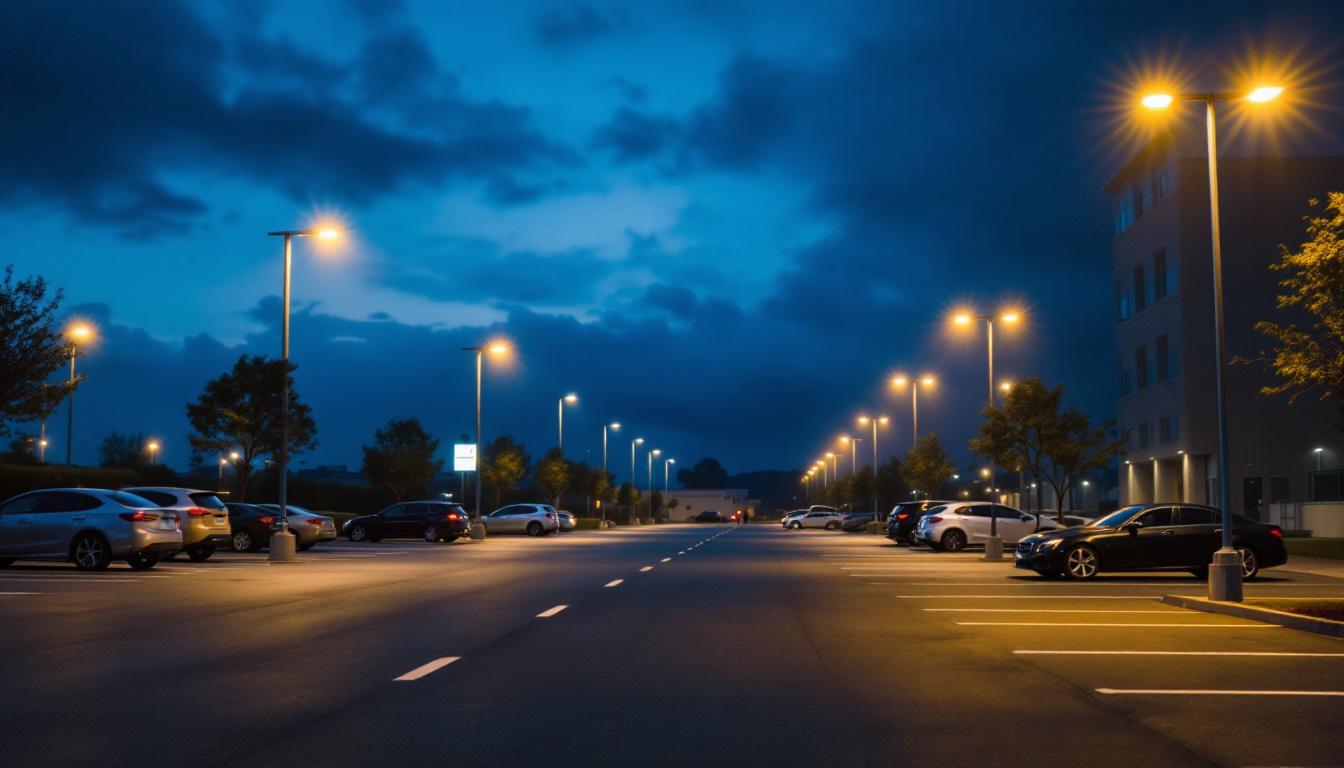
Utilizing a combination of overhead lighting and pole-mounted fixtures can create a balanced lighting scheme that minimizes shadows and dark spots. Additionally, ensuring that fixtures are positioned at an appropriate height will maximize their effectiveness while reducing glare for customers and employees.
Lighting Design and Aesthetics
While functionality is paramount, aesthetics should not be overlooked. The design of light fixtures can significantly impact the overall look and feel of the gas station. Selecting fixtures that align with the brand’s identity can enhance the customer experience and create a welcoming atmosphere.
Consider using decorative fixtures or colored lighting to highlight specific areas or features of the gas station. This can create a visually appealing environment that attracts customers and encourages them to return.
Energy Efficiency and Sustainability
Energy efficiency is a critical consideration for lighting contractors working on gas station projects. Implementing sustainable lighting solutions can lead to significant cost savings while reducing the environmental impact of the facility.
Smart Lighting Controls
Integrating smart lighting controls into the lighting design can enhance energy efficiency. These systems allow for automated adjustments based on occupancy, time of day, and ambient light levels. For example, lights can be programmed to dim during off-peak hours or turn off when no one is present.
Additionally, incorporating daylight sensors can help maximize natural light during the day, further reducing energy consumption. These smart technologies not only contribute to sustainability but also enhance the overall functionality of the lighting system.
Maintenance Considerations
Regular maintenance is essential to ensure that lighting systems operate efficiently and effectively. Contractors should establish a maintenance schedule that includes routine inspections, cleaning, and bulb replacements. This proactive approach can prevent unexpected outages and prolong the lifespan of the fixtures.
Educating gas station staff on the importance of maintaining the lighting system can also contribute to its longevity. Providing training on how to identify potential issues and report them can lead to timely repairs and improved overall performance.
Cost Considerations
When selecting light fixtures for gas stations, cost is always a significant factor. However, it is essential to look beyond the initial purchase price and consider the total cost of ownership, including installation, maintenance, and energy consumption.
Initial Investment vs. Long-Term Savings
While LED fixtures may have a higher upfront cost compared to traditional lighting options, their energy efficiency and longevity often result in substantial long-term savings. Contractors should conduct a cost-benefit analysis to help clients understand the potential return on investment associated with different lighting solutions.
Additionally, many utility companies offer rebates or incentives for installing energy-efficient lighting, which can further offset initial costs. Staying informed about these programs can provide valuable opportunities for clients looking to upgrade their lighting systems.
Budgeting for Installation
When budgeting for the installation of gas station light fixtures, it is essential to account for all associated costs, including labor, materials, and any necessary permits. Providing clients with a detailed estimate that outlines these costs can help manage expectations and ensure a smooth installation process.
Contractors should also consider potential challenges that may arise during installation, such as weather conditions or site-specific limitations. Being prepared for these challenges can help mitigate delays and keep the project on track.
Conclusion
In conclusion, selecting and installing the right gas station light fixtures requires careful consideration of various factors, including safety, energy efficiency, aesthetics, and compliance with regulations. By following this ultimate checklist, lighting contractors can ensure that their projects meet the highest standards of quality and functionality.
Ultimately, the goal is to create a well-lit environment that enhances safety, attracts customers, and reflects the brand’s identity. By leveraging the latest lighting technologies and design principles, contractors can deliver exceptional results that stand the test of time.
Illuminate Your Projects with LumenWholesale
Ready to elevate your lighting projects with the best in the business? Look no further than LumenWholesale for all your gas station lighting needs. Our extensive selection of top-quality, spec-grade lighting products ensures you have access to the most reliable and high-performance options on the market. With unbeatable wholesale prices and the convenience of free shipping on bulk orders, you can trust LumenWholesale to provide premium lighting solutions that meet the highest industry standards—without breaking the bank. Don’t compromise on quality or value; explore our collection and discover the perfect blend of quality, affordability, and convenience today.