Understanding the Critical Role of Exterior Emergency Lighting
When a power outage strikes or an unexpected emergency unfolds, exterior emergency lighting becomes the unsung hero that guides occupants safely out of harm’s way. For lighting contractors, installing and maintaining these systems is not just about compliance; it’s about protecting lives and property.
Emergency lighting outdoors serves multiple purposes: it illuminates exit routes, highlights hazards, and ensures visibility for emergency responders. Unlike interior emergency lighting, exterior systems face harsher environmental conditions—rain, wind, dust, and temperature extremes—that can affect performance. This makes the contractor’s role in selecting, installing, and maintaining the right equipment absolutely vital.
Moreover, the design and placement of exterior emergency lighting must consider various factors, including the layout of the property, potential obstructions, and the typical flow of foot traffic. For instance, in commercial settings, emergency lighting should be strategically positioned to guide employees and customers to safety while also providing adequate illumination for emergency personnel to navigate the area effectively. This foresight not only enhances safety but also minimizes panic during emergencies, allowing for a more orderly evacuation process.
In addition to traditional lighting solutions, advancements in technology have introduced innovative options such as solar-powered emergency lights and smart lighting systems that can adapt to changing conditions. These modern solutions not only reduce energy consumption but also ensure that emergency lighting remains operational even during prolonged power outages. Contractors must stay informed about these developments to provide clients with the most effective and efficient solutions, ultimately contributing to a safer environment for everyone involved.
Key Components of Exterior Emergency Lighting Systems
Light Fixtures and Luminaires
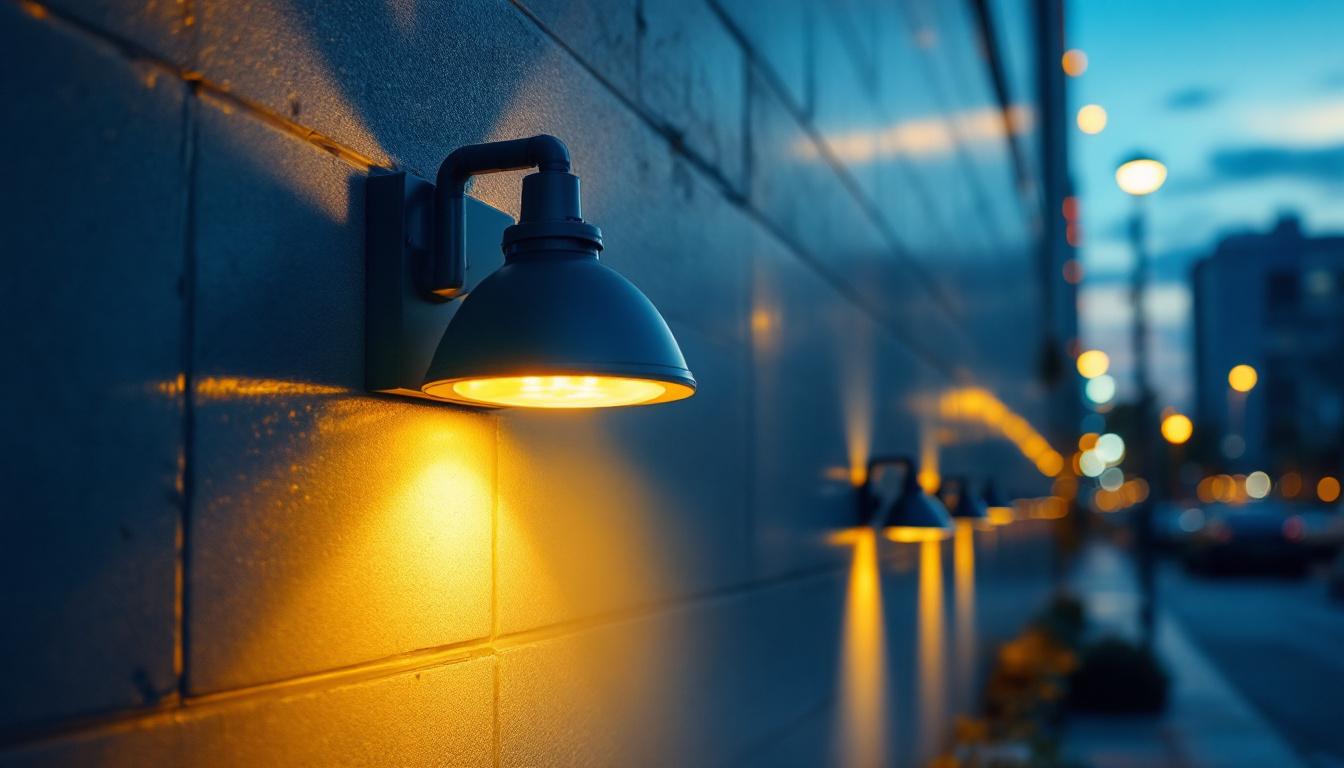
Choosing the right fixtures is the foundation of a reliable emergency lighting system. Exterior emergency lights typically include wall-mounted units, floodlights, and pathway lighting. These fixtures must be rated for outdoor use, often requiring a minimum IP65 rating to ensure protection against dust and water ingress.
LED technology dominates the market due to its energy efficiency, long lifespan, and superior illumination. Contractors should prioritize fixtures with adjustable heads and wide beam angles to cover large areas effectively. Additionally, consider fixtures with corrosion-resistant housings, especially in coastal or industrial environments. The choice of color temperature can also impact visibility; cooler white lights (around 5000K) tend to enhance clarity in emergency situations, making them a preferred option for many installations.
Furthermore, the placement of these fixtures is crucial. Strategically positioning lights near exits, along pathways, and in high-traffic areas ensures they serve their purpose effectively during an emergency. Regular assessments of the lighting layout can help identify any areas that may require additional coverage or upgrades, ensuring that the system remains robust and responsive to changing needs.
Power Supply and Backup Systems
Emergency lighting must function independently of the main power supply during outages. This requires reliable backup power solutions, typically battery packs or generators. Lithium-ion batteries are increasingly popular for their longer life and lighter weight compared to traditional sealed lead-acid batteries.
Contractors should verify that backup systems meet the required duration standards, usually providing at least 90 minutes of illumination. Testing the battery capacity and replacement schedules is an essential part of ongoing maintenance to avoid system failure when it matters most. Additionally, integrating solar power options can enhance sustainability, allowing for a more eco-friendly approach to emergency lighting. Solar-powered systems can be particularly beneficial in remote areas where traditional power sources may not be readily available, ensuring that emergency lighting remains operational even during extended outages.
Moreover, the implementation of smart technology in backup systems can provide real-time data on power levels and operational status, allowing for timely interventions. This not only extends the lifespan of the equipment but also ensures that emergency lighting is always ready to perform when needed.
Control and Monitoring Units
Modern emergency lighting systems often incorporate control units that enable automatic testing and remote monitoring. These features help contractors and building managers ensure compliance with safety codes without manual inspections.
Look for systems compatible with centralized monitoring platforms, which can alert maintenance teams to faults or battery degradation. This proactive approach reduces downtime and enhances safety. Additionally, advanced control units can integrate with building management systems (BMS), allowing for seamless coordination of emergency protocols, such as automatically triggering evacuation alarms or adjusting lighting levels based on occupancy.
Furthermore, some systems now offer cloud-based monitoring solutions, providing access to real-time data from anywhere. This capability allows facility managers to stay informed about the status of their emergency lighting, ensuring that any issues can be addressed promptly, thereby maintaining a high standard of safety for all building occupants. Regular training and updates for staff on how to utilize these monitoring systems can further enhance their effectiveness, ensuring that everyone is prepared in case of an emergency.
Installation Best Practices for Exterior Emergency Lighting
Site Assessment and Planning
Before installation, conduct a thorough site assessment. Identify all potential exit routes, assembly points, stairways, ramps, and any outdoor hazards such as uneven surfaces or drop-offs. Mapping these areas ensures the lighting layout covers every critical zone.
Consider the ambient lighting conditions. In well-lit urban environments, emergency lighting may require higher intensity to stand out, whereas in rural or dimly lit areas, lower intensity can suffice. Also, evaluate the mounting surfaces for stability and accessibility for future maintenance. Additionally, take into account seasonal changes that may affect visibility, such as snow accumulation in winter or foliage growth in summer. This foresight helps in selecting fixtures that remain effective year-round, ensuring that emergency pathways are always illuminated when needed.
Compliance with Codes and Standards
Adherence to local building codes and standards like NFPA 101 (Life Safety Code) and the International Building Code (IBC) is non-negotiable. These regulations specify minimum illumination levels, fixture placement, and backup duration.
Contractors must stay updated on any changes to these codes, which can vary by jurisdiction. Documenting compliance during installation helps avoid costly rework and legal liabilities. Furthermore, engaging with local fire marshals or safety inspectors during the planning phase can provide valuable insights into specific requirements that may not be immediately apparent in the codes. This proactive approach not only enhances safety but also fosters a collaborative relationship with local authorities, which can be beneficial for future projects.
Proper Wiring and Circuit Design
Exterior emergency lighting circuits should be separate from general lighting to prevent simultaneous failure. Use weatherproof conduits and connectors rated for outdoor use. Ground fault circuit interrupters (GFCIs) are often required to protect against electrical hazards in wet conditions.
Ensure wiring routes avoid areas prone to physical damage or flooding. Label circuits clearly to aid future troubleshooting and maintenance. Additionally, consider implementing a monitoring system that can alert maintenance personnel to any failures in the emergency lighting system. Such systems can provide real-time feedback and help ensure that all fixtures are operational, especially after severe weather events or other incidents that might compromise their functionality. Regular testing and maintenance schedules should also be established to ensure long-term reliability and compliance with safety standards.
Maintenance and Testing Protocols
Routine Inspections
Regular inspections are crucial to ensure emergency lighting systems remain operational. Contractors should schedule visual checks at least monthly, looking for physical damage, corrosion, or dirt accumulation on fixtures that could reduce light output.
Battery condition should be evaluated quarterly. Signs of swelling, leakage, or corrosion indicate immediate replacement is necessary.
Functional Testing
NFPA guidelines recommend monthly functional tests where the emergency lighting is activated for a short period to confirm operation. Annual tests require the system to run on battery power for the full required duration, typically 90 minutes.
Contractors should keep detailed records of all tests, repairs, and replacements. This documentation supports compliance audits and helps identify recurring issues.
Cleaning and Environmental Considerations
Exterior fixtures accumulate dirt, dust, and insect debris, all of which can diminish light output. Cleaning should be part of routine maintenance, using non-abrasive materials and appropriate cleaning solutions to avoid damaging lenses or housings.
In areas prone to salt spray or industrial pollutants, more frequent cleaning and corrosion control measures may be necessary. Applying protective coatings or using stainless steel fixtures can extend equipment lifespan.
Common Challenges and Solutions
Dealing with Harsh Weather Conditions
Extreme temperatures can affect battery performance and fixture durability. In cold climates, battery capacity may drop significantly, requiring contractors to select cold-weather rated batteries or install insulated enclosures.
In hot environments, heat dissipation becomes critical. Fixtures with proper ventilation and heat sinks help maintain optimal operating temperatures.
Addressing Vandalism and Theft
Exterior emergency lighting is vulnerable to vandalism and theft, especially in remote or poorly monitored locations. Using tamper-resistant fixtures, secure mounting hardware, and protective cages can deter damage.
Integrating lighting with security cameras or alarm systems adds a layer of protection and aids in incident investigations.
Balancing Energy Efficiency with Safety
While energy efficiency is important, it should never compromise safety. Contractors must select fixtures and batteries that meet illumination and duration requirements without excessive power consumption.
LED technology helps strike this balance, but proper system design and maintenance are equally important to ensure continuous, reliable operation.
Final Thoughts for Lighting Contractors
Exterior emergency lighting is a specialized field requiring technical knowledge, attention to detail, and a commitment to safety. Contractors who master the intricacies of equipment selection, installation, and maintenance deliver systems that protect lives and reduce liabilities.
Staying informed about evolving codes, emerging technologies, and environmental challenges empowers contractors to provide the best solutions for their clients. A well-executed exterior emergency lighting system is more than just a regulatory checkbox-it’s a critical component of building safety and resilience.
Illuminate with Confidence and Value at LumenWholesale
As a lighting contractor dedicated to safety and quality, you understand the importance of reliable exterior emergency lighting. At LumenWholesale, we stand ready to support your commitment with our extensive selection of spec-grade lighting products. Benefit from our unbeatable wholesale prices and eliminate the extra costs of middlemen. Our products not only meet but exceed industry standards, ensuring that your projects are equipped with the most dependable lighting solutions. Plus, with free shipping on bulk orders, you can stock up on premium lighting without worrying about hidden fees. Make the smart choice for your next emergency lighting project and experience the best value in wholesale lighting with LumenWholesale.