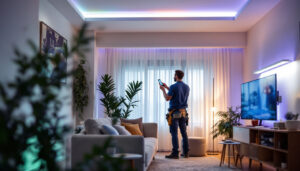
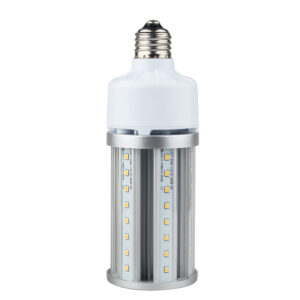
Understanding the Basics: What is 3000K and Lumens?
When working in the lighting industry, contractors often encounter terms like “3000K” and “lumens,” which are fundamental to specifying and installing lighting systems. However, these terms represent different aspects of light, and understanding their meanings and relationship is crucial for delivering optimal lighting solutions.
The term “3000K” refers to the color temperature of a light source, measured in Kelvins (K). It describes the hue or tone of the light emitted, ranging from warm to cool. A 3000K light is considered warm white, producing a soft, inviting glow often preferred in residential and hospitality settings. This warm tone mimics the natural warmth of incandescent bulbs but with the energy efficiency of modern LEDs. The appeal of 3000K lighting extends beyond aesthetics; it creates an atmosphere that encourages relaxation and comfort, making it ideal for spaces such as living rooms, restaurants, and hotels. Additionally, this color temperature is known to enhance the appearance of skin tones, which is why it’s frequently used in makeup studios and retail environments where personal care products are showcased.
On the other hand, lumens measure the brightness or luminous flux of a light source. Unlike watts, which indicate energy consumption, lumens quantify how much visible light is emitted. A higher lumen value means a brighter light. For contractors, specifying the correct lumen output is essential to meet client expectations and comply with lighting standards. Understanding the relationship between lumens and the intended use of a space can significantly impact the effectiveness of a lighting design. For example, a workspace may require higher lumen levels to ensure visibility and productivity, while a cozy reading nook might benefit from softer, lower lumen lighting. Furthermore, the distribution of lumens—how light is spread throughout a space—can also influence the overall ambiance and functionality, making it important for contractors to consider both the quantity and quality of light when planning installations.
Why Color Temperature and Lumens Matter Together
While color temperature and lumens are distinct, they work hand-in-hand to define the quality and functionality of lighting. A light source with 3000K color temperature and 800 lumens will look and perform very differently from one with 5000K and the same lumen output.
For lighting contractors, understanding this relationship is key to designing spaces that are both visually comfortable and efficient. A warm 3000K light with adequate lumens can create cozy environments ideal for living rooms or restaurants, whereas cooler temperatures with higher lumens might be better suited for offices or retail spaces where clarity and alertness are priorities.
Impact on Human Perception and Mood
Color temperature influences how occupants perceive a space. Warm light around 3000K tends to be calming and relaxing, which is why it’s often used in hospitality and residential projects. Conversely, cooler temperatures can stimulate alertness and productivity. Lumens, meanwhile, affect how well a space is illuminated. Insufficient lumens can cause eye strain, while excessive brightness can create glare and discomfort.
Moreover, the psychological effects of lighting extend beyond mere comfort. Studies have shown that the right combination of color temperature and lumens can enhance creativity and focus in work environments. For instance, a workspace illuminated with a cooler 4000K light at higher lumen levels can increase concentration and reduce fatigue, making it ideal for tasks that require prolonged attention. In contrast, the warm glow of 3000K lighting can foster collaboration in brainstorming sessions, as it encourages a more relaxed atmosphere conducive to open dialogue.
Energy Efficiency and Compliance Considerations
Modern lighting codes and energy standards emphasize lumen output rather than wattage, making the lumen measurement critical for compliance. Contractors must ensure that lighting installations meet minimum lumen requirements for safety and functionality without wasting energy. Selecting the right combination of 3000K color temperature and lumens helps balance ambiance with efficiency.
In addition to compliance, energy-efficient lighting solutions can significantly reduce operational costs over time. By utilizing LED technology, which typically offers higher lumens per watt compared to traditional incandescent bulbs, contractors can create lighting systems that not only meet aesthetic and functional needs but also align with sustainability goals. This is particularly important in commercial settings where energy consumption is closely monitored. By integrating smart lighting controls, such as dimmers and occupancy sensors, contractors can further enhance energy savings while maintaining optimal light levels tailored to the specific activities within the space.
Practical Applications: Specifying 3000K and Lumens in Different Projects
Lighting contractors face diverse project requirements that demand careful selection of both color temperature and lumen output. Below are some common applications and how the 3000K to lumens relationship plays a role.
Residential Lighting
In residential settings, 3000K is a popular choice because it replicates the warm, inviting glow of traditional incandescent bulbs. For general ambient lighting, contractors often specify fixtures that deliver between 800 to 1600 lumens per fixture, depending on room size and function. For example, a living room might use multiple 3000K LED bulbs with 1100 lumens each to create a cozy atmosphere while ensuring sufficient brightness.
Accent lighting in kitchens or dining areas may also use 3000K to highlight features without overwhelming the space. Here, lumens are balanced to avoid harsh shadows or glare, often falling in the 400 to 800 lumen range per fixture.
Commercial and Hospitality Lighting
Hospitality venues such as hotels, restaurants, and lounges benefit from 3000K lighting because it enhances warmth and comfort, encouraging longer stays and positive customer experiences. Contractors typically specify higher lumen outputs—ranging from 1200 to 2000 lumens per fixture—to accommodate larger spaces and varied lighting zones.
In commercial office spaces, while cooler temperatures are common for task lighting, 3000K can be used in breakout areas or lounges to create a relaxing ambiance. Lumens are carefully calibrated to meet workplace lighting standards, often between 300 and 500 lux, translating to specific lumen requirements based on fixture placement and room dimensions.
Retail and Display Lighting
Retail environments require precise lighting to showcase products effectively. 3000K lighting offers a warm tone that can enhance the appearance of certain merchandise, such as clothing or food items, making them appear more appealing. Lumens must be sufficient to highlight displays without causing color distortion or glare, often requiring a combination of ambient and accent lighting with lumen outputs tailored to fixture types.
Technical Considerations for Lighting Contractors
Beyond aesthetics and basic functionality, contractors must navigate technical factors when working with 3000K lights and lumen specifications. These considerations ensure installations are safe, durable, and compliant with regulations.
Fixture Compatibility and LED Technology
Not all fixtures perform equally at 3000K or deliver the same lumen output. Contractors should verify that LED modules or bulbs are rated for the desired color temperature and lumen levels. Advances in LED technology have made it easier to find reliable 3000K products with consistent color rendering and lumen maintenance over time.
Additionally, understanding the lumen depreciation rate is important. LEDs gradually lose brightness, so selecting products with high lumen maintenance (often above 80% after 25,000 hours) helps maintain lighting quality and reduces maintenance costs.
Lighting Controls and Dimming Compatibility
Many 3000K LED fixtures support dimming, which can adjust both brightness and perceived warmth. Contractors should ensure that the dimmers used are compatible with the fixtures to avoid flickering or color shifts. Proper control integration allows for dynamic lighting scenes, enhancing energy savings and occupant comfort.
Color Rendering Index (CRI) and Its Importance
While 3000K defines color temperature, the Color Rendering Index (CRI) measures how accurately a light source reveals colors compared to natural light. For spaces where color fidelity is important—such as retail or hospitality—contractors should specify 3000K fixtures with a CRI of 80 or higher. This ensures that colors appear vibrant and true, improving visual appeal and customer satisfaction.
Common Challenges and How to Overcome Them
Lighting contractors often face challenges when balancing 3000K color temperature with appropriate lumen output. Addressing these issues proactively can prevent costly mistakes and enhance project outcomes.
Overcoming Mismatched Expectations
Clients sometimes confuse watts with brightness or assume that all warm lights are dim. Educating clients about the difference between 3000K color temperature and lumens helps set realistic expectations. Providing mock-ups or samples can also demonstrate how different lumen levels affect space ambiance.
Dealing with Space Constraints
In tight or irregular spaces, achieving the right lumen output without overwhelming the area can be tricky. Contractors can use layered lighting strategies—combining ambient, task, and accent lighting—to distribute light effectively. Choosing adjustable fixtures with 3000K LEDs allows fine-tuning of brightness and direction.
Ensuring Energy Efficiency Without Sacrificing Quality
Energy codes increasingly demand efficient lighting solutions. Contractors must balance lumen output with power consumption, often opting for high-efficacy 3000K LEDs that deliver more lumens per watt. Incorporating sensors and controls further optimizes energy use while maintaining desired lighting levels.
Conclusion: The Contractor’s Role in Optimizing 3000K to Lumens
For lighting contractors, mastering the relationship between 3000K color temperature and lumens is essential for designing and installing effective lighting systems. This knowledge ensures that spaces are not only well-lit but also comfortable, energy-efficient, and compliant with industry standards.
By carefully specifying the right combination of warmth and brightness, contractors can meet diverse client needs—from cozy homes to vibrant commercial venues—while enhancing the overall lighting experience. Staying informed about technological advancements, standards, and best practices empowers contractors to deliver superior results and build lasting client trust.
Illuminate Your Projects with LumenWholesale
Ready to elevate your lighting projects with the perfect 3000K to lumens balance? Look no further than LumenWholesale for all your lighting needs. Our extensive selection of spec-grade lighting products ensures you get the quality and performance your clients demand, all at unbeatable wholesale prices. Say goodbye to local distributor markups and hello to hassle-free bulk buying with free shipping. Don’t compromise on quality or value—choose LumenWholesale for the best in lighting solutions. Explore our products now and discover Wholesale Lighting at the Best Value.