Understanding the Role of Cable Pulling Rope in Lighting Installations
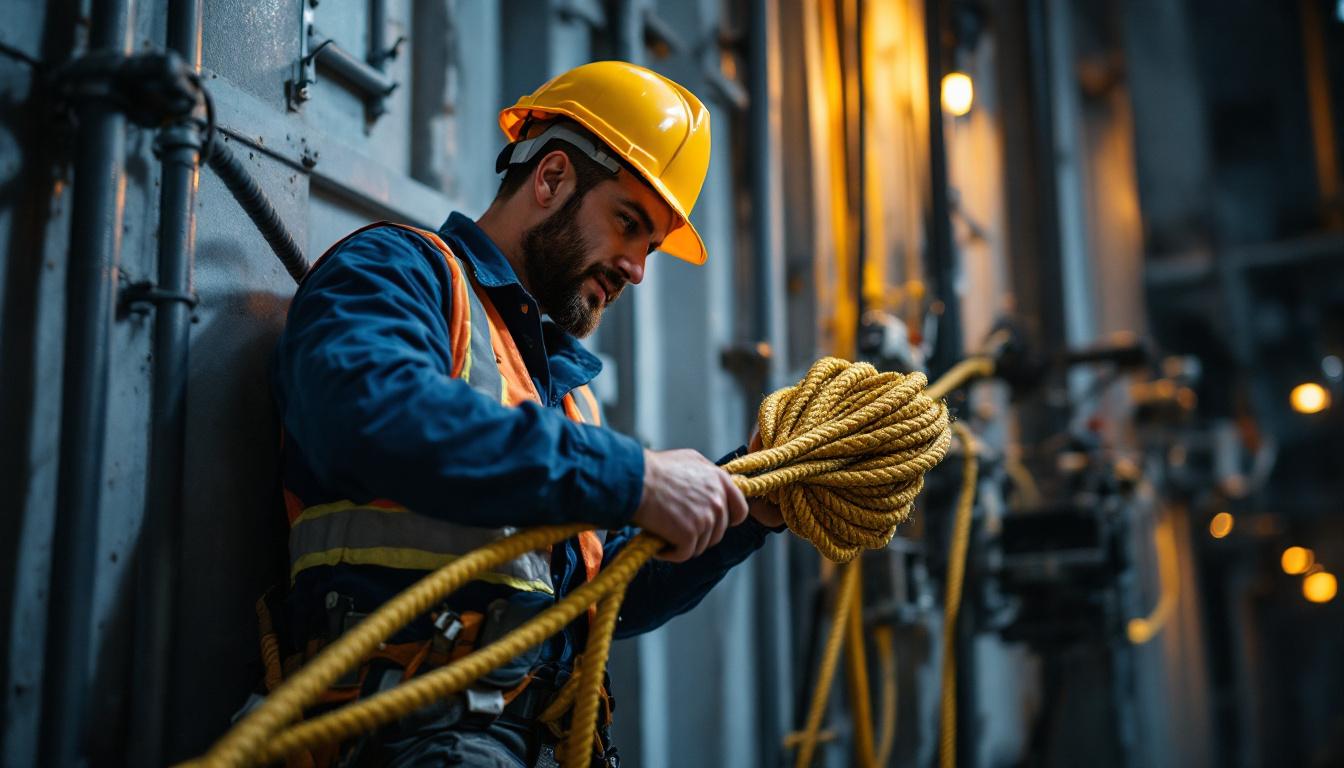
For lighting contractors, the process of installing electrical cables is a critical step that demands precision, safety, and efficiency. Among the various tools and materials used, the electrical cable pulling rope plays a pivotal role in ensuring cables are routed correctly through conduits, ceilings, and walls. This specialized rope is designed to withstand the mechanical stresses involved in pulling cables, preventing damage to both the cable and the infrastructure.
Choosing the right cable pulling rope is essential because improper selection can lead to cable damage, installation delays, or even safety hazards. Lighting contractors must understand the properties of different ropes, their load capacities, and compatibility with the cables and conduits they work with. This knowledge not only enhances the quality of the installation but also reduces downtime and costly repairs.
Why Cable Pulling Rope Matters for Lighting Projects
Lighting installations often involve running cables through complex pathways, including tight bends and long distances. The cable pulling rope serves as the lifeline that guides the cable safely through these routes. Without a reliable pulling rope, cables can snag, stretch, or suffer insulation damage, compromising the entire lighting system’s integrity.
Moreover, the rope must be durable enough to handle the pulling forces without stretching excessively, which can cause loss of control during installation. For lighting contractors, understanding these nuances means fewer installation errors and a smoother workflow.
In addition to the physical properties of the cable pulling rope, contractors should also consider the environmental conditions in which they are working. Factors such as temperature fluctuations, humidity, and exposure to chemicals can affect the rope’s performance. For instance, ropes made from synthetic materials may offer better resistance to moisture and chemicals, making them suitable for outdoor or industrial settings. This adaptability ensures that the lighting installation remains reliable and safe, regardless of the conditions.
Furthermore, advancements in technology have led to the development of specialized cable pulling ropes that incorporate features such as high-visibility colors and reflective materials. These innovations not only enhance safety on the job site by making the rope easily identifiable but also improve the overall efficiency of the installation process. By investing in high-quality, technologically advanced pulling ropes, lighting contractors can significantly enhance their operational capabilities and ensure that their projects are completed on time and within budget.
Types of Electrical Cable Pulling Ropes and Their Applications
Not all cable pulling ropes are created equal. Different materials and constructions offer varying strengths, flexibility, and resistance to environmental factors. Selecting the appropriate type depends on the specific requirements of the lighting project, including the cable type, conduit size, and installation environment. Understanding the nuances of each type of rope can significantly impact the efficiency and safety of the installation process.
Nylon Pulling Ropes
Nylon ropes are among the most popular choices for cable pulling due to their high tensile strength and excellent elasticity. They can absorb shock loads effectively, which is beneficial when pulling cables over long distances or around bends. Nylon’s resistance to abrasion and chemicals also makes it suitable for indoor and outdoor lighting installations. The versatility of nylon ropes allows them to be utilized in various applications, from residential projects to commercial undertakings, making them a staple in the toolkit of many lighting contractors.
However, nylon ropes can absorb moisture, which may reduce their strength over time if not properly maintained. For lighting contractors working in damp environments, it’s important to inspect nylon ropes regularly and store them in dry conditions. Additionally, the use of protective sleeves can help mitigate wear and tear, extending the life of the rope. Understanding the limitations and maintenance needs of nylon ropes ensures that they remain reliable throughout the duration of a project.
Polyester and Polypropylene Ropes
Polyester ropes offer lower stretch compared to nylon, providing more control during cable pulling. They are resistant to UV rays and moisture, making them ideal for outdoor lighting projects exposed to sunlight and weather. Polypropylene ropes are lightweight and float on water, which can be advantageous in specific scenarios but generally have lower strength than nylon or polyester. The buoyancy of polypropylene can be particularly useful in marine or waterfront installations where the rope may come into contact with water.
Choosing between polyester and polypropylene depends on the balance between strength requirements and environmental exposure. Lighting contractors should evaluate the project conditions carefully to select the best option. For instance, polyester may be preferred in situations requiring greater durability and resistance to harsh weather conditions, while polypropylene might be chosen for its lightweight properties in applications where ease of handling is a priority. Understanding the specific attributes of each material can lead to more informed decisions, ultimately enhancing the effectiveness of the installation.
Steel Wire Ropes
For heavy-duty applications where extremely high tensile strength is necessary, steel wire ropes are sometimes used. They offer superior durability and resistance to abrasion but are less flexible and heavier than synthetic ropes. Steel ropes are typically reserved for industrial lighting installations or situations involving very long cable pulls. Their robustness makes them ideal for environments where cables must endure significant stress or where heavy loads are common, such as in warehouses or manufacturing facilities.
Due to their weight and rigidity, steel ropes require specialized handling equipment and safety precautions. Lighting contractors should be trained in their use to avoid accidents and ensure efficient installation. Additionally, the use of appropriate connectors and pulleys can help distribute the load more evenly, reducing the risk of damage to both the rope and the cables being pulled. Understanding the intricacies of handling steel wire ropes can greatly enhance safety and efficiency on the job site, allowing for smoother operations and successful project completion.
Best Practices for Using Cable Pulling Rope in Lighting Installations
Proper use of cable pulling rope is as important as selecting the right type. Following best practices can prevent damage to cables, reduce installation time, and enhance safety on the job site.
Inspecting and Preparing the Rope
Before each use, lighting contractors should thoroughly inspect the cable pulling rope for signs of wear, fraying, or damage. Even minor defects can compromise the rope’s strength and lead to failure during pulling. Cleaning the rope to remove dirt and debris also helps maintain its performance.
Additionally, lubricating the rope with appropriate cable pulling lubricant can reduce friction, making the pull smoother and less strenuous. However, the lubricant must be compatible with both the rope material and the cable insulation to avoid damage.
Using Proper Pulling Techniques
Applying consistent tension and avoiding sudden jerks during cable pulling minimizes stress on both the rope and the cable. Lighting contractors should use pulling grips or socks designed to distribute the pulling force evenly along the cable, preventing localized damage.
When navigating bends or conduit transitions, using swivel devices can prevent rope twisting and tangling. It’s also essential to coordinate the pulling speed and force, especially when working with long cable runs, to avoid overstressing the rope.
Safety Considerations
Working with cable pulling ropes involves inherent risks, including rope snapback, which can cause serious injury. Lighting contractors must always wear appropriate personal protective equipment (PPE), such as gloves and eye protection, and maintain clear communication among team members during the pull.
Setting up barriers or warning signs around the pulling area helps keep bystanders safe. Additionally, understanding the rope’s load limits and never exceeding them is crucial for preventing accidents.
Innovations and Tools Enhancing Cable Pulling Efficiency
Advancements in materials and technology have introduced new tools and rope types that improve the efficiency and safety of cable pulling in lighting installations.
High-Strength Synthetic Ropes
Modern synthetic ropes made from materials like ultra-high-molecular-weight polyethylene (UHMWPE) offer exceptional strength-to-weight ratios. These ropes are lighter and stronger than traditional nylon or polyester, reducing fatigue for contractors and enabling longer pulls with less effort.
Their low stretch characteristics provide greater control, which is especially beneficial when installing sensitive lighting systems that require precise cable placement.
Cable Pulling Machines and Accessories
Mechanical cable pulling machines have become increasingly accessible for lighting contractors, automating much of the physical labor involved. These machines can maintain consistent pulling forces and speeds, reducing the risk of cable damage and improving installation times.
Accessories such as cable rollers, guides, and tension monitors complement the rope and machine, ensuring smooth transitions and preventing excessive strain. Investing in these tools can significantly enhance project outcomes and contractor productivity.
Maintaining and Storing Cable Pulling Ropes for Longevity
Proper maintenance and storage of cable pulling ropes extend their usable life and ensure they perform reliably when needed.
Cleaning and Inspection Routines
After each use, ropes should be cleaned with mild soap and water to remove dirt, grease, and other contaminants. Avoid harsh chemicals that can degrade the rope fibers. Once cleaned, ropes must be thoroughly dried before storage to prevent mold and mildew.
Regular inspections should focus on detecting cuts, abrasions, discoloration, or stiffness, all of which indicate potential weakening. Keeping detailed records of rope usage and inspections helps contractors track rope condition and decide when replacement is necessary.
Storage Best Practices
Ropes should be stored in a cool, dry place away from direct sunlight and chemicals. Coiling ropes neatly and hanging them prevents kinks and tangles. Using rope bags or containers protects them from dust and mechanical damage.
Lighting contractors working across multiple job sites should establish protocols for rope handling and storage to maintain consistent quality and safety standards.
Conclusion: Maximizing Success with the Right Cable Pulling Rope
For lighting contractors, the electrical cable pulling rope is more than just a tool—it is a vital component that directly affects the quality, safety, and efficiency of lighting installations. Understanding the different types of ropes, their applications, and best practices for use empowers contractors to make informed decisions that benefit their projects and clients.
By investing in high-quality ropes, embracing modern tools, adhering to safety protocols, and maintaining equipment properly, lighting contractors can enhance their professionalism and deliver reliable, long-lasting lighting solutions. The right cable pulling rope, combined with expert handling, ultimately lights the way to successful installations.
Get Your Premium Cable Pulling Ropes at LumenWholesale
Ready to elevate your lighting installations with the right tools for success? Look no further than LumenWholesale for all your cable pulling rope needs. Our selection of high-quality, spec-grade lighting products comes at unbeatable wholesale prices, ensuring you get the best value for your investment. Say goodbye to middleman markups and hello to superior lighting products that meet the highest industry standards. Plus, with free shipping on bulk orders, you can stock up on premium cable pulling ropes and other lighting essentials without the worry of hidden fees. Make your next lighting project a shining example of quality and efficiency with LumenWholesale. Wholesale Lighting at the Best Value.