Introduction to Solar Outdoor Lighting for Contractors
As the demand for sustainable and energy-efficient lighting solutions grows, solar outdoor lighting has become a pivotal component in modern landscape and architectural projects. For lighting contractors, understanding the nuances of solar lighting technology is essential to delivering high-quality installations that meet client expectations and regulatory standards.
This guide aims to provide a comprehensive overview of the best solar lighting options for outdoor applications, focusing on practical insights, technical considerations, and industry trends that can empower contractors to make informed decisions and enhance their service offerings.
Why Solar Outdoor Lighting Matters for Contractors
Solar lighting offers numerous advantages that align with the evolving priorities of homeowners, businesses, and municipalities. From reducing energy costs to minimizing environmental impact, solar solutions are increasingly favored for outdoor lighting projects.
For contractors, incorporating solar lighting into their portfolio can open new market opportunities and differentiate their services. According to industry reports, the global solar lighting market is expanding rapidly, driven by technological advancements and growing environmental awareness. This trend underscores the importance of mastering solar lighting installation and maintenance techniques.
Energy Efficiency and Cost Savings
Solar outdoor lighting operates independently of the electrical grid, harnessing sunlight through photovoltaic panels to power LED fixtures. This autonomy eliminates ongoing electricity expenses and reduces the need for extensive wiring and trenching, which can significantly lower installation costs and project timelines.
Clients are increasingly seeking solutions that offer long-term savings, making solar lighting an attractive proposition. Contractors who can effectively communicate these benefits and deliver reliable installations are well-positioned to capitalize on this demand.
Environmental Impact and Sustainability
Solar lighting contributes to sustainability goals by utilizing renewable energy and reducing carbon footprints. Many municipalities and commercial clients now require or prefer environmentally responsible lighting solutions that comply with green building certifications such as LEED or WELL.
Contractors who understand the environmental benefits and can integrate solar lighting into sustainable design frameworks demonstrate expertise that resonates with eco-conscious clients.
Key Components of Solar Outdoor Lighting Systems
Successful solar lighting installations depend on selecting and integrating several critical components. Contractors must be familiar with these elements to tailor solutions that meet site-specific requirements and performance expectations.
Photovoltaic Panels
The photovoltaic (PV) panel is the heart of any solar lighting system, responsible for converting sunlight into electrical energy. Panels vary in size, efficiency, and durability, with monocrystalline panels typically offering higher efficiency rates compared to polycrystalline or thin-film alternatives.
For outdoor lighting, panel placement is crucial to maximize sun exposure and energy capture. Contractors should assess shading, orientation, and local climate conditions to optimize panel performance.
Battery Storage
Energy storage is essential for ensuring consistent illumination during nighttime or overcast periods. Most solar lighting systems use rechargeable lithium-ion or sealed lead-acid batteries, each with distinct advantages in terms of lifespan, capacity, and maintenance requirements.
Contractors must select batteries that balance cost and performance while considering factors such as temperature tolerance and expected usage patterns to ensure system reliability.
LED Fixtures
Light-emitting diode (LED) technology is the standard for solar outdoor lighting due to its energy efficiency, longevity, and versatility. LEDs provide bright illumination with minimal power consumption and are available in various color temperatures and beam angles to suit different applications.
Choosing the right LED fixture involves evaluating factors like brightness (measured in lumens), color rendering index (CRI), and durability against weather conditions.
Controller and Sensors
Controllers regulate the charging and discharging cycles of the battery, protecting the system from overcharging or deep discharge, which can reduce battery life. Advanced controllers may also include programmable features for dimming, timing, or adaptive lighting.
Motion sensors and ambient light sensors enhance energy efficiency by activating lighting only when needed, extending battery life and improving user experience.
Top Solar Outdoor Lighting Applications for Contractors
Understanding the diverse applications of solar lighting helps contractors recommend appropriate solutions and design effective systems for various environments.
Pathway and Landscape Lighting
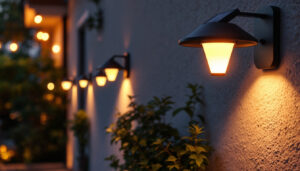
Solar pathway lights are popular for residential and commercial landscapes, providing safety and aesthetic appeal without the need for wiring. These fixtures typically feature low-profile designs with soft illumination that accentuates walkways, gardens, and architectural features.
Contractors should consider fixture height, light distribution, and durability when selecting pathway lighting to ensure consistent performance and client satisfaction.
Security and Flood Lighting
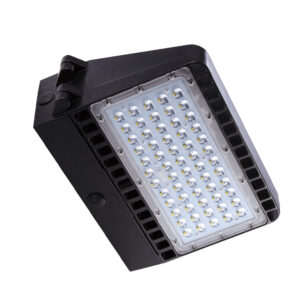
Solar-powered security lights with motion detection capabilities are increasingly used in areas lacking convenient electrical access. High-output LED floodlights can illuminate large areas such as parking lots, building perimeters, and recreational spaces.
For security applications, contractors must prioritize fixture brightness, sensor responsiveness, and battery capacity to maintain reliable operation during critical hours.
Street and Area Lighting
Municipalities and commercial properties are adopting solar street lights to reduce infrastructure costs and promote sustainability. These systems often include larger PV panels and batteries to support extended operation and higher wattage fixtures.
Contractors working on such projects should be adept at site analysis, pole installation, and system integration to meet stringent performance and safety standards.
Decorative and Accent Lighting
Solar accent lights enhance outdoor spaces by highlighting architectural details, water features, or art installations. These fixtures often combine design aesthetics with functional illumination, requiring careful selection to balance brightness and visual appeal.
Contractors can add value by advising on fixture placement and color temperature to achieve the desired ambiance.
Installation Best Practices for Solar Outdoor Lighting
Proper installation is critical to the success and longevity of solar lighting systems. Contractors must follow best practices to avoid common pitfalls and ensure optimal system performance.
Site Assessment and Planning
Conducting a thorough site assessment is the first step in any solar lighting project. This includes evaluating sun exposure, potential shading from trees or structures, soil conditions, and local weather patterns.
Planning should also account for client preferences, regulatory requirements, and maintenance accessibility. Detailed site analysis enables contractors to recommend the most suitable products and installation methods.
Mounting and Positioning
Correct mounting of PV panels and fixtures ensures maximum energy capture and effective illumination. Panels should be angled to capture the most sunlight based on geographic location, typically facing true south in the northern hemisphere.
Fixtures must be securely mounted to withstand environmental stresses such as wind, rain, and vandalism. Using corrosion-resistant materials and appropriate hardware enhances durability.
Electrical Connections and Safety
Although solar lighting reduces the need for extensive wiring, contractors must ensure all electrical connections are weatherproof and comply with local electrical codes. Proper grounding and surge protection safeguard system components from damage.
Safety protocols during installation protect both workers and clients, minimizing risks associated with working at heights or handling electrical components.
Testing and Commissioning
After installation, comprehensive testing verifies system functionality, including battery charging, sensor operation, and light output. Contractors should simulate nighttime conditions to confirm reliable illumination and sensor responsiveness.
Providing clients with operational guidance and maintenance recommendations enhances satisfaction and reduces service calls.
Maintenance and Troubleshooting for Solar Outdoor Lighting
Routine maintenance is essential to sustain the performance and lifespan of solar lighting systems. Contractors who offer maintenance services can build long-term client relationships and ensure system reliability.
Cleaning and Inspection
Regular cleaning of PV panels removes dust, dirt, and debris that can impair energy absorption. Inspecting fixtures, wiring, and mounting hardware identifies wear or damage early, preventing costly repairs.
Contractors should recommend maintenance schedules tailored to the local environment, such as more frequent cleaning in dusty or pollen-heavy areas.
Battery Replacement and Management
Batteries typically require replacement after several years of service, depending on usage and environmental conditions. Monitoring battery health through voltage checks and performance assessments helps anticipate replacements before failures occur.
Proper disposal and recycling of old batteries align with environmental regulations and client sustainability goals.
Common Troubleshooting Scenarios
Issues such as dim lighting, flickering, or non-operation often stem from battery degradation, sensor malfunctions, or panel shading. Contractors should systematically diagnose these problems, starting with visual inspections and progressing to electrical testing.
Documenting troubleshooting steps and solutions supports knowledge sharing and continuous improvement within contracting teams.
Emerging Trends and Technologies in Solar Outdoor Lighting
Staying abreast of industry innovations enables contractors to offer cutting-edge solutions that enhance project outcomes and client satisfaction.
Smart Solar Lighting Systems
Integration of IoT (Internet of Things) technology allows remote monitoring and control of solar lighting systems. Features such as adaptive brightness, scheduling, and fault detection improve energy management and maintenance efficiency.
Contractors skilled in smart system installation and configuration can provide clients with advanced functionality and convenience.
Advanced Battery Technologies
Developments in battery chemistry, including solid-state and lithium iron phosphate (LiFePO4) batteries, offer improved safety, capacity, and lifespan. These advancements reduce maintenance frequency and enhance system reliability.
Contractors should evaluate emerging battery options to recommend optimal solutions for specific project needs.
Hybrid Solar Lighting Solutions
Combining solar power with grid connectivity or alternative energy sources provides hybrid solutions that ensure uninterrupted lighting even during prolonged low sunlight periods. These systems are particularly relevant for critical infrastructure and high-security applications.
Contractors capable of designing and installing hybrid systems can address complex client requirements and regulatory demands.
Conclusion: Empowering Contractors with Solar Lighting Expertise
Solar outdoor lighting represents a dynamic and expanding segment of the lighting industry, offering contractors significant opportunities for growth and innovation. Mastery of system components, installation best practices, and emerging technologies equips contractors to deliver sustainable, efficient, and aesthetically pleasing lighting solutions.
By embracing solar lighting, contractors not only meet the evolving expectations of clients but also contribute to broader environmental stewardship and energy conservation efforts. This guide serves as a foundation for developing expertise and confidence in solar outdoor lighting projects, fostering success in a competitive marketplace.
Illuminate Your Projects with LumenWholesale
Ready to elevate your solar outdoor lighting projects with the finest selection of spec-grade products? Look no further than LumenWholesale, where we offer an extensive range of high-quality lighting solutions tailored to your needs. Enjoy unbeatable wholesale prices, free shipping, and the convenience of cutting out the middleman. Make your next project shine with reliability and performance that only LumenWholesale can provide. Discover the value and quality that sets us apart and take the first step towards a brighter future. Wholesale Lighting at the Best Value.