Lighting contractors play a pivotal role in enhancing the ambiance and functionality of spaces through effective lighting solutions. In an industry that thrives on innovation and adaptability, understanding the nuances of lighting technologies is essential. One such innovation that has gained significant traction is Censor Light. This article delves into the importance of Censor Light and how it can be the key to success for lighting contractors.
Understanding Censor Light Technology
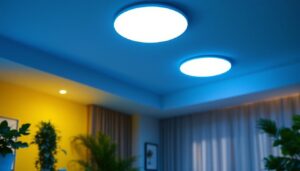
Censor Light technology refers to advanced lighting systems that utilize sensors to optimize energy efficiency and enhance user experience. These systems can automatically adjust brightness based on ambient light levels, occupancy, and even time of day. For lighting contractors, understanding this technology is crucial in providing clients with modern, energy-efficient solutions that meet their needs.
The Mechanics of Censor Light
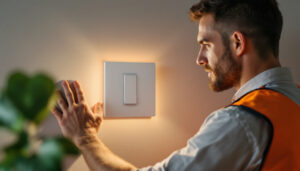
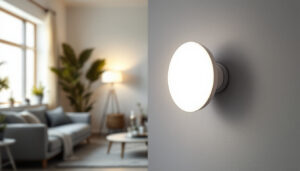
At its core, Censor Light technology operates through a network of sensors that detect environmental conditions. For instance, daylight sensors can adjust artificial lighting according to the amount of natural light available, ensuring that spaces are neither over- nor under-lit. Motion sensors, on the other hand, can turn lights on or off based on occupancy, significantly reducing energy waste.
These systems not only enhance energy efficiency but also extend the lifespan of lighting fixtures. By reducing the amount of time lights are on, contractors can help clients save on maintenance costs and improve overall sustainability. As energy regulations become stricter, adopting Censor Light technology can position contractors as leaders in the field.
Benefits for Lighting Contractors
Integrating Censor Light technology into projects offers numerous benefits for lighting contractors. Firstly, it allows for the creation of customized lighting solutions tailored to specific client needs. This customization can lead to increased customer satisfaction and repeat business.
Moreover, contractors who embrace this technology can differentiate themselves from competitors. In a crowded market, showcasing expertise in advanced lighting solutions can attract new clients looking for innovative and efficient lighting options. Additionally, offering energy-efficient solutions can align with sustainability goals, appealing to environmentally conscious customers.
Furthermore, the implementation of Censor Light technology can lead to significant cost savings for clients. By minimizing energy consumption, businesses can see a reduction in their utility bills, which can be a compelling selling point for contractors. This technology not only supports a greener environment but also enhances the overall aesthetic of spaces, creating a more inviting atmosphere for employees and visitors alike. As organizations increasingly prioritize employee well-being and productivity, the role of effective lighting becomes even more critical, making Censor Light technology an essential consideration for modern workplaces.
In addition to the financial benefits, contractors can also leverage Censor Light technology to provide clients with data-driven insights. Many advanced systems come equipped with analytics capabilities that track usage patterns and energy consumption. This information can be invaluable for clients looking to further optimize their operations and make informed decisions about future upgrades or expansions. By offering these insights, contractors not only enhance their service offerings but also position themselves as trusted advisors in the realm of energy management and sustainability.
Implementing Censor Light in Projects
Integrating Censor Light technology into lighting projects requires careful planning and execution. Contractors must assess the unique requirements of each space to determine the most effective sensor types and placements. This section outlines key considerations for successful implementation.
Site Assessment and Planning
A thorough site assessment is the first step in implementing Censor Light technology. Understanding the layout, natural light sources, and intended use of the space is crucial. For example, in a commercial setting, high-traffic areas may benefit from motion sensors, while conference rooms might require daylight sensors to adjust lighting based on the time of day.
During the planning phase, contractors should also consider the existing electrical infrastructure. Compatibility with current systems is vital to ensure seamless integration. Additionally, discussing potential challenges with clients upfront can help manage expectations and foster a collaborative environment. It’s also beneficial to involve stakeholders early in the process, as their insights can provide valuable context about how the space is utilized, leading to more tailored solutions.
Furthermore, evaluating the environmental conditions of the site can influence sensor selection. For instance, areas prone to dust or moisture may require more robust, weather-resistant sensors to ensure longevity and reliability. By taking these factors into account, contractors can create a comprehensive plan that not only enhances energy efficiency but also improves the overall user experience within the space.
Choosing the Right Sensors
Not all sensors are created equal; choosing the right type for a specific application is essential. For instance, occupancy sensors are ideal for spaces with variable occupancy, such as offices or restrooms. In contrast, daylight sensors work best in areas with significant natural light, such as atriums or large windows.
Contractors should also consider the technology behind the sensors. Wireless sensors offer flexibility and ease of installation, while wired options may provide more reliability in certain environments. Understanding the pros and cons of each type will enable contractors to make informed decisions that best serve their clients. Additionally, the integration of smart technology can enhance sensor functionality, allowing for real-time data collection and analysis. This capability not only aids in optimizing energy usage but also provides insights into user behavior, which can inform future design decisions.
Moreover, the aesthetic aspect of sensor placement should not be overlooked. Sensors should be discreetly integrated into the design of the space to maintain visual appeal while still being effective. This might involve selecting sensors that blend in with existing fixtures or using design elements that complement the overall decor. By prioritizing both functionality and aesthetics, contractors can ensure that the implementation of Censor Light technology enhances the space without compromising its design integrity.
Challenges and Solutions in Censor Light Implementation
While the benefits of Censor Light technology are clear, contractors may face challenges during implementation. Addressing these challenges proactively can ensure a smoother process and better outcomes for clients.
Common Challenges
One common challenge is resistance from clients who may be unfamiliar with sensor technology. Some clients might worry about the reliability of automated systems or fear that they will complicate their lighting setup. Additionally, the initial cost of installation can deter clients who are focused on budget constraints.
Effective Communication and Education
To overcome these challenges, effective communication is key. Lighting contractors should take the time to educate clients about the long-term benefits of Censor Light technology. Providing case studies or testimonials from previous projects can help alleviate concerns and build trust.
Moreover, offering a clear breakdown of potential energy savings and maintenance cost reductions can justify the initial investment. By highlighting the return on investment, contractors can demonstrate the value of adopting advanced lighting solutions.
Future Trends in Lighting Technology
The lighting industry is continually evolving, and staying ahead of trends is vital for contractors aiming for success. Censor Light technology is just one aspect of a broader movement towards smart lighting solutions.
Integration with Smart Home Systems
As smart home technology becomes more prevalent, integrating Censor Light systems with these platforms can enhance user experience. Homeowners are increasingly looking for lighting solutions that can be controlled remotely or programmed through smart devices. Contractors who offer these integrated solutions can tap into a growing market.
This integration not only adds convenience but also allows for more sophisticated control over lighting environments. For instance, homeowners can set schedules for when lights turn on or off, adjust brightness levels, and even create mood settings for different occasions, all from their smartphones.
Sustainability and Energy Efficiency
With a growing emphasis on sustainability, the demand for energy-efficient lighting solutions will only increase. Censor Light technology aligns perfectly with this trend, as it helps reduce energy consumption and carbon footprints. Contractors who prioritize sustainability in their offerings will find themselves well-positioned to meet the needs of environmentally conscious clients.
Case Studies: Successful Implementations of Censor Light
Real-world examples can provide valuable insights into the successful implementation of Censor Light technology. These case studies highlight the versatility and effectiveness of sensor-based lighting solutions across various sectors.
Commercial Spaces
In a recent project for a large office complex, contractors integrated Censor Light technology to optimize energy usage. By installing occupancy sensors in meeting rooms and daylight sensors in open-plan areas, the building achieved a significant reduction in energy costs. Employees reported improved comfort levels, as the lighting adjusted automatically to their needs throughout the day.
Residential Applications
A residential project showcased the benefits of Censor Light technology in a smart home setting. Homeowners opted for a comprehensive lighting solution that included motion sensors in hallways and daylight sensors in living areas. The result was a seamless lighting experience that enhanced convenience and energy efficiency, ultimately leading to increased homeowner satisfaction.
Conclusion: Embracing Censor Light for Success
In a competitive landscape, lighting contractors must stay ahead of the curve by embracing innovative technologies like Censor Light. Understanding the mechanics, benefits, and implementation strategies of this technology can position contractors as leaders in the industry.
By effectively communicating the advantages of Censor Light to clients and addressing potential challenges, contractors can foster trust and build long-lasting relationships. As the demand for smart, energy-efficient lighting solutions continues to grow, those who adapt will not only thrive but also contribute to a more sustainable future.
Ultimately, Censor Light technology represents not just a trend but a fundamental shift in how lighting is approached. For lighting contractors, the key to success lies in embracing this change and leveraging it to provide exceptional value to clients.
Illuminate Your Projects with LumenWholesale
Ready to elevate your lighting projects with the cutting-edge Censor Light technology? At LumenWholesale, we provide lighting contractors with the highest quality, spec-grade lighting products at prices that can’t be beaten. Say goodbye to local distributor markups and hello to our extensive selection that meets rigorous industry standards. Plus, with free shipping on bulk orders, you can stock up on premium lighting solutions without worrying about hidden fees. Don’t miss out on the perfect combination of quality, affordability, and convenience. Make the smart choice for your business and explore our Wholesale Lighting at the Best Value today.