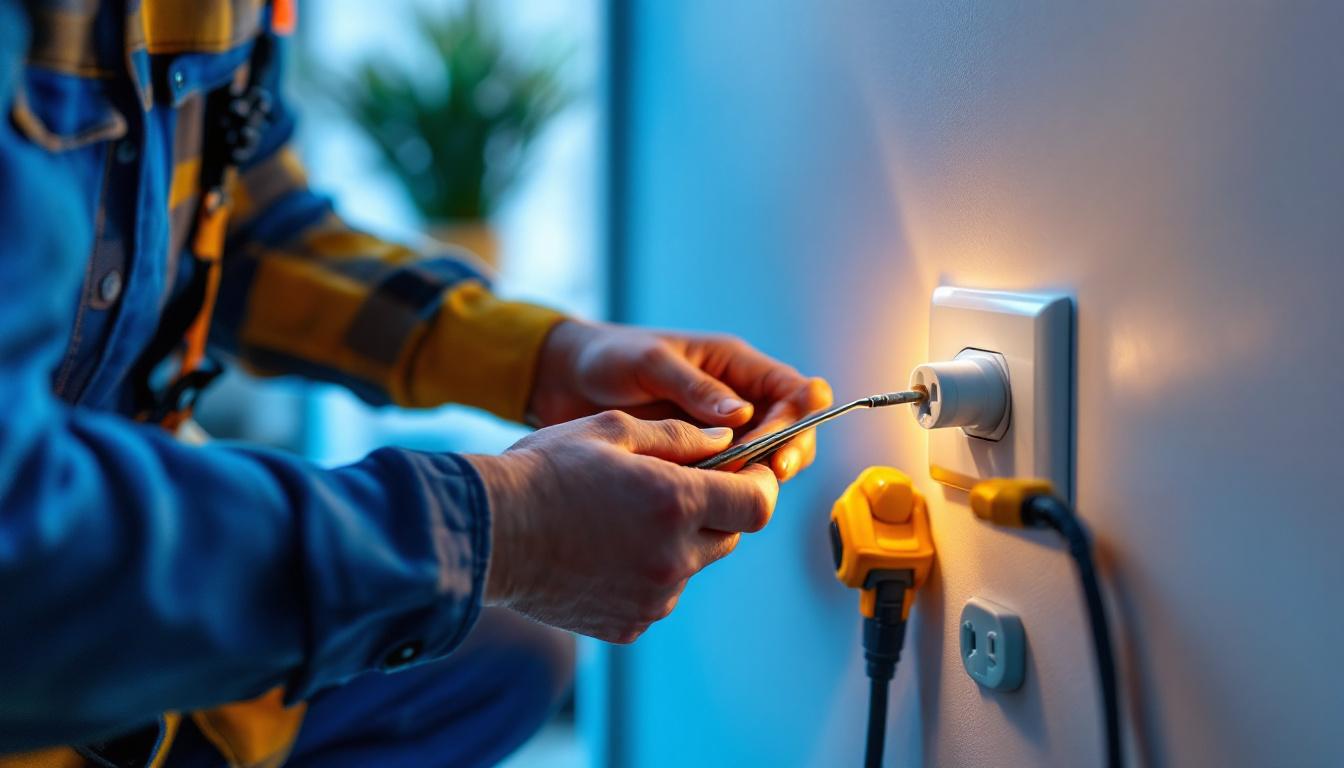
Understanding the Importance of Proper Electric Wall Plug Installation
For lighting contractors, the installation of electric wall plugs is a fundamental task that directly impacts the safety, functionality, and longevity of lighting systems. Despite its seeming simplicity, improper handling of wall plugs can lead to serious electrical hazards, frequent maintenance issues, and customer dissatisfaction. Recognizing common pitfalls and adhering to best practices is essential for professionals aiming to deliver reliable and code-compliant installations.
Electric wall plugs serve as the primary interface between lighting fixtures and the electrical supply. They must be installed with precision to ensure secure connections, prevent electrical faults, and accommodate the specific power requirements of various lighting setups. A thorough understanding of electrical standards and practical installation techniques is crucial for avoiding costly mistakes.
Moreover, the choice of wall plugs is equally important. Different types of plugs are designed to handle varying voltage levels and current loads, making it essential for contractors to select the appropriate plug for each specific application. For instance, high-wattage lighting systems may require specialized plugs that can handle greater electrical loads without overheating or failing. Additionally, factors such as environmental conditions—like exposure to moisture or dust—should also influence the selection process, ensuring that the plugs are durable and suited for their intended environment.
Furthermore, ongoing education and training in the latest electrical codes and technologies can significantly enhance a contractor’s expertise in wall plug installation. As advancements in smart lighting and energy-efficient systems become more prevalent, understanding how to integrate these technologies with traditional wall plugs is vital. This knowledge not only improves installation quality but also positions contractors as knowledgeable professionals in a rapidly evolving industry, ultimately leading to increased client trust and satisfaction.
Common Mistakes Lighting Contractors Make with Electric Wall Plugs
1. Ignoring Electrical Code Compliance
One of the most critical errors is neglecting to follow local and national electrical codes. These codes are designed to ensure safety and efficiency, covering aspects such as plug type, grounding requirements, and circuit capacity. Failure to comply can result in dangerous installations that pose fire risks or cause electrical shocks.
For example, using a non-grounded plug in a system that requires grounding can create a hazardous condition. Lighting contractors must stay updated on the latest code revisions and ensure all installations meet or exceed these standards. Regular training sessions and workshops can be beneficial for contractors to familiarize themselves with evolving regulations, ensuring they are well-informed and compliant.
2. Using Incorrect Wall Plug Types
Electric wall plugs come in various configurations, each suited for specific voltage, current ratings, and environmental conditions. Selecting an incompatible plug can lead to poor connections, overheating, or equipment damage. For instance, a plug designed for residential use may not withstand the demands of commercial lighting systems.
Contractors should carefully assess the electrical load and environmental factors before choosing the plug type. Utilizing plugs rated for higher amperage or designed for damp locations when necessary can prevent premature failures and enhance safety. Additionally, consulting with manufacturers or industry experts can provide insights into the best practices for selecting plugs that align with the specific needs of each project.
3. Overlooking Proper Grounding
Grounding is a vital safety feature that protects users from electrical shocks and helps stabilize voltage levels. A common mistake is failing to connect the ground wire properly or using plugs without grounding capabilities in grounded circuits. This oversight can compromise the entire lighting system’s safety.
Ensuring that all metal components are properly grounded and that plugs with grounding prongs are used where required is non-negotiable. Testing for continuity and grounding integrity should be part of every installation checklist. Furthermore, contractors should consider implementing ground fault circuit interrupters (GFCIs) in high-risk areas, which provide an additional layer of protection against electrical faults.
4. Poor Wire Termination and Connection Practices
Improperly terminated wires can cause loose connections, arcing, and eventual failure of the wall plug. Common issues include insufficient stripping of insulation, using incorrect wire gauges, and failing to tighten terminal screws adequately. Such mistakes can lead to intermittent power loss or dangerous overheating.
Lighting contractors should use the correct wire gauge as specified by electrical standards, strip insulation carefully to avoid damaging conductors, and ensure all connections are secure. Employing quality tools and techniques for wire termination enhances reliability. Additionally, using heat-shrink tubing or electrical tape can provide extra insulation and protection against environmental factors, further securing the integrity of the connections.
5. Neglecting Environmental Considerations
Electric wall plugs installed in areas exposed to moisture, dust, or extreme temperatures require special attention. Using standard indoor plugs in damp or outdoor environments can cause corrosion, short circuits, and electrical failures. This is especially relevant for lighting contractors working on exterior or industrial lighting projects.
Selecting plugs with appropriate ingress protection (IP) ratings and materials resistant to environmental stressors is essential. Additionally, sealing and protecting connections with weatherproof covers or enclosures can extend the lifespan of the installation. Contractors should also consider the long-term effects of environmental exposure on the materials used, opting for corrosion-resistant finishes and robust designs that can withstand the rigors of their specific application.
Best Practices for Lighting Contractors When Installing Electric Wall Plugs
Conduct Thorough Site Assessments
Before installation, lighting contractors should perform comprehensive site evaluations. Understanding the electrical load, environmental conditions, and intended use of the lighting system informs the selection of appropriate wall plugs and installation methods. This proactive approach minimizes the risk of errors and rework. Furthermore, assessing the physical layout of the space can help identify potential obstacles, such as existing wiring or structural elements that may impact installation. By taking the time to analyze these factors, contractors can devise a strategic plan that optimizes both functionality and aesthetics, ensuring that the lighting enhances the overall ambiance of the environment.
Use High-Quality Materials and Tools
Investing in premium wall plugs, wiring, and installation tools pays dividends in safety and durability. Inferior components may save money upfront but often lead to failures and increased maintenance costs. Lighting contractors are advised to source products from reputable manufacturers that comply with recognized safety standards. Additionally, utilizing advanced tools such as torque wrenches and thermal cameras can enhance installation accuracy and safety. These tools not only help in achieving a secure fit but also allow for the identification of heat anomalies that could indicate potential electrical issues, thereby further safeguarding the installation process.
Follow Manufacturer Instructions and Industry Standards
Every wall plug comes with manufacturer guidelines detailing installation procedures and specifications. Adhering to these instructions ensures compatibility and optimal performance. Additionally, following industry standards such as those set by the National Electrical Manufacturers Association (NEMA) or equivalent bodies guarantees that installations meet professional benchmarks. Staying updated on changes in regulations and best practices is also essential. Regular training sessions and workshops can equip contractors with the latest knowledge, fostering a culture of continuous improvement and excellence in their work.
Implement Rigorous Testing and Inspection
Post-installation testing is crucial to verify the integrity of electric wall plugs. Using tools such as multimeters to check voltage, continuity, and grounding can identify potential issues before commissioning. Regular inspections during maintenance visits help detect wear or damage early, preventing failures and enhancing safety. Furthermore, employing advanced diagnostic tools like insulation resistance testers can provide deeper insights into the overall health of the electrical system. This proactive maintenance strategy not only extends the lifespan of the installations but also reassures clients of their safety and reliability.
Document Installations and Maintain Clear Records
Maintaining detailed records of installed wall plugs, including types used, locations, and testing results, supports future troubleshooting and compliance audits. Documentation also facilitates communication with clients and other contractors, ensuring transparency and accountability. In addition to standard records, contractors might consider utilizing digital project management tools that allow for real-time updates and collaboration. This technology can streamline the documentation process, making it easier to track changes and updates throughout the project lifecycle. By fostering a culture of meticulous record-keeping, contractors not only enhance their operational efficiency but also build trust with clients through demonstrated professionalism and reliability.
Case Studies Highlighting the Impact of Proper Wall Plug Installation
Case Study 1: Preventing Fire Hazards in Commercial Lighting
A commercial office building experienced frequent lighting outages and overheating wall plugs due to the use of undersized plugs and improper grounding. After a thorough audit, lighting contractors replaced all plugs with code-compliant, grounded types rated for the building’s electrical load. The upgrade eliminated outages and significantly reduced fire risk, demonstrating the importance of correct plug selection and grounding.
Case Study 2: Enhancing Outdoor Lighting Durability
In an outdoor park lighting project, contractors initially installed standard indoor wall plugs, which corroded quickly due to exposure to rain and humidity. Switching to weatherproof plugs with high IP ratings and adding protective enclosures extended the system’s lifespan and reduced maintenance frequency, underscoring the need to consider environmental factors.
Conclusion: Elevate Your Lighting Installations by Avoiding Common Wall Plug Mistakes
Electric wall plugs may appear to be a minor component within lighting systems, but their proper installation is pivotal for safety, reliability, and customer satisfaction. Lighting contractors who avoid common mistakes—such as ignoring code compliance, using incorrect plug types, neglecting grounding, and overlooking environmental conditions—can deliver superior results that stand the test of time.
By adopting best practices including thorough site assessments, using quality materials, adhering to standards, and performing rigorous testing, professionals can minimize risks and enhance the performance of their lighting installations. Ultimately, attention to detail in electric wall plug installation reflects a commitment to excellence that benefits contractors, clients, and end-users alike.
Get Your Spec-Grade Lighting Products at LumenWholesale
Ready to elevate your lighting installations with the best materials on the market? Look no further than LumenWholesale for all your electric wall plug needs. Our extensive selection of top-quality, spec-grade lighting products comes at unbeatable wholesale prices, ensuring you get the most reliable and high-performance lighting without the inflated markups. Make the smart choice and take advantage of our hassle-free bulk buying with free shipping. Don’t compromise on quality or value—Wholesale Lighting at the Best Value is just a click away. Partner with LumenWholesale today and experience the perfect blend of quality, affordability, and convenience for your next project.