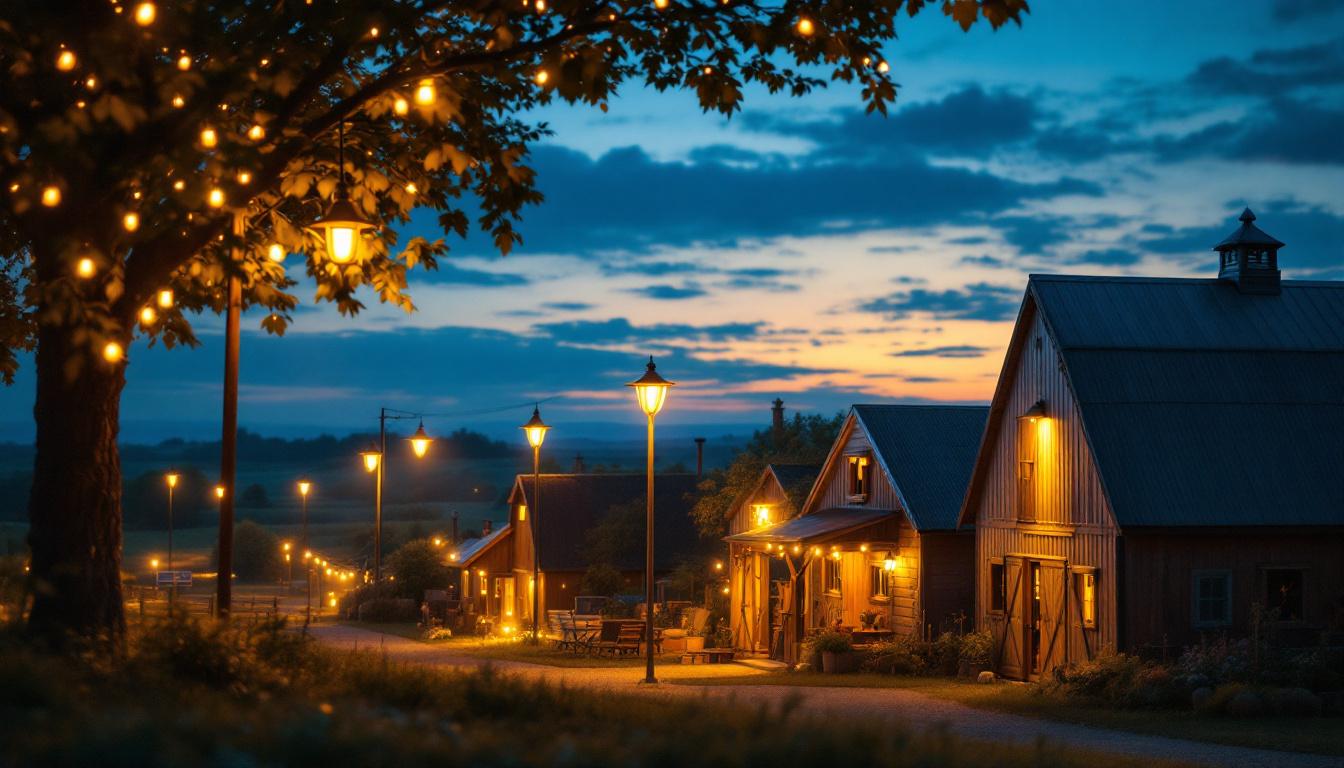
When it comes to illuminating outdoor spaces on farms, the right lighting solutions are essential. Not only do they enhance safety and security, but they also improve the functionality of various tasks performed after dark. For lighting contractors, understanding the specific needs of agricultural environments is crucial. This article serves as a comprehensive checklist to ensure that every aspect of outdoor farm lighting is addressed effectively.
Understanding the Requirements
Before diving into the specifics of outdoor farm lighting, it is important to grasp the unique requirements of agricultural settings. Farms often encompass a variety of areas, including barns, silos, pastures, and equipment storage. Each of these areas may require different types of lighting solutions. For example, the lighting needs for a dairy barn will differ greatly from those of a grain storage facility, as the activities and safety considerations in each space are distinct.
Assessing the Area
The first step in any lighting project is to conduct a thorough assessment of the area that requires illumination. This involves evaluating the size of the space, identifying potential hazards, and determining the specific tasks that will be performed in the area. For instance, a barn may need brighter lights for tasks like feeding livestock, while a pasture may only require ambient lighting for safety. Additionally, seasonal changes can affect how light is utilized; during the shorter days of winter, more robust lighting solutions may be necessary to maintain productivity.
Consideration should also be given to the layout of the farm. The placement of structures, equipment, and pathways can significantly influence the lighting design. Understanding how these elements interact will help in creating a comprehensive lighting plan that meets the needs of the farm. For example, ensuring that pathways are well-lit can prevent accidents during nighttime operations, while strategically placed lights can enhance the visibility of equipment storage areas, reducing the risk of damage or injury.
Understanding Local Regulations
Lighting contractors must also familiarize themselves with local regulations regarding outdoor lighting. These regulations can vary significantly depending on the region and may include restrictions on light pollution, specific wattage limits, and requirements for shielding lights to minimize glare. Compliance with these regulations is essential to avoid potential fines and ensure the safety of both workers and animals. Furthermore, understanding these regulations can also help in selecting energy-efficient lighting options, which not only comply with local laws but also contribute to sustainability efforts on the farm.
In addition to regulatory compliance, farmers may also want to consider the impact of lighting on the surrounding environment. For instance, excessive lighting can disrupt local wildlife, particularly in rural areas where nocturnal animals are active. By choosing lighting solutions that are both effective and environmentally friendly, farmers can strike a balance between operational needs and ecological responsibility. This approach not only enhances the farm’s productivity but also promotes a positive relationship with the surrounding community and ecosystem.
Choosing the Right Lighting Fixtures
Once the requirements and regulations have been assessed, the next step is to select the appropriate lighting fixtures. The right choice can make a significant difference in the effectiveness and efficiency of the lighting system.
Types of Lighting Fixtures
There are several types of lighting fixtures available for outdoor farm use, each with its own advantages and disadvantages. Common options include LED floodlights, high-intensity discharge (HID) lights, and solar-powered lights. LED floodlights are particularly popular due to their energy efficiency, long lifespan, and versatility. They provide bright, focused light that can cover large areas, making them ideal for barns and equipment storage areas.
HID lights, while less energy-efficient than LEDs, can be suitable for specific applications where high-intensity lighting is required. Solar-powered lights offer a sustainable option, especially for remote areas where access to electricity may be limited. However, they may not provide sufficient illumination for all tasks, so careful consideration is needed.
Brightness and Color Temperature
When selecting lighting fixtures, brightness and color temperature are critical factors. Brightness is measured in lumens, and the required lumen output will depend on the specific tasks being performed. For example, areas where detailed work is done, such as maintenance on equipment, may require higher lumen outputs than general pathways.
Color temperature, measured in Kelvin, also plays a role in how light affects visibility and ambiance. Warmer color temperatures (around 3000K) can create a cozy atmosphere, while cooler temperatures (5000K and above) mimic daylight and can enhance visibility. Choosing the right color temperature for the task at hand can improve both safety and productivity.
Power Supply Considerations
After selecting the appropriate fixtures, it is essential to consider how the lighting system will be powered. The power supply can significantly impact the overall efficiency and functionality of the lighting setup.
Wiring and Electrical Needs
For permanent installations, proper wiring is crucial. This involves determining the electrical load requirements and ensuring that the existing electrical system can handle the added demand. It may be necessary to upgrade the electrical panel or install additional circuits to accommodate the new lighting fixtures.
In addition to wiring, contractors should also consider the placement of switches and controls. Installing timers or motion sensors can enhance energy efficiency by ensuring that lights are only on when needed. This is especially important in agricultural settings where lighting may not be required at all hours.
Alternative Power Sources
In some cases, alternative power sources may be a viable option. Solar power, for instance, can be an excellent choice for remote areas or for farms looking to reduce their carbon footprint. While the initial investment may be higher, the long-term savings on electricity bills and maintenance can make solar lighting a cost-effective solution.
Wind power is another alternative that can be considered, particularly in areas with consistent wind patterns. Combining solar and wind power can create a hybrid system that maximizes energy efficiency and reliability.
Installation Best Practices
The installation phase is critical to the success of any outdoor lighting project. Proper installation ensures that the lighting system functions as intended and lasts for years to come.
Placement of Fixtures
When installing lighting fixtures, careful attention must be paid to their placement. Fixtures should be positioned to minimize shadows and maximize coverage. For example, floodlights should be mounted at appropriate heights and angles to ensure even illumination across the area.
It is also essential to consider the potential for obstructions. Trees, buildings, and other structures can block light, reducing the effectiveness of the lighting system. Conducting a thorough site survey before installation can help identify and mitigate these issues.
Safety Precautions
Safety is paramount during the installation process. Contractors should adhere to all relevant safety guidelines, including wearing appropriate personal protective equipment (PPE) and following electrical safety protocols. Additionally, ensuring that all fixtures are securely mounted and weatherproofed will prevent potential hazards down the line.
Maintenance and Upkeep
After installation, ongoing maintenance is crucial to ensure that the lighting system continues to function effectively. Regular upkeep can prevent costly repairs and extend the lifespan of the fixtures.
Routine Inspections
Conducting routine inspections of the lighting system is essential. This includes checking for burnt-out bulbs, damaged fixtures, and any signs of wear and tear. Addressing these issues promptly can prevent more significant problems from developing.
Additionally, cleaning fixtures regularly can improve light output and efficiency. Dust, dirt, and debris can accumulate on fixtures, reducing their effectiveness. A simple cleaning routine can make a significant difference in the performance of the lighting system.
Upgrading Technology
As technology continues to evolve, it is important for lighting contractors to stay informed about the latest advancements in outdoor lighting. Upgrading to newer, more efficient fixtures can lead to significant energy savings and improved performance. This may involve replacing older fixtures with LED options or incorporating smart technology that allows for remote control and monitoring.
Enhancing Security with Outdoor Lighting
Outdoor lighting plays a vital role in enhancing security on farms. Well-lit areas deter potential intruders and ensure that workers can navigate the property safely after dark.
Strategic Lighting Placement
To maximize security, lighting should be strategically placed around the perimeter of the property, as well as in high-traffic areas. This includes entrances, exits, and pathways leading to barns and equipment storage. Bright, focused lighting can help eliminate dark spots where intruders may hide.
Incorporating motion sensors can further enhance security by activating lights when movement is detected. This not only alerts workers to potential intruders but can also save energy by ensuring that lights are only on when needed.
Integrating Security Systems
For farms with existing security systems, integrating outdoor lighting can create a comprehensive security solution. Linking lights to cameras or alarms can provide an added layer of protection. For instance, if a camera detects movement, it can trigger the lights to illuminate the area, providing better visibility for surveillance.
Conclusion
Outdoor farm lighting is a multifaceted project that requires careful planning, execution, and maintenance. By following this comprehensive checklist, lighting contractors can ensure that they meet the unique needs of agricultural environments while adhering to local regulations and safety standards.
From assessing the area and selecting the right fixtures to ensuring proper installation and ongoing maintenance, each step plays a critical role in the success of the lighting system. By prioritizing safety, efficiency, and security, contractors can deliver effective lighting solutions that enhance the functionality of farms and improve the overall working environment.
Ultimately, the goal is to create a well-lit, safe, and productive space that meets the demands of modern agriculture. With the right approach, outdoor farm lighting can significantly enhance both the operational efficiency and security of agricultural properties.
Illuminate Your Farm with LumenWholesale
Ready to elevate your outdoor farm lighting with solutions that blend safety, efficiency, and security? Look no further than LumenWholesale. Our extensive selection of spec-grade lighting products is designed to meet the rigorous demands of modern agriculture. With unbeatable wholesale prices and the convenience of free shipping on bulk orders, you can trust us to light up your farm without the burden of inflated markups. Don’t compromise on quality or value—choose LumenWholesale for Wholesale Lighting at the Best Value and make your next project shine.