Understanding the Basics of LED Screw-In Bulbs
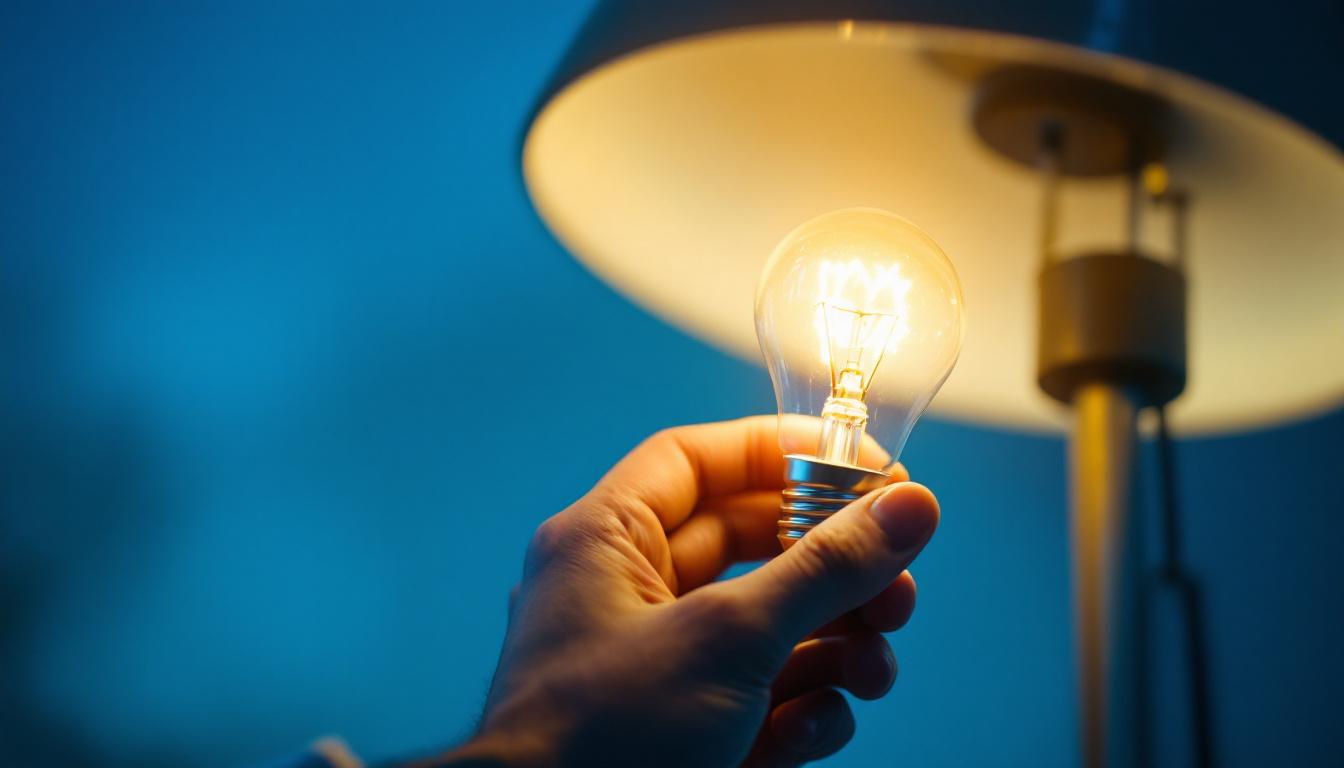
LED screw-in bulbs have transformed the lighting industry, offering a straightforward retrofit solution for traditional incandescent and CFL fixtures. Their design mimics the familiar screw base-most commonly the E26 or E27-making them compatible with a vast array of existing sockets. This compatibility is crucial for lighting contractors who aim to upgrade lighting systems without extensive rewiring or fixture replacement. The ease of installation not only saves time and labor costs but also encourages homeowners and businesses to make the switch to more energy-efficient lighting options.
Unlike older bulbs, LED screw-in bulbs use light-emitting diodes to produce illumination. This technology converts electricity into light more efficiently, reducing energy consumption significantly. The result is a bulb that not only fits seamlessly into existing setups but also delivers superior performance in terms of longevity and energy use. In fact, many LED bulbs can last up to 25,000 hours or more, which is several times longer than traditional incandescent bulbs. This longevity means fewer replacements and less waste, contributing to a more sustainable approach to lighting.
How LED Technology Enhances Efficiency
LEDs generate light through electroluminescence, a process that produces minimal heat compared to incandescent bulbs. Since less energy is wasted as heat, more power is converted directly into visible light. This efficiency translates to lower wattage bulbs providing the same or greater brightness than their incandescent counterparts. As a result, homeowners can enjoy brighter spaces without the accompanying spike in energy bills, making LED bulbs an attractive choice for budget-conscious consumers.
For contractors, this means recommending bulbs that reduce energy costs for clients while maintaining or improving lighting quality. The energy savings can be substantial-LED screw-in bulbs typically use 75-85% less energy than incandescent bulbs, which adds up quickly across commercial or residential installations. Additionally, many LED bulbs now come with advanced features such as dimming capabilities, color temperature adjustments, and smart technology integration, allowing users to customize their lighting experience further. This versatility not only enhances the ambiance of a space but also caters to the specific needs of different environments, from cozy living rooms to bright, focused workspaces.
Energy Efficiency in Practice: Real-World Impact
Switching to LED screw-in bulbs is one of the simplest yet most effective ways to improve energy efficiency in lighting systems. Consider a commercial office building with hundreds of fixtures: replacing each incandescent bulb with an LED counterpart can cut lighting energy use dramatically. In fact, studies have shown that LED bulbs use up to 80% less energy than their incandescent counterparts, which not only translates to lower energy bills but also significantly reduces the carbon footprint of the building. This transition is particularly impactful in cities where energy demand is high, as it can alleviate some pressure on local power plants and contribute to a more sustainable urban environment.
Energy efficiency isn’t just about saving on electricity bills. It also reduces the overall demand on power grids, which can help lower carbon emissions and support sustainability goals. For contractors working with environmentally conscious clients, this is a compelling selling point. Moreover, many governments and utility companies offer incentives for businesses that adopt energy-efficient technologies, making the switch to LED lighting not only an environmentally responsible choice but also a financially savvy one. These incentives can include rebates, tax credits, and even grants, further enhancing the appeal of energy-efficient upgrades.
Longevity and Maintenance Benefits
LED screw-in bulbs last significantly longer than traditional bulbs—often up to 25,000 to 50,000 hours compared to 1,000 hours for incandescent bulbs. This longevity means fewer replacements, less labor, and reduced maintenance costs over time. For large-scale installations, these savings are particularly valuable. Additionally, the durability of LED bulbs makes them less susceptible to breakage, which is an important consideration in high-traffic areas or environments where fixtures are difficult to access. This resilience not only enhances safety but also contributes to a more reliable lighting system overall.
Longer-lasting bulbs also mean fewer disruptions in lighting, which is important in commercial environments where consistent illumination is critical. Lighting contractors can highlight these benefits when advising clients on upgrades, emphasizing the total cost of ownership rather than just upfront costs. Furthermore, the consistent quality of light provided by LEDs can enhance employee productivity and well-being, as studies have shown that proper lighting can positively influence mood and focus. By integrating smart lighting solutions that utilize LED technology, businesses can also take advantage of advanced features such as dimming, color tuning, and automated controls, further enhancing both energy efficiency and user experience in the workplace.
Choosing the Right LED Screw-In Bulbs for Maximum Efficiency
Not all LED screw-in bulbs are created equal. Selecting the right bulb involves considering factors such as lumen output, color temperature, and compatibility with dimmers or smart controls. Each of these elements affects both the energy efficiency and the user experience.
Lumens vs. Watts: Understanding Brightness and Power
Contractors must educate clients that wattage no longer directly indicates brightness with LED technology. Instead, lumens measure how much light a bulb produces. For example, a 10-watt LED bulb can emit the same lumens as a 60-watt incandescent bulb. This distinction helps clients make informed decisions without being misled by outdated wattage comparisons.
Furthermore, understanding lumens can also aid in achieving the desired lighting effect in different spaces. For instance, a living room may require softer, ambient lighting, while a kitchen or workspace benefits from brighter, more focused illumination. By guiding clients to consider the specific lumens needed for each room, contractors can enhance both the functionality and aesthetic appeal of a home.
Color Temperature and Application
Color temperature, measured in Kelvins (K), influences the ambiance and functionality of a space. Cooler temperatures (4000K-5000K) are often preferred in work environments for their crisp, bright light, while warmer temperatures (2700K-3000K) create a cozy atmosphere suitable for residential settings.
Choosing the right color temperature is essential for energy efficiency because it affects how users perceive brightness and comfort. A well-chosen bulb can reduce the need for additional lighting, further conserving energy. Moreover, the right color temperature can enhance productivity in workspaces; studies have shown that cooler light can help improve focus and reduce fatigue, making it a critical consideration for office environments.
Compatibility with Controls and Smart Systems
Many LED screw-in bulbs are compatible with dimmers and smart home systems, allowing for greater control over lighting levels and schedules. Dimming reduces energy use and extends bulb life, while smart controls enable automation that can prevent lights from being left on unnecessarily.
For contractors, recommending bulbs that integrate with these technologies adds value to their services and meets growing client demand for intelligent, energy-saving solutions. Additionally, smart LED bulbs often come with features such as color-changing capabilities and programmable settings, allowing users to customize their lighting for various activities and moods. This level of personalization not only enhances the user experience but also promotes energy conservation by ensuring that lighting is used only when and where it is needed.
Challenges and Considerations in LED Screw-In Bulb Adoption
Despite their advantages, LED screw-in bulbs present some challenges that contractors should be aware of. Understanding these issues helps ensure successful installations and satisfied clients.
Initial Cost and Perceived Value
The upfront cost of LED screw-in bulbs is higher than traditional bulbs, which can deter some clients. However, emphasizing the long-term savings on energy and maintenance costs usually overcomes this hesitation. Providing clear, data-backed comparisons can make a compelling case.
Quality Variability
The market is flooded with LED bulbs of varying quality. Low-quality bulbs may have poor color rendering, flicker, or fail prematurely. Contractors should source bulbs from reputable manufacturers and verify certifications such as ENERGY STAR to ensure reliability and performance.
Heat Dissipation and Fixture Compatibility
Although LEDs produce less heat than incandescent bulbs, they still generate some heat that must be managed. Certain enclosed fixtures may not allow adequate heat dissipation, potentially shortening bulb lifespan. Contractors need to assess fixture compatibility and recommend bulbs designed for such environments.
The Role of Lighting Contractors in Promoting Energy Efficiency
Lighting contractors play a pivotal role in advancing energy efficiency through the adoption of LED screw-in bulbs. Their expertise guides clients toward solutions that balance performance, cost, and sustainability.
Educating Clients on Benefits and Best Practices
Clients often rely on contractors to explain technical details in accessible terms. Clear communication about energy savings, bulb lifespan, and environmental impact builds trust and encourages adoption of LED technology.
Customized Lighting Solutions
Every project has unique requirements. Contractors who tailor LED screw-in bulb selections to specific applications-considering factors like space usage, lighting needs, and control systems-deliver superior outcomes and client satisfaction.
Staying Updated with Industry Developments
The lighting industry evolves rapidly with new technologies and standards. Contractors who stay informed about advancements in LED technology, energy codes, and rebate programs can provide cutting-edge solutions and maximize benefits for clients.
Conclusion: The Lasting Impact of LED Screw-In Bulbs on Energy Efficiency
LED screw-in bulbs represent a practical, efficient, and cost-effective upgrade for virtually any lighting system. Their compatibility with existing fixtures, combined with significant energy savings and long lifespans, makes them an indispensable tool for lighting contractors aiming to improve energy efficiency.
By carefully selecting high-quality bulbs, educating clients, and integrating smart controls, contractors can maximize the benefits of LED technology. This approach not only reduces energy consumption and operational costs but also supports broader environmental goals, positioning contractors as leaders in sustainable lighting solutions.
Illuminate Your Projects with LumenWholesale
Ready to elevate your lighting solutions and lead the charge in energy efficiency? LumenWholesale is here to support you every step of the way. With our extensive range of top-quality, spec-grade LED screw-in bulbs, you can provide your clients with the best in energy savings and performance. Say goodbye to local distributor markups and hello to unbeatable wholesale prices, free shipping, and the convenience of bulk buying. Make the smart choice for your business and your clients by choosing Wholesale Lighting at the Best Value with LumenWholesale. Your one-stop shop for premium lighting without the premium price tag.