Choosing the Right Hanging Outdoor Lamp for the Job
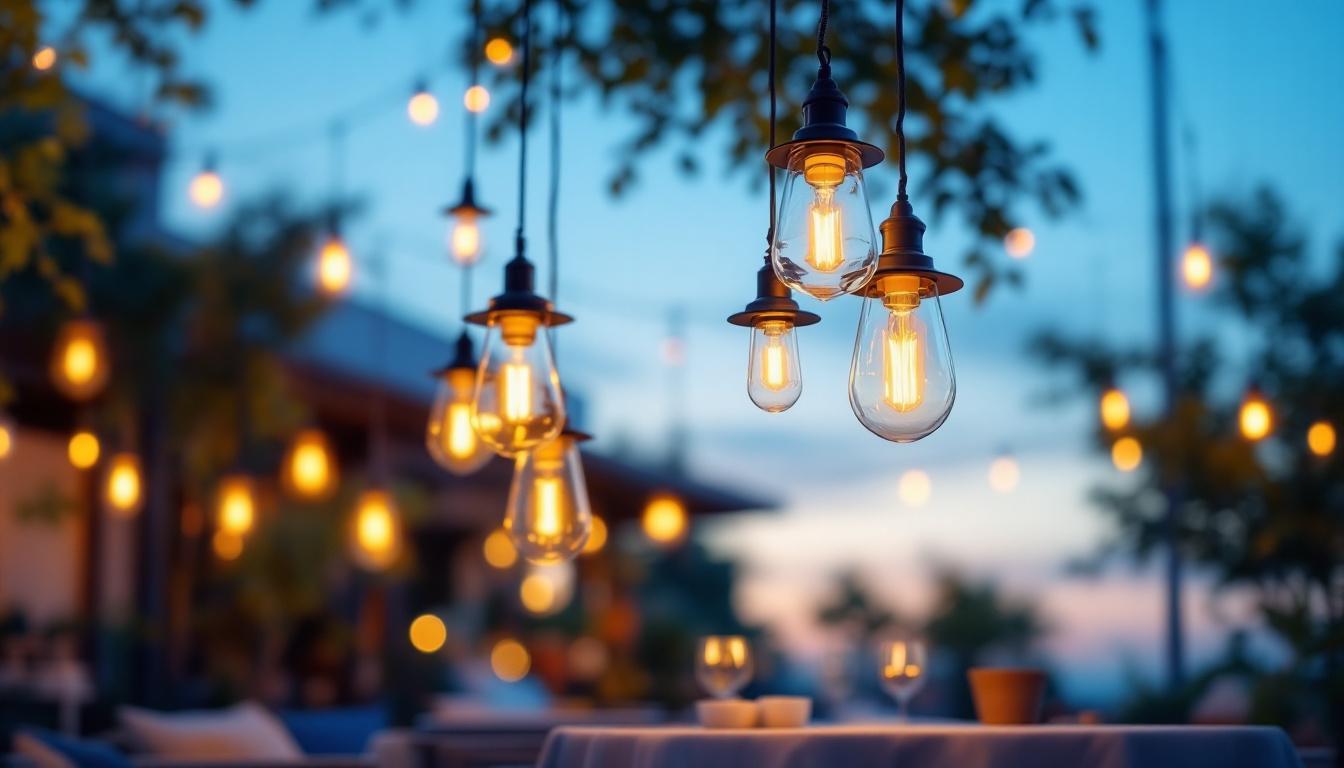
Picking the perfect hanging outdoor lamp isn’t just about aesthetics. It’s a blend of functionality, durability, and style that ensures the fixture performs well over time while complementing the space. For lighting contractors, understanding the nuances of outdoor lighting products can make the difference between a satisfied client and a costly call-back.
One of the first considerations is the lamp’s material. Outdoor fixtures face harsh conditions—rain, wind, UV exposure, and temperature swings. Aluminum and brass are popular choices because they resist corrosion and maintain their finish longer than cheaper metals. Powder-coated finishes add an extra layer of protection, extending the fixture’s lifespan. Additionally, some manufacturers offer finishes that mimic natural materials, like bronze or copper, which can enhance the aesthetic appeal without sacrificing durability.
Beyond materials, the lamp’s IP rating (Ingress Protection) is crucial. This rating indicates how well the fixture is sealed against dust and water. For outdoor hanging lamps, an IP rating of at least IP44 is recommended, but in areas with heavy rain or exposure, IP65 or higher offers better protection. This ensures the lamp won’t short circuit or degrade prematurely, saving contractors from unnecessary repairs or replacements. It’s also wise to consider the fixture’s warranty; a longer warranty often reflects the manufacturer’s confidence in their product’s durability.
Style and Scale Matter
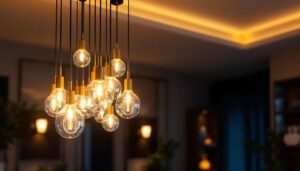
Outdoor lamps come in a variety of styles—from traditional lanterns to sleek, modern designs. Lighting contractors need to match the fixture’s style with the architectural elements of the property. A rustic farmhouse might call for wrought iron lanterns, while a contemporary home benefits from minimalist, geometric shapes. Furthermore, integrating smart technology into outdoor lamps is becoming increasingly popular, allowing homeowners to control lighting remotely or set schedules, which can add a modern touch while enhancing convenience.
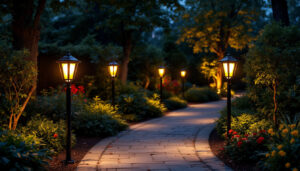
Scale is just as important. Oversized lamps can overwhelm a porch or patio, while fixtures that are too small may fail to provide adequate illumination. Measuring the space and considering the mounting height helps in selecting the right size. For example, a hanging lamp over a dining table on a covered porch should be positioned around 30 to 36 inches above the table surface to provide optimal light without glare. Moreover, considering the overall layout of the outdoor space is essential; multiple light sources can create a layered lighting effect that enhances both safety and ambiance, making the area more inviting for gatherings or quiet evenings outdoors.
Installation Best Practices for Hanging Outdoor Lamps
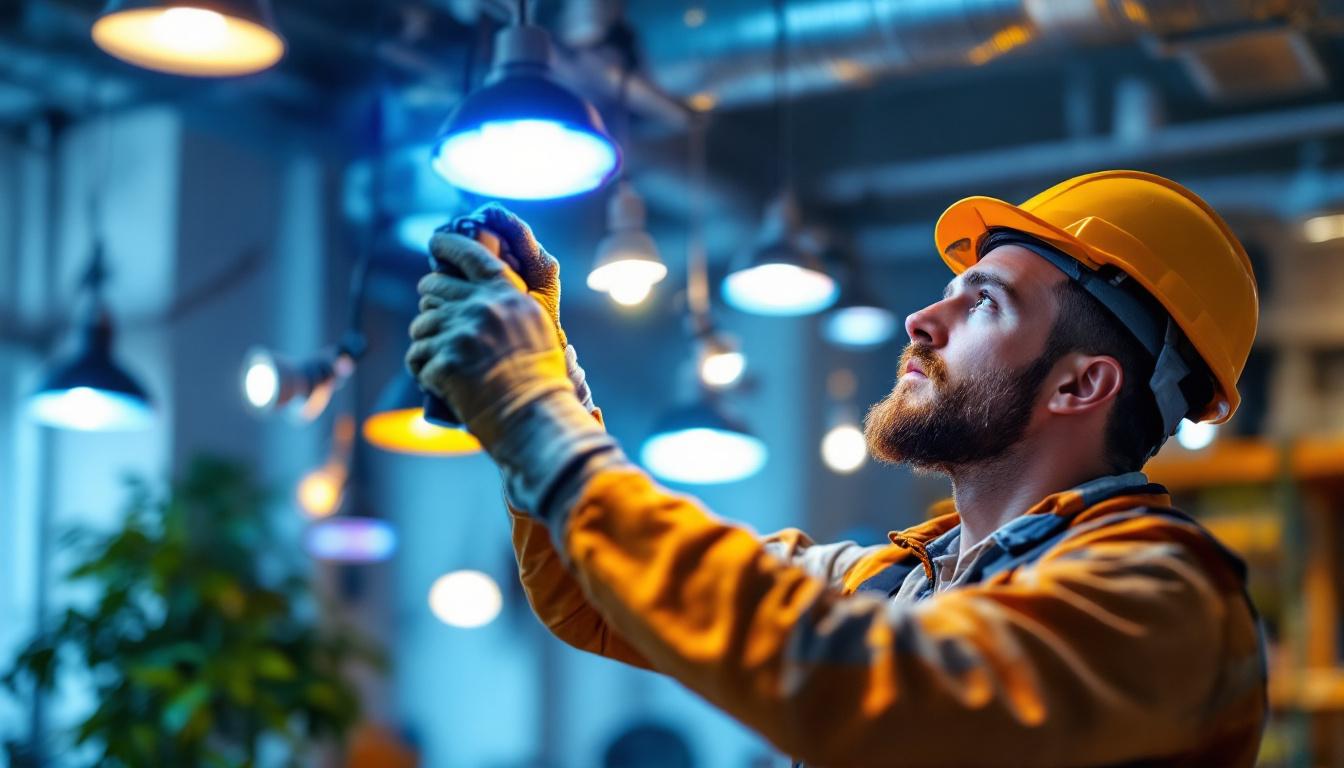
Proper installation is critical to the performance and safety of hanging outdoor lamps. Lighting contractors must ensure that the fixtures are securely mounted and wired to withstand outdoor conditions. This not only enhances the aesthetic appeal of the outdoor space but also ensures longevity and reliability in various weather conditions.
Start by verifying the electrical box and support structure. Outdoor hanging lamps can be heavy, especially those made from metal and glass. The mounting point should be rated to support the fixture’s weight, often requiring a ceiling joist or a dedicated support brace. Using a standard electrical box without reinforcement can lead to sagging or even detachment over time. Additionally, it is advisable to check for any existing damage or wear on the electrical box before installation, as this can compromise the safety and integrity of the fixture.
Weatherproofing the electrical connections is another essential step. Moisture infiltration can cause corrosion and shorts. Using outdoor-rated wire nuts, silicone-filled connectors, and applying electrical tape around connections adds layers of protection. Additionally, sealing around the fixture’s mounting plate with a high-quality silicone caulk prevents water from entering the ceiling cavity. It’s also beneficial to consider the orientation of the fixture; positioning it in a way that minimizes direct exposure to heavy rain or snow can further enhance its durability.
Wiring Considerations
Outdoor wiring must comply with local electrical codes, which often require the use of UF (underground feeder) cable or conduit for protection. Lighting contractors should also ensure that the circuit is protected by a Ground Fault Circuit Interrupter (GFCI) to reduce the risk of electrical shock. This is particularly important in areas where water may accumulate, as it provides an additional layer of safety for users and helps prevent potential hazards.
When running wires to hanging lamps, consider the length and voltage drop. Long runs can cause a noticeable drop in voltage, dimming the lamp or reducing its lifespan. Using the right gauge of wire—typically 12 or 14 AWG depending on the circuit load and length—is essential to maintain performance. Furthermore, it’s wise to plan the layout of your outdoor lighting system in advance, taking into account the placement of other fixtures and the overall design of the landscape. This foresight can help in minimizing wire runs and optimizing the electrical load across the circuit, ensuring that each lamp receives adequate power for optimal brightness and efficiency.
Energy Efficiency and Bulb Choices
Energy efficiency is no longer optional; it’s expected. Clients want lighting solutions that reduce energy consumption without sacrificing brightness or ambiance. For hanging outdoor lamps, LED bulbs are the clear winner.
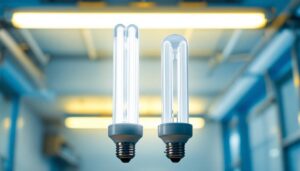
LEDs offer several advantages: they consume significantly less power than incandescent or halogen bulbs, last tens of thousands of hours, and produce less heat. This makes them safer for enclosed outdoor fixtures and reduces maintenance calls. Many LED bulbs now come with color temperature options, allowing contractors to tailor the light’s warmth or coolness to the client’s preference. Additionally, the wide variety of styles and designs available in LED bulbs means that clients can find options that not only fit their functional needs but also complement their outdoor aesthetic. From vintage-inspired designs to sleek modern looks, the versatility of LED technology allows for creative expression in outdoor spaces.
Smart Lighting Integration
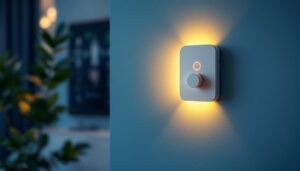
Smart outdoor lighting is gaining traction. Integrating hanging lamps with smart controls—such as motion sensors, timers, or app-based dimming—adds value for clients. These features enhance security, convenience, and energy savings. Homeowners can set their lights to turn on automatically at dusk, ensuring their outdoor areas are always well-lit without the need for manual intervention.
Lighting contractors should familiarize themselves with popular smart lighting platforms and ensure the fixtures they install are compatible. Wireless controls reduce the need for complex wiring and allow homeowners to customize their outdoor lighting scenes effortlessly. Moreover, many smart lighting systems now offer integration with home automation hubs, enabling users to control their outdoor lighting alongside other smart devices, such as security cameras and thermostats. This interconnectedness not only streamlines the user experience but also enhances the overall safety and functionality of the home, making it an attractive selling point for contractors looking to impress tech-savvy clients.
Maintenance Tips to Share with Clients
Proper maintenance extends the life of hanging outdoor lamps and keeps them looking their best. Lighting contractors who educate clients on maintenance build trust and reduce service calls.
Regular cleaning is essential. Dirt, pollen, and insect debris can accumulate on the fixture and glass, dimming the light output. Using a mild soap solution and a soft cloth prevents damage to the finish. Avoid abrasive cleaners that can strip protective coatings.
Inspecting the fixture periodically for signs of wear, rust, or loose connections helps catch issues early. Replacing bulbs with the same type and wattage ensures consistent performance. For LED fixtures, clients should be advised that while bulbs last a long time, the driver or internal components may eventually require professional servicing.
Seasonal Considerations
In colder climates, freezing and thawing cycles can affect outdoor lamps. Moisture trapped inside the fixture can freeze, causing cracks or corrosion. Recommending fixtures with sealed designs and advising clients to check seals before winter helps prevent damage.
In coastal areas, salt air accelerates corrosion. Using marine-grade finishes and stainless steel hardware is advisable. Contractors should also recommend more frequent maintenance checks for these environments.
Common Challenges and How to Avoid Them
Lighting contractors often encounter a few recurring issues with hanging outdoor lamps. Being proactive can save time and frustration.
One common problem is fixture instability. If the mounting point is weak or improperly installed, the lamp may swing excessively in the wind, causing wear on wiring or damage to the fixture. Reinforcing the mounting structure and using vibration-resistant hardware can mitigate this.
Another challenge is glare and light pollution. Overly bright or poorly directed lamps can annoy neighbors and detract from the property’s aesthetics. Using lamps with diffusers or downward-facing designs helps control light spill. Additionally, selecting bulbs with appropriate lumen output and color temperature can create a welcoming atmosphere without harshness.
Dealing with Insects
Outdoor lamps often attract insects, which can accumulate inside the fixture and reduce light quality. Choosing fixtures with tight seals and insect-resistant designs helps. Some manufacturers offer lamps with built-in insect repellent features or coatings that deter bugs.
Final Thoughts for Lighting Contractors
Hanging outdoor lamps are more than just decorative elements; they’re functional fixtures that enhance safety, security, and ambiance. For lighting contractors, mastering the selection, installation, and maintenance of these lamps is essential to delivering quality results.
Understanding materials, electrical requirements, energy efficiency, and client education ensures installations that stand the test of time. Staying current with technology trends like smart lighting further elevates the service offering. Ultimately, attention to detail and proactive problem-solving build a reputation that keeps clients coming back.
Illuminate Your Projects with LumenWholesale
Ready to elevate your lighting projects with the finest selection of hanging outdoor lamps? Look no further than LumenWholesale, where we provide contractors with exceptional, spec-grade lighting solutions at unbeatable wholesale prices. Our commitment to quality and affordability ensures that you can light up any space with confidence, knowing you’ve secured the best value for your investment. Say goodbye to middleman markups and hello to premium lighting with the convenience of free shipping. Don’t compromise on quality or cost—Wholesale Lighting at the Best Value is just a click away. Make your next project shine with LumenWholesale.