Understanding the Unique Challenges of Sports Field Lighting
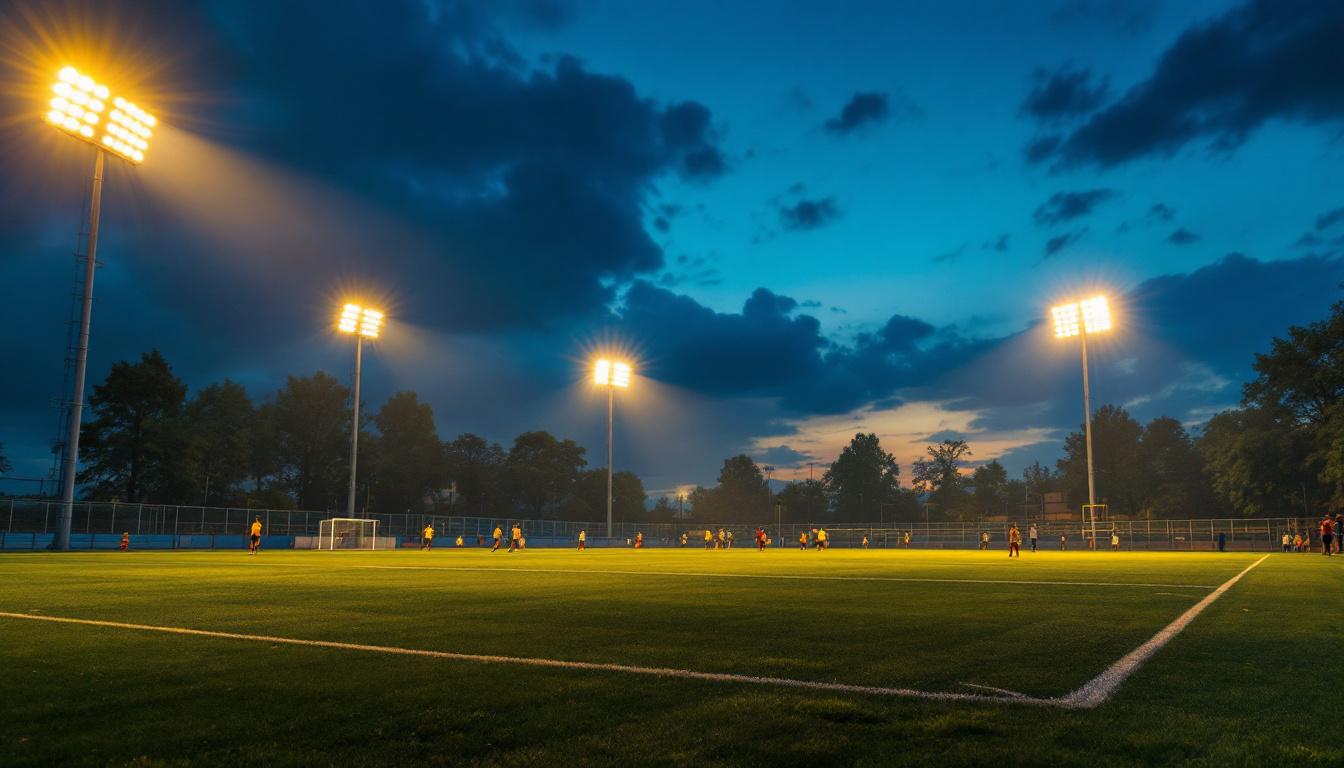
Lighting sports fields requires more than simply installing bright lights. The complexity lies in balancing visibility, safety, energy efficiency, and compliance with regulations. For lighting contractors, understanding these challenges is the foundation of delivering a successful project that meets the needs of athletes, spectators, and facility managers.
Sports fields vary widely—from soccer and football to baseball and multi-use fields—each demanding specific lighting criteria. The size of the field, the type of sport, and the level of play (recreational, high school, collegiate, or professional) all influence the lighting design. Moreover, outdoor conditions such as weather, ambient light pollution, and surrounding infrastructure add layers of complexity.
Key Considerations in Sports Field Lighting
One of the primary considerations is uniformity of light. Uneven lighting can create shadows or glare, impairing players’ performance and increasing the risk of injury. Contractors must ensure that the illumination is consistent across the entire playing surface.
Another critical factor is color rendering index (CRI) and color temperature. High CRI lighting enhances visibility by accurately rendering colors, which is essential for players, referees, and spectators to distinguish lines, balls, and team uniforms. Typically, lighting with a color temperature between 4000K and 5700K is preferred for outdoor sports fields.
Energy efficiency and maintenance costs also play a significant role. Modern LED technology offers substantial advantages over traditional metal halide or high-pressure sodium lamps, including lower power consumption, longer lifespan, and instant on/off capabilities.
In addition to these technical specifications, the layout of the lighting fixtures is crucial. Proper placement can minimize light spill and glare while maximizing coverage. This often involves a detailed analysis of the field’s dimensions and the angles at which lights are mounted. Advanced lighting design software can simulate various configurations, allowing contractors to visualize how different setups will perform under real-world conditions.
Moreover, the integration of smart lighting systems is becoming increasingly popular in sports field lighting. These systems can adjust brightness based on the time of day or the presence of players, further enhancing energy efficiency. They can also provide data analytics, giving facility managers insights into usage patterns and helping them make informed decisions about maintenance and upgrades. As technology continues to evolve, the possibilities for optimizing sports field lighting are expanding, making it an exciting area for innovation and improvement.
Evaluating Lighting Technologies for Sports Fields
The choice of lighting technology is pivotal in achieving optimal performance and cost-effectiveness. Lighting contractors must be well-versed in the pros and cons of various options to recommend the best fit for each project.
LED Lighting: The Industry Standard
LED lighting has become the preferred choice for sports field illumination due to its superior energy efficiency and longevity. LEDs provide high lumen output with lower wattage, reducing operational costs significantly. Additionally, LEDs offer excellent control over beam angles, which helps minimize light spill and glare—an important consideration for fields located near residential areas.
Another advantage is the flexibility of LED systems. Many modern LED fixtures come with smart controls, enabling dimming, scheduling, and integration with daylight sensors. This adaptability allows facility managers to optimize lighting based on usage patterns and environmental conditions. Furthermore, the ability to customize lighting levels for different sports or events can enhance the overall experience for athletes and spectators alike, ensuring that the right amount of light is delivered where it is needed most.
Moreover, the environmental impact of LED lighting cannot be overlooked. With a significantly lower carbon footprint compared to traditional lighting options, LEDs contribute to sustainability goals and can help facilities achieve green certifications. This is increasingly important as communities and organizations strive to promote eco-friendly practices, making LED lighting not just a practical choice, but also a socially responsible one.
Traditional Lighting Options and Their Limitations
Metal halide lamps were once the standard for sports lighting, valued for their bright, white light. However, they suffer from longer warm-up times, higher energy consumption, and shorter lifespans compared to LEDs. High-pressure sodium lamps, while energy-efficient, emit a yellowish light with poor color rendering, making them less suitable for sports applications.
Contractors should consider these limitations carefully, especially when working on retrofit projects where replacing outdated fixtures with LEDs can yield immediate benefits in performance and cost savings. The transition from traditional lighting to modern solutions not only enhances visibility on the field but also reduces maintenance costs associated with frequent bulb replacements and repairs. Additionally, the shift to more advanced lighting technologies can lead to improved safety for players and spectators, as better visibility reduces the risk of accidents and injuries during games and events.
Furthermore, the growing trend towards multi-use sports complexes means that lighting must be versatile enough to accommodate various activities, from soccer to community events. Traditional lighting systems often struggle to meet these diverse needs effectively. By investing in modern lighting technologies, facility operators can ensure that their venues remain competitive and appealing to a wider range of users, ultimately maximizing the return on investment for their lighting infrastructure.
Design Principles for Effective Sports Field Lighting
Successful lighting design goes beyond fixture selection. It involves precise calculations, strategic fixture placement, and adherence to governing standards to ensure safety and functionality.
Illumination Levels and Uniformity
Different sports have specific illumination requirements, often measured in foot-candles or lux. For example, recreational soccer fields may require around 20-30 foot-candles, while professional football fields can demand upwards of 100 foot-candles. Lighting contractors must reference standards from organizations such as the Illuminating Engineering Society (IES) and the Sports Turf Managers Association (STMA) to determine appropriate levels.
Uniformity ratios, such as the average to minimum illuminance ratio, should ideally be below 3:1 to avoid dark spots. Achieving this involves careful selection of fixture types, mounting heights, and aiming angles.
Glare Control and Light Pollution Mitigation
Glare can hinder player performance and cause discomfort for spectators. Utilizing fixtures with proper shielding and aiming helps reduce direct glare. Additionally, contractors should consider the impact of light pollution on neighboring communities. Employing full cutoff or cutoff fixtures directs light downward and minimizes skyglow, helping facilities comply with local ordinances and environmental standards.
Fixture Placement and Mounting Heights
Mounting height is a critical variable affecting beam spread and uniformity. Taller poles allow for broader coverage but may increase costs and structural requirements. Conversely, lower poles reduce installation expenses but may necessitate more fixtures to achieve uniform lighting.
Contractors must collaborate with structural engineers to ensure poles can withstand environmental stresses such as wind and seismic activity. Additionally, the layout should avoid placing fixtures in positions that create shadows or blind spots.
Regulatory Compliance and Safety Standards
Adhering to regulatory requirements is non-negotiable in sports field lighting projects. Lighting contractors must stay current with local, state, and national codes to ensure installations are safe, legal, and eligible for insurance coverage.
Relevant Standards and Guidelines
The Illuminating Engineering Society (IES) publishes comprehensive guidelines for sports lighting, including recommended illuminance levels, uniformity, and glare control. The National Electrical Code (NEC) governs electrical safety aspects, including wiring, grounding, and fixture installation.
Environmental regulations may also apply, particularly regarding light pollution and energy consumption. Many municipalities have adopted dark-sky ordinances that restrict upward light emission. Contractors should verify local zoning laws and obtain necessary permits before commencing work.
Ensuring Worker and Public Safety
Lighting contractors must implement safety protocols during installation and maintenance. This includes using appropriate personal protective equipment (PPE), securing work areas, and following OSHA regulations for working at heights. Post-installation, proper labeling and emergency lighting provisions enhance overall safety for facility users.
Energy Efficiency and Sustainability Considerations
With growing emphasis on sustainability, sports field lighting projects increasingly prioritize energy efficiency and environmental impact. Lighting contractors play a key role in guiding clients toward greener solutions.
Benefits of LED Retrofits and Smart Controls
Retrofitting existing sports fields with LED fixtures can reduce energy consumption by up to 50-70%, translating into significant cost savings over time. Smart control systems further enhance efficiency by enabling dimming during low-activity periods and automated scheduling based on daylight availability.
Integrating renewable energy sources, such as solar panels, can complement lighting systems and reduce reliance on grid power. While initial investment may be higher, the long-term environmental and economic benefits are compelling.
Lifecycle Cost Analysis
Contractors should present clients with a comprehensive lifecycle cost analysis that includes initial installation, energy consumption, maintenance, and replacement expenses. This holistic approach helps justify investments in higher-quality, energy-efficient lighting solutions that deliver superior performance and lower total cost of ownership.
Choosing the Right Lighting Contractor for Sports Field Projects
For facility owners and project managers, selecting the right lighting contractor is crucial. Contractors with specialized expertise in sports lighting bring valuable insights and technical skills to the table.
Evaluating Experience and Technical Expertise
Contractors should demonstrate a proven track record with sports field lighting installations, showcasing successful projects and client references. Familiarity with relevant standards, lighting design software, and the latest technologies is essential.
Strong partnerships with reputable lighting manufacturers and suppliers also indicate a contractor’s ability to source quality products and offer reliable warranties.
Comprehensive Project Management
Effective project management ensures timely delivery, budget adherence, and quality control. Contractors who provide end-to-end services—from design consultation and permitting to installation and post-project support—offer added value and peace of mind to clients.
Commitment to Customer Service and Maintenance Support
Sports field lighting systems require periodic maintenance to sustain performance. Contractors who offer maintenance contracts, rapid response for repairs, and training for facility staff demonstrate a commitment to long-term client satisfaction.
Conclusion
Lighting sports fields is a specialized discipline that demands a deep understanding of technical, regulatory, and environmental factors. Lighting contractors who approach these projects with comprehensive knowledge and a focus on quality, efficiency, and safety can deliver solutions that enhance athletic performance and spectator experience.
By carefully evaluating lighting technologies, adhering to design principles, complying with standards, and embracing sustainability, contractors position themselves as trusted partners in the sports facility industry. Ultimately, the right lighting transforms sports fields into vibrant, safe, and welcoming venues that serve communities for years to come.
Illuminate Your Sports Field Projects with LumenWholesale
Ready to elevate your sports field lighting projects to the next level? Choose LumenWholesale for your lighting needs and benefit from our premium, spec-grade lighting products at unbeatable wholesale prices. With LumenWholesale, you avoid the extra costs of middlemen and enjoy the convenience of free shipping on bulk orders. Our extensive selection is designed to meet the highest industry standards, ensuring you deliver reliable and high-performance lighting solutions every time. Don’t compromise on quality or value—visit Wholesale Lighting at the Best Value and experience the ideal combination of quality, affordability, and convenience for all your lighting projects.