In the realm of electrical contracting, lighting plays a pivotal role in shaping the ambiance and functionality of spaces. For lighting contractors, understanding the nuances of direct light is essential not only for aesthetic purposes but also for ensuring energy efficiency and compliance with regulations. This article delves into the essentials of direct light, exploring its types, applications, and the best practices for successful implementation.
Understanding Direct Light
Direct light is characterized by its ability to illuminate a specific area with minimal diffusion. This type of lighting is often used to create focal points, enhance visibility, and define spaces within both residential and commercial environments. Unlike indirect lighting, which scatters light throughout a room, direct lighting provides a concentrated beam that can be directed precisely where it is needed. This precision makes direct light an essential tool in architectural design, where the interplay of light and shadow can dramatically alter the perception of space.
Characteristics of Direct Light
One of the defining features of direct light is its intensity. This type of lighting is typically brighter than indirect lighting, making it suitable for tasks that require high visibility. Additionally, direct light can create sharp shadows, which can be both a benefit and a drawback depending on the desired effect. For example, in photography or art, sharp shadows can add depth and dimension, enhancing the visual interest of a subject. Understanding how to manipulate these characteristics is crucial for lighting contractors aiming to achieve the perfect balance in their designs. Furthermore, the color temperature of direct light can also influence the mood of a space; cooler tones may evoke a sense of energy and alertness, while warmer tones can create a more inviting and cozy atmosphere.
Types of Direct Lighting
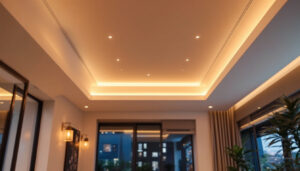
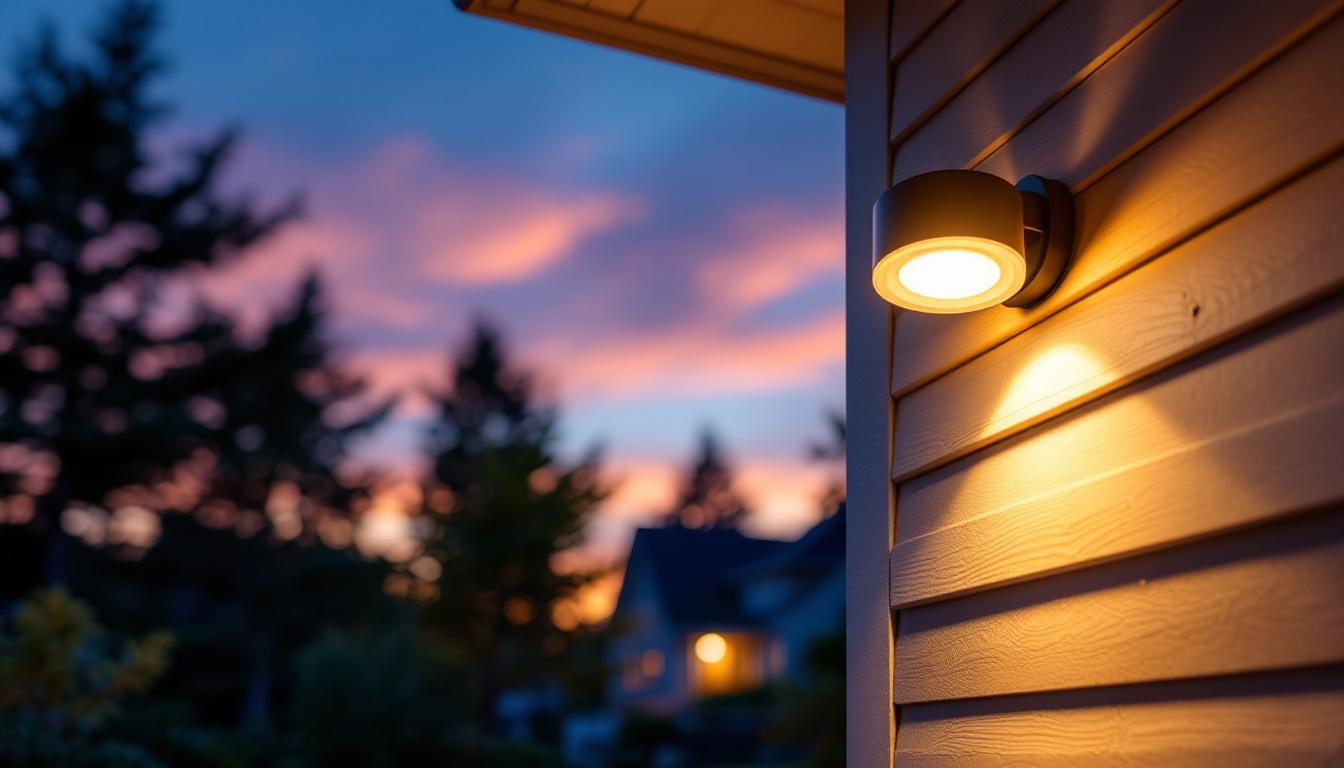
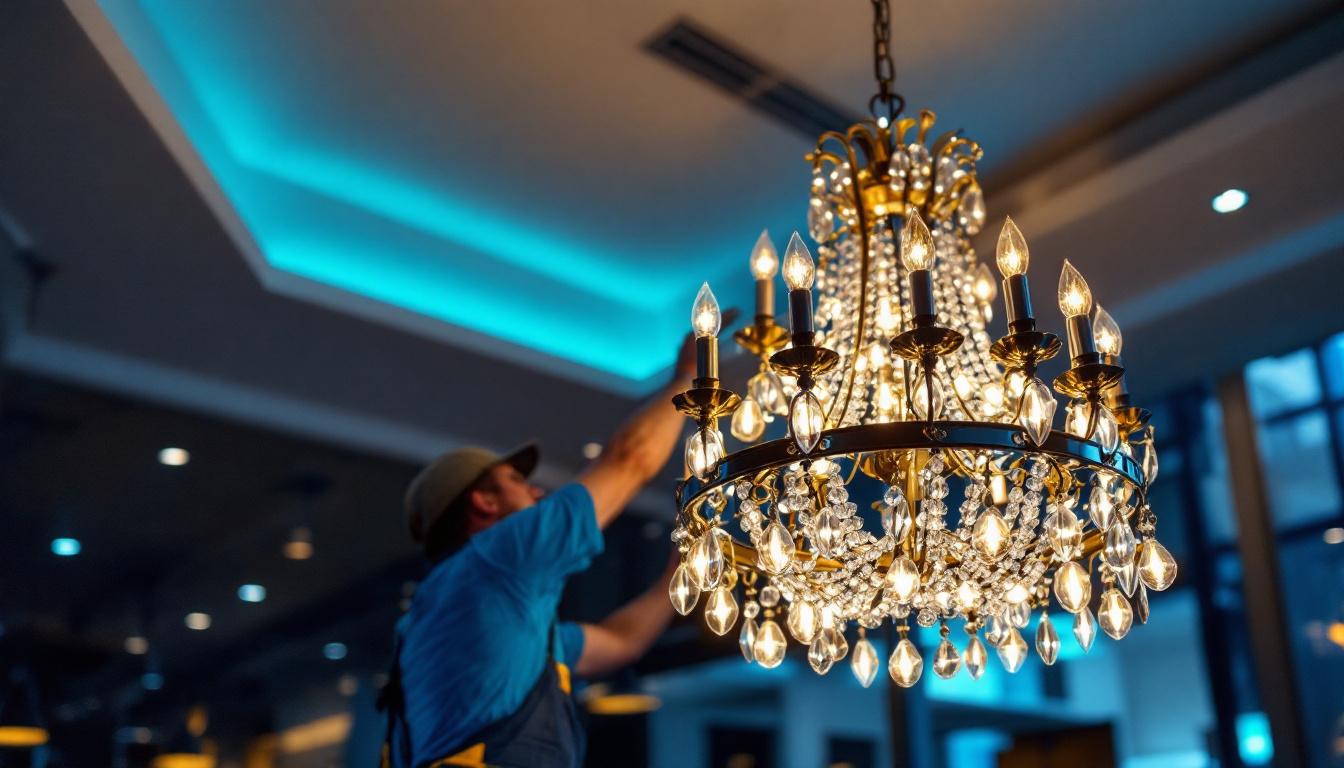
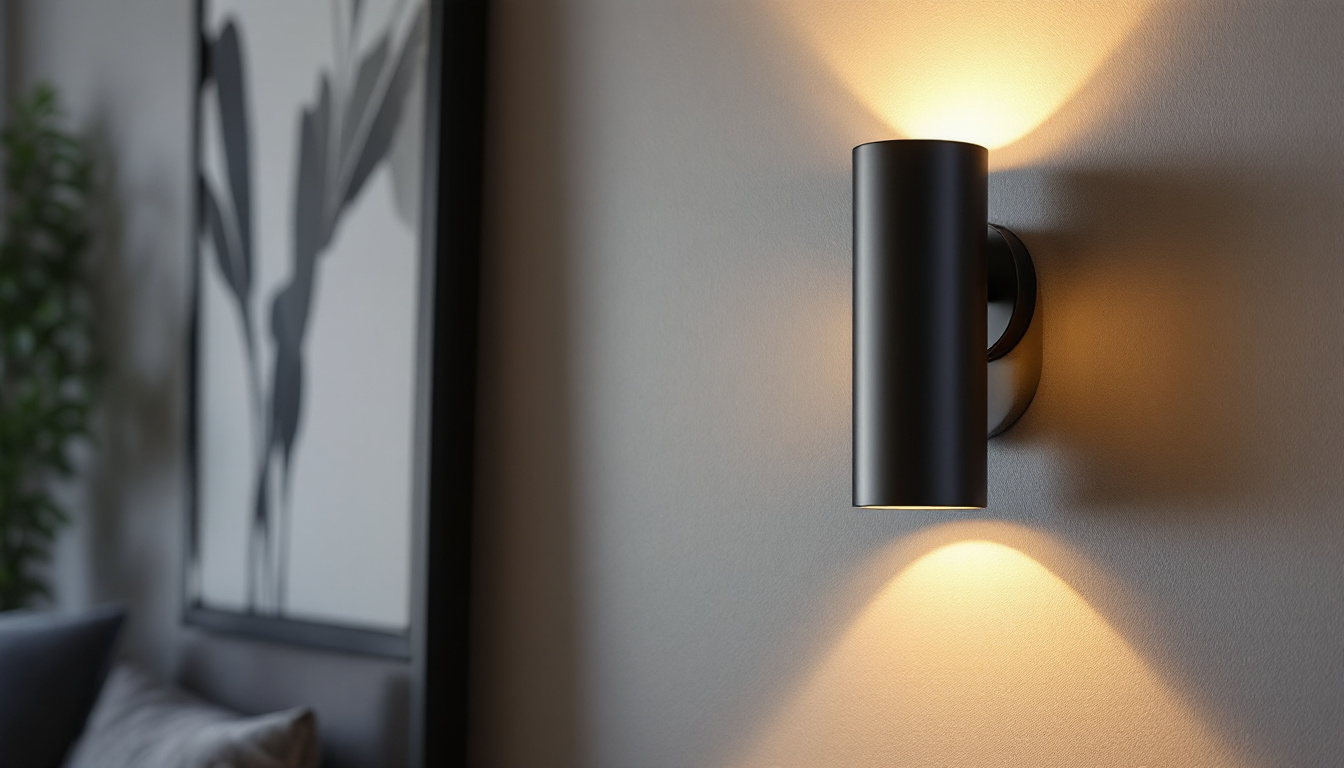
Various types of fixtures can produce direct light, each serving different purposes. Recessed lighting, track lighting, and pendant lights are some of the most common options. Recessed lighting, often installed in ceilings, provides a sleek look while effectively illuminating specific areas. Track lighting offers versatility, allowing for adjustable positioning of light sources, making it ideal for galleries or retail spaces. Pendant lights, on the other hand, can serve as decorative elements while providing focused illumination over dining areas or workspaces. Additionally, wall-mounted fixtures such as sconces can also deliver direct light, often used to highlight artwork or architectural features, thereby enhancing the overall aesthetic of a room. Each of these options can be tailored to fit the unique needs of a space, ensuring that the light not only serves a functional purpose but also complements the design vision of the environment.
Applications of Direct Light
Direct light finds its applications across a variety of settings, each requiring a tailored approach to meet specific needs. From residential homes to commercial establishments, understanding the context in which direct light is employed is essential for lighting contractors.
Residential Spaces
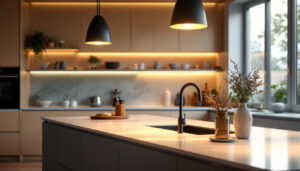
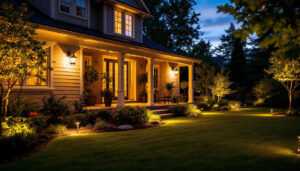
In residential settings, direct light is often utilized in kitchens, dining areas, and workspaces. Task lighting, such as under-cabinet lights in kitchens, enhances visibility for cooking and food preparation. In dining areas, pendant lights can create a warm and inviting atmosphere while providing sufficient illumination for meals. Additionally, direct lighting in home offices can improve productivity by reducing eye strain during tasks that require focus. Beyond these common areas, direct light can also be effectively used in living rooms, where strategically placed floor lamps or wall sconces can highlight artwork or architectural features, enhancing the overall aesthetic of the space. Moreover, outdoor patios and gardens can benefit from direct lighting, such as spotlights that illuminate pathways or seating areas, allowing for extended use of these spaces into the evening hours.
Commercial Environments
For commercial spaces, direct light plays a crucial role in creating an inviting atmosphere while ensuring functionality. Retail environments benefit from track lighting that highlights products and creates an engaging shopping experience. In office settings, direct lighting can enhance productivity by providing adequate illumination for workstations. Furthermore, proper placement of direct light fixtures can help delineate spaces, guiding customers and employees through the environment. In hospitality venues, such as restaurants and hotels, direct lighting can set the mood; for instance, adjustable fixtures can transition from bright, energizing light during breakfast service to softer, more intimate lighting for dinner. Additionally, in healthcare facilities, direct lighting is vital for both patient care and staff efficiency, as it aids in examinations and procedures while also creating a welcoming environment for patients and visitors alike.
Best Practices for Lighting Contractors
To successfully implement direct lighting solutions, lighting contractors must adhere to several best practices. These practices not only enhance the quality of the installation but also ensure client satisfaction and compliance with industry standards.
Assessing the Space
Before selecting fixtures, a thorough assessment of the space is essential. This includes evaluating the size of the area, the purpose of the lighting, and the existing architectural features. Understanding how natural light interacts with the space can also inform the decision-making process. For instance, in rooms with large windows, it may be necessary to adjust the intensity of direct lighting to avoid overwhelming the natural light.
Choosing the Right Fixtures
When selecting fixtures for direct lighting, consider factors such as the color temperature, beam angle, and lumen output. The color temperature can significantly impact the mood of a space; warmer tones create a cozy atmosphere, while cooler tones are often more energizing. Beam angle determines how concentrated the light is, which is crucial for achieving the desired effect. Additionally, lumen output should align with the specific needs of the area being illuminated to ensure adequate brightness.
Installation Techniques
Proper installation techniques are vital for maximizing the effectiveness of direct lighting. This includes ensuring that fixtures are securely mounted and positioned at the correct height for optimal illumination. For recessed lighting, careful consideration must be given to the spacing between fixtures to avoid dark spots. Furthermore, utilizing dimmers can provide flexibility, allowing users to adjust the intensity of the light based on their preferences and the time of day.
Energy Efficiency and Sustainability
In today’s environmentally conscious landscape, energy efficiency is a top priority for lighting contractors. Direct lighting solutions can be designed to minimize energy consumption while still providing effective illumination.
LED Technology
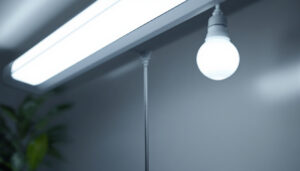
One of the most significant advancements in lighting technology is the widespread adoption of LED fixtures. LEDs are known for their longevity and energy efficiency, making them an excellent choice for direct lighting applications. By switching to LED technology, contractors can help clients reduce their energy bills while also contributing to a more sustainable future. Additionally, many LED fixtures offer adjustable color temperatures, providing further versatility in design.
Smart Lighting Solutions
Integrating smart lighting solutions into direct lighting designs can enhance energy efficiency even further. Smart systems allow users to control lighting remotely, schedule on/off times, and adjust brightness levels based on occupancy. This not only reduces energy waste but also provides convenience and flexibility for users. As smart home technology continues to evolve, lighting contractors should stay informed about the latest innovations to offer clients the best solutions available.
Compliance and Safety Considerations
Lighting contractors must also be aware of compliance and safety considerations when installing direct lighting. Adhering to local codes and regulations is crucial to ensure the safety and functionality of the lighting systems.
Understanding Codes and Standards
Familiarity with local building codes and electrical standards is essential for lighting contractors. These regulations often dictate the types of fixtures that can be used, the placement of outlets, and the required wattage for different spaces. Ensuring compliance not only protects the contractor from potential liabilities but also guarantees that the installation meets safety standards.
Safety Protocols
Implementing safety protocols during installation is paramount. This includes using appropriate personal protective equipment (PPE), ensuring proper grounding of fixtures, and following electrical safety guidelines. Additionally, educating clients about the safe use of lighting systems can prevent accidents and ensure a positive experience with the installed solutions.
Trends in Direct Lighting
The lighting industry is constantly evolving, with new trends emerging that influence the way direct lighting is utilized. Staying abreast of these trends can help lighting contractors remain competitive and provide innovative solutions to their clients.
Minimalist Design
Minimalism continues to dominate design trends, with a focus on clean lines and simplicity. Direct lighting fixtures that embody minimalist aesthetics can seamlessly integrate into various spaces, enhancing the overall design without overwhelming it. Sleek pendant lights and unobtrusive recessed fixtures are popular choices that align with this trend.
Layered Lighting
Another trend gaining traction is the concept of layered lighting, which combines direct and indirect lighting to create a more dynamic and versatile environment. By strategically placing direct lighting fixtures alongside ambient and accent lighting, contractors can achieve a balanced illumination that enhances both functionality and aesthetics. This approach allows for greater flexibility in adjusting the mood and purpose of a space.
Conclusion
Direct light is an essential component of effective lighting design, offering contractors the opportunity to create functional and aesthetically pleasing environments. By understanding the characteristics and applications of direct light, adhering to best practices, and staying informed about trends and technologies, lighting contractors can elevate their projects and exceed client expectations. With a focus on energy efficiency, compliance, and innovative solutions, the future of direct lighting holds exciting possibilities for both contractors and their clients.
Illuminate Your Projects with LumenWholesale
Ready to bring the power of direct lighting to your next project? Look no further than LumenWholesale for all your lighting needs. Our extensive selection of spec-grade lighting products ensures you can create the perfect ambiance while adhering to the highest industry standards. Say goodbye to inflated markups and hello to unbeatable wholesale prices, with the added convenience of free shipping on bulk orders. Elevate your lighting designs with the quality, affordability, and convenience that only LumenWholesale can provide. Discover the best value in wholesale lighting by visiting Wholesale Lighting at the Best Value today.