Understanding Convenience Outlet Duplexes
For lighting contractors, a comprehensive understanding of convenience outlet duplexes is essential. These devices are more than just simple power sources; they are integral components in residential, commercial, and industrial electrical systems. A convenience outlet duplex typically refers to a wall-mounted electrical receptacle that features two outlets within a single unit. This design allows for multiple devices to be powered simultaneously from a single electrical box, optimizing space and functionality.
The convenience outlet duplex is ubiquitous in modern electrical installations. Its design and installation must comply with national electrical codes and standards to ensure safety and reliability. Lighting contractors often encounter these outlets during retrofit projects, new construction, or when upgrading existing electrical systems. Mastery of the technical specifications and installation best practices can significantly enhance the quality and efficiency of a contractor’s work.
In addition to their basic functionality, convenience outlet duplexes can also include features such as built-in USB ports, which are becoming increasingly popular in today’s tech-driven world. These outlets allow users to charge devices like smartphones and tablets without the need for bulky adapters, thus reducing clutter and enhancing convenience. Moreover, some models come equipped with surge protection, safeguarding sensitive electronics from power spikes and ensuring longevity. Understanding these additional features can provide contractors with a competitive edge, as they can offer clients tailored solutions that meet their specific needs.
Furthermore, the placement of convenience outlet duplexes plays a crucial role in both aesthetics and functionality within a space. Strategic positioning can enhance the usability of rooms, whether it be in a home office, kitchen, or living area. For instance, installing outlets near workstations or entertainment centers can facilitate easy access to power sources for various devices. Lighting contractors should also consider the height and spacing of these outlets to comply with accessibility standards, ensuring that they are usable for all individuals, including those with disabilities. This attention to detail not only adheres to regulations but also elevates the overall design and practicality of the electrical system.
Technical Specifications and Code Compliance
Voltage and Current Ratings
Convenience outlet duplexes are typically rated for 120 volts in residential and commercial settings, with current ratings commonly at 15 or 20 amps. Understanding these ratings is crucial for ensuring compatibility with the electrical circuit and the devices that will be connected. Overloading an outlet can cause overheating, posing fire hazards and equipment damage. It is essential for homeowners and contractors alike to be aware of the power requirements of their appliances, as many modern devices, such as microwaves and power tools, can draw significant current, potentially exceeding the outlet’s capacity.
Lighting contractors should verify the circuit breaker rating and wire gauge before selecting the appropriate duplex outlet. For example, a 20-amp circuit requires a duplex outlet rated for 20 amps and wiring that supports the current load, such as 12-gauge wire. Adhering to these specifications helps maintain system integrity and compliance with safety standards. Additionally, it is advisable to consider the cumulative load of multiple devices plugged into the same outlet, as this can lead to unexpected overloads. Utilizing power strips with built-in circuit breakers can also provide an extra layer of protection against electrical faults.
National Electrical Code (NEC) Requirements
The NEC provides detailed guidelines for the installation of convenience outlet duplexes. Key requirements include proper spacing, grounding, and placement in relation to lighting fixtures and other electrical components. For instance, outlets must be installed in accessible locations and at specific intervals along walls to ensure convenience and safety. In living spaces, the NEC recommends that outlets be placed no more than 12 feet apart to minimize the use of extension cords, which can pose additional risks.
Ground-fault circuit interrupter (GFCI) protection is mandatory for duplex outlets installed in areas prone to moisture, such as kitchens, bathrooms, and outdoor locations. Lighting contractors must be familiar with these requirements to prevent electrical shock hazards and to pass inspections without issue. Furthermore, the NEC stipulates that GFCI outlets should be tested monthly to ensure their functionality, as a malfunctioning GFCI can leave users vulnerable to electrical accidents. Understanding these regulations not only aids in compliance but also enhances the overall safety and reliability of electrical installations in any environment.
Installation Best Practices for Lighting Contractors
Pre-Installation Planning
Effective installation begins with thorough planning. Lighting contractors should assess the project site to determine the optimal locations for convenience outlet duplexes, considering both functionality and aesthetics. Coordination with other trades, such as HVAC and plumbing, is essential to avoid conflicts and ensure smooth workflow.
Additionally, contractors should verify the existing electrical infrastructure, including circuit capacity and wiring conditions. In renovation projects, outdated wiring or insufficient circuit capacity may necessitate upgrades or additional circuits to support new outlets safely. It’s also beneficial to create a detailed layout plan that includes measurements and specifications for each outlet, which can serve as a reference during installation and help prevent any last-minute adjustments that could disrupt the workflow.
Moreover, lighting contractors should engage in discussions with clients to understand their specific needs and preferences. This communication can lead to insights about the intended use of spaces, which may influence the type and placement of outlets. For instance, in a home office, additional outlets may be required for computers and peripherals, while in a living room, aesthetic considerations might lead to more discreet placements.
Wiring and Mounting Techniques
Proper wiring is fundamental to the safe operation of convenience outlet duplexes. Lighting contractors must strip wires carefully to avoid damaging the conductor and ensure secure connections to the outlet terminals. Using the correct terminal screws—typically brass for hot wires, silver for neutral, and green for grounding—is essential for maintaining polarity and grounding integrity.
Mounting the duplex outlet securely within the electrical box prevents movement that could loosen connections over time. Contractors should also use appropriate wall plates that fit snugly and provide protection against accidental contact with wiring. Additionally, it’s important to consider the height at which outlets are mounted; standard practices suggest placing them at a height that is accessible yet unobtrusive, often around 12 to 18 inches above the floor, depending on the specific application and design of the space.
Furthermore, using high-quality materials for both wiring and mounting hardware can significantly enhance the durability and safety of the installation. Contractors should also be aware of local building codes and regulations, as these can dictate specific requirements for outlet placements and wiring methods, ensuring compliance and safety in every project.
Testing and Quality Assurance
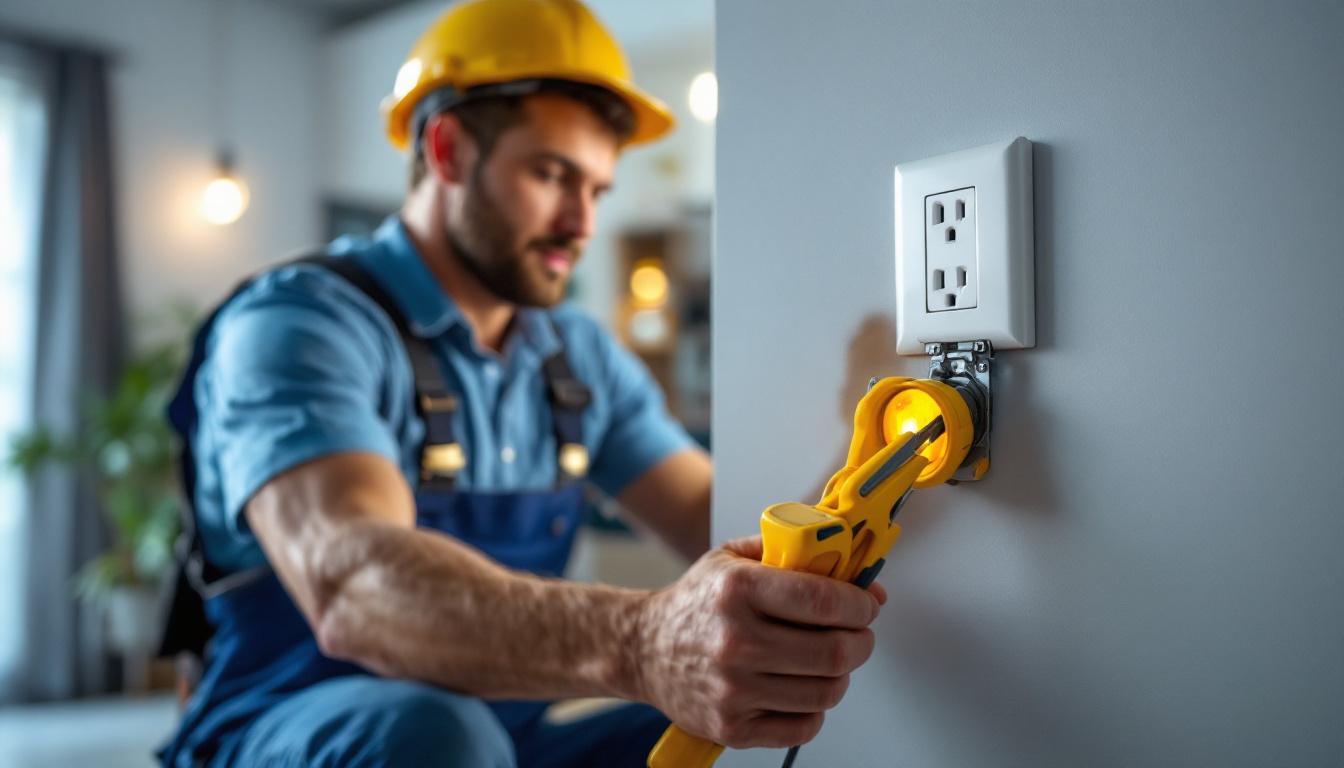
Once installed, each convenience outlet duplex should be tested thoroughly. Using a receptacle tester can quickly identify wiring errors such as open grounds, reversed polarity, or open neutrals. Lighting contractors should also verify that GFCI outlets trip and reset correctly, ensuring proper protection.
Documenting test results and installation details supports quality assurance and provides valuable information for future maintenance or troubleshooting. This practice enhances professionalism and client confidence in the contractor’s work. Additionally, keeping a record of any modifications made during installation can be beneficial for future reference, especially in complex projects where multiple trades are involved.
Moreover, contractors should consider providing clients with a brief overview of the testing process and results, which can serve as an educational opportunity and reinforce the importance of safety in electrical installations. This transparency not only builds trust but also empowers clients to understand their electrical systems better, fostering a collaborative relationship that can lead to future projects and referrals.
Common Challenges and Solutions
Dealing with Limited Space
In many installations, especially in older buildings, space within electrical boxes can be limited. This constraint can complicate wiring and mounting of convenience outlet duplexes. Lighting contractors should use compact wiring techniques, such as neatly looping wires and avoiding excessive wire length, to fit all conductors safely within the box.
When space is insufficient, upgrading to a larger electrical box or installing a surface-mounted box may be necessary. These solutions can prevent overcrowding, which is a common cause of electrical faults and fire hazards.
Addressing Compatibility with Lighting Controls
Modern lighting systems often incorporate dimmers, sensors, and smart controls that may interact with convenience outlet duplexes. Lighting contractors should ensure that outlets are compatible with these devices, particularly when outlets are used to power lighting-related equipment.
For example, some dimmer switches can cause flickering or interference if connected to certain types of outlets or loads. Consulting manufacturer specifications and conducting compatibility tests can prevent these issues and enhance system performance.
Advancements and Innovations in Outlet Technology
Smart Convenience Outlet Duplexes
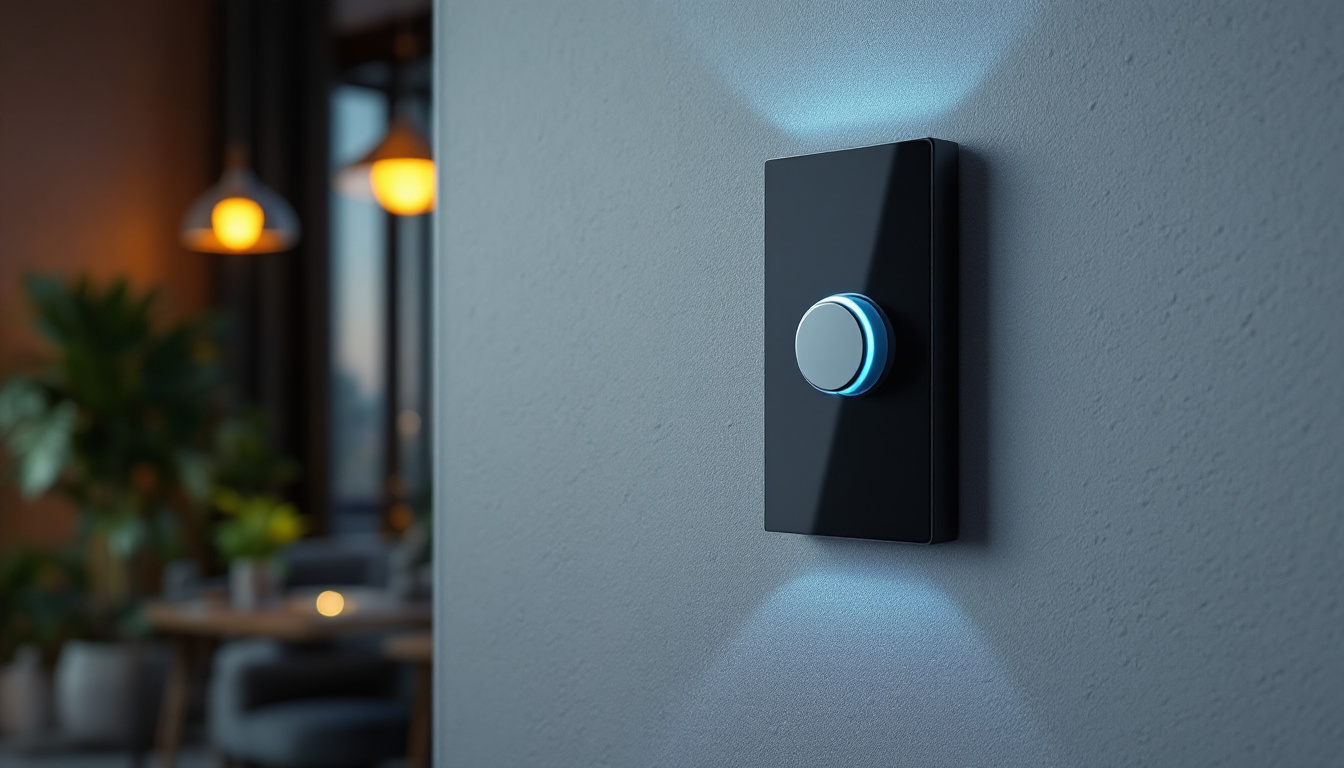
The rise of smart home technology has introduced convenience outlet duplexes with integrated features such as Wi-Fi connectivity, remote control, and energy monitoring. These smart outlets allow users to control devices via smartphone apps, set schedules, and track energy consumption, adding value and convenience.
Lighting contractors should familiarize themselves with the installation and configuration of smart outlets, as demand for these products continues to grow. Proper integration with existing electrical and lighting systems is key to maximizing their benefits.
Enhanced Safety Features
Newer convenience outlet duplexes often incorporate advanced safety features beyond standard GFCI protection. Arc-fault circuit interrupter (AFCI) outlets, for example, detect electrical arcs that can cause fires and shut off power automatically. These devices are increasingly required by electrical codes in certain areas of a building.
Lighting contractors should stay informed about these evolving safety technologies and incorporate them into their installations to provide clients with the highest level of protection.
Conclusion: Elevating Expertise with Convenience Outlet Duplexes
For lighting contractors, mastering the nuances of convenience outlet duplexes is a strategic advantage. These outlets are fundamental to electrical systems, and their proper selection, installation, and maintenance directly impact safety, functionality, and client satisfaction.
By adhering to technical specifications, complying with electrical codes, and embracing new technologies, contractors can deliver superior results that stand the test of time. Continuous education and attention to detail in handling convenience outlet duplexes will enhance professional reputation and open doors to more complex and rewarding projects.
Get Your Spec-Grade Lighting Products at LumenWholesale
Ready to elevate your lighting projects with the highest quality convenience outlet duplexes? Look no further than LumenWholesale, where we provide contractors with spec-grade lighting products at unbeatable wholesale prices. Our selection is designed to meet the most rigorous industry standards, ensuring that you have access to reliable and high-performance lighting solutions for every installation. Plus, with free shipping on bulk orders, you can stock up on premium lighting essentials without worrying about hidden fees or compromises. Take advantage of our exceptional value and convenience today by visiting Wholesale Lighting at the Best Value and make your next project shine with LumenWholesale.