Understanding the Essentials of Contractor Lighting
Lighting contractors play a pivotal role in shaping the ambiance, functionality, and safety of residential, commercial, and industrial spaces. Mastery over contractor lighting not only involves technical knowledge but also an understanding of client needs, energy efficiency, and the latest industry standards.
Before diving into installation, it is crucial to assess the project scope thoroughly. This includes evaluating the space’s dimensions, natural light availability, and intended use. Such an assessment ensures that the lighting design complements the environment and meets the client’s expectations. For instance, in a commercial setting, the lighting must be bright enough to enhance productivity while also creating a welcoming atmosphere for clients and customers. In contrast, residential spaces may require softer, warmer tones to foster comfort and relaxation.
Moreover, staying updated with the National Electrical Code (NEC) and local regulations is essential to guarantee compliance and safety. Lighting contractors must balance aesthetics with practicality, ensuring installations are both visually appealing and functionally reliable. This balance is particularly important in spaces that serve multiple purposes, such as community centers or multi-use facilities, where lighting needs may shift throughout the day.
Why Quality Matters in Contractor Lighting
Using high-quality lighting fixtures and materials can significantly reduce maintenance costs and improve longevity. Inferior products often lead to premature failures, increased warranty claims, and dissatisfied clients. Investing in reputable brands and certified products enhances credibility and customer trust. Furthermore, quality fixtures often come with better warranties and customer support, which can be invaluable in the event of issues arising post-installation.
Additionally, quality lighting contributes to better energy efficiency and environmental sustainability. Modern LED technology, for example, offers superior illumination with lower power consumption, which benefits both contractors and end-users. Beyond energy savings, high-quality lighting options can also incorporate smart technology, allowing for automation and remote control. This not only enhances user convenience but also provides opportunities for further energy savings through adaptive lighting solutions that adjust based on occupancy or time of day. Such advancements in lighting technology are transforming how spaces are illuminated, making it imperative for contractors to stay informed about the latest innovations and trends in the industry.
Key Tips for Efficient Lighting Installation
Plan Thoroughly Before Installation
Successful lighting projects begin with meticulous planning. Contractors should create detailed lighting layouts that include fixture types, placement, and wiring routes. Utilizing digital tools and software for 3D modeling can help visualize the final outcome and identify potential issues early.
Collaborating with architects, interior designers, and electricians during the planning phase fosters a cohesive approach. This teamwork ensures that lighting integrates seamlessly with other building systems and design elements. Additionally, considering the specific needs of the space—such as the intended use of each area and the preferences of the occupants—can lead to more tailored and effective lighting solutions. For instance, a workspace may require brighter, more focused lighting to enhance productivity, while a living area may benefit from softer, ambient lighting to create a relaxing atmosphere.
Prioritize Safety and Compliance
Safety is non-negotiable in lighting installations. Contractors must adhere strictly to electrical codes and standards, including proper grounding, circuit protection, and correct wire sizing. Regular inspections and testing during and after installation help detect faults and prevent hazards.
Using personal protective equipment (PPE) and following safe work practices minimize risks on-site. Training and certification programs also keep contractors informed about evolving safety protocols. Furthermore, it is essential to stay updated on local regulations and industry best practices, as these can vary significantly by region. Engaging with local safety organizations or attending workshops can provide valuable insights into maintaining a safe working environment and ensuring compliance with the latest safety standards.
Optimize for Energy Efficiency
Energy efficiency is a top priority for many clients, driven by cost savings and environmental concerns. Lighting contractors should recommend LED fixtures, occupancy sensors, and dimming controls to reduce energy consumption without compromising illumination quality.
Incorporating daylight harvesting techniques, which adjust artificial lighting based on natural light levels, can further enhance efficiency. These strategies not only lower utility bills but also contribute to green building certifications such as LEED. Additionally, educating clients about the long-term benefits of energy-efficient lighting, such as reduced maintenance costs and longer fixture lifespans, can help them make informed decisions. Providing case studies or examples of successful energy-efficient installations can also inspire confidence in the proposed solutions, demonstrating their effectiveness and sustainability in real-world applications.
Choosing the Right Lighting Fixtures and Technologies
LED vs. Traditional Lighting
LED lighting has become the industry standard due to its longevity, energy savings, and versatility. Compared to incandescent or fluorescent bulbs, LEDs offer faster startup times, reduced heat output, and a broader range of color temperatures.
However, understanding the specific requirements of each project is vital. For instance, certain applications may benefit from tunable white LEDs that adjust color temperature to mimic natural light, enhancing occupant comfort and productivity. Additionally, the ability to create dynamic lighting scenarios can significantly influence mood and functionality in spaces such as offices, schools, and healthcare facilities. By integrating daylight sensors and occupancy detection, LED systems can further optimize energy use, ensuring that lights are only on when needed, thus contributing to sustainability goals.
Smart Lighting Solutions
Smart lighting systems are gaining traction in both commercial and residential markets. These systems allow remote control, scheduling, and customization via smartphone apps or building management systems. For contractors, installing smart lighting requires familiarity with networking protocols and integration techniques.
Offering smart lighting options can differentiate a contractor’s services, appealing to tech-savvy clients and those seeking advanced energy management solutions. Moreover, the integration of smart lighting with other IoT devices can lead to enhanced energy efficiency and convenience. For example, linking lighting to smart thermostats can create a cohesive environment that adjusts not only lighting but also heating and cooling based on occupancy and time of day, further reducing energy costs and improving user experience.
Fixture Selection Based on Environment
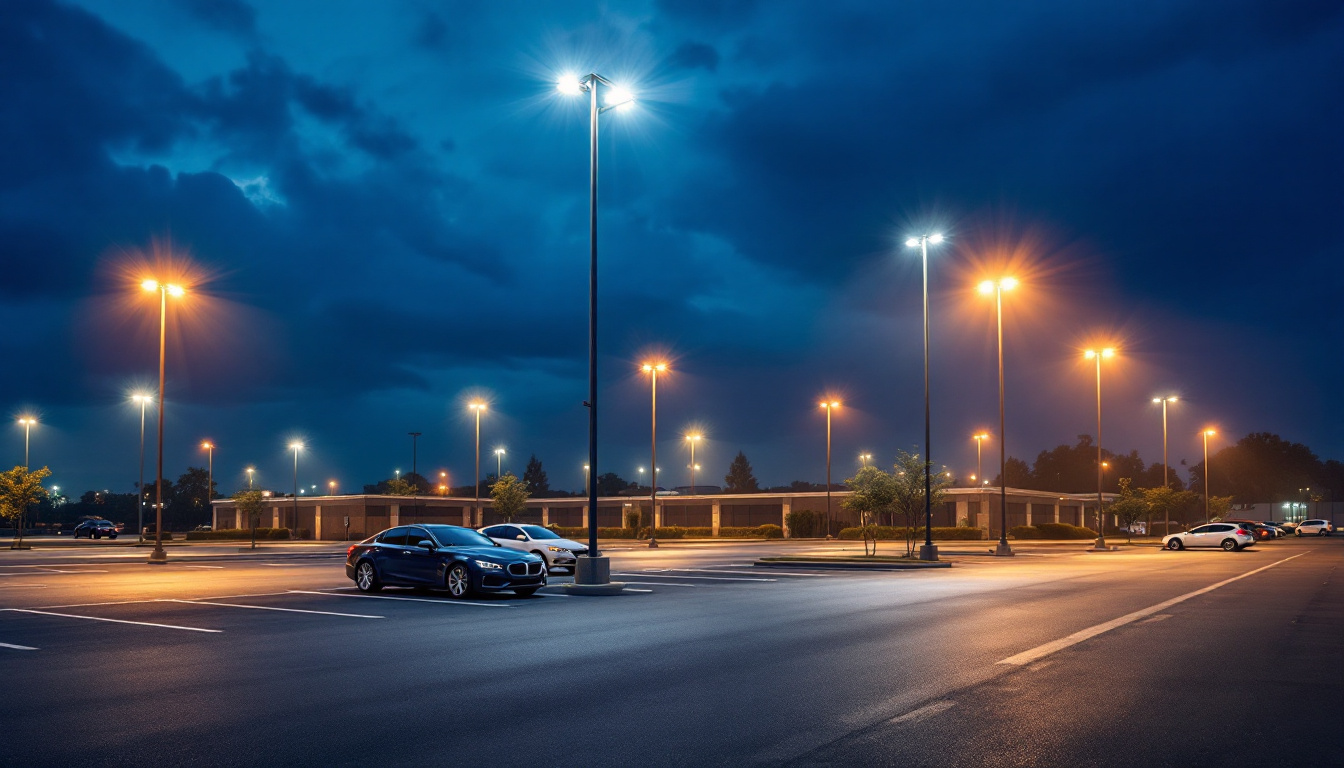
Different environments demand specific lighting fixtures. For example, wet or damp locations require fixtures with appropriate ingress protection (IP) ratings to prevent moisture damage. Industrial settings might need rugged, impact-resistant fixtures that withstand harsh conditions.
Understanding these nuances ensures that lighting installations are durable, safe, and fit for purpose. Consulting manufacturer specifications and conducting site evaluations support informed fixture selection. Additionally, considering the aesthetic aspects of fixtures is crucial, particularly in commercial spaces where branding and ambiance play significant roles. The right lighting can enhance architectural features and create a welcoming atmosphere, making it essential to balance functionality with design. Furthermore, energy-efficient options, such as solar-powered fixtures for outdoor spaces, can provide sustainable solutions that reduce reliance on grid power while still delivering effective illumination.
Maintenance and Troubleshooting Tips for Lighting Contractors
Routine Maintenance Practices
Regular maintenance extends the lifespan of lighting systems and maintains optimal performance. Contractors should advise clients on cleaning fixtures, checking connections, and replacing components as needed. Scheduled inspections can identify early signs of wear or damage. Additionally, it’s essential to consider the environment in which the lighting systems operate; for instance, outdoor fixtures may require more frequent cleaning due to exposure to dust, moisture, and other elements that can affect their functionality.
Documenting maintenance activities helps track system health and supports warranty claims. Providing clients with maintenance guides or training can empower them to manage basic upkeep effectively. This not only fosters a sense of ownership but also encourages clients to report any irregularities promptly. Furthermore, contractors can offer seasonal maintenance packages that include comprehensive checks and updates, ensuring that all systems are functioning at peak efficiency throughout the year.
Common Troubleshooting Scenarios
Lighting contractors frequently encounter issues such as flickering lights, dimming problems, or complete outages. Diagnosing these problems requires a systematic approach, starting with verifying power supply and connections. In some cases, the issue may be as simple as a loose bulb or a tripped circuit breaker, but it’s crucial to conduct a thorough investigation to rule out more complex problems.
Other common causes include faulty ballasts, incompatible dimmers, or damaged wiring. Using diagnostic tools like multimeters and thermal cameras can expedite fault detection. Prompt resolution minimizes downtime and enhances client satisfaction. Additionally, contractors should be aware of the latest advancements in lighting technology, such as smart lighting systems that may introduce unique troubleshooting scenarios. Understanding these modern systems can help contractors provide better service and adapt to the evolving needs of their clients, ensuring they remain competitive in the industry.
Enhancing Client Relationships and Business Growth
Clear Communication and Expectation Management
Transparent communication throughout the project lifecycle builds trust and reduces misunderstandings. Contractors should provide detailed quotes, timelines, and scope descriptions. Keeping clients informed about progress and any challenges fosters a collaborative atmosphere.
Setting realistic expectations regarding costs, installation complexity, and maintenance needs helps prevent disputes and promotes long-term partnerships.
Continuing Education and Industry Networking
The lighting industry is dynamic, with continuous advancements in technology and regulations. Contractors who invest in ongoing education through workshops, certifications, and trade shows remain competitive and knowledgeable.
Networking with peers, suppliers, and industry experts opens opportunities for collaboration and access to cutting-edge products. Staying connected also helps contractors anticipate market trends and client demands.
Leveraging Digital Marketing and Online Presence
In today’s digital age, a strong online presence is vital for attracting new clients. Lighting contractors should maintain professional websites showcasing portfolios, testimonials, and service offerings. Utilizing social media platforms to share project highlights and industry insights can engage potential customers.
Online reviews and search engine optimization (SEO) strategies enhance visibility and credibility. Embracing digital marketing complements traditional word-of-mouth referrals, expanding business reach.
Conclusion
Lighting contractors operate at the intersection of technology, design, and client service. By mastering essential installation techniques, prioritizing safety and efficiency, and embracing modern lighting technologies, contractors can deliver superior results that satisfy clients and stand the test of time.
Ongoing education, effective communication, and strategic business practices further empower lighting contractors to thrive in a competitive marketplace. With these quick tips, contractors are well-equipped to illuminate spaces brilliantly and build lasting professional success.
Illuminate Your Projects with LumenWholesale
Ready to elevate your lighting installations with products that blend quality, affordability, and convenience? Look no further than LumenWholesale. We provide contractors with spec-grade lighting solutions at unbeatable wholesale prices, ensuring every space you illuminate impresses clients and stands the test of time. Say goodbye to middlemen and inflated markups, and hello to a vast selection of reliable, high-performance lighting. Plus, with free shipping on bulk orders, you can stock up on premium lighting without any hidden fees. Don’t compromise on quality or cost—visit LumenWholesale for Wholesale Lighting at the Best Value and make your next project shine.