Introduction to Over The Cabinet Lighting
Over the cabinet lighting has become a popular design element in both residential and commercial spaces, offering a subtle yet impactful way to enhance ambiance and functionality. For lighting contractors, understanding the nuances of this lighting technique is essential to delivering high-quality installations that meet client expectations and comply with electrical standards.
This guide provides a comprehensive overview of over the cabinet lighting, covering design considerations, installation best practices, product selection, and troubleshooting tips. By mastering these elements, contractors can ensure efficient project execution and elevate the overall lighting experience for their clients.
One of the primary advantages of over the cabinet lighting is its ability to create a warm and inviting atmosphere while also providing practical illumination for tasks performed in kitchens, workspaces, and retail environments. The right lighting can highlight architectural features, showcase decorative items, and even improve safety by illuminating potentially hazardous areas. Moreover, with the advent of energy-efficient LED technology, contractors can offer clients sustainable options that not only reduce energy consumption but also lower long-term maintenance costs.
In addition to aesthetic and functional benefits, over the cabinet lighting can be customized to suit various design styles, from modern minimalism to rustic charm. By selecting fixtures that complement the overall decor, contractors can help clients achieve a cohesive look that enhances their space. Furthermore, incorporating dimmers or smart lighting controls can provide clients with the flexibility to adjust the brightness according to their needs, making it an ideal solution for both everyday use and special occasions. As the demand for versatile and stylish lighting solutions continues to grow, staying informed about the latest trends and technologies in over the cabinet lighting will be crucial for contractors aiming to stay competitive in the market.
Understanding the Purpose and Benefits
Enhancing Aesthetics and Ambiance
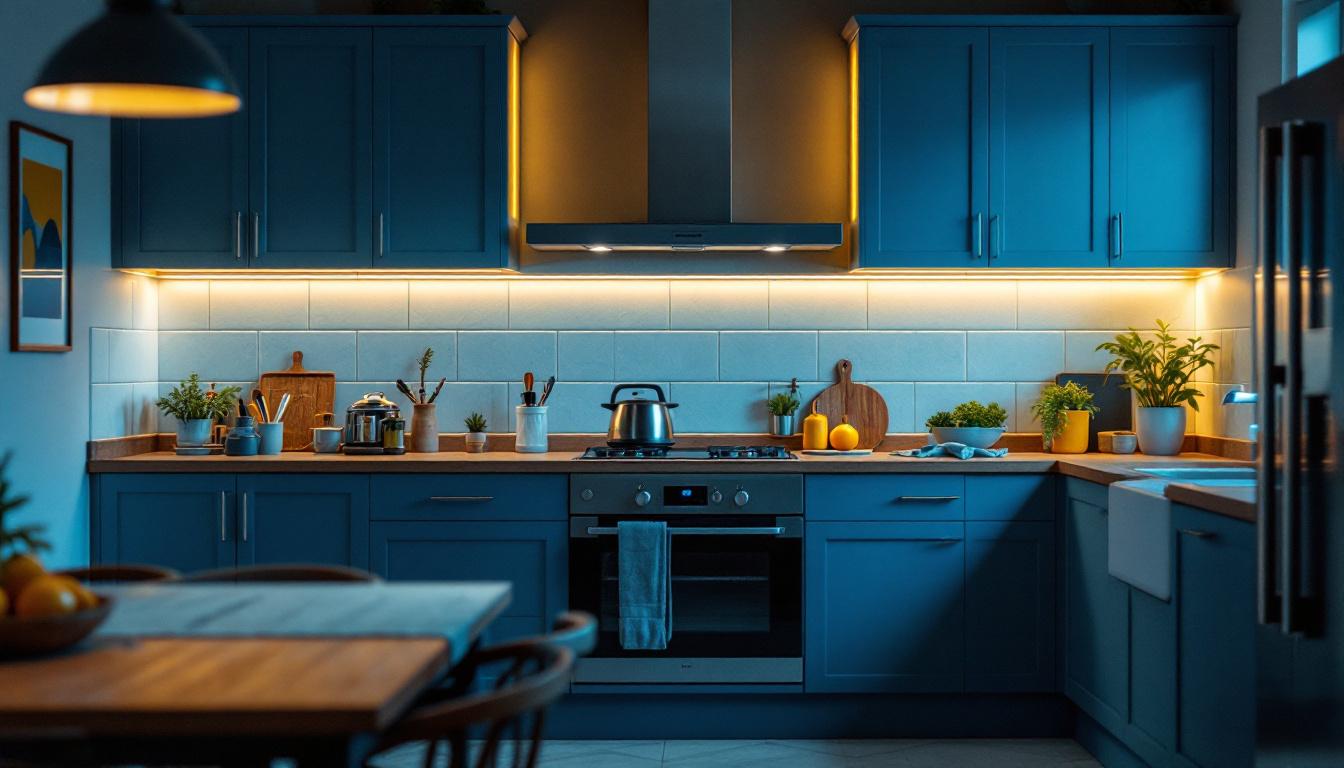
Over the cabinet lighting primarily serves as accent lighting, creating a warm glow above kitchen cabinets that adds depth and dimension to the space. This type of lighting softly illuminates the ceiling and upper walls, contributing to a layered lighting scheme that enhances the room’s visual appeal. The gentle illumination can also serve to highlight decorative items or artwork displayed on top of the cabinets, turning an often-overlooked area into a focal point of the kitchen.
For clients seeking a modern or transitional look, over the cabinet lighting can highlight architectural details and complement other light sources such as recessed or pendant lights. It also helps to visually increase ceiling height, making rooms feel more spacious and inviting. Furthermore, the choice of light color—whether warm white, cool white, or even colored LEDs—can dramatically alter the mood of the kitchen, allowing homeowners to customize their space according to their personal style and the occasion, whether it be a cozy family dinner or a lively gathering with friends.
Functional Advantages
Beyond aesthetics, over the cabinet lighting offers practical benefits. It provides indirect illumination that reduces shadows and glare, improving overall visibility in kitchens and work areas. This can be particularly valuable in spaces where task lighting alone may not suffice. The soft light can make food preparation safer and more enjoyable, allowing cooks to see their ingredients clearly without harsh lighting that can cause eye strain.
Additionally, when paired with dimmers or smart controls, this lighting type allows users to adjust brightness levels according to time of day or activity, enhancing comfort and energy efficiency. For instance, during the day, a brighter setting can invigorate the space, while a softer glow in the evening can create a relaxing atmosphere for winding down. Moreover, integrating over the cabinet lighting with home automation systems can provide convenience, enabling homeowners to control their lighting with voice commands or mobile apps, thus merging functionality with modern technology for a seamless living experience.
Design Considerations for Lighting Contractors
Assessing Cabinet and Ceiling Configuration
Before selecting lighting fixtures, contractors must evaluate the physical layout of the cabinets and ceiling. Key factors include the height and depth of the cabinets, the distance to the ceiling, and the presence of crown molding or soffits. These elements influence fixture placement and light distribution.
For example, if there is a significant gap between the top of the cabinets and the ceiling, contractors may recommend linear LED strips or rope lights that can be concealed easily and provide even illumination. Conversely, narrow gaps might require low-profile fixtures or puck lights. Additionally, considering the overall style of the kitchen or space is essential; traditional designs may benefit from ornate fixtures that complement the cabinetry, while modern aesthetics might lean towards sleek, minimalist designs that emphasize clean lines and simplicity.
Choosing the Right Color Temperature and CRI
Color temperature plays a critical role in achieving the desired ambiance. Most over the cabinet lighting applications benefit from warm white light (2700K to 3000K), which complements wood tones and creates a cozy atmosphere. However, cooler temperatures may be appropriate in contemporary or minimalist designs.
Contractors should also consider the Color Rendering Index (CRI) of the fixtures. A CRI above 80 is generally recommended to ensure colors appear natural and vibrant under the lighting. In addition to these considerations, it’s important to think about how the color temperature can affect the mood of the space. For instance, cooler temperatures can enhance focus and alertness, making them ideal for workspaces, while warmer tones can foster relaxation and comfort, perfect for dining areas or living spaces.
Energy Efficiency and Sustainability
With increasing emphasis on energy conservation, LED technology is the preferred choice for over the cabinet lighting. LEDs offer long lifespans, low heat emission, and minimal power consumption, making them cost-effective over time.
Contractors should advise clients on selecting ENERGY STAR® certified products and integrating lighting controls such as occupancy sensors or timers to further reduce energy usage. Moreover, exploring smart lighting solutions can provide additional benefits, allowing homeowners to customize their lighting settings through mobile apps or voice commands. This not only enhances convenience but also promotes a sustainable lifestyle by enabling users to monitor and adjust their energy consumption in real-time, aligning with the growing trend towards smart home integration.
Installation Best Practices
Wiring and Electrical Safety
Proper wiring is essential to ensure safety and compliance with electrical codes. Contractors must verify that circuits can handle additional loads and use appropriate gauge wiring. All connections should be secure, and junction boxes must be accessible for maintenance.
When installing LED strips or puck lights, it’s important to use compatible drivers and transformers. Overloading or mismatched components can lead to premature failure or fire hazards.
Mounting Techniques and Fixture Placement
Mounting fixtures securely is crucial to prevent sagging or detachment over time. Adhesive-backed LED strips should be applied to clean, dry surfaces, and supplementary mechanical fasteners may be used for added stability.
Contractors should position fixtures to avoid direct line-of-sight glare while maximizing light reflection off the ceiling. This often involves installing lights near the back edge of the cabinet tops or behind crown molding.
Integration with Smart Home Systems
Modern clients increasingly expect smart lighting solutions. Contractors can enhance the value of over the cabinet lighting by integrating it with home automation platforms, allowing remote control, scheduling, and scene setting.
Compatibility with voice assistants and mobile apps can be a strong selling point, and contractors should be familiar with popular protocols such as Zigbee, Z-Wave, or Wi-Fi-based systems.
Product Selection and Recommendations
LED Strip Lights
LED strip lights are among the most versatile options for over the cabinet lighting. They come in various widths, densities (LEDs per meter), and waterproof ratings, allowing customization for different environments.
High-density strips provide smoother light output and reduce visible hotspots, while adjustable color temperature strips offer flexibility. Selecting strips with a strong adhesive backing and easy cut-to-length features simplifies installation.
Puck Lights and Linear Fixtures
Puck lights are small, round fixtures that can be recessed or surface-mounted. They provide focused pools of light and are ideal for highlighting specific cabinet areas or architectural features.
Linear fixtures, such as slim LED bars, offer uniform illumination and are suitable for longer cabinet runs. Many linear fixtures come with diffusers that soften light and improve aesthetics.
Accessories and Controls
Dimmer switches, remote controls, and motion sensors enhance the functionality of over the cabinet lighting. Contractors should select accessories compatible with the chosen fixtures and ensure easy user operation.
Power supplies and connectors should be rated for the total wattage and length of the lighting run to avoid voltage drop and flickering.
Troubleshooting Common Issues
Flickering and Dimming Problems
Flickering lights often result from incompatible dimmers, loose connections, or voltage fluctuations. Contractors should verify that dimmers are LED-compatible and check all wiring for secure contacts.
In cases of dimming failure, testing the driver and replacing faulty components can restore proper function.
Uneven Light Distribution
Uneven illumination may be caused by inconsistent LED spacing, improper mounting, or shadows cast by cabinet features. Repositioning fixtures and using diffusers can help achieve uniform light output.
Ensuring the lighting source is concealed from direct view also reduces glare and hotspots.
Heat Management
Although LEDs generate less heat than traditional bulbs, poor ventilation can cause overheating, reducing lifespan and performance. Contractors should allow adequate airflow around fixtures and avoid enclosing LED strips in tight spaces.
Conclusion
Over the cabinet lighting is a valuable addition to any lighting design, offering both aesthetic and functional benefits. For lighting contractors, expertise in product selection, installation techniques, and troubleshooting is crucial to delivering successful projects.
By staying informed about the latest technologies and industry standards, contractors can provide clients with efficient, attractive, and reliable lighting solutions that enhance the overall environment.
Illuminate Your Projects with LumenWholesale
Ready to elevate your over the cabinet lighting installations with the finest products on the market? Look no further than LumenWholesale, where we specialize in providing lighting contractors with spec-grade lighting solutions at unbeatable wholesale prices. Our commitment to quality and affordability ensures that you can deliver exceptional lighting designs without the burden of inflated costs. Plus, with free shipping on bulk orders, you can stock up on all the lighting essentials you need to make each project shine. Don’t settle for less—choose LumenWholesale for Wholesale Lighting at the Best Value and experience the difference that premium lighting can make.