Color Changing LED Landscape Lighting: The Do’s and Don’ts for Lighting Contractors
Color changing LED landscape lighting has revolutionized the way outdoor spaces are illuminated, offering dynamic and customizable lighting solutions that enhance aesthetics, safety, and ambiance. For lighting contractors, mastering the installation and maintenance of these systems is essential to meet client expectations and ensure long-term performance. This comprehensive guide explores the key do’s and don’ts of working with color changing LED landscape lighting, providing practical advice, technical insights, and industry best practices.
Understanding Color Changing LED Landscape Lighting
What Makes Color Changing LEDs Unique?
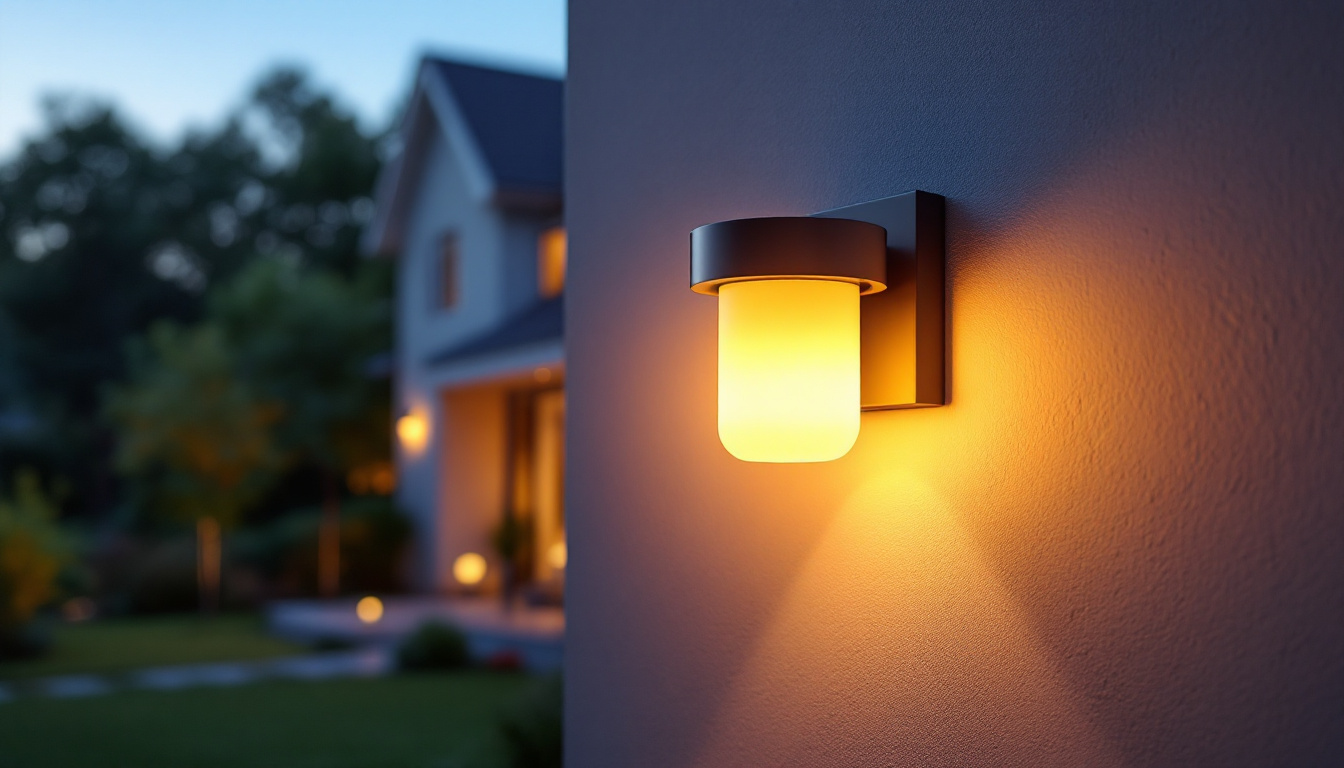
Color changing LED landscape lighting utilizes advanced LED technology combined with RGB (Red, Green, Blue) or RGBW (Red, Green, Blue, White) diodes to produce a wide spectrum of colors. Unlike traditional single-color LED fixtures, these lights can shift seamlessly between hues, enabling dynamic effects such as fades, flashes, and color cycles. This flexibility allows homeowners and businesses to customize their outdoor environment for holidays, events, or daily ambiance. For instance, during the festive season, a homeowner can set their landscape lights to a warm red and green for Christmas, while transitioning to soft pastels for springtime gatherings.
From a contractor’s perspective, understanding the technology behind these fixtures is crucial. RGB LEDs rely on mixing different intensities of red, green, and blue light to create colors, while RGBW adds a dedicated white diode for more natural and vibrant whites. Controllers and smart hubs play a pivotal role in managing these color transitions, often integrating with mobile apps or home automation systems. This integration not only allows for real-time adjustments but also enables pre-programmed schedules, ensuring that the lighting can adapt to the changing seasons or specific occasions without manual intervention.
Why Are Color Changing LEDs Popular in Landscape Lighting?
The surge in popularity of color changing LED landscape lighting is driven by several factors:
- Energy Efficiency: LEDs consume significantly less power than incandescent or halogen bulbs, reducing operating costs and environmental impact.
- Longevity: High-quality LEDs can last tens of thousands of hours, minimizing maintenance and replacement frequency.
- Customization: The ability to tailor color schemes and effects offers clients unparalleled personalization.
- Smart Integration: Many systems support remote control and automation, enhancing convenience and user experience.
For contractors, these benefits translate into opportunities to offer innovative solutions that differentiate their services and satisfy evolving client demands. Moreover, the aesthetic appeal of color changing LEDs can significantly enhance the visual impact of a landscape, drawing attention to architectural features or landscaping elements that might otherwise go unnoticed. For example, a well-placed color changing light can highlight a beautiful tree or water feature, creating a stunning focal point that transforms the outdoor space into a captivating environment at night.
Additionally, the versatility of these lights extends beyond mere decoration; they can also serve practical purposes. For instance, color changing LEDs can be programmed to emit brighter, more alert colors during evening gatherings or events, ensuring safety and visibility, while softer hues can create a relaxing atmosphere for quiet evenings outdoors. This adaptability makes them an ideal choice for a wide range of settings, from residential gardens to commercial properties, where ambiance and functionality must go hand in hand.
“`html
The Do’s of Installing Color Changing LED Landscape Lighting
Do Conduct a Thorough Site Assessment
Before installation, a comprehensive site assessment is essential. Evaluate the landscape’s layout, existing electrical infrastructure, and client preferences. Identify focal points such as trees, pathways, water features, and architectural elements that will benefit from accent lighting.
Consider environmental factors like exposure to moisture, soil conditions, and potential sources of interference. This information guides fixture placement, wiring routes, and selection of weatherproof components. A detailed plan reduces the risk of costly adjustments and ensures optimal lighting performance.
Moreover, take note of seasonal changes in the landscape. For instance, certain plants may bloom in spring but become dormant in winter, altering the visual appeal of the space. By understanding how the landscape evolves throughout the year, you can strategically position lights to highlight seasonal features, ensuring that the lighting remains effective and engaging regardless of the time of year.
Do Choose Quality Fixtures and Components
Investing in high-quality fixtures and control systems is non-negotiable. Inferior products may exhibit poor color accuracy, reduced brightness, or premature failure. Look for LEDs with high Color Rendering Index (CRI) values to ensure vibrant and true-to-life colors.
Additionally, select fixtures rated for outdoor use with appropriate IP (Ingress Protection) ratings to withstand rain, dust, and temperature fluctuations. Durable materials such as die-cast aluminum or stainless steel housings enhance longevity. Reliable controllers and wiring accessories are equally important to maintain system integrity.
Furthermore, consider the aesthetic design of the fixtures themselves. Sleek, modern designs can complement contemporary landscapes, while more traditional styles may suit classic gardens. The right choice not only enhances functionality but also contributes to the overall visual harmony of the outdoor space, creating a cohesive look that aligns with the homeowner’s vision.
Do Follow Electrical Codes and Safety Standards
Compliance with local electrical codes and safety standards is critical. Use UL-listed or ETL-certified components and adhere to National Electrical Code (NEC) guidelines for outdoor lighting installations. Proper grounding, circuit protection, and waterproof connections prevent hazards and liability issues.
Ensure that low-voltage systems are installed with appropriate transformers and that wiring is buried or secured to avoid damage. Safety not only protects clients and contractors but also ensures the system’s durability.
In addition, it’s wise to keep abreast of any changes to local regulations or advancements in technology that may impact installation practices. Regularly updating your knowledge can help you provide the best service possible while ensuring compliance, which can be a significant selling point for clients concerned about safety and reliability.
Do Plan for User-Friendly Control Systems
Modern clients expect intuitive control over their lighting. Incorporate user-friendly interfaces such as smartphone apps, remote controls, or voice-activated systems. Provide training or documentation to help clients maximize their system’s capabilities.
Consider compatibility with popular smart home platforms like Apple HomeKit, Google Home, or Amazon Alexa. This integration enhances the perceived value of the installation and encourages repeat business.
Additionally, think about the potential for future upgrades. As technology evolves, clients may want to expand their systems with new features or additional fixtures. Designing a flexible control system that can easily accommodate these changes will not only satisfy current client needs but also position you as a forward-thinking installer who prioritizes long-term satisfaction.
Do Test and Calibrate the System Thoroughly
After installation, conduct comprehensive testing to verify that all fixtures respond correctly to control inputs and that colors display accurately. Calibrate the system to balance brightness and color transitions, ensuring smooth and appealing effects.
Document the system settings and provide clients with guidance on maintenance and troubleshooting. A well-executed handover builds trust and reduces service calls.
Moreover, consider scheduling a follow-up visit a few weeks after installation to assess the system’s performance in real-world conditions. This not only demonstrates your commitment to quality but also allows you to make any necessary adjustments based on client feedback, ensuring that the lighting continues to meet their expectations as they experience it in different settings and times of day.
“`
The Don’ts of Installing Color Changing LED Landscape Lighting
Don’t Overlook Proper Wiring Practices
Improper wiring is a common cause of system failures. Avoid using undersized cables or splicing wires without proper connectors. Exposed or poorly insulated wiring can lead to shorts, corrosion, or electrical hazards.
Ensure all connections are waterproof and use cable management solutions to prevent tangling or damage. Neglecting wiring best practices compromises system reliability and client satisfaction.
Don’t Ignore the Importance of Lighting Design Principles
While color changing LEDs offer exciting possibilities, indiscriminate use can create visual clutter or detract from the landscape’s natural beauty. Avoid excessive brightness or overly saturated colors that may cause glare or discomfort.
Apply fundamental lighting design principles such as layering, focal points, and balance. Use color changes thoughtfully to highlight features or create moods without overwhelming the space.
Don’t Neglect Environmental Considerations
Outdoor lighting impacts local ecosystems, particularly nocturnal wildlife. Avoid excessive blue light, which can disrupt animal behavior and plant growth. Use warm color temperatures and shield fixtures to minimize light pollution and skyglow.
Consult environmental guidelines and educate clients on responsible lighting practices. Sustainable installations enhance community goodwill and comply with increasingly stringent regulations.
Don’t Forget to Account for Future Maintenance
Design installations with maintenance access in mind. Avoid burying fixtures or wiring in locations that are difficult to reach. Provide clients with clear instructions on cleaning, bulb replacement, and system updates.
Neglecting maintenance considerations can lead to premature system degradation and increased service costs, affecting your reputation and profitability.
Don’t Overpromise System Capabilities
Manage client expectations realistically. While color changing LED systems are versatile, they have limitations such as maximum wiring distances, controller capacities, and environmental constraints.
Provide transparent information about what the system can and cannot do. Overpromising can result in dissatisfaction and damage professional credibility.
Best Practices for Long-Term Success
Stay Updated on Industry Trends and Technologies
The LED lighting industry evolves rapidly, with continuous improvements in efficiency, color quality, and control options. Engage in ongoing education through trade shows, manufacturer training, and industry publications.
Adopting the latest technologies and techniques enhances your competitive edge and ensures your installations remain state-of-the-art.
Build Strong Relationships with Suppliers
Reliable suppliers provide access to quality products, technical support, and warranty services. Establish partnerships that allow you to source components efficiently and troubleshoot issues effectively.
Good supplier relationships can also open doors to exclusive products or pricing advantages.
Offer Comprehensive Client Support
Beyond installation, provide maintenance contracts, system upgrades, and troubleshooting assistance. Responsive customer service fosters loyalty and generates referrals.
Consider creating user-friendly guides or videos that empower clients to operate their lighting systems confidently.
Document Every Project Thoroughly
Maintain detailed records including site plans, wiring diagrams, component specifications, and client communications. Documentation facilitates future repairs, upgrades, and warranty claims.
Well-organized project files also demonstrate professionalism and support continuous improvement.
Conclusion
Color changing LED landscape lighting presents exciting opportunities for lighting contractors to deliver innovative, energy-efficient, and visually stunning outdoor environments. Success in this niche requires a blend of technical expertise, design sensibility, and client-focused service.
By adhering to the do’s and don’ts outlined in this guide—conducting thorough assessments, selecting quality components, following safety standards, and respecting environmental and maintenance considerations—contractors can ensure their installations not only meet but exceed client expectations. Staying informed about industry advancements and nurturing strong supplier and client relationships will further solidify a contractor’s reputation in the competitive landscape lighting market.
Embracing these best practices will empower lighting professionals to harness the full potential of color changing LED technology and illuminate outdoor spaces with creativity, reliability, and lasting impact.
“`html
Illuminate with Excellence at LumenWholesale
Ready to elevate your landscape lighting projects with the vibrant versatility of color changing LED technology? At LumenWholesale, we provide lighting contractors with the highest quality, spec-grade lighting products at unbeatable wholesale prices. Say goodbye to local distributor markups and hello to superior lighting that meets the most rigorous industry standards. With our hassle-free bulk buying and free shipping, you can stock up on reliable, high-performance lighting without any hidden fees. Make your next project shine with the perfect blend of quality, affordability, and convenience. Discover the best value in wholesale lighting by visiting LumenWholesale today.
“`