Understanding Ceiling Panel LED Lights: A Foundation for Lighting Contractors
Ceiling panel LED lights have become a staple in modern lighting design, especially in commercial and institutional environments. For lighting contractors, understanding the nuances of these fixtures is essential to delivering efficient, aesthetically pleasing, and code-compliant installations. Unlike traditional fluorescent fixtures, LED ceiling panels offer enhanced energy efficiency, longer lifespan, and superior light quality, making them a preferred choice for many projects.
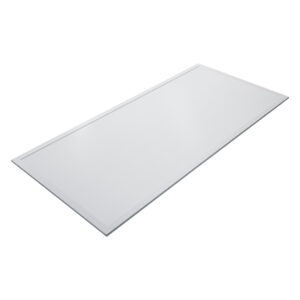
These fixtures typically come in standardized sizes such as 600×600 mm or 1200×300 mm, designed to fit seamlessly into suspended ceiling grids. Their slim profile and uniform light distribution make them ideal for offices, schools, hospitals, and retail spaces where glare reduction and consistent illumination are priorities. Additionally, many models are available in various color temperatures, ranging from warm white to cool daylight, allowing contractors to tailor the lighting to the specific ambiance desired by clients. This versatility not only enhances the aesthetic appeal of a space but also contributes to the overall functionality, ensuring that environments are conducive to productivity and well-being.
For contractors, familiarity with the technical specifications, installation requirements, and performance characteristics of ceiling panel LED lights is crucial. This knowledge not only facilitates smoother project execution but also ensures client satisfaction through optimal lighting solutions. Moreover, understanding the energy savings associated with LED technology can be a significant selling point. For instance, many ceiling panel LEDs consume up to 75% less energy than traditional fluorescent lights, resulting in substantial cost savings on electricity bills over time. This aspect is particularly appealing to businesses looking to reduce operational costs while also meeting sustainability goals.
Furthermore, the integration of smart technology into ceiling panel LED lights is an emerging trend that lighting contractors should be aware of. Many modern fixtures now come equipped with features such as dimming capabilities, motion sensors, and even smart connectivity, allowing users to control their lighting remotely via smartphones or smart home systems. This not only enhances user convenience but also contributes to energy efficiency by ensuring that lights are only on when needed. As the demand for smart lighting solutions continues to grow, contractors who are knowledgeable about these advancements will be better positioned to meet the evolving needs of their clients.
Key Technical Considerations for Installation
Light Output and Color Temperature
One of the first factors to evaluate when selecting ceiling panel LED lights is their luminous efficacy and color temperature. LEDs are rated by lumens rather than watts, so understanding the lumen output is vital to achieving the desired brightness levels. For typical office environments, a range of 3000 to 4000 lumens per panel is common, providing ample illumination without excessive glare.
Color temperature, measured in Kelvin (K), influences the ambiance of a space. Cooler temperatures (4000K to 5000K) are often preferred in workspaces for their crisp, energizing light, while warmer temperatures (2700K to 3500K) may be chosen for hospitality or residential settings to create a cozy atmosphere. Lighting contractors should consult with clients and consider the function of the space before finalizing the color temperature. Additionally, it’s worth noting that the perceived color of objects can change under different lighting conditions, which can affect the overall aesthetic of the room. Therefore, testing samples in the actual environment is advisable to ensure the selected color temperature aligns with the intended design vision.
Power Consumption and Energy Efficiency
Energy efficiency remains a top priority in lighting projects, both for cost savings and environmental impact. Ceiling panel LEDs typically consume 30-50% less energy compared to traditional fluorescent panels while delivering equal or better light output. Contractors should verify the fixture’s efficacy, expressed in lumens per watt (lm/W), to ensure energy-efficient selections.
Many LED panels come with integrated drivers that support dimming capabilities and compatibility with building management systems. Incorporating these features can enhance energy savings through adaptive lighting controls, which is a significant selling point for clients focused on sustainability. Furthermore, the longevity of LED technology—often rated for 50,000 hours or more—means that clients can expect reduced maintenance costs over time. This durability not only minimizes the frequency of replacements but also contributes to a lower carbon footprint, making LED lighting a responsible choice for eco-conscious projects.
Installation and Mounting Options
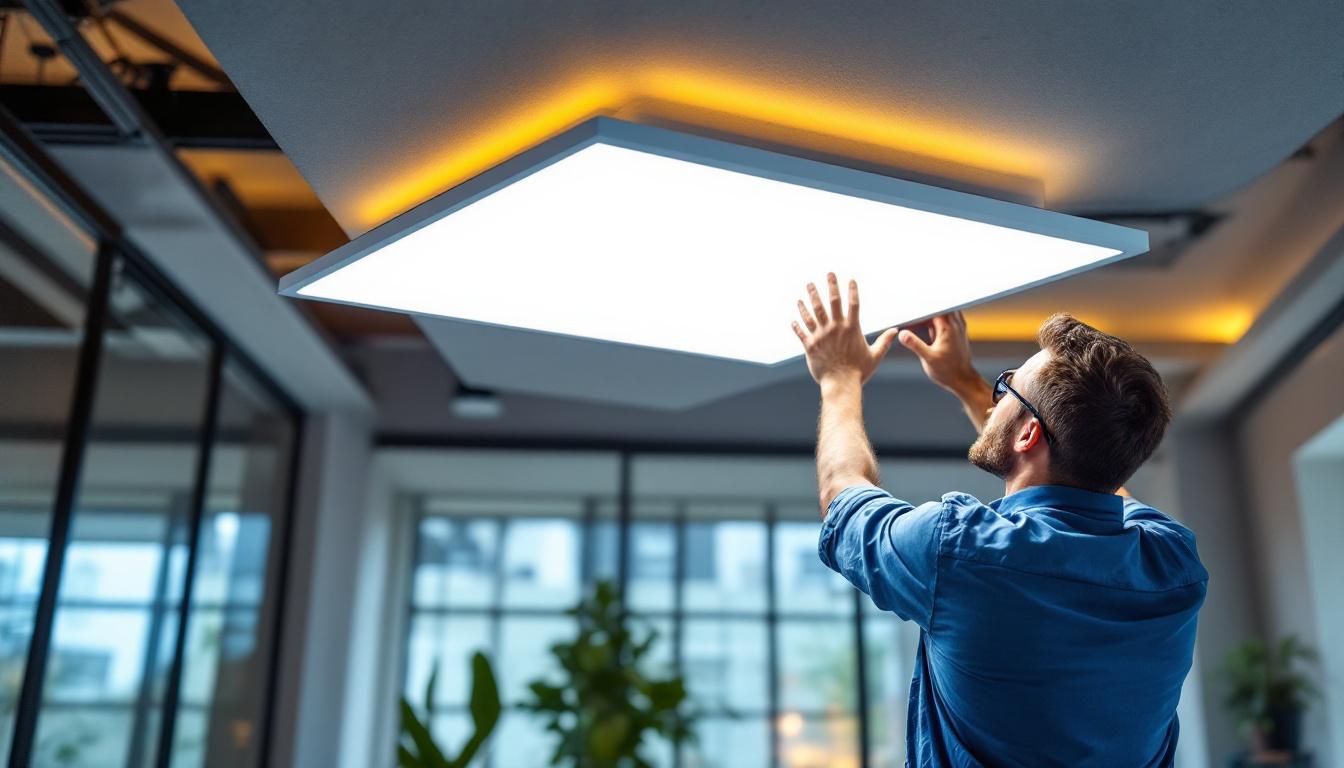
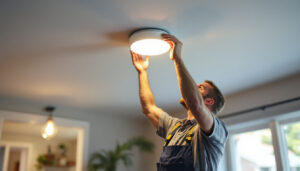
Ceiling panel LED lights are designed for easy installation, but contractors must be aware of the various mounting methods available. The most common approach is recessed mounting within a suspended ceiling grid, which provides a clean, flush finish. However, surface-mounted and suspended pendant options are also available, offering flexibility for different ceiling types and design preferences.
Proper installation requires attention to the fixture’s weight, dimensions, and electrical connections. Ensuring the ceiling grid can support the panel’s weight and that wiring complies with local electrical codes is paramount. Additionally, contractors should consider accessibility for maintenance and potential future upgrades during installation planning. It’s also beneficial to assess the layout of the space to optimize light distribution and minimize shadows, which can enhance the overall functionality of the lighting. In some cases, integrating smart technology for remote control and scheduling can further improve user experience and energy management, making it an attractive option for modern installations.
Compliance and Safety Standards
Building Codes and Certifications
Adherence to building codes and safety standards is non-negotiable for lighting contractors. Ceiling panel LED lights must comply with regulations such as UL or ETL listings for electrical safety, as well as energy codes like ASHRAE 90.1 or local equivalents. These certifications guarantee that the fixtures meet minimum performance and safety criteria.
Contractors should verify that the selected LED panels have the appropriate certifications before installation. This due diligence not only ensures legal compliance but also protects against potential liability issues arising from faulty or substandard products.
Fire Safety and Thermal Management
LED panels generate less heat than traditional lighting, but thermal management remains an important consideration. Overheating can reduce LED lifespan and pose fire risks. Quality LED panels incorporate heat sinks and ventilation features to dissipate heat effectively.
Contractors must ensure that fixtures are installed with adequate clearance and that ceiling materials are compatible with the panel’s thermal requirements. Additionally, some jurisdictions require fire-rated fixtures or barriers in certain ceiling assemblies, so familiarity with local fire codes is essential.
Design and Aesthetic Considerations
Light Distribution and Glare Control
Ceiling panel LED lights are prized for their uniform light distribution, which minimizes shadows and hotspots. This characteristic is particularly beneficial in environments where visual comfort is critical, such as offices and classrooms. Many panels feature diffusers made from materials like polycarbonate or acrylic that soften the light and reduce glare.
Lighting contractors should assess the diffuser type and light distribution pattern to match the project’s requirements. Some panels offer microprismatic or frosted diffusers that enhance glare control, which can improve occupant comfort and productivity.
Customization and Integration
Modern ceiling panel LEDs offer a range of customization options, including adjustable color temperatures, tunable white lighting, and integration with smart lighting controls. These features allow contractors to tailor lighting solutions to specific client needs and emerging trends in human-centric lighting.
Integration with daylight sensors, occupancy detectors, and centralized control systems can optimize energy use and adapt lighting conditions dynamically. Contractors who are proficient in these technologies can provide added value and differentiate their services in a competitive market.
Maintenance and Longevity
Durability and Lifespan
LED ceiling panels typically have lifespans ranging from 50,000 to 70,000 hours, significantly outlasting fluorescent alternatives. This longevity translates to reduced maintenance costs and fewer disruptions for building occupants. For lighting contractors, specifying high-quality LED panels with robust components ensures client satisfaction over the long term.
It is important to consider the quality of the LED chips, drivers, and housing materials, as these factors influence the fixture’s durability. Panels with replaceable drivers or modular designs can simplify future repairs and upgrades.
Cleaning and Accessibility
Maintaining the appearance and performance of ceiling panel lights requires periodic cleaning, especially in environments prone to dust or grease accumulation. Contractors should advise clients on appropriate cleaning methods and frequency to preserve light output and fixture aesthetics.
Designing installations with accessibility in mind facilitates maintenance activities. Quick-release mechanisms or hinged panels can reduce labor time and costs associated with cleaning or component replacement.
Economic and Environmental Impact
Cost-Benefit Analysis for Clients
While the upfront cost of ceiling panel LED lights may be higher than traditional fixtures, the total cost of ownership is typically lower due to energy savings and reduced maintenance. Lighting contractors can provide clients with detailed cost-benefit analyses that highlight payback periods and long-term financial advantages.
Incorporating LED panels into retrofit projects can also qualify for utility rebates and incentives, further enhancing the economic appeal. Contractors should stay informed about available programs and assist clients in navigating these opportunities.
Sustainability and Green Building Certifications
LED lighting contributes to sustainability goals by lowering energy consumption and reducing carbon footprints. Ceiling panel LEDs are often integral components in achieving green building certifications such as LEED or BREEAM. Lighting contractors who understand these frameworks can guide clients in selecting products and designs that support certification requirements.
Using recyclable materials and ensuring proper disposal of old fixtures aligns with environmental stewardship principles. Contractors can promote these practices as part of a comprehensive sustainable lighting strategy.
Conclusion: Best Practices for Lighting Contractors
Ceiling panel LED lights represent a versatile and efficient lighting solution that meets the demands of contemporary commercial and institutional spaces. For lighting contractors, mastering the technical, regulatory, and design aspects of these fixtures is essential to delivering high-quality installations that satisfy client expectations.
Key best practices include thorough evaluation of light output and color temperature, adherence to safety and energy codes, attention to installation details, and proactive maintenance planning. Additionally, embracing emerging technologies and sustainability considerations can position contractors as trusted experts in the evolving lighting industry.
By integrating these points into their workflow, lighting contractors can enhance project outcomes, optimize operational efficiency, and contribute to greener, more comfortable built environments.
Illuminate Your Projects with LumenWholesale
Ready to elevate your lighting installations with the finest ceiling panel LED lights on the market? Look no further than LumenWholesale, where we offer an extensive selection of spec-grade lighting products at unbeatable wholesale prices. Our commitment to quality, affordability, and convenience ensures that you can access the best lighting solutions for your projects without the hassle of middlemen or hidden fees. Plus, with free shipping on bulk orders, you can stock up on premium lighting with ease. Don’t compromise on performance or cost—choose LumenWholesale for lighting that truly shines. Wholesale Lighting at the Best Value.