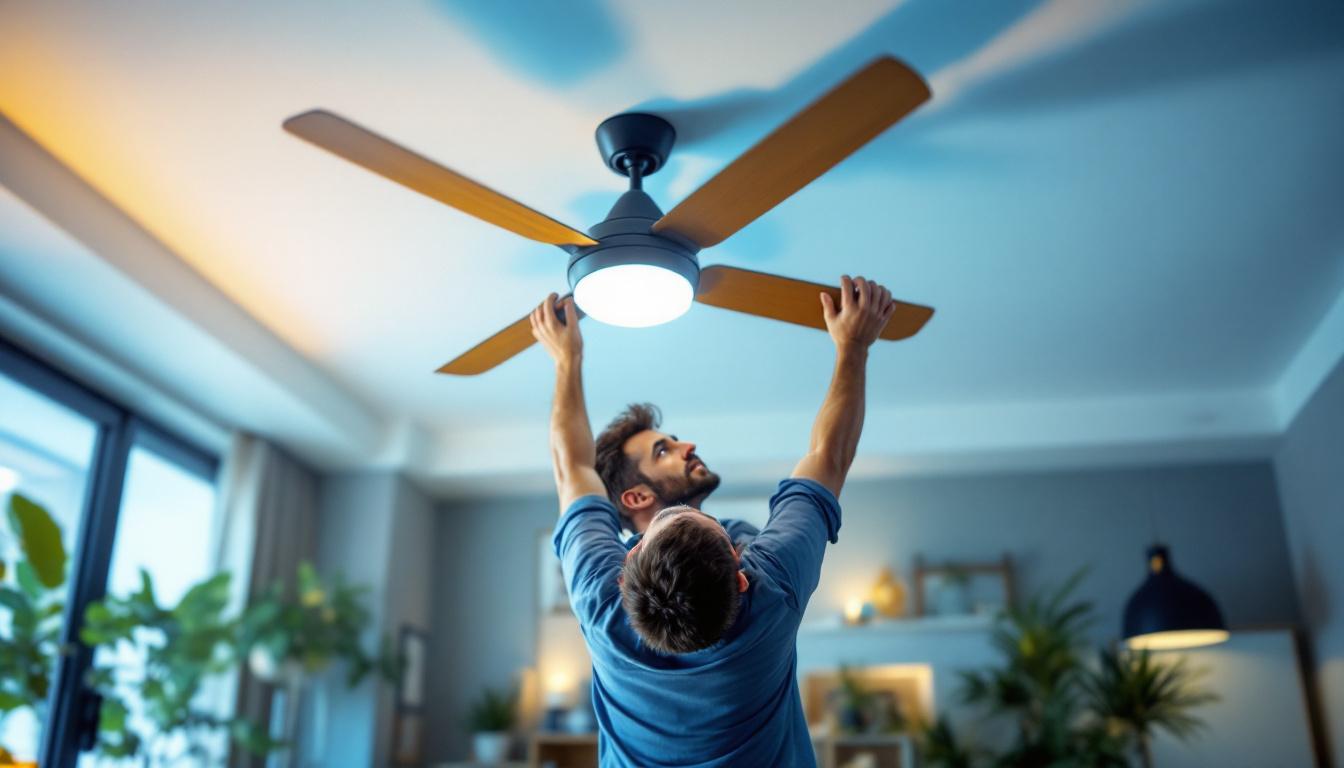
As the demand for energy-efficient and versatile lighting solutions continues to grow, ceiling fans have become an integral part of modern interior design and functionality. Lighting professionals play a crucial role in ensuring that ceiling fans are not only installed correctly but also controlled effectively to maximize their benefits. This article presents an essential checklist for lighting contractors to consider when working with ceiling fan controls, ensuring optimal performance and customer satisfaction.
Understanding Ceiling Fan Controls
Ceiling fan controls are essential for managing the operation of fans, allowing users to adjust speed, direction, and lighting features. Understanding the different types of controls available is vital for lighting professionals to recommend the best solutions for their clients. With the right controls, users can not only enhance their comfort but also optimize energy efficiency, making ceiling fans a practical choice for any home.
Types of Ceiling Fan Controls
There are several types of controls available for ceiling fans, each offering unique features and benefits. The most common include:
- Wall Switches: These are the most basic form of control, allowing users to turn the fan on and off and adjust speeds using a simple toggle switch. While straightforward, wall switches can sometimes limit the flexibility of fan operation, especially in larger spaces.
- Remote Controls: Remote controls provide convenience, allowing users to operate the fan from anywhere in the room. Many modern remote controls also include options for controlling integrated lighting, enabling users to set the perfect ambiance without getting up from their seat.
- Smart Controls: With the rise of smart home technology, smart ceiling fan controls have gained popularity. These can be integrated with home automation systems and controlled via smartphone apps or voice commands. This integration allows for advanced features such as scheduling, energy usage tracking, and even weather-based adjustments.
Features to Consider
When selecting ceiling fan controls, several features should be taken into account:
- Speed Settings: Multiple speed settings allow users to customize airflow according to their preferences. This flexibility is especially beneficial during transitional seasons when temperatures fluctuate.
- Reverse Function: This feature enables the fan to operate in reverse, which is particularly useful in colder months for redistributing warm air. By pushing the warm air that rises back down, users can maintain a more consistent temperature throughout the room.
- Light Dimming: For fans with integrated lighting, dimming capabilities enhance the versatility of the fan, allowing for mood adjustments. This feature is perfect for creating a cozy atmosphere during movie nights or dinner parties.
In addition to these features, it’s also important to consider compatibility with existing electrical systems. Some controls may require specific wiring or voltage, which can impact installation. Furthermore, users should think about the aesthetic aspect of their controls; sleek, modern designs can complement contemporary decor, while more traditional styles may suit classic interiors. As technology continues to evolve, the options for ceiling fan controls are expanding, making it easier than ever for homeowners to find the perfect fit for their needs.
Installation Considerations
Proper installation is critical for ensuring the functionality and safety of ceiling fan controls. Lighting professionals must pay close attention to several factors during the installation process.
Wiring Requirements
Understanding the wiring requirements for different types of controls is essential. For instance, smart controls may require a neutral wire, which is not always present in older homes. Ensuring that the correct wiring is in place can prevent issues down the line. Additionally, it’s important to verify the amperage ratings of the wiring to ensure they can handle the load of the ceiling fan and its controls. Overloading circuits can lead to overheating and potential fire hazards, making it crucial to consult with a licensed electrician if there are any uncertainties regarding the existing wiring setup.
Mounting Locations
The location of the control is equally important. Wall switches should be easily accessible, while remote controls should be placed where they can be conveniently reached. For smart controls, consider the placement of Wi-Fi routers to ensure a strong signal for optimal performance. Furthermore, when determining the mounting location, consider the height of the ceiling and the overall design of the room. Controls placed too high may be difficult for users to reach, while those too low may interfere with furniture or other fixtures. A thoughtful approach to placement can enhance user experience and ensure that the controls are both functional and aesthetically pleasing.
Compliance with Codes
Adhering to local electrical codes and regulations is non-negotiable. This includes ensuring that all installations meet safety standards and that any modifications to existing wiring are done in compliance with local laws. It is also advisable to keep abreast of any changes to these codes, as they can evolve over time with advancements in technology and safety practices. Additionally, obtaining necessary permits before starting the installation can help avoid legal issues and ensure that the work is inspected and approved by local authorities. This diligence not only protects the installer but also provides peace of mind to the homeowner regarding the safety and reliability of their ceiling fan controls.
Testing and Troubleshooting
After installation, thorough testing is necessary to ensure that all components function as intended. Lighting professionals should be prepared to troubleshoot any issues that may arise.
Functionality Tests
Conducting functionality tests involves checking each control feature, including speed adjustments, reverse operation, and lighting controls. This step is crucial for identifying any potential problems before the client takes possession of the fan. Additionally, it’s advisable to test the fan in various settings, such as different room sizes and ceiling heights, to ensure optimal performance under diverse conditions. By simulating real-world usage scenarios, professionals can better assess how the fan will operate in the client’s environment.
Common Issues and Solutions
Some common issues that may arise include:
- Fan Not Responding: This could be due to wiring issues or a malfunctioning control. Checking connections and replacing faulty components can often resolve the issue. It’s also beneficial to verify that the power supply is stable and that the circuit breaker hasn’t tripped, as these factors can also lead to a non-responsive fan.
- Inconsistent Speed: If the fan speed fluctuates, it may indicate a problem with the control module or the fan motor itself. Inspecting these components can help pinpoint the problem. In some cases, recalibrating the speed settings or updating the firmware of smart controls may be necessary to restore consistent performance.
- Lighting Problems: Flickering lights or failure to dim can be caused by incompatible bulbs or issues with the control. Ensuring compatibility and replacing faulty bulbs can often rectify these issues. Moreover, checking the dimmer switch’s compatibility with LED bulbs is essential, as some older dimmers may not work well with modern lighting technologies.
Energy Efficiency and Sustainability
As energy efficiency becomes a priority for many consumers, lighting professionals should emphasize the importance of ceiling fan controls in promoting sustainable practices. This shift towards energy-conscious living is not just a trend; it’s a necessary response to the growing concerns about climate change and resource depletion. By integrating ceiling fan technology into their homes, consumers can play a vital role in reducing their carbon footprint while enjoying enhanced comfort.
Energy Savings
Ceiling fans can significantly reduce energy consumption when used correctly. By allowing homeowners to set their thermostats a few degrees higher in summer and lower in winter, fans can help reduce reliance on heating and cooling systems. This not only leads to lower utility bills but also extends the lifespan of HVAC systems, which can be costly to replace. Additionally, using ceiling fans in conjunction with air conditioning can create a wind-chill effect, allowing for cooler temperatures without overworking the cooling unit, thus maximizing energy efficiency.
Eco-Friendly Features
Many modern ceiling fan controls come equipped with eco-friendly features, such as timers and energy-saving modes. These features can help consumers manage their energy use more effectively, contributing to a greener home. For instance, some ceiling fans can be programmed to turn off automatically after a set period, ensuring that energy is not wasted when a room is unoccupied. Furthermore, smart ceiling fan technology allows users to control their fans remotely via smartphone apps, enabling them to adjust settings even when they are not at home. This level of control not only enhances convenience but also encourages mindful energy consumption.
In addition to these technological advancements, the materials used in the construction of ceiling fans have also evolved. Many manufacturers are now prioritizing sustainable materials, such as recycled metals and responsibly sourced wood, to create their products. This commitment to sustainability not only reduces the environmental impact of production but also appeals to consumers who are increasingly looking for eco-friendly options in their home decor. By choosing ceiling fans that are both stylish and sustainable, homeowners can make a statement about their values while enjoying the benefits of energy efficiency.
Client Education and Support
Educating clients about the features and benefits of their ceiling fan controls is essential for ensuring satisfaction and proper usage. Lighting professionals should be prepared to provide ongoing support.
Demonstrating Features
Taking the time to demonstrate how to use the controls can enhance the client’s experience. This includes showing them how to adjust speeds, change direction, and utilize any smart features available.
Providing Resources
Offering printed materials or links to online resources can help clients better understand their ceiling fan controls. This can include user manuals, troubleshooting guides, and tips for optimal use.
Conclusion
Ceiling fan controls play a vital role in the functionality and efficiency of ceiling fans. By following this essential checklist, lighting professionals can ensure that they provide comprehensive solutions that meet their clients’ needs. From understanding the types of controls available to ensuring proper installation and providing ongoing support, each step is crucial for delivering a successful ceiling fan experience.
As the industry continues to evolve, staying informed about the latest trends and technologies in ceiling fan controls will empower lighting professionals to offer the best possible service. Through education, attention to detail, and a commitment to quality, lighting contractors can enhance their reputation and build lasting relationships with clients.
Upgrade Your Lighting Projects with LumenWholesale
Ready to elevate your lighting projects with the highest quality ceiling fan controls? Look no further than LumenWholesale, where we offer an extensive selection of spec-grade lighting products at unbeatable wholesale prices. Say goodbye to inflated markups and hello to reliable, high-performance lighting that meets the most rigorous industry standards. Plus, with free shipping on bulk orders, you can stock up on premium lighting solutions without the hassle of hidden fees. Don’t compromise on quality or value—choose LumenWholesale for the perfect blend of affordability and convenience. Wholesale Lighting at the Best Value is just a click away.